Franklin leaders still unsure about funding mental health and addiction services
AI-generated summary reviewed by our newsroom.
- Franklin County leaders hesitate due to payment and out‑of‑area care concerns.
- Not partnering could reduce access for uninsured Pasco and Franklin residents.
- Benton County is setting up a fund that Franklin could use as a model.
The new Tri-Cities recovery center is designed to be a “no wrong door” facility. It won’t turn away anyone seeking mental health and addiction treatment.
But worries by Franklin County leaders about possibly paying for people from outside the area may keep uninsured Pasco and Franklin residents from getting the same level of care as patients from Benton County.
Two Franklin County commissioners made that argument Wednesday as they discussed why they had not yet entered into a contact with Comprehensive Healthcare for the Columbia Valley Center for Recovery.
That’s despite the fact they wouldn’t be on the hook for those costs, and many of their own residents currently seek healthcare in other areas of Washington state.
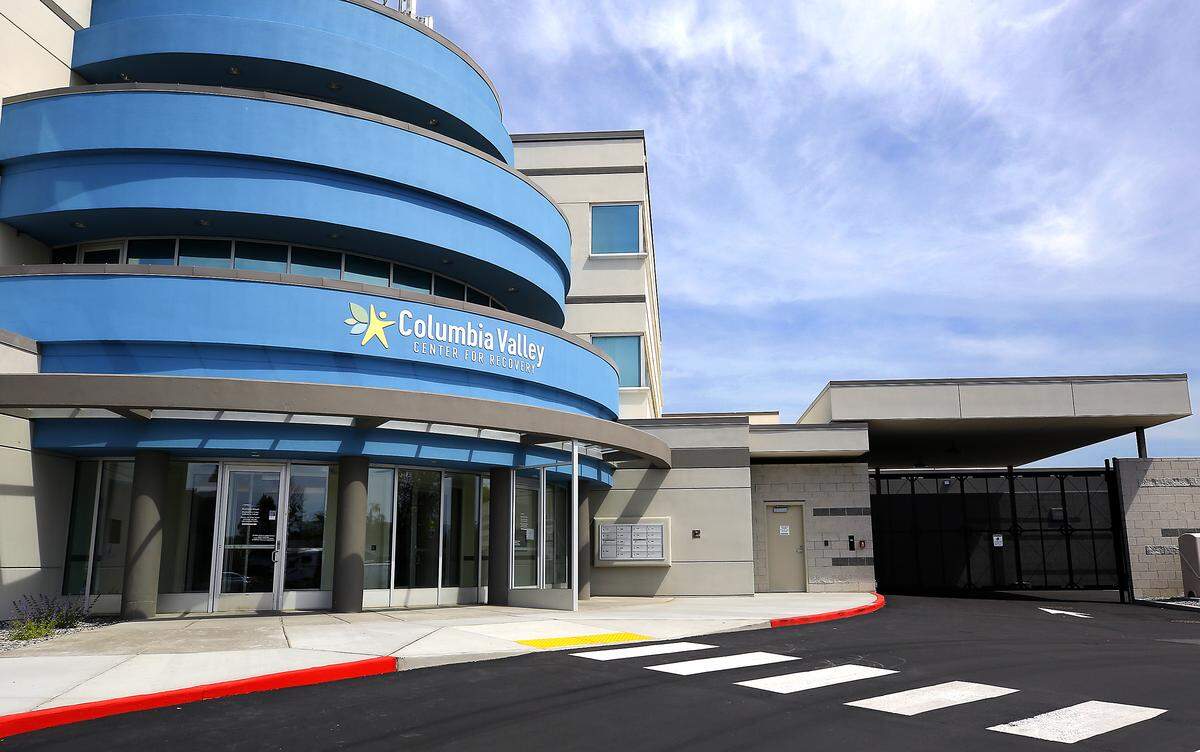
The new $50 million treatment center is about to open in downtown Kennewick after nearly a decade of planning. Initially, it was going to be a joint bi-county project, but due to a deteriorating relationship with Franklin County, Benton leaders decided other counties should contract directly with the medical provide, Comprehensive Healthcare.
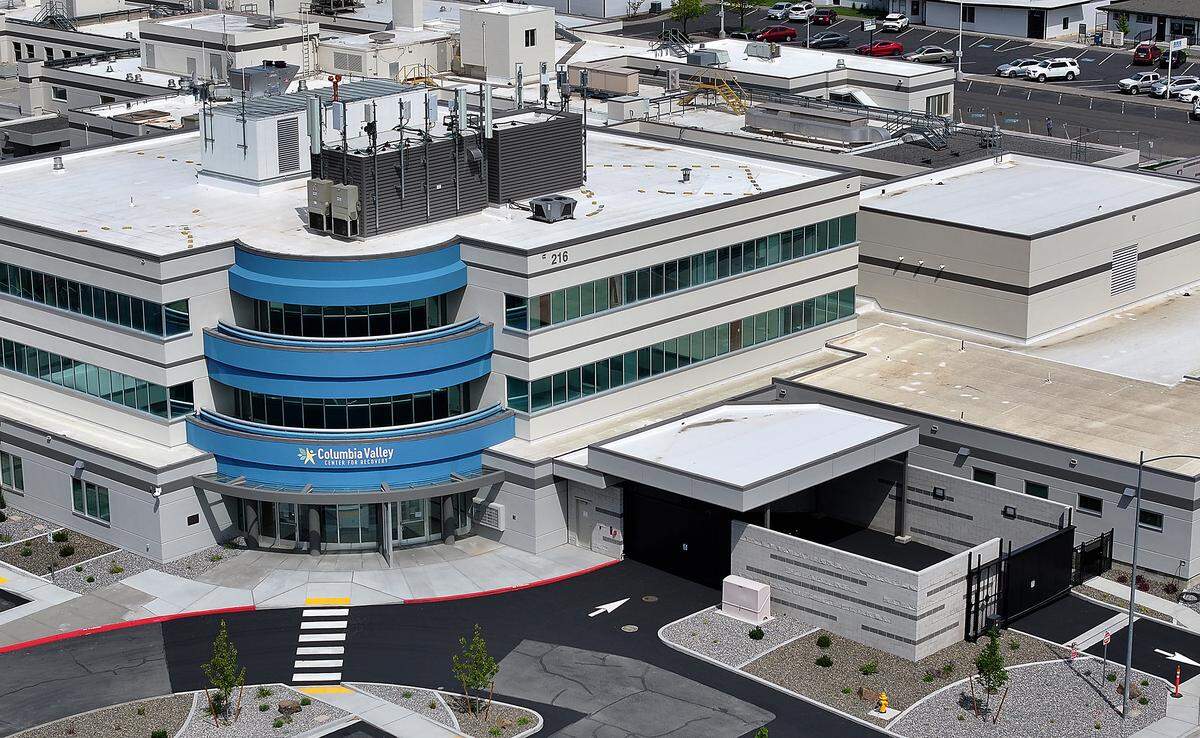
As the owner of the facility, Benton County would actually have to supplement any losses not reimbursed by insurance or the state and federal governments.
By foregoing a direct partnership with Franklin County and suggesting the third-party contract, Franklin has largely been absolved of any responsibility to help pay for cost overruns.
“We all realize the need and obviously both (Commissioner Clint) Didier and myself were on the board when we voted in the 1/10th percent (mental health and chemical dependency sales tax), we do support it,” Commission Chairman Rocky Mullen said.
“We just have questions and want to have a solution or a better understanding of how things are going to get paid and who’s going to be responsible for them,” he said this week.
Didier also pointed to economic uncertainty as a potential reason to hold off, though the sales tax mentioned is a single-purpose tax that can only be used for mental health and addiction services, such as the recovery center or therapeutic court programs.
In Franklin County the tax brings in roughly $3 million annually, according to previous sales tax estimates from the board. They passed the tax in early 2022 in anticipation of the center being created.
The county could shift costs related to therapeutic courts and other services to more fully be paid for out of the tax in order to free up more general fund money, but it likely wouldn’t account for the majority of the fund without supporting some other kind of recovery services.
The board also received more information on how Benton County is using its mental health tax to set up a dedicated fund to cover uninsured residents. Commissioners were assured that those types of funds would be billed only after all other options were exhausted.
“The whole idea and the whole premise behind this is that everybody is going to do the very best they can, in an imperfect world, to fund the individuals from their respective counties without having to bear the burden of having to fund individuals from outside their counties,” explained Jason Bliss, chair of the Benton Franklin Behavioral Health Advisory Committee.
Bliss offered to personally act as a go-between for the counties and offered to help with anything else they might be concerned about with the new center.
Franklin County has been severing its connections with Benton County since early last year, often with little notice. Examples include separating human services and juvenile justice operations. They’ve also discussed potentially breaking up the Benton Franklin Health District and Ben Franklin Transit.
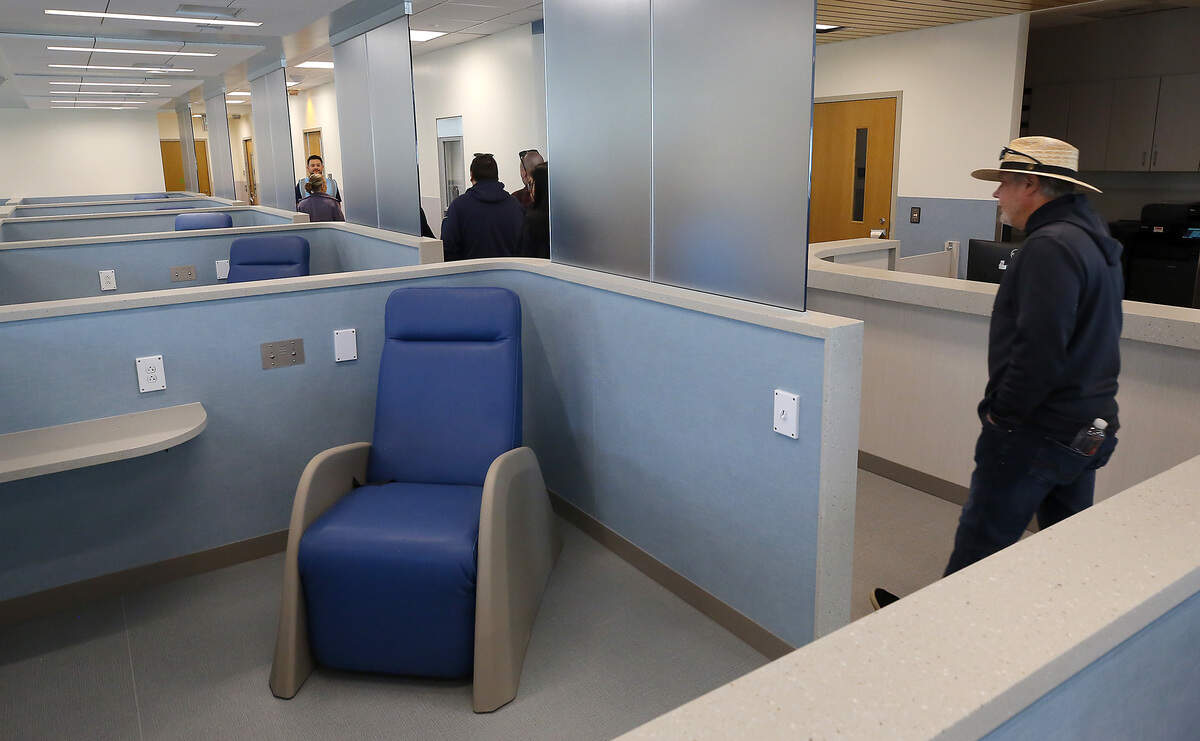
This week, Bliss updated the commissioners on the status of the recovery center’s license, and offered an update on the success of a relaunched recovery-related job training program at Columbia Basin College that Didier helped champion.
It’s unclear if the discussion was enough to sway Franklin County’s leaders though. The three-man board took no action because Commissioner Stephen Bauman was unable to attend this week’s meeting. The contract discussion could be added to a future meeting agenda or the commissioners may take a wait-and-see approach to get a better idea of the costs once the center is fully up and running.
That’s expected to happen any day when state health officials issue the office occupancy permit after a snag with the address of the center changing during construction.
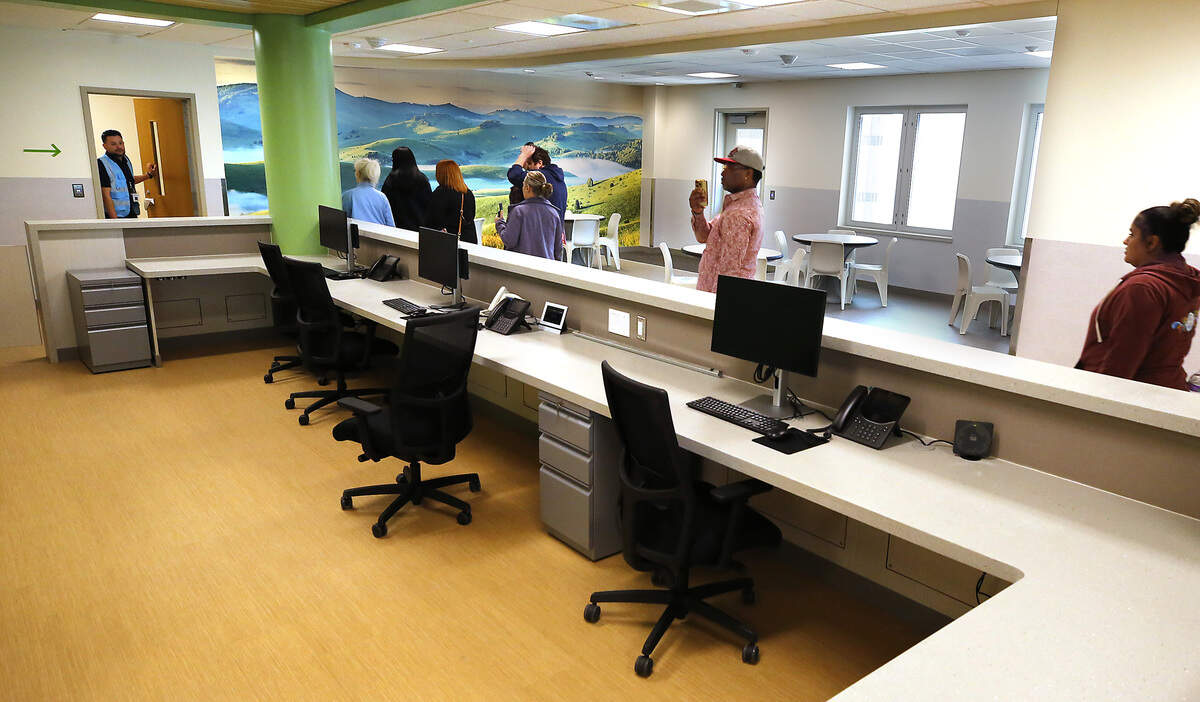
What services will this impact?
If Franklin County chooses not to enter into a contract with Comprehensive Healthcare it will impact how quickly Pasco police and Franklin County deputies can drop off patients and get back to their work. Law enforcement agencies in partner counties will be guaranteed a 10-minute drop-off.
It also may create barriers to uninsured Pasco and Franklin County residents receiving the level of care they need.
Benton County Deputy Administrator Matt Rasmussen said during a presentation to his commissioners earlier this week that the impacts could be far-reaching.
• Crisis services such as stabilization and relief will see the smallest impact because these services are critical, and it could be harmful to turn patients away.
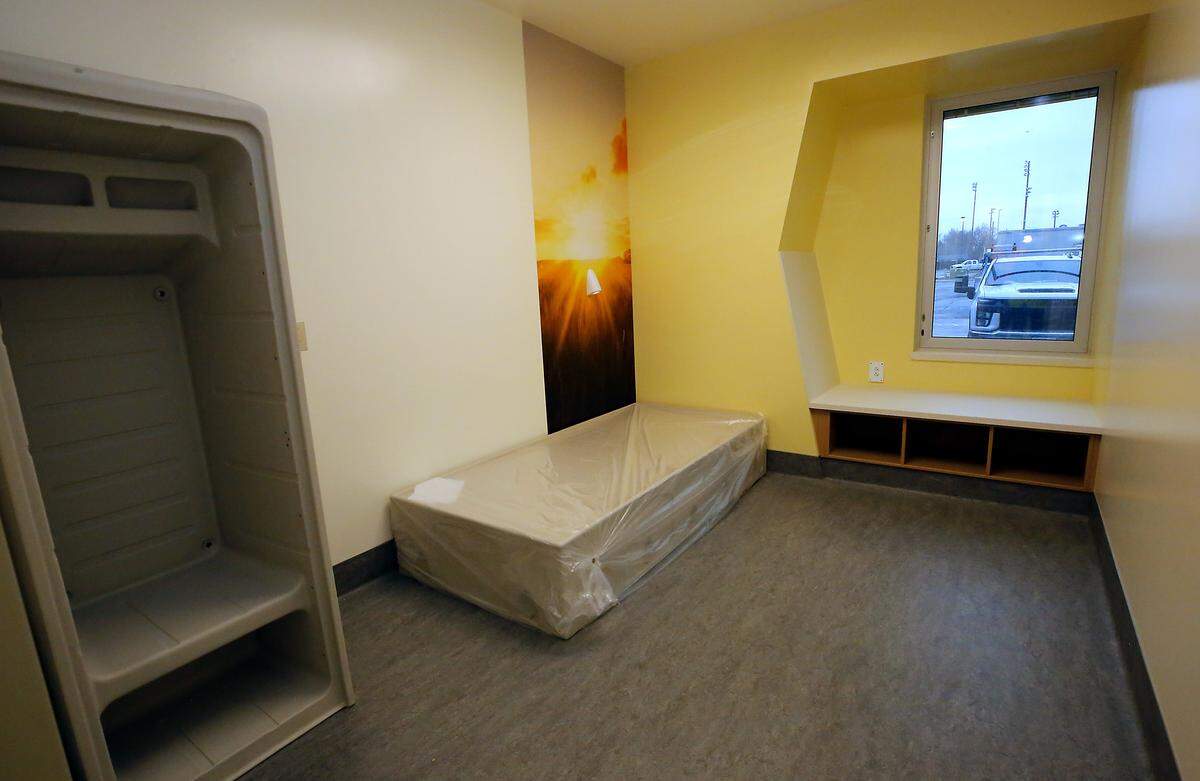
• Residential treatment and detox may have to reject patients without an ability to pay.
• Patients may be released early if insurance will not pay for treatment medical staff believe is necessary. This often happens when a patient should stay for five days, but insurance tries to default to three.
• Comprehensive Healthcare can absorb only so much in “charity care,” and someone in crisis needing immediate care will likely be prioritized for that help.
• Benton County may have to spend more to help Comprehensive Healthcare break even on costs.
About 80 percent of the Franklin County’s population is in Pasco, but the city council can’t direct how that special-use county sales tax is used.
The county commissioners said this week that their questions about quality of life “betterments” at the recovery center were answered and seemed likely to approve a $2.7 million payment they froze in January.
These improvements were part of an $11 million package the counties agreed to split equally to help pay for a family room, commercial kitchen and other amenities at the new center.
Benton County already has paid the contractors, and would need to push off future expansion of services if they’re forced to absorb the Franklin County’s payment.
.jpg "Franklin County Courthouse Complex_12202025-9843 1 (1).jpg")
Buses full of homeless people
Franklin County commissioners said this week they are worried that the beds at the recovery center will be overrun by homeless people being bused in from Seattle and the west side of the state.
“How are they going to determine if they are from your community? That’s my whole point. Because I have been told by state patrol, Pasco police, Franklin County deputy sheriffs that they are busing people to this area,” Didier said.
“They’re trying to alleviate their problems, bring them to us. Now we’ve created a facility that is needed for our community, but we can’t deny access to everybody in the state. We can’t deny anybody access to this. So we’re not guaranteed, if the facility gets full, and we have a problem in our community, we are not guaranteed we get a spot in our community because of that.”
Homeless people being bused away from large cities is a largely debunked claim based on a misunderstanding of programs designed to help people who find themselves in an area with no support.

“The idea of a busing program is a myth. If anyone is being bused to the Tri-Cities, it’s for family unification, and the person getting on the bus would have to share where they are going and why,” a spokeswoman for the King County Regional Homeless Authority previously told the Herald.
The reality is that many public agencies and police departments buy bus tickets to help individuals get to an area they are either from or have family that can help them.
Whether the programs are effective is unclear, as many advocacy agencies point out that bad home circumstances and history often contribute to why someone is unhoused.
Even Tri-City agencies help with these types of programs. For example, the Tri-City Herald spoke to one young man contacted by community outreach workers during the 2025 Point in Time count who was being helped with the means to get back to Hermiston, Ore., where he had some family support.
The region’s annual homeless count has shown the vast majority of unhoused people in the Tri-Cities are from this area.
Bliss said the Tri-Cities has more services for those experiencing homelessness than many areas due to the programs Benton County Human Services runs with state funding.
Franklin County will soon be one of the counties opting out of the consolidated homeless grant programs with the Washington state Department of Commerce once the bi-county human services split is complete. That will likely leave Benton County continuing to help Franklin residents without the support and complete funding they currently have.
Bliss assured the Franklin commissioners that Comprehensive Healthcare will be able to tell with a high degree of confidence whether someone is actually local and an appropriate candidate for using the county’s funds to help.
Denying out of area patients
Franklin County commissioners have previously asked for a guaranteed number of beds to be reserved for its residents, but that’s not legally allowable.
What the facility’s medical provider, Comprehensive Healthcare, can offer is a way to ensure uninsured residents are treated and that first responders get priority when bringing in a patient.
“We just want to make sure the residents of Franklin County are not paying for people outside of our community and pushing our people further down the list as far as availability to get help,” Mullen said.
Bliss told commissioners that while the system will never be perfect, they will work to ensure funds earmarked for Franklin County residents go to them, and it will help prevent Tri-Cities residents from having to seek care elsewhere.
He suggested that the county could also ask for a commitment in their contract that Comprehensive Healthcare would make a “best effort” to first serve Tri-City patients.
“A lot of the individuals that are getting shipped across the state to various different beds in different communities, that is happening largely because residents from their own communities are filling up the facilities,” Bliss said.
“... When an individual does have that state insurance they can’t be denied to go to some place, whether it’s on this side of the state or the other side of the state, and yes it will happen to some degree, there’s no getting around that,” he continued.
“But our hope here is that with a place right here local in our community, that people local in our community will be able to go there and receive the services without having to be shipped clear to the other side of the state without the family and without the supports that they need.”
It was also pointed out that the Tri-Cities has actually been sending patients across the state for treatment options they might not be eligible for at home.
Supplementing other areas
Didier also expressed concern about future economic downturn. While that could impact sales tax revenue, it wouldn’t require Franklin County to commit any funding they aren’t able to.
With a set fund for uninsured residents, they can guarantee exactly how much could be spent each year.
The county could also look into whether a grant-type program is more appropriate, allowing patients to apply individually.
“Our concern is this, we see this economic turn in our economy right now, Franklin County is big in agriculture, agriculture is hurting right now,” said Didier, who is a farmer.
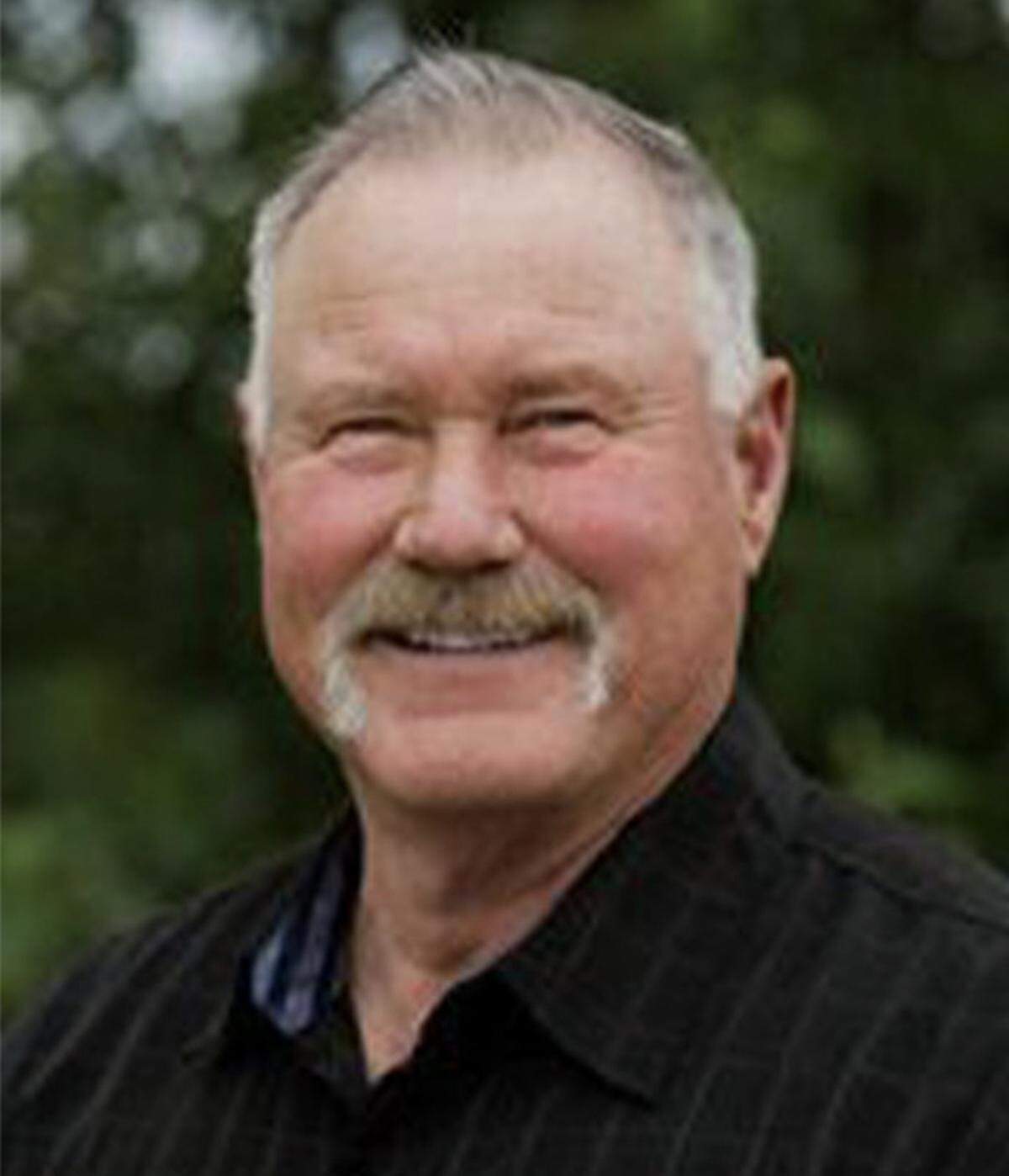
“We have constituents that are concerned about the future, and we don’t want to tie them down to something we’re going to be taking care of the whole state on. We want to take care of our community. And with the laws that are in the state and the soft on crime that’s going on in this state, we can’t just be a piggy bank to every need of this state when the state is creating the problem.”
While commissioners were assured they weren’t paying for anyone outside of Franklin County, Didier still expressed concern about county residents paying to subsidize care for people from the west side of the state.
Data shows that Franklin County receives more money from the state than it pays in, while King County subsidizes most of the rest of the state.
“People are hurting right now, and we don’t want to strap them with another responsibility they can’t afford. That’s our concern, and we want to make sure we have clarity on the situation before we get into a contract with Comprehensive (Healthcare) we want to know all the details so that we have made a wise decision for our community members. We don’t want to put our county in a bad situation, we’re being very cautious.”
King County brought in about $11.8 billion in state tax revenue for the state in 2024 and received about $8.5 billion back, according to the Washington state Office of Financial Management.
The combined amount of the overages other counties pay in came to about $700 million in 2024. That would be a little more than enough to cover the difference in expenditures over contributions for either Pierce or Yakima County.
The Tri-Cities area got about $400 million more than it raised in revenue that year. Benton brought in $706 million and received $939 million back, while Franklin brought in $315 million and received $478 million in state funds.