Why getting into the new recovery center may take longer for Pasco patients
AI-generated summary reviewed by our newsroom.
- Columbia Valley Center for Recovery opens May 1; Franklin Co. may still decide to partner.
- Franklin County currently has about $11.2 million set aside for recovery-related services.
- Without a contract, residents and uninsured patients cannot be guaranteed priority.
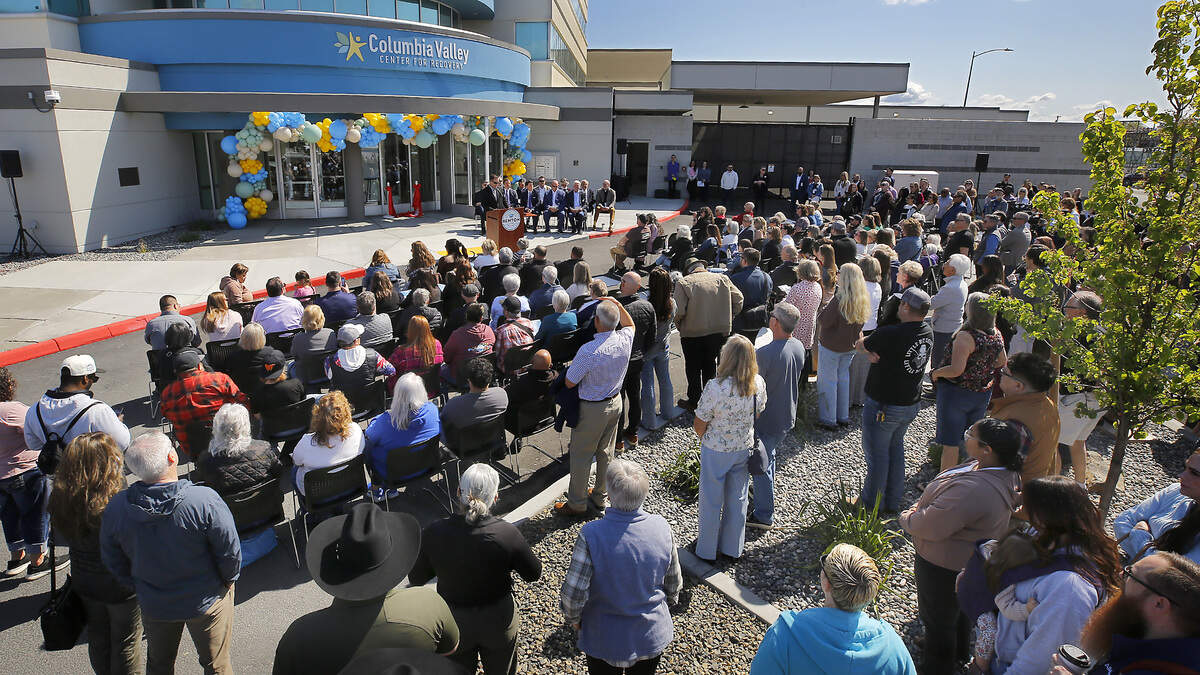
The Tri-Cities’ first public recovery center is set to open next week, but a key partner’s role will look different from what was originally imagined.
Franklin County Sheriff Jim Raymond raised concerns Thursday that his county commissioners still had not entered into an agreement with Comprehensive Healthcare as a third-party partner.
He said the commissioners also haven’t made good on the second half of a multi-million dollar payment they froze earlier this year for “betterments” at the center. It opens Friday, May 1, to take patients struggling with mental health or addiction issues.
Franklin County Commissioner Stephen Bauman, who has been the board’s lead on the recovery center, said Raymond was off-base and had not talked to commissioners about it.
“As far as I’m aware, everything is going fine and as the facility opens we’ll figure out what the relationship will look like,” he told the Tri-City Herald.
“There’s further discussion that needs to happen, but as far as I’m aware there’s no tension or frustration or lack of collaboration (with) Franklin County.”
Without a partnership agreement, Pasco and Franklin County residents cannot be guaranteed priority when coming to the Columbia Valley Center for Recovery. Uninsured residents may also have a harder time accessing those services.
That doesn’t mean the center will turn away first responders or people in crisis, though. They’ll just have to follow the same rules someone coming from Sunnyside or Walla Walla would.
First responder dropoffs may take a bit longer because employees will need the first responder to stick around while they determine the person’s ability to pay.
Raymond is demanding to know what the commission is planning for millions in tax money already collected specifically to support recovery services.
Franklin County currently has an estimated $11.2 million set aside for services related to mental health and addiction related recovery treatment or therapeutic courts. That number is expected to grow to more than $15.6 million by the end of the year, Raymond said in a news release.
Raymond said the center will open with or without Franklin County’s support, and urged residents to contact their commissioners.
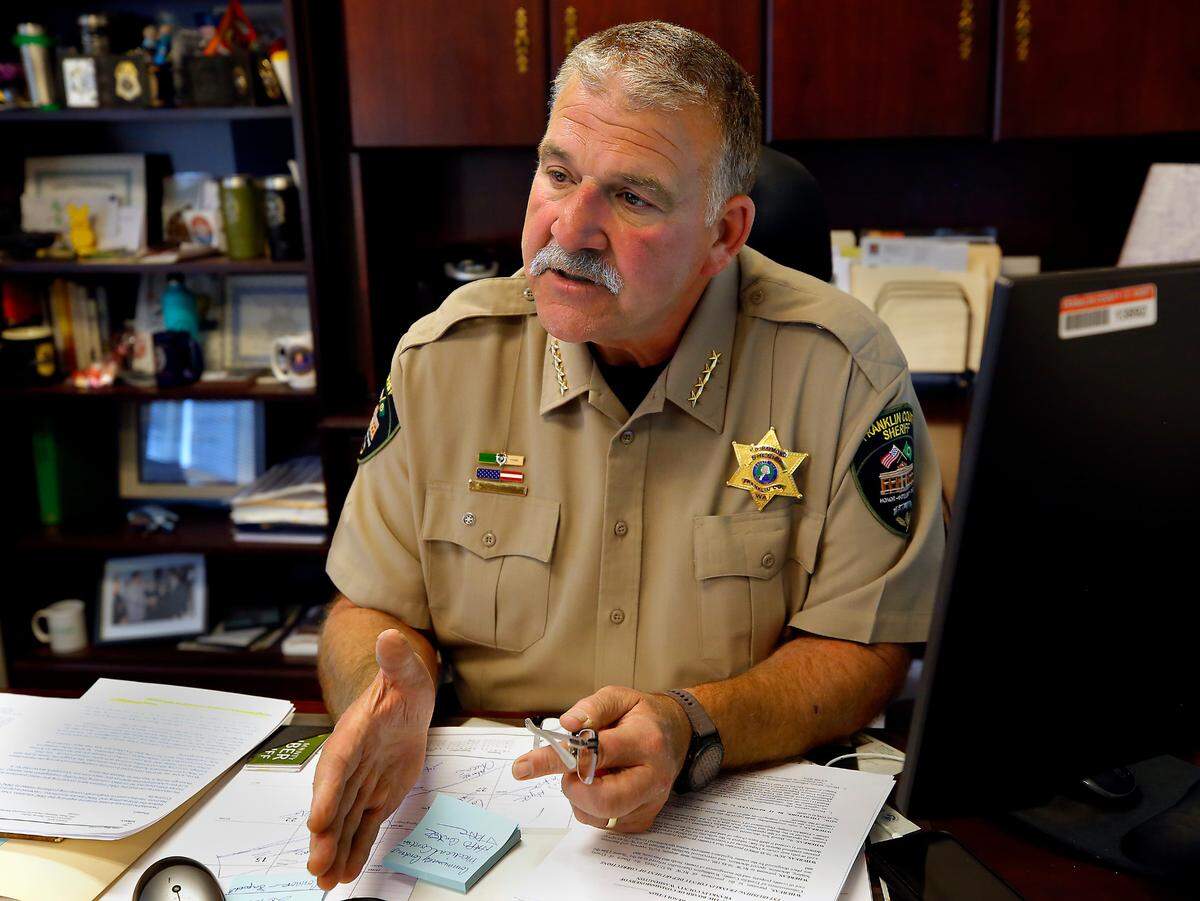
“Unfortunately, because of the games our county commissioners and administrator want to play, it’s the Franklin County community and its first responders, including the cities of Pasco and Connell, that will suffer,” Raymond wrote. “And they won’t be giving back a dime of the fifteen million dollars they’ve taken from us either.”
Bauman said they have not received an invoice for the second half of the betterments payment, but after conversations with Comprehensive Healthcare and Benton County Commissioner Michael Alvarez, he is ready to support it.
“I was really taken aback by the sheriff, he likes to go out there and make a lot of noise, often times it’s not based in reality,” Bauman said. “Neither him nor his office have had any correspondence with me or our office to any level at all. It’s frankly really disappointing the way Jim operates.”
Pasco excited for the center
Leaders with the city of Pasco told the Herald they are excited to have the recovery center as a resource for first responders, and that they do not believe contract discussions will impact how they plan to use the center to help residents.
Pasco City Manager Harold Stewart told the Herald in an email that conversations are ongoing.
“The city of Pasco is grateful to those who have worked over the last several years to bring this facility to reality. We are also appreciative this facility will help serve those with mental health needs in the Tri-City area, especially Pasco residents,” Steward said. “City staff and leadership will continue to discuss how this facility can be utilized to benefit our residents, as well as other future enhancements to resources and programs.”
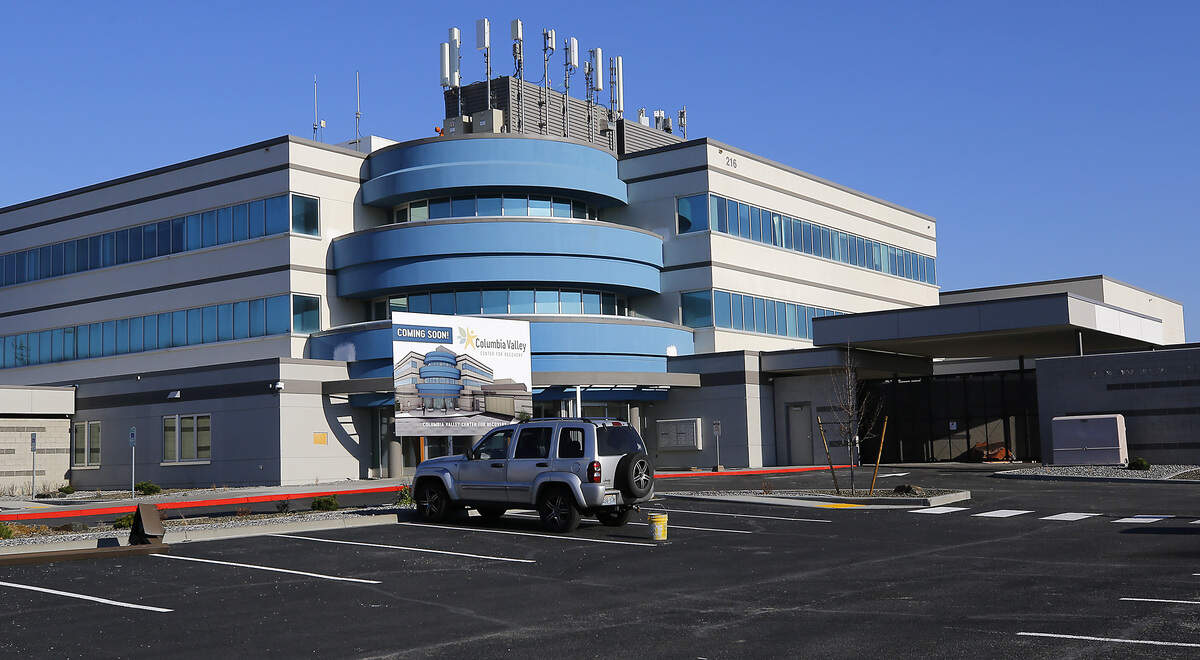
Pasco Mayor Charles Grimm said the negotiation won’t impact their first responders’ use of the facility. Though he was disappointed the city did not receive an invitation to a recent ribbon cutting.
“We are thrilled to have this long awaited ‘third option’ for those fighting addiction, in a mental health crisis, or having a need that the fire department taking them to a hospital or the police to jail isn’t the best option,” Grimm said.
“It sounds like some of the finer details of funding from sales tax and other means need finalized. From what I’m hearing so far, this won’t affect our use of the facility regardless of these funding issues still needing worked out,” he continued.
“While it was hard not to notice that the city wasn’t invited for the ribbon cutting, I am not going to speculate about the motives of our neighbors and partners on the other side of the creek. I’m excited about the value to our region this facility will bring and the hope of a better life for those who use it.”
Partnering with Comprehensive Healthcare
After a series of bi-county partnerships were broken up last year, Benton County leaders moved to adjust their plan for the recovery center. As the owners, Benton County is the primary partner with Comprehensive Healthcare.
Other municipalities, such as Franklin County, can enter into third-party contracts to guarantee priority access for placement. Benton County’s decision means the recovery center won’t be the 50-50 partnership some originally imagined.
“We verified some information as far as Franklin County residents’ access to the facility, as far as we have been able to understand they will take them,” Bauman said. “We will need to figure out some details on how we’re going to work with them, what that’s going to look like.”
He said that there are still questions about what operations look like and how costs break down, but that doesn’t mean the county isn’t ready to work with the recovery center.
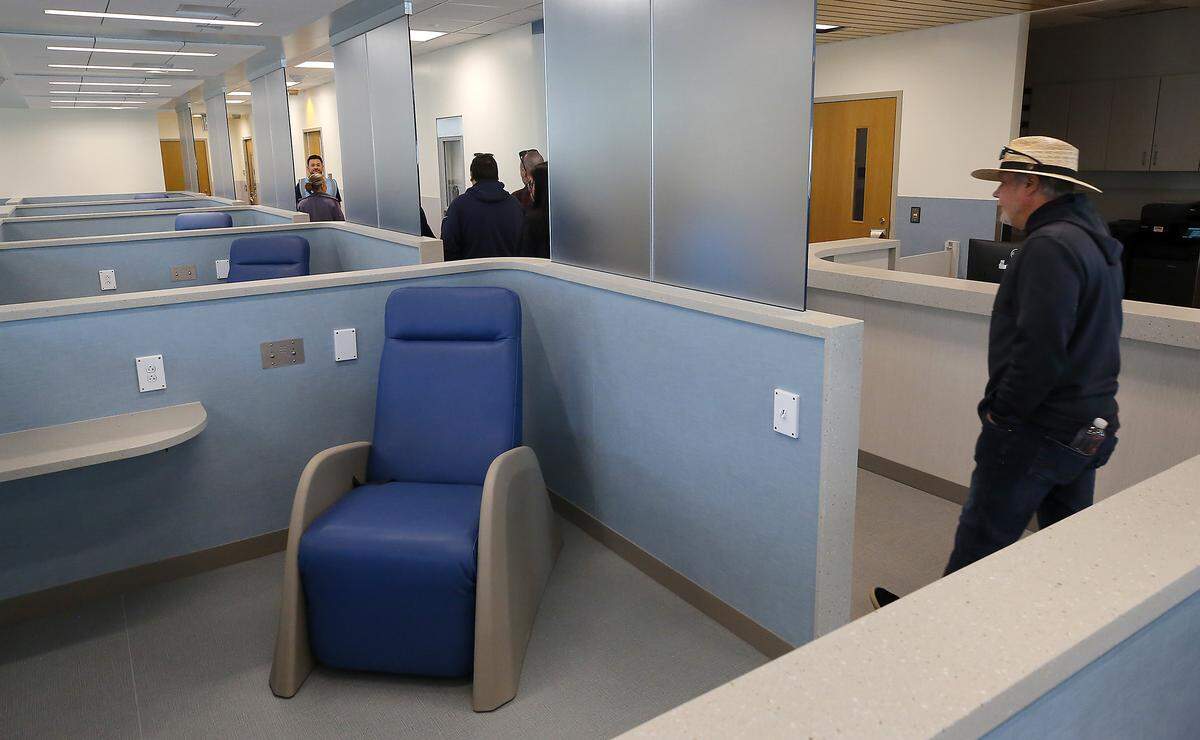
The recovery center will still take patients brought in by law enforcement, but limited bed space or funding gaps for charity care could mean some will need to be on a wait list if their home city or county doesn’t have a partnership agreement to help pay for those services.
A key sticking point for Franklin County was also a desire for a set number of beds reserved for Franklin residents proportionate to their funding, but Comprehensive Healthcare cannot legally do that.
What they can do is offer participating law enforcement a 10-minute drop-off window to get officers back to their duties, and prioritize uninsured patients from those counties. That includes offering the ability to pre-pay for uninsured patients.
Benton County Deputy Administrator Matt Rasmussen told Undersheriff Monty Huber in an email that he was informed Franklin County does not intend to have a discussion about a partnership agreement until after the center opens.
“The lack of an operating agreement does not mean (the Franklin County Sheriff’s Office) can’t bring people to the facility,” Rasmussen wrote. “It does mean that we won’t be able to guarantee admittance though, since anyone outside of Benton County will have to have an ability to pay. We also won’t guarantee the 10-minute (law enforcement) drop off, because ability to pay will have to be factored into the admission procedure and that adds time.”
“I understand Franklin County has canceled or not shown up to previously scheduled meetings with Comprehensive (Healthcare) and now pushed off any discussions on an agreement until after May 1,” he said.
Bauman said he was not aware of any canceled meetings or conversations.
Huber has regularly attended meetings on behalf of Raymond for the Benton-Franklin Behavioral Health Advisory Committee, which guided the construction of the center and helped choose the operator.
He and Raymond are part of a group of law enforcement and first responder leaders from organizations across both counties who have pushed for the facility, in order to ensure people in crisis can get the care they need rather than being taken to jail.
What are the county’s options?
Franklin County can enter into a contract with Comprehensive Healthcare at any time. They have one more regular meeting before the center opens, or they could take a wait-and-see approach.
The latter could allow the county time to gather data to see if a contract is necessary or if there are alternatives that might save money. However, not entering into an agreement means that uninsured residents, such as those experiencing homelessness or an active crisis, may face barriers to getting the help they need.
The county could also try to work out a limited contract allowing for individual repayments for uninsured patients or one that allows for easier first responder drop off.
It’s still unclear how that will shape out though.
Franklin County could try to open its own recovery services. The commissioners previously discussed partnering with Lourdes Health to do so, but that fell apart.
Lourdes offered use of a building across the street from the courthouse for a sobering center and offered to pay for the renovations, which would have saved the county millions in construction costs, but commissioners were concerned about safety due to its proximity to the courthouse complex and parks.
The county could also enter into a service contract with Lourdes or forego expanding recovery services altogether.
Those negotiations could get complicated though, as Bauman is listed as the vice-chair of Lourdes’ board of trustees.
One way they could spend the mental health tax money is by fully funding therapeutic courts from the tax, freeing up any general fund monies currently spent on them. Some employees with related job duties could also be fully or partially paid from it.
That would allow them to also consider other mental health and recovery related projects, similar to their approach to splitting the bi-county juvenile services arrangement.
Betterments funding
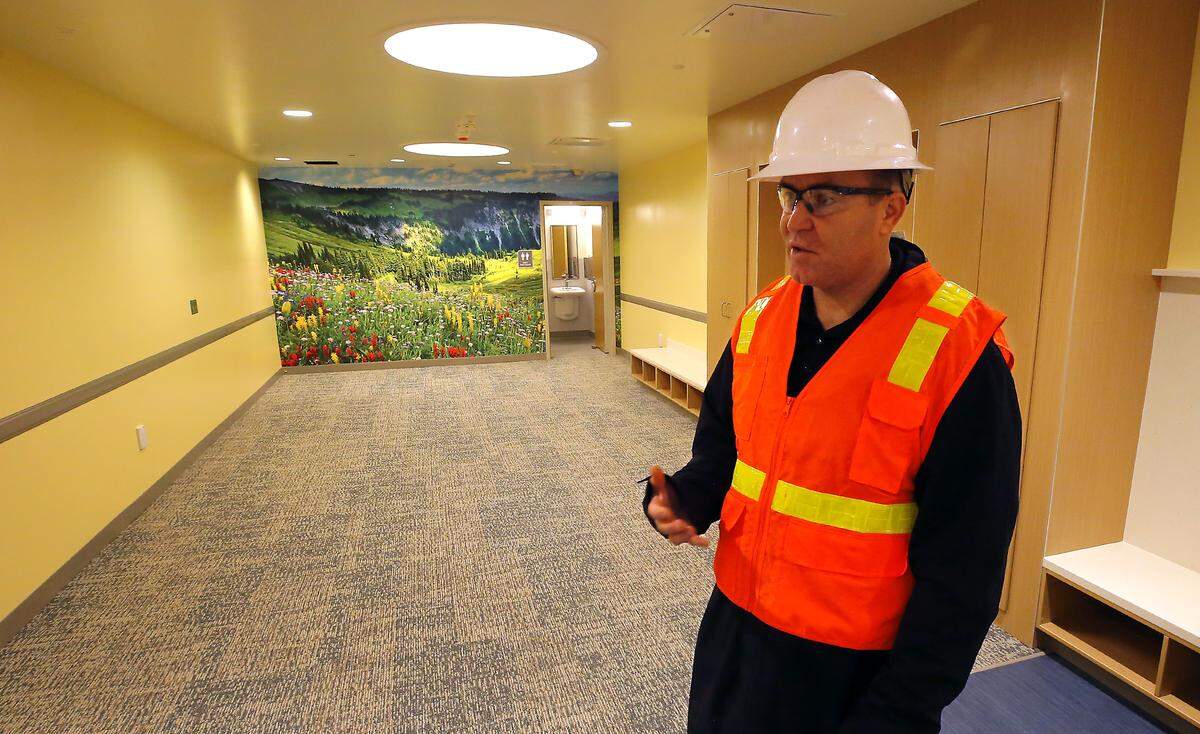
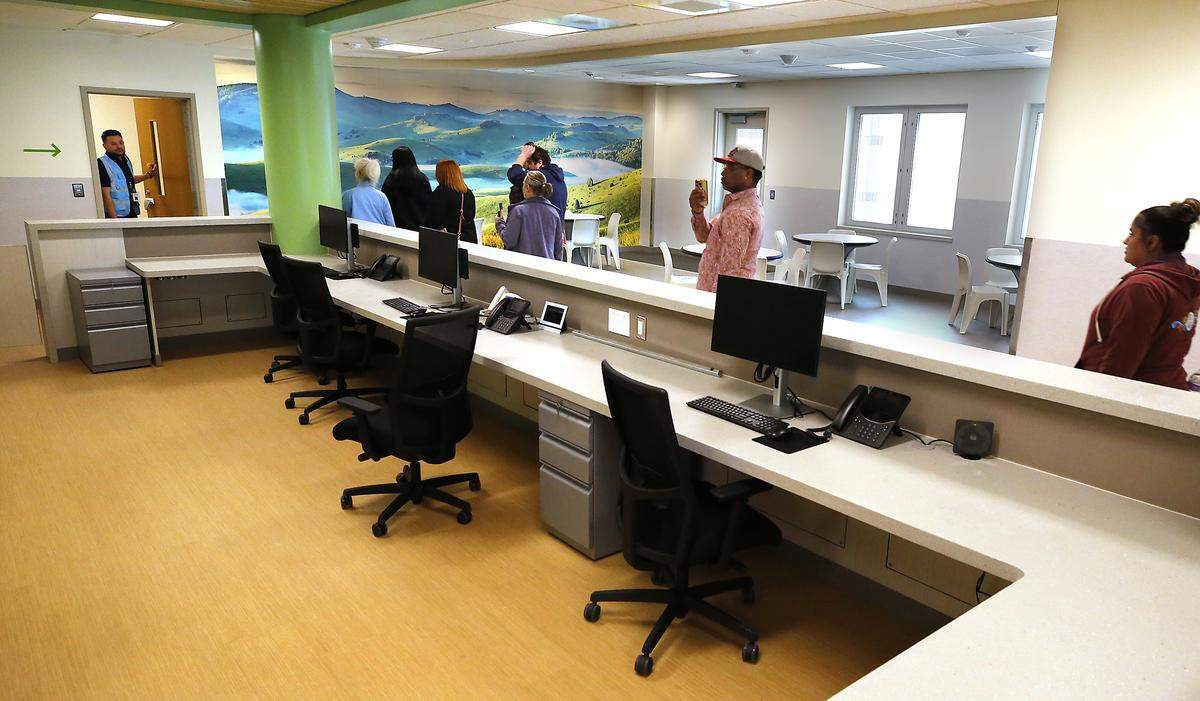
The counties agreed to split an $11 million “betterments” package for the recovery center in 2024. That was for items such as a family room and kitchen that weren’t directly related to services, but improved the quality of care for patients and families.
The second half of the payments were supposed to be due when the facility received its certificate of occupancy.
But Franklin County commissioners voted to freeze their portion late last year until commissioners were given a detailed breakdown of costs associated with staffing and running the recovery center. They were given a series of presentations, but never voted to unfreeze the payment.
That led to Benton County moving forward as the sole operator, which Franklin County leaders said caught them off guard.
Bauman said the concerns over the betterments costs have been resolved, and he supports honoring the commitment.