Tri-Cities recovery center ramps up staffing. Here’s when it opens
AI-generated summary reviewed by our newsroom.
- Center set for tiered opening in May 2026. Full capacity by late summer.
- Facility will staff about 144 employees, aiming for 75% onboard at opening.
- No‑wrong‑door policy admits all patients; first responders get secure entry.
With just over a month until the Tri-Cities’ first public recovery center opens, staffing is ramping up to begin training.
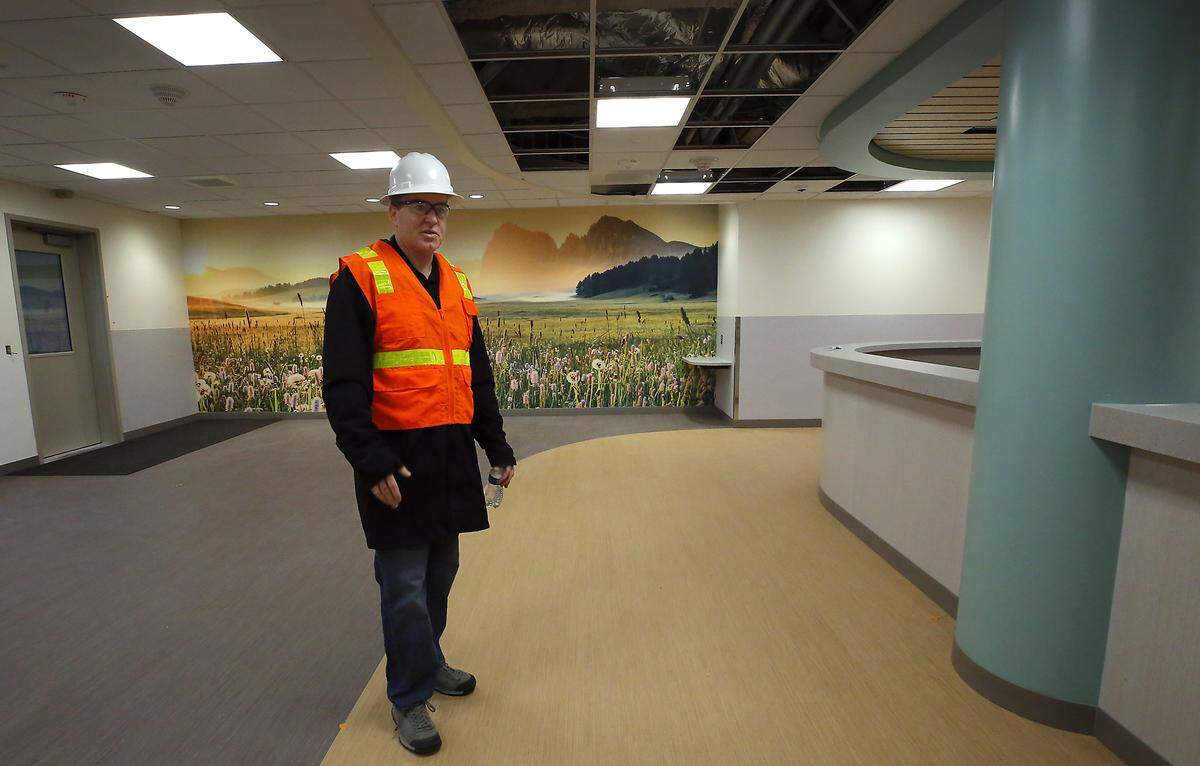
The Columbia Valley Center for Recovery will employ about 144 in four areas of service. Comprehensive Healthcare is set to get the keys to the recovery center as soon as a certificate of occupancy is issued within the next few weeks, with the goal of opening in May.
From that point onboarding and training begins, with employees getting acquainted with the new facility and shadowing other healthcare professionals at Comprehensive Healthcare’s other recovery centers.
They’ll most likely learn on the job in Yakima, Comprehensive Healthcare Chief of Staff Taylor Stormo told the Tri-City Herald.
Each of the four units will be led by a program manager with a supervisor reporting to them. Stormo said they hoped to finish hiring for these positions soon.
He said this structure allows for better day-to-day coverage, and helps build career opportunities.
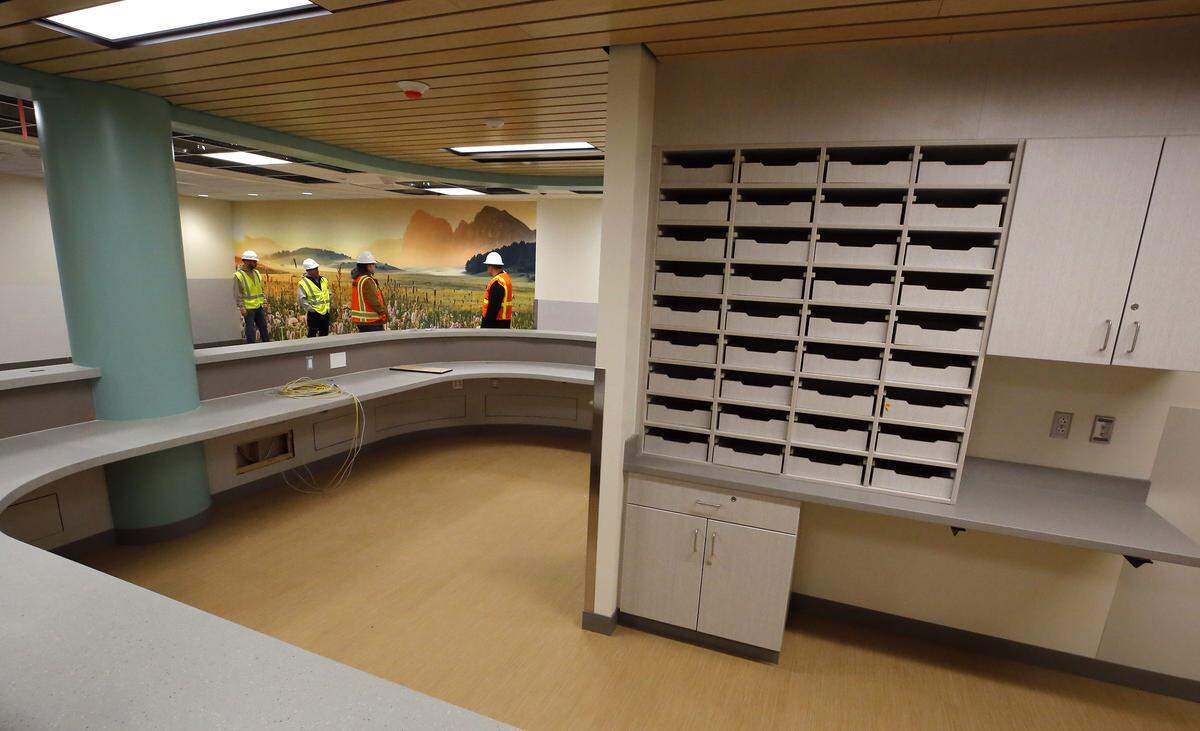
Most of the leadership at the facility will have experience with Comprehensive Healthcare, and they’re aiming to hire workers from the Tri-Cities area.
“So those are new jobs to the communities that we operate in,” he said. “The vast majority, will be out of the Benton County and Franklin County markets.”
While staffing can be daunting, Stormo said he is optimistic because they’ve been recruiting since November and have seen huge interest.
Stormo said Benton County and Bouten Construction have done such a good job preparing the facility, that the staff will only need to focus on training and getting ready for opening.
Comprehensive Healthcare is planning a tiered approach to ramping up services over the course of the summer.
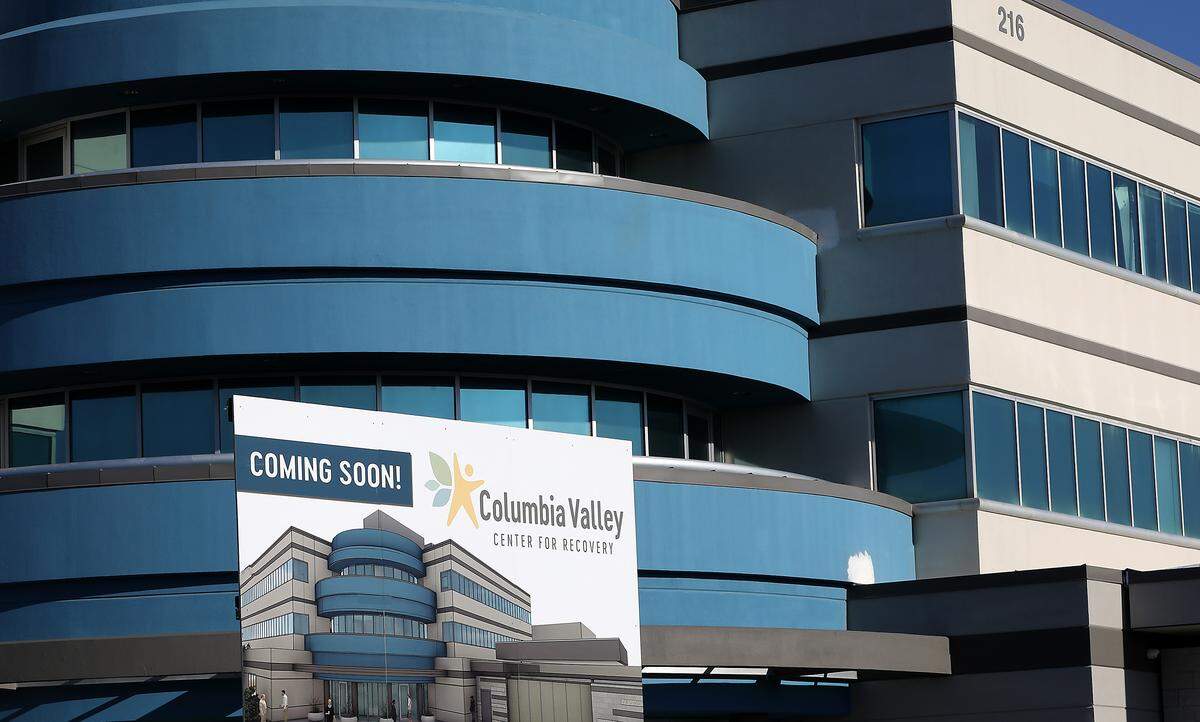
Services it will offer
Short-Term/Sobering — A 23-hour observation unit that focuses on stabilization and sobering up. This unit will be structured like a living room setting with pods for recliners. Patients will be assessed here to determine longer care needs.
Crisis Stabilization — This unit is designed for clients whose primary diagnosis is mental illness related. Services will include assessment, diagnosis and treatment for those without the need for longer stays. Typically, they’ll spend five days or fewer here, but longer stays can happen voluntarily or by court order.
Withdrawal Management — This unit will provide secure withdrawal management and stabilization services. Patients will be assessed, stabilized and cared for while detoxing. There will be two levels of detox, one with monitoring and patient administered medication and the other with 24-hour medical care by nurses and doctors.
Co-Occuring Residential Substance Use Treatment — This unit will be for longer-term substance use treatment, often for patients who also need some mental health treatment. The length of the stay will depend on ongoing assessments and progress toward treatment goals.
The residential wing will fully open in May, along with half of the crisis stabilization beds and about half of the recliners used for short term/sobering care.
“Those will open up at partial staff, but as you can imagine, those are 24 hour 365 (days a year) facilities. That takes a baseline amount of staff to be able to provide safe coverage throughout the day,” Stormo said. “So even though we’re opening partial capacity, I would imagine ... we’ll probably need three quarters of the total staff in order to operate those even in partial capacity, beginning May 1.”
Stormo said they’ll also have some staff from Yakima or other facilities helping with the Tri-Cities recovery center over the first few months.
“We will have some of our legacy staff down there for a period of time, helping them and guiding them as well, until they’re comfortable to kind of spread their wings and fly on their own,” he said.
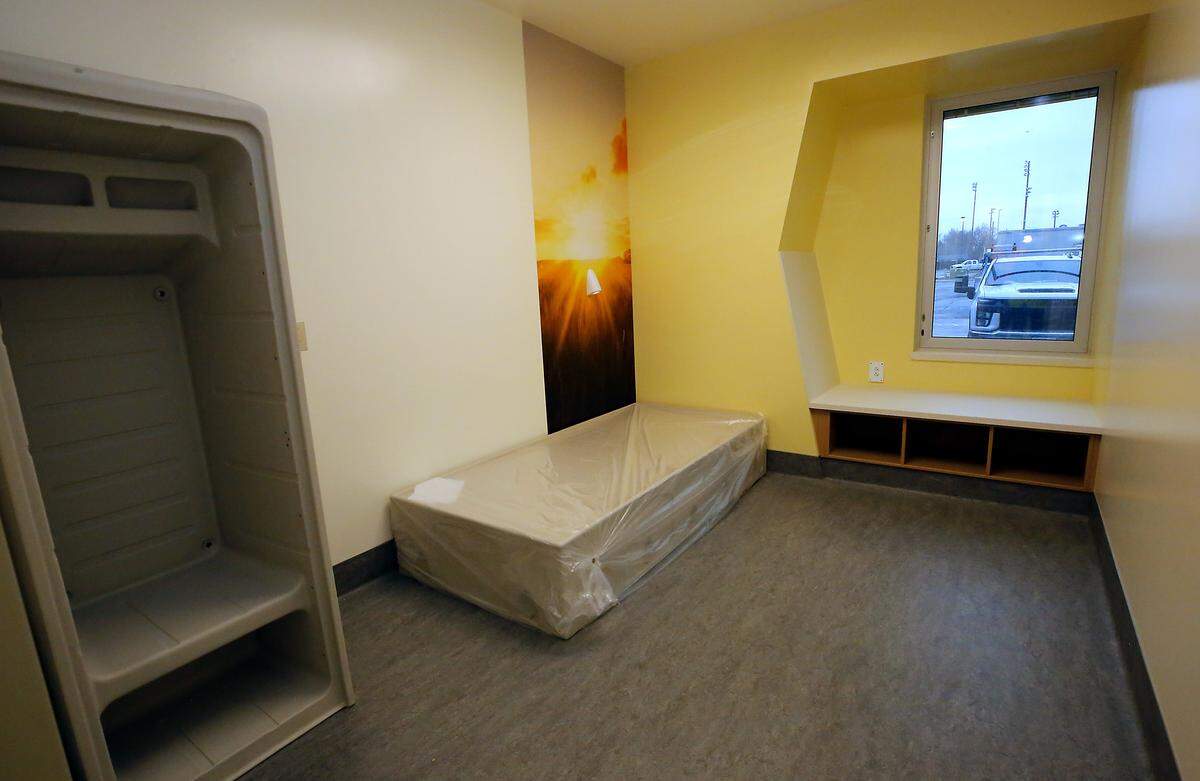
Then in June they plan to fully open the remainder of the beds and recliners for crisis stabilization and short term/sobering care.
At that point, the plan is to open half of the withdrawal management beds, with the rest opened about a month later.
They hope to have about three-quarters of the staff already in place by the time doors open.
Who will it serve?
The Columbia Valley Center for Recovery is designed to be a “no wrong door” treatment center.
That means they will serve anyone with a need, regardless of their insurance status or ability to pay. This approach is critical for law enforcement intervention. It means people who actually need medical care will not be turned away and just sent to jail. It will allow officers to bring in someone in crisis without having to involve them in the criminal justice system.
Because it is a publicly-owned facility, services are available to anyone who is able to come in. There is no geographic restriction, despite being owned by Benton County. The broader name of the facility was decided on because it will serve a larger regional need.
That doesn’t mean Tri-Cities tax dollars will be paying for people out of the area, though.
Comprehensive Healthcare will manage reimbursements, and relatives staying in the area while a loved one is treated will be contributing to the local economy.
The facility will be open to the public, meaning anyone can voluntarily seek services. There also will be involuntary treatment through court orders for people in active crisis.
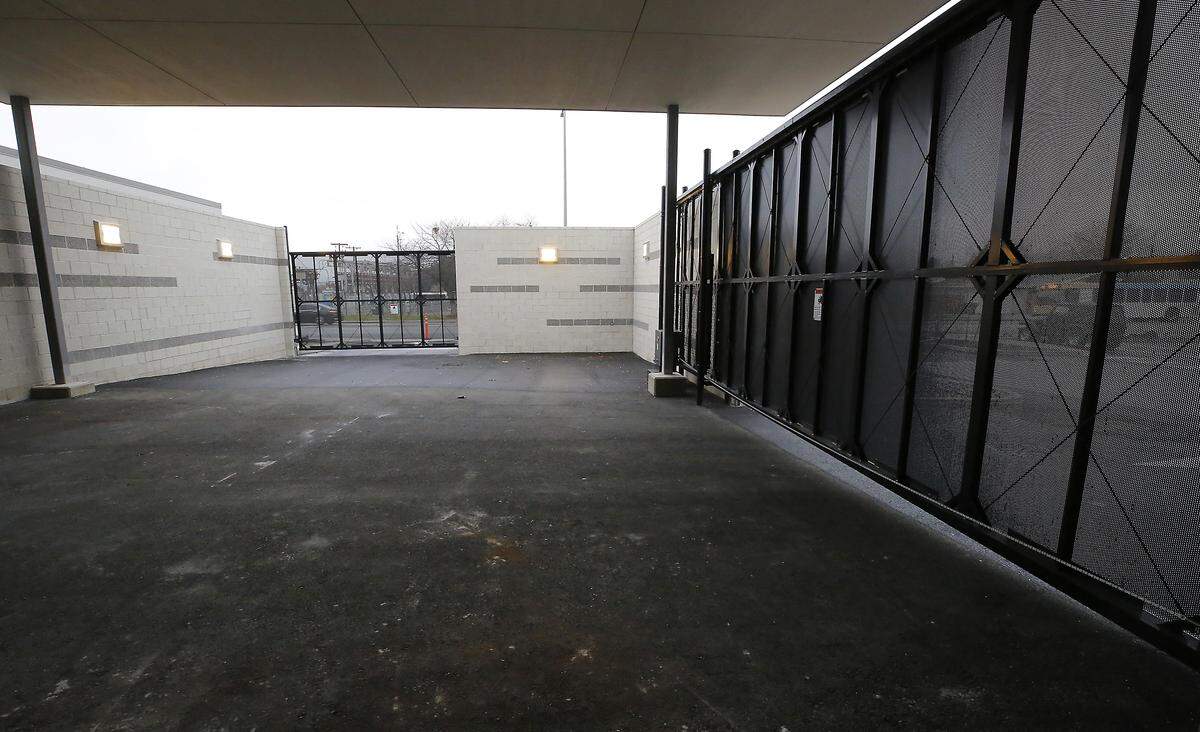
There will be a public entrance and a dedicated first responder entrance where police or EMTs can bring in patients in a secure manner.
“It’s just really exciting. We look forward to engaging, of course with our partners, and community as well,” he said. “To be a good partner for them and a referral source, whether we’re a referral source for them or they’re a referral source for us. We anticipate that will go both ways. So we’re really, really thrilled.”
Stormo said none of this would have been possible without the support of Tri-Cities leaders and the volunteer board of the Benton Franklin Recovery Coalition and Benton Franklin Behavioral Health Advisory Council, who have worked for years toward opening the facility.
“We’ve been very, very pleased with the partnerships that we’ve already received from the county and the leaders there, as well the Recovery Coalition,” he said. “We’re just, we’re just really thrilled and honored to be a part of the care team in that community.”
Stormo said it’s an honor to be the operator selected to turn that dream into a reality.
“Without them, this would not be happening,” Stormo said. “They’re just a dream team of folks. The grassroot effort, all the people that have been involved, the credit really goes to them, and we hope to make them proud through our operations.”
Recovery housing
Benton County also recently secured the rest of the funding needed to start planning for recovery housing on a portion of the old hospital campus.
Instead of building rooms on the second floor of the facility, the county is now looking at apartment-type housing near Kennewick’s Civic Athletics Complex. The units will likely go into the parking lot by the old helipad.
By building it separately, they’ll be also able to add a few more rooms and save $3 million on the project. There also would be an apartment for an on-site program manager.
This is where the Daniel’s Den kitchen and dining area will be built, which was made possible by a $1.1 million donation from Darrel and Melody Otness in honor of their son.
The housing is expected to open in 2027, and will be run by Seasons Housing.
Seasons Housing would operate the program as part of “phase two” of the recovery center.
The rent will be based on HUD fair market rates for the county, and Seasons will be able to help residents navigate rental assistance programs through the county if needed.
The units are intended to be available for people in recovery as they go through their programs and find stable housing.
Most will stay one to two years. It’s similar to some of the longer term housing that the Tri-City Union Gospel Mission offers.
While the housing is not specifically for people experiencing homelessness, many of the people they serve will likely be either unhoused or have unstable housing.