What mental health, addiction care will look like at Tri-Cities recovery center
AI-generated summary reviewed by our newsroom.
- The center opens in May 2026 using a tiered approach to full capacity by late summer.
- Short-Term/Sobering, Crisis Stabilization, Withdrawal Management, Residential Treatment
- Staff provide stabilization, case management and referrals for long‑term care
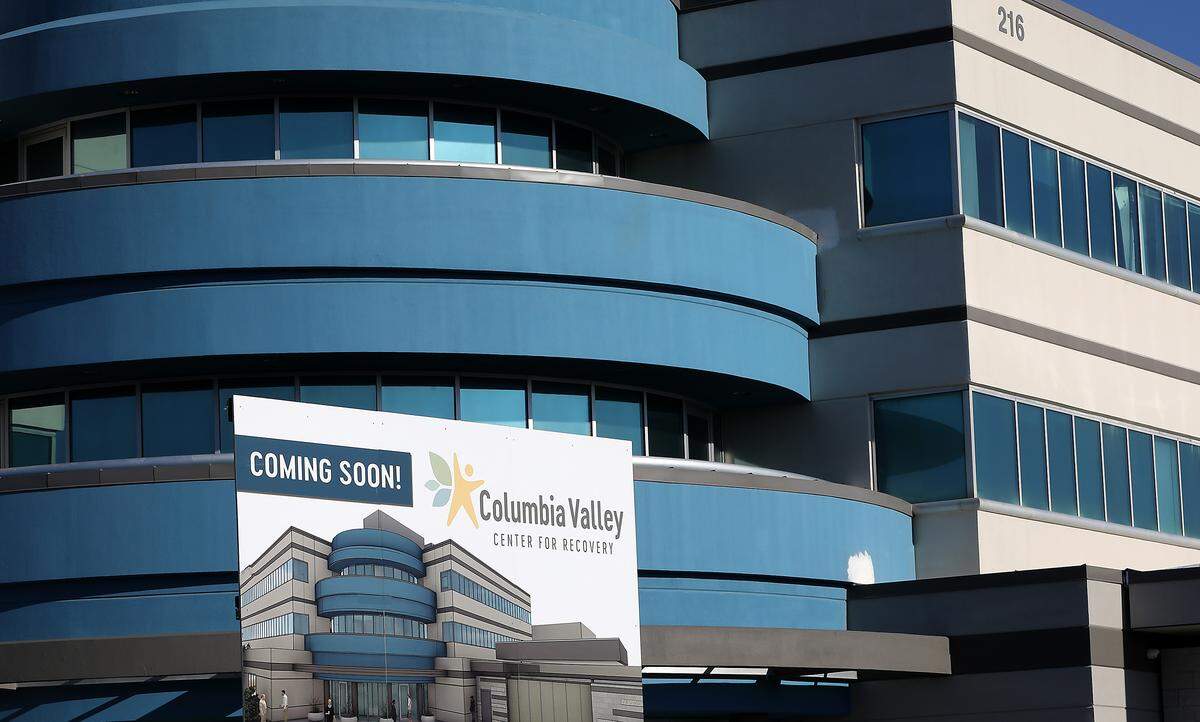
The Columbia Valley Center for Recovery is opening soon, and will take patients struggling with mental health or addiction issues through the first steps to long-term recovery.
What that recovery looks like will be different for each patient, but Comprehensive Healthcare gave the Tri-City Herald a rundown of what the process could entail.
The Tri-Cities’ first public recovery center is designed to be a “no wrong door” treatment center. It’s due to open in May.
That means they will serve anyone with a need, regardless of their insurance status or ability to pay.
This approach is critical for law enforcement intervention. It means people who actually need medical care will not be turned away and just sent to jail. It will allow officers to bring in someone in crisis without having to involve them in the criminal justice system.
Seeking treatment
The first step patients will take is seeking treatment.
They can get to the facility by either walking in or with local police or emergency services.
Comprehensive Healthcare Chief of Staff Taylor Stormo said a big part of their mission is to destigmatize recovery.
Being brought to the center isn’t a punishment, it’s an effort to help someone law enforcement knows would be better served in a clinical setting. Checking in is voluntary.
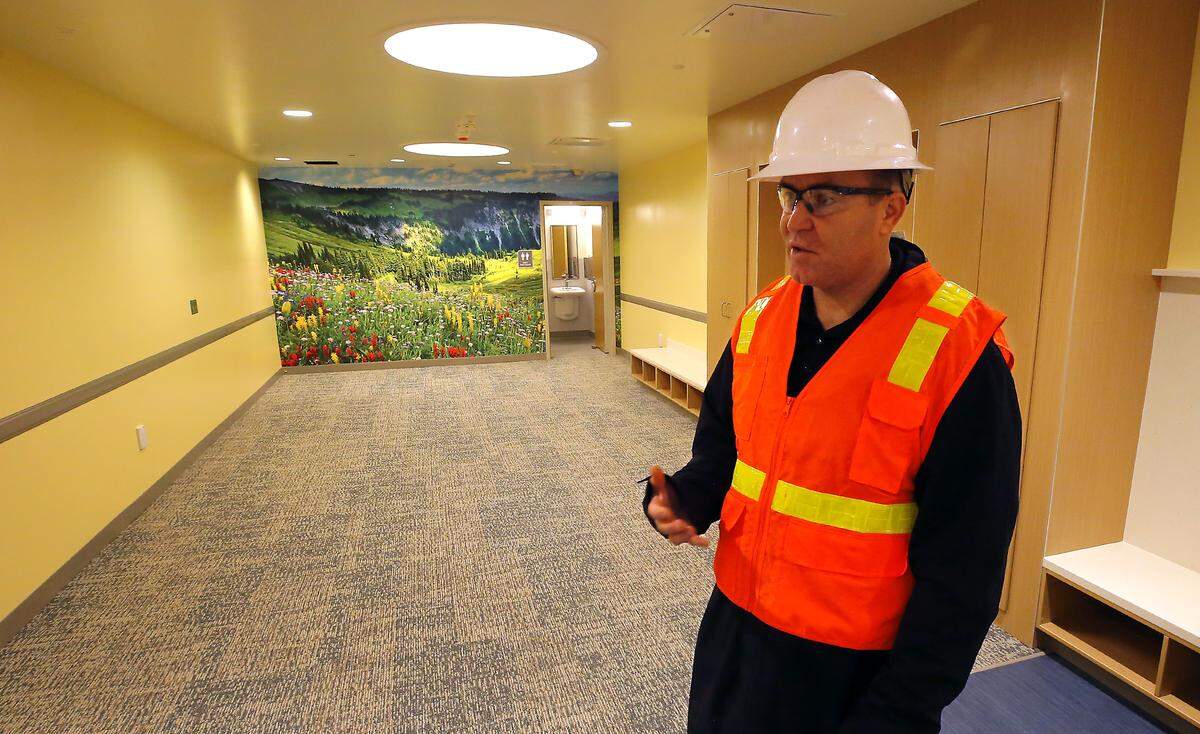
He said it’s important that the center feels like a hospital, not an institution.
Once a patient arrives at the recovery center, staff will take them to a triage area to be assessed.
There will be a public entrance and a dedicated first responder entrance where police or EMTs can bring in patients in a secure manner.
“They’ll come to a centralized, what we’re calling loosely, a triage department, where well-trained and compassionate people will evaluate their needs right, talk them through what their challenges are, do assessments on them and make sure that their needs are being met,” Stormo said.
This is where healthcare professionals will determine which of the facility’s four services are right for a patient.
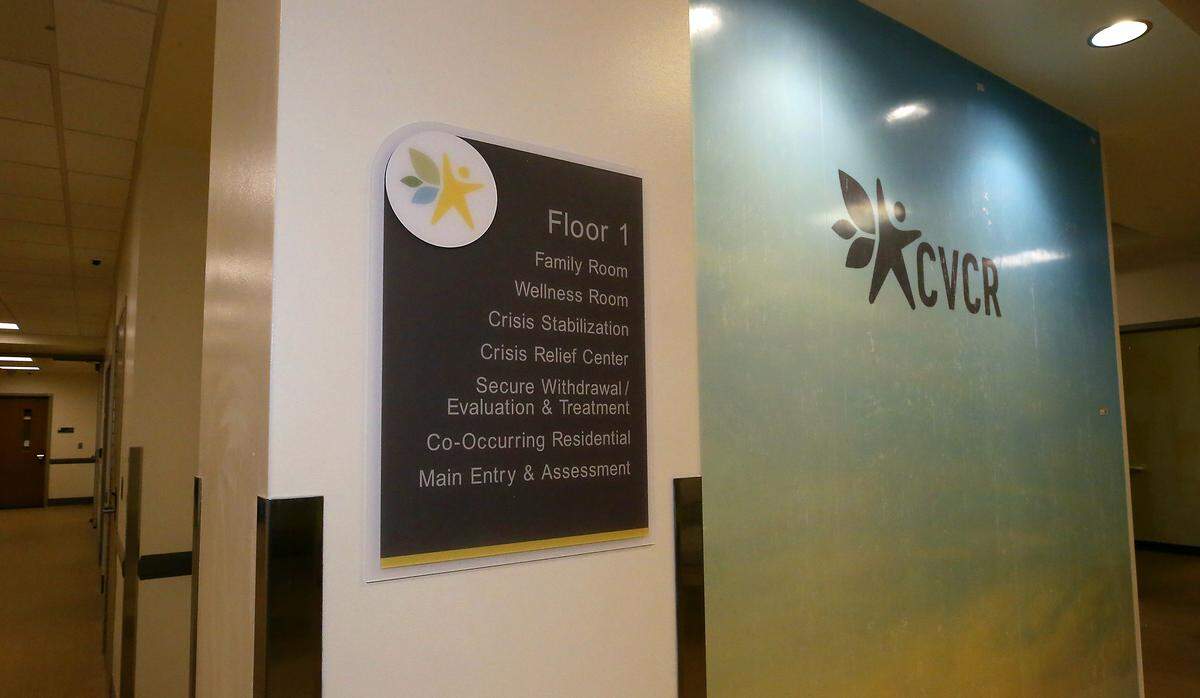
Those services are:
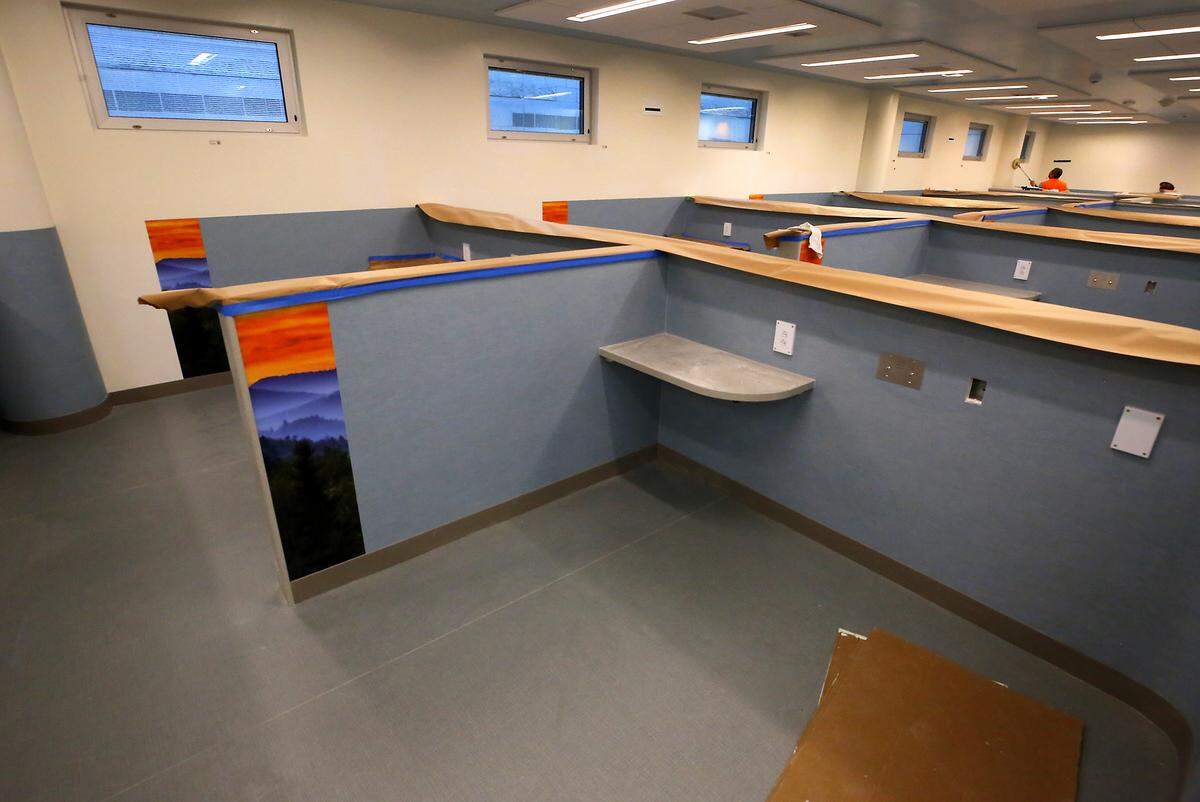
Short-Term/Sobering — A 23-hour observation unit that focuses on stabilization and sobering up. This unit will be structured like a living room setting with pods for recliners. Patients will be assessed here to determine longer care needs.
Crisis Stabilization — This unit is designed for clients whose primary diagnosis is mental illness related. Services will include assessment, diagnosis and treatment for those without the need for longer stays. Typically, they’ll spend five days or fewer here, but longer stays can happen voluntarily or by court order.
Withdrawal Management — This unit will provide secure withdrawal management and stabilization services. Patients will be assessed, stabilized and cared for while detoxing. There will be two levels of detox, one with monitoring and patient administered medication and the other with 24-hour medical care by nurses and doctors.
Co-occuring Residential Substance Use Treatment — This unit will be for longer-term substance use treatment, often for patients who also need some mental health treatment. The length of the stay will depend on ongoing assessments and progress toward treatment goals.
Because the facility is voluntary, it’s important that the patients will be treated with dignity and won’t feel stigmatized for trying to get help.
While a patient may move on from one of the services to another, treatment isn’t necessarily linear.
Someone may come to the facility in need of medical care to get through a mental health crisis or potentially dangerous withdrawal symptoms.
The short-term sobering wing wouldn’t be the right fit for them.
Once the patients are stabilized, staff will determine whether residential treatment is the right step to take next.
During this time, a caseworker will help evaluate their needs so that Comprehensive Healthcare can connect them to services outside the facility.
If they are a candidate for medication assisted treatment, they might be referred to a service provider who can help with the next step in that plan. That type of treatment is often paired with behavioral treatment, such as a 12-step program, group therapy, cognitive behavioral therapy and other treatment options.
Comprehensive Healthcare offers many of the long-term treatment options patients might need. There also are other providers in the community, such as Ideal Option in Kennewick for medication assisted treatment.
If a patient’s primary barrier to care is housing, they would get a referral to a service such as the Benton County Housing Resource Center. They’ll also help with referrals to doctors for physical ailments that are compounding their condition.
“One of the things is not just to address the immediate need, you know, get them out of crisis. That’s just an event, right?” Stormo said. “And so we always try to wrap around some case management and care coordination, because when they leave one of our facilities, they’re going to need some outpatient support.”
“We’ve got to address those needs,” he said. “If they have a housing problem, if they have a primary physical health problem, they’re not going to be able to engage in their behavioral health recovery.”
The goal is not just to get a patient through the crisis they’re facing, but to set them on a path to successful recovery.
How is it paid for?
Because it is a publicly-owned facility, services are available to anyone who is able to come in. There is no geographic restriction, despite being owned by Benton County. The broader name of the facility was decided on because it will serve a larger regional need.
That doesn’t mean Tri-Cities tax dollars will be paying for people out of the area, though.
Comprehensive Healthcare will manage reimbursements, and relatives staying in the area while a loved one is treated will be contributing to the local economy. The facility will be open to the public, meaning anyone can voluntarily seek services. There also will be involuntary treatment through court orders for people in active crisis.
Tiered opening
The residential wing will fully open in May, along with half of the crisis stabilization beds and about half of the recliners used for short term/sobering care.
Then in June they plan to fully open the remainder of the beds and recliners for crisis stabilization and short term/sobering care.
At that point, the plan is to open half of the withdrawal management beds, with the rest opened about a month later.
They hope to have about three-quarters of the staff already in place by the time doors open.
This story was originally published March 23, 2026 at 5:00 AM.