How many live on the streets in Tri-Cities? Volunteers go searching to help
AI-generated summary reviewed by our newsroom.
- Funding cuts and rising rents drive need; state reports nearly 8,000 at risk regionwide.
- Volunteers and agencies conduct the homelessness count to locate truly unsheltered people.
- Count data informs state Commerce reports and supports grant and funding applications.
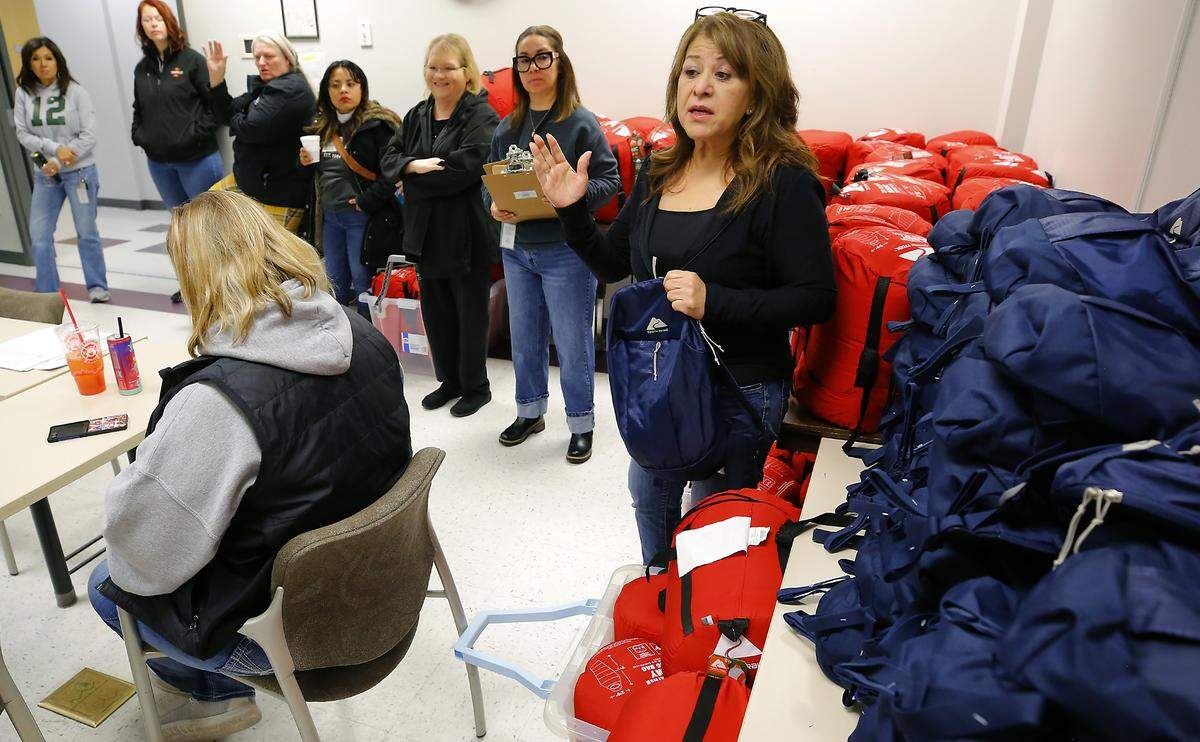
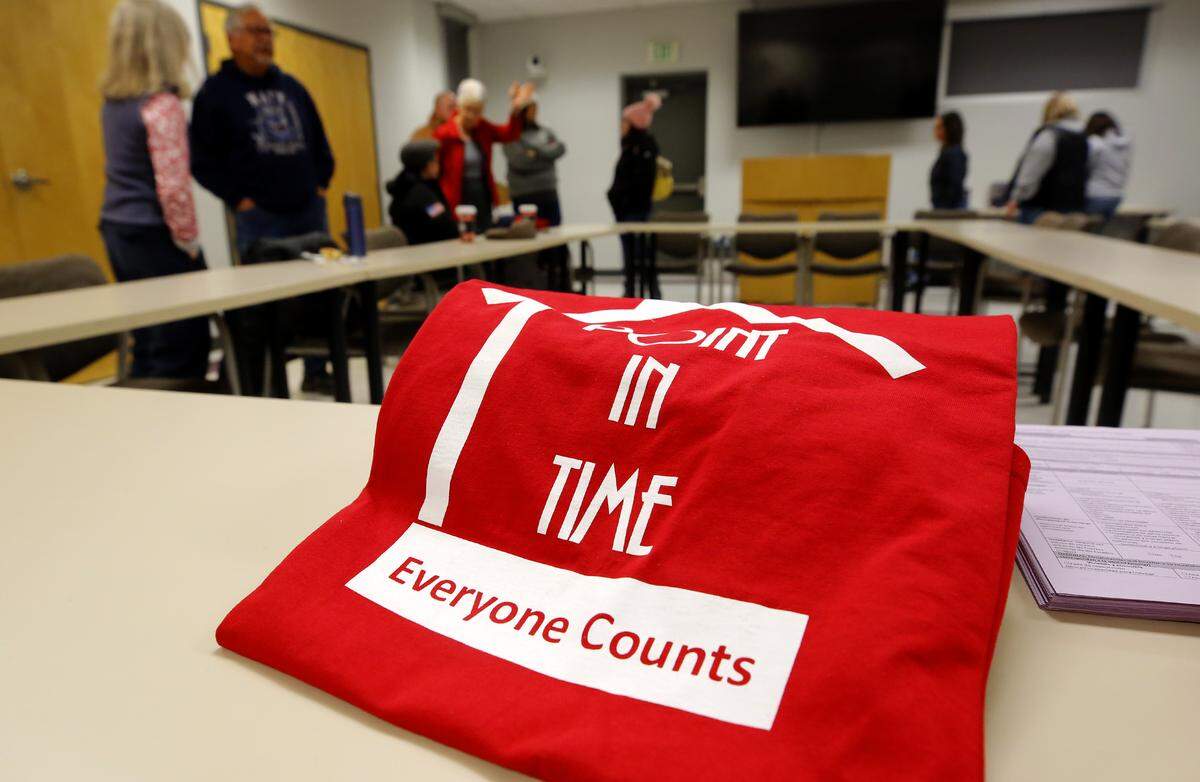
On a recent chilly morning, hours before the sun comes up, a group of dedicated volunteers spreads out across the Tri-Cities, looking to identify the homeless people with the most critical needs.
The annual Point in Time count is not meant to give a full tally of all the unhoused people in the area, just the ones who are truly unsheltered and sleeping out in the elements during the coldest stretch of winter.
Volunteers paired up with Benton County Human Services staff and employees from other community organizations such as the Richland Fire Department, Kadlec Regional Medical Center and Comprehensive Healthcare. The volunteers are typically community members and from church groups.
“The more volunteers we have, the better coverage we can have,” Sullivan said. “We have zones where we know people that are experiencing homelessness congregate to. You know: parks, the libraries, train tracks.”
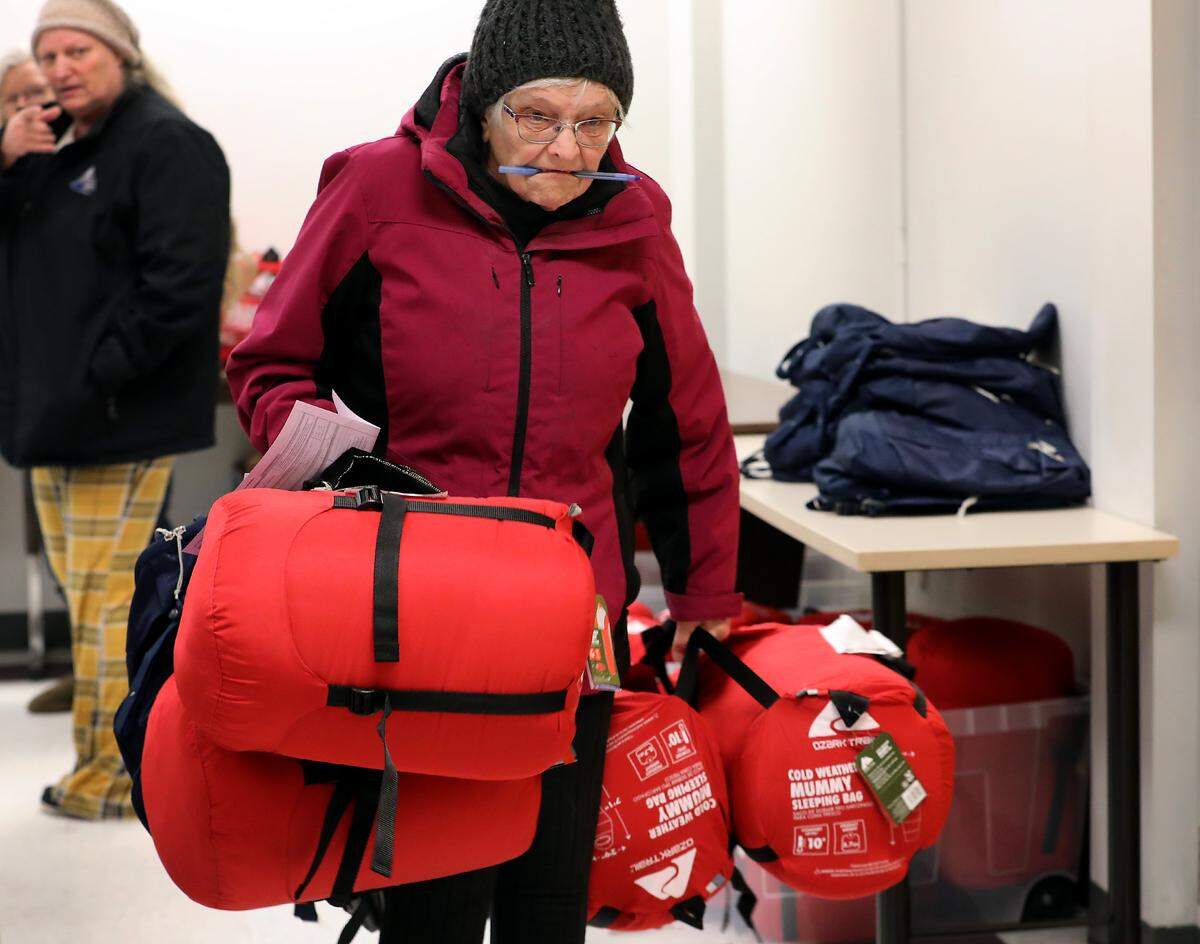
Outreach and support
Many of the unhoused already know community outreach workers, making it easier to offer them resources and see if they have any immediate needs.
The count typically finds 125 to 150 people throughout Benton and Franklin counties. The number can shift some between cities, depending on whether they went to Union Gospel Mission for the night or for breakfast.
The Washington state Department of Commerce releases the count results in late summer.
Benton County Human Services Director Kyle Sullivan stressed to volunteers that even if they cannot offer a hotel voucher, there are resources available and staff can assist them in finding help. He oversees emergency housing programs for both counties.
The department currently has about 90 people using vouchers for hotel rooms. Sullivan said they try to budget for more rooms in the winter months, but they’re still at capacity.
“If you end up with a scenario with a single mom with four kids sleeping in the car, we will find the money,” he told the group before they headed out onto the streets last week.
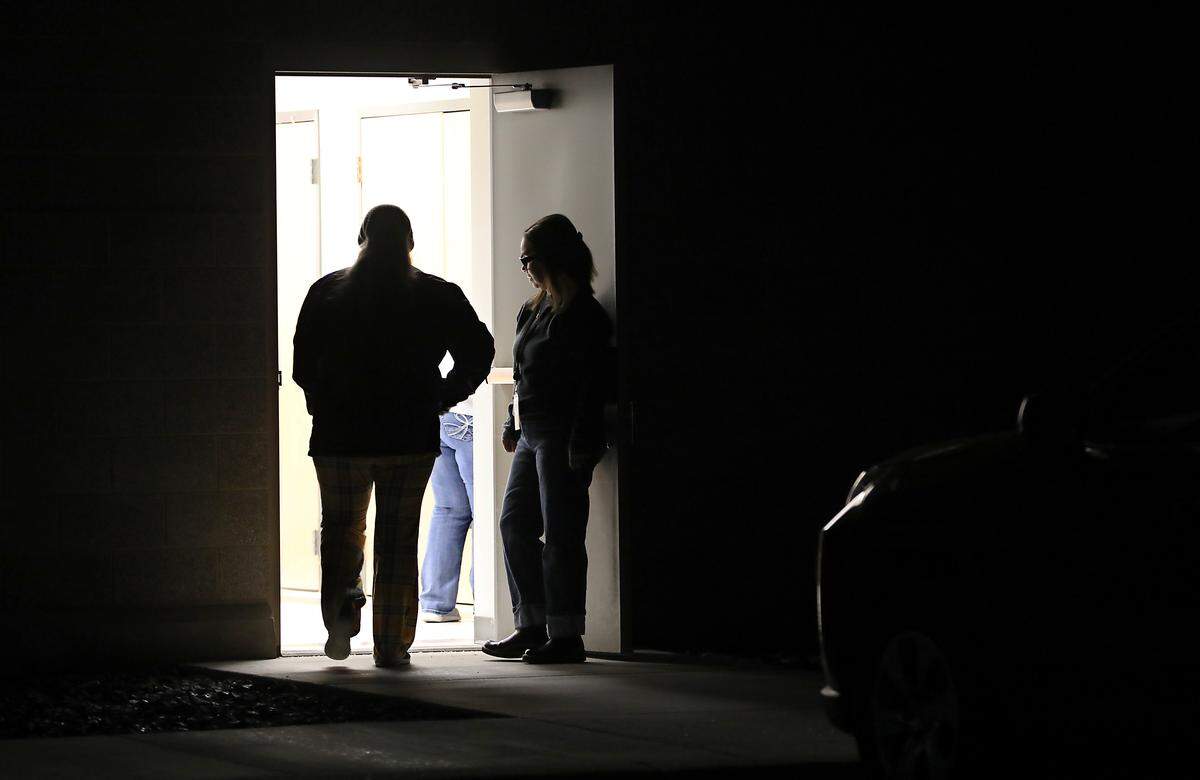
Volunteers spoke to one man in Pasco who identified himself as Smokey. He said he had been clean and sober for six months and was on a waitlist to get into an Oxford House. Those are shared residences for people in recovery.
Another, going by Pichon, told the Tri-City Herald that he had come to Pasco when his mother was sick with cancer.
Kadlec Community Health Worker Maria Perez was a familiar face to both of the men. She reminded them where to find her on weekdays if they needed more help, and urged them to take a new sleeping bag and backpack full of supplies.
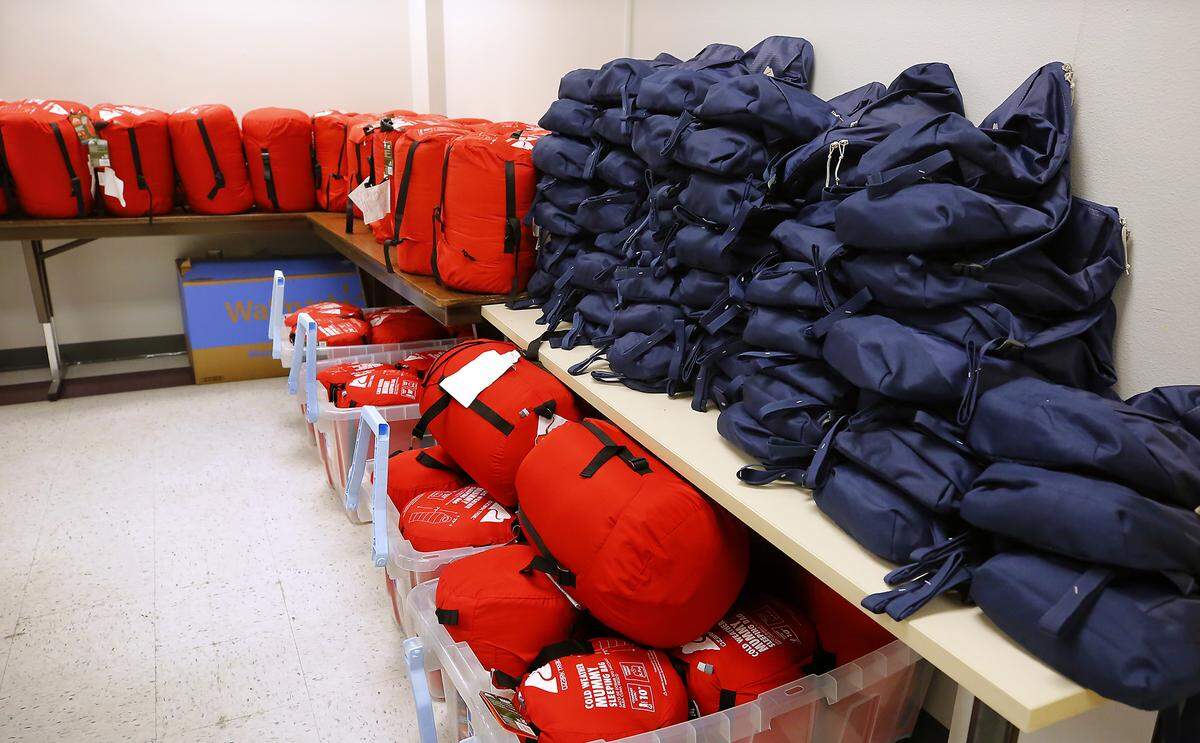
This year, Benton County included beanies with headlamps in the supply bags, after an unhoused person was hit by a car and killed while walking in the Umatilla, Ore., area.
Sullivan said he knows they won’t find everyone, but the count helps identify areas of need and gives an opportunity for volunteers to make contact to offer services and help. It also fills in data for the Department of Commerce on truly unsheltered individuals, which is important for their funding requests.
“Not everyone wants services. We can’t force people, but what I want people to understand is there are a lot of good people, many of them in the room today, that are really out there trying to make a difference, trying to tackle the problems,” he told the Herald.
“They’re not easy problems, but I think they’re solvable, and we’re headed in the right direction.”
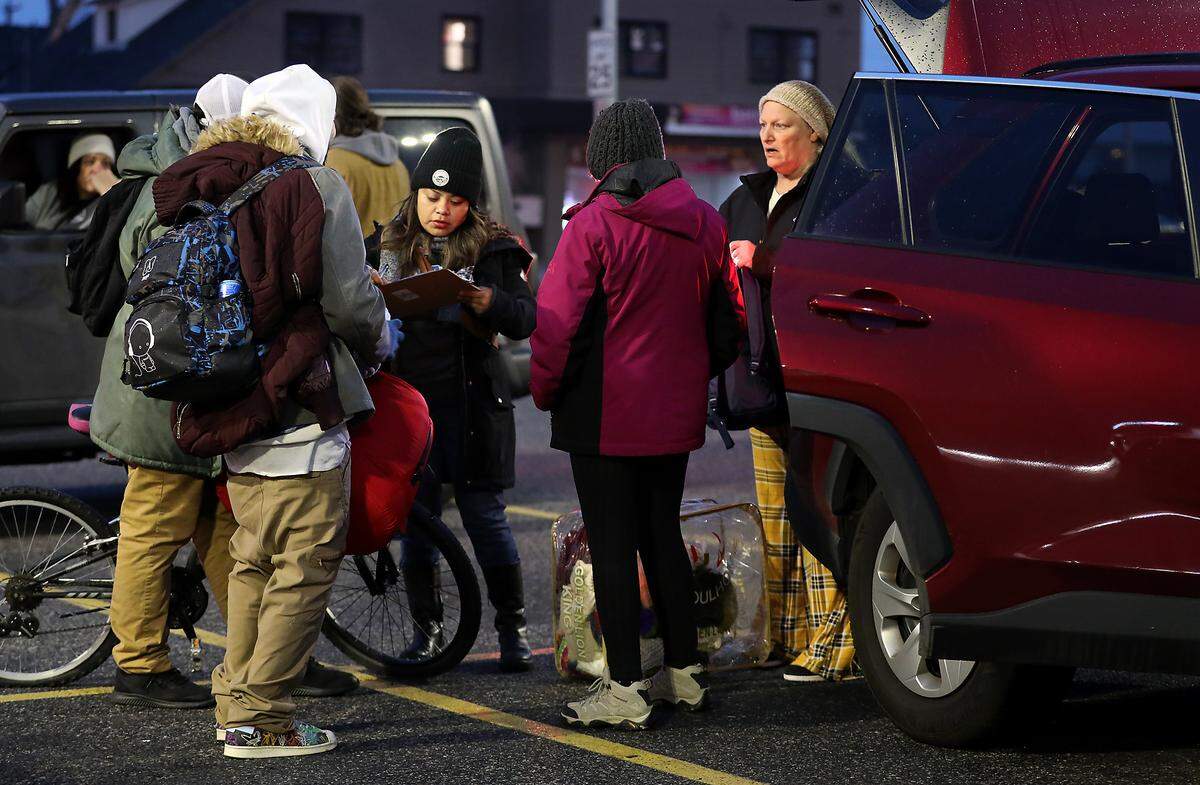
While Tri-City Union Gospel Mission has overflow room and makes exceptions for weather emergencies, not everyone is willing to stay at the shelter or cannot because of an addiction. The mission still works to help in any way they can, and often volunteers to find homeless people on their way to the mission in the morning.
The shelter is nearing its goal for a new, larger women and children’s shelter. That will be located in Kennewick near the Toyota Center.
Sullivan said there is also a need for a “no-barrier” shelter in the Tri-Cities, where people in active addiction or who have barriers to staying at the mission can find respite.
He said it’s been a tough year for nonprofits that help unhoused people in the Tri-Cities area, with many losing grants due to federal cuts. The prior year most organizations took a hit when COVID-related federal funds ran out.
Benton County has funding until July, when a new two-year cycle will be approved. It’s unclear what housing funds will look like after that between federal funding cuts and the counties going separate ways on human services programs.
Franklin County has indicated they don’t plan to participate in consolidated homeless grant services, according to a letter the county send to the Washington Department of Commerce last year. Their agreement with Benton County runs through the end of June.
What’s driving homelessness?
Sullivan said one of the biggest concerns they have is how high rents have climbed since the COVID pandemic, with seniors and residents on fixed incomes being asked to provide landlords with proof of income showing they earn three-times the cost of rent.
The average rent for a 1-bedroom apartment in the Tri-Cities is now over $1,200 a month, according to University of Washington’s most recent Apartment Market Report.
Ronni Batchelor is a crisis services worker for Comprehensive Healthcare based out of the Columbia Valley Center for Recovery.
The region’s first public recovery center for treating people with mental health or drug addiction is set to open in May.
Batchelor agreed that risk is only growing for people on a fixed income.
“I find resources for those that are in crisis, part of that job brings me to (the Housing Resources Center) and other organizations in the community to try and help serve clients in the community we come into contact with who are experiencing homelessness, or are in a situation of losing their housing,” she said. “Any number of things that have happened that put them at risk.”
She said need varies for each person they serve, but despite dwindling funding pools, they work hard to ensure everyone is supported.
“It’s an abundance of needs and fewer resources to serve those needs,” she said.
“Funding is a hit or miss. Rapid rehousing funding has decreased, overall it leaves a deficit that we’re not able to fund for people we’re serving. We are doing a really good job at getting them the supportive services to get them through, but that’s not adequate. We can do some things, but overall the funding needs to increase.”
She said more boots on the ground means they can reach more people. She also encouraged anyone who wants to get involved to reach out to their state lawmakers and advocate for funding.
“Their voices matter, our Tri-City voices matter, and it gets work done,” Batchelor said.
“We have a huge responsibility for those who experience these things because people who are being housed and that are being supported in our community keeps them from being on the streets and keeps our neighborhoods safer.”
How many are homeless in Tri-Cities?
The number of unhoused people volunteers make contact with also may be higher than what is reported to Commerce and released in late summer with statewide results.
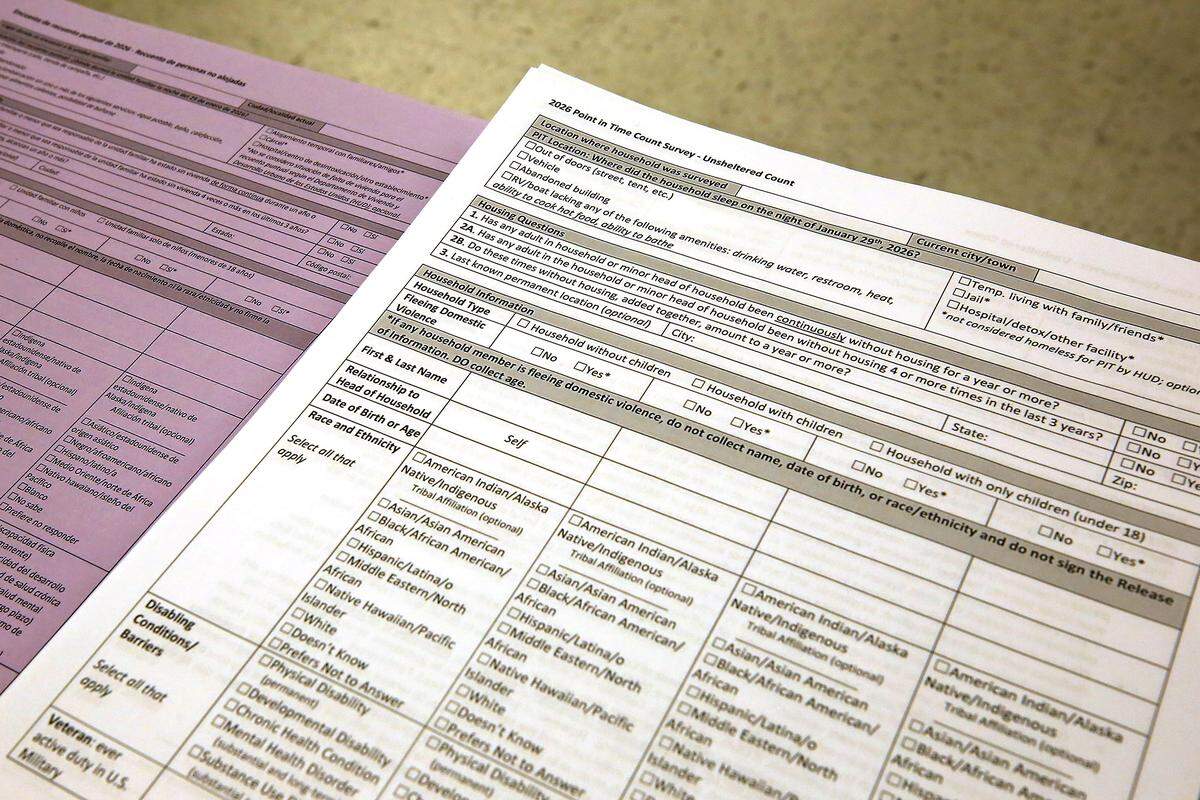
That’s because even if a person fills out the form, Commerce won’t count it unless they agree to sign the paperwork. It’s not always possible to convince people with mental health or addiction issues to do so.
The count is mandated by the Department of Housing and Urban Development for every municipality that receives federal funding. The count doesn’t necessarily determine funding for agencies, but the number is often used in various applications for money.
Commerce also releases a more comprehensive look at homelessness risk in the area, separate from the Point in Time count. That data typically shows a much larger number of people either unhoused or at risk of becoming homeless. It uses data collected from a variety of sources, including SNAP and other social safety program data.
The most recent report, from January 2024 to January 2025, shows the Tri-Cities area has nearly 8,000 people considered at risk of becoming homeless. The state considers nearly 5,000 of them homeless.
Like much of Washington state, the Tri-Cities has seen its rate of homelessness level off. There’s been an increase of just 115 in the past year, but it still isn’t declining.
Unstable housing includes people considered “homeless with housing,” such as those who are couch-surfing, using a general delivery address or the address for a community service office.
They’re also included if they are involved in a homelessness prevention program, the first month of a coordinated entry program after serving prison time or getting services at a day shelter.
The count also includes the homeless population. The definition for “homeless” includes people living in emergency or domestic violence shelters, people in inappropriate living situations such as a house unfit for habitation or a car and people who are truly unsheltered.
This story was originally published February 3, 2026 at 5:00 AM.