County split will be ‘chaos’ for restaurants and public health, say Tri-City officials
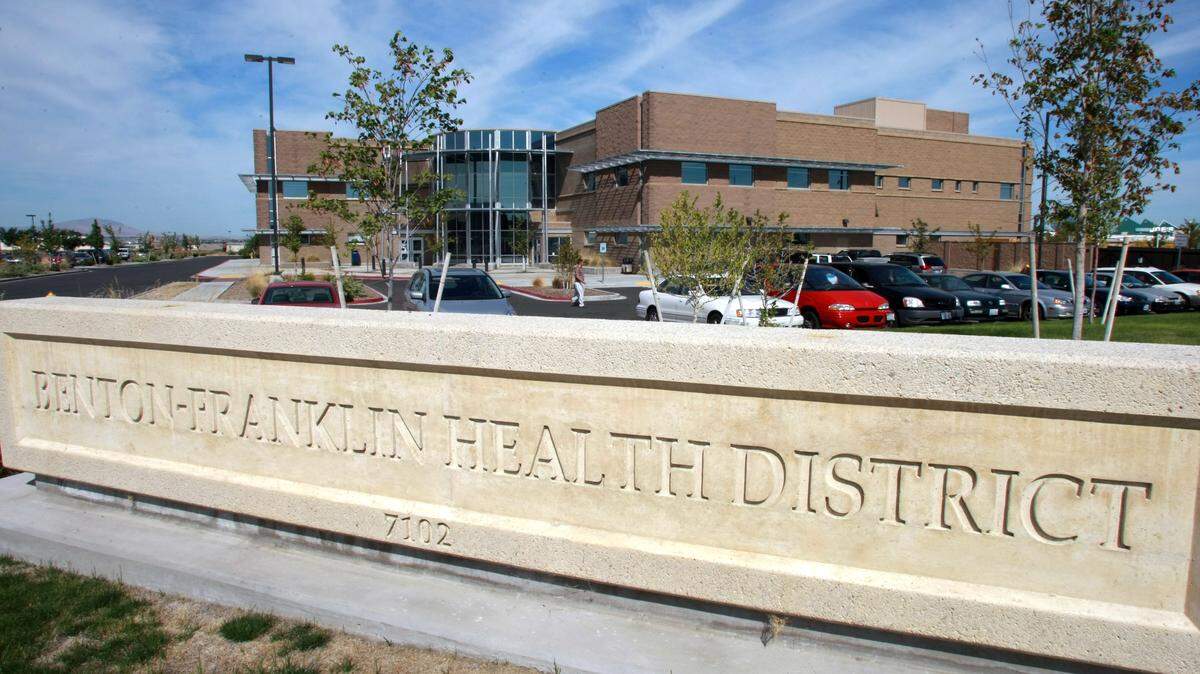
A review of the growing rift between Benton and Franklin counties showed that breaking up key public health services would cost everyone more and could do substantial harm to Pasco residents and businesses.
Leaders from the Benton Franklin Health District, Benton County Human Services and the Columbia Valley Center for Recovery spoke at a Benton County commissioners workshop on Tuesday about the concerns they have over the counties going separate ways with their services.
Benton County Commissioner Michael Alvarez said he has become increasingly concerned with Franklin County leaders making comments about splitting up the 80-year-old bi-county health district.
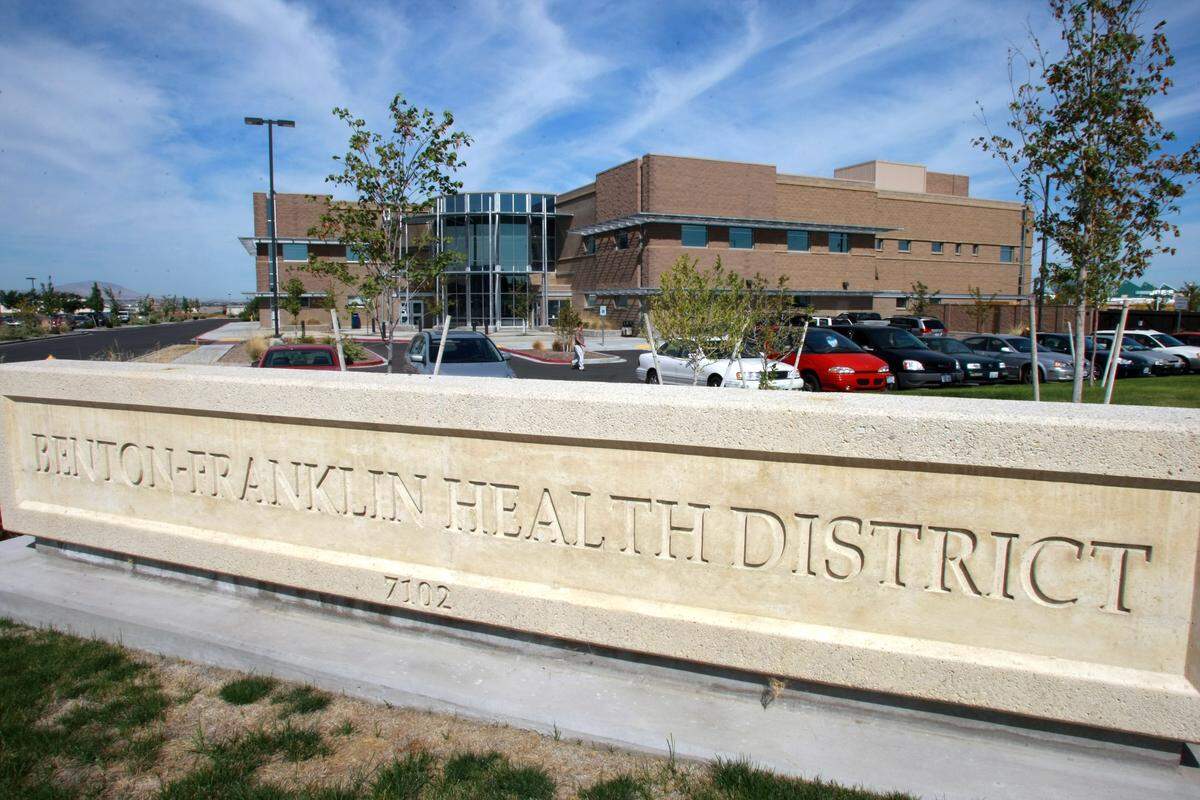
Health district breakup?
Washington state law would require Franklin County to send notice by the end of June, or wait another full year. That would give them six months to set up a new health district.
Commissioner Jerome Delvin worries the move would have a disproportionate impact on programs like Nurse-Family Partnership in Pasco.
“I just don’t know how you stand up a program in six months when something’s been going on for 80 years in a joint county (partnership),” Delvin said. “It would be chaos. I don’t think the businesses would appreciate or the residents, especially in Franklin County.”
Erin Hockaday, who oversees the health district’s food safety programs, said it could be disastrous for businesses.
Washington state law is clear on health department requirements for restaurants. She said it takes years to build a team and train them to do the required health inspections to get businesses open and keep them running safely.
“If the district were to split we don’t really know what would happen to those permits, they likely wouldn’t seamlessly carry forward and many would need to reapply,” Hockaday said. “It would really impact caterers and food trucks who appreciate the benefit of a singe permit.”
While 92% of the food permits in Franklin County are in Pasco, this is a decision the city council does not get a say in when it comes to the potential split.
To date Franklin County has not hosted any public discussions with the Pasco City Council on splitting county contracts that primarily impact city residents. That includes human services and juvenile justice services.
District Administrator Janae Parent said that she’s talked to leaders at other health districts that split apart, and they all regretted it.
On top of that, the counties that spun off all ended up needing to contract for services from their former partners at much greater costs in the three to five years it truly took to separate.
Parent said that the counties also need to be very concerned about the loss of funding. She said high-risk contracts would go back to the state of Washington, and they might not be able to recoup those dollars.
That could be as much as $14 million, or the majority of the health district’s current budget.
It’s also unlikely the counties would get the same funding going forward. The health district costs aren’t split by population, but by the population’s needs. They bring in more money based on their ability to help a larger portion of the population, Parent said.
Right now, Franklin County residents also pay less per person to participate in the larger health district.
Benton County residents pay an average of $3.57 per person each year, while Franklin residents pay an average of $1.89.
Residents in similar-size health districts in the state are paying $4.47 to $11.43 per person.
Infectious disease surveillance and disaster response support would also take a substantial hit, said officials.

Parent said the department had 45 employees helping in the wake of the Lineage Logistics Fire in Finley and 53 in a large avian flu outbreak in Franklin County.
“The split would almost certainly reduce our ability to respond at the same level,” she said. “A smaller district with fewer staff and resources would be far less capable of doing that.”
It would also make Tri-Cities communities increasingly dependent on state and federal help, which is already strained.
Public Health Nurse Heather Hill told commissioners that right now when there is a question about an infectious disease, hospitals and clinics can trust the health district to readily offer the help they need. Their staff has decades of experience and better resources than a single county district can offer.
“The theme of my message is, ‘We’re better together,’” Hill said.
Parent said that while the idea of a health district split has come up before, the reality is they need to become more regional.
She said that their staff doesn’t view Franklin County as a lesser partner. They spend equal time, effort and care ensuring the best outcomes for both counties.
Human services
Commissioners also heard from Human Services Director Kyle Sullivan about the fast-approaching end of the bi-county contract.
Franklin County will not participate in consolidated homeless grant services and has not indicated they are setting up a human services office of their own. That will impact housing, homelessness prevention and developmental disability services.
They have approved hiring a veterans services officer.
Donna Tracy said the Arc of Tri-Cities is no longer receiving funding from Franklin County, which has left them with only half the money needed for things like Special Olympics.
Without an office in Franklin County, organizations supporting developmental disabilities could shutter. They will not have the funding needed to continue helping adults with disabilities transition to the workforce or parents of young children with disabilities.
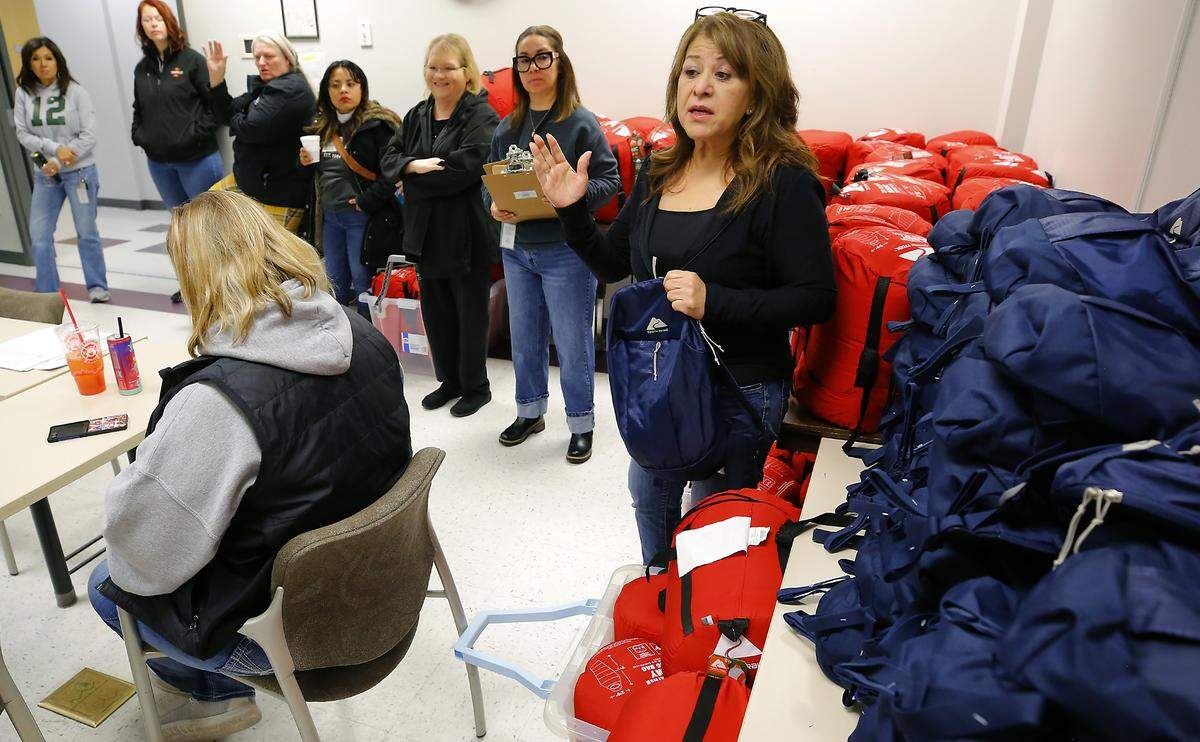
Job placement for adults with disabilities would also be jeopardized. She asked the commissioners to find a way to continue helping until Franklin County can get an office set up.
“It will be critical, I mean a huge loss,” Tracy said. “I can’t imagine having a child born in Franklin County and not having (the Birth to Three program) right there helping you.”
Sullivan said that the Washington state Department of Commerce has expressed concern, as recently as last week, that Franklin County had not yet started the process to set up a human services office.
He said that the most likely scenario is that the Department of Commerce will ask Benton County to help with the continuity of services. If Franklin County does not set up an office, it is likely the state will ask Benton to keep running the programs.

Unlike the other departments impacted by the split, Human Services is wholly grant funded so it will not impact the county’s general budget.
Sullivan believes the same situation could play out with homeless and housing services. That funding expires in July 2027, and as of now Benton County will continue to be expected to administer it for both counties until then.
It’s unclear how long that could take, or if Franklin County residents would continue receiving the same level of services.
Sullivan said they’re already seeing less local funding because fees once earmarked for human services in Franklin County are now just going into the state’s coffers.
Alvarez said that ultimately, housing is a matter of public health and safety. If people can’t get help in Franklin County, they’ll come to Benton.
“Human services is a very complex organization with a lot of moving parts,” he said. “It impacts public health and quality of life for everyone, I’m hoping we are going to be able to do what we can do as Benton County. We’re going to be cautionary to ensure we have the funding to do that.”
Recovery center
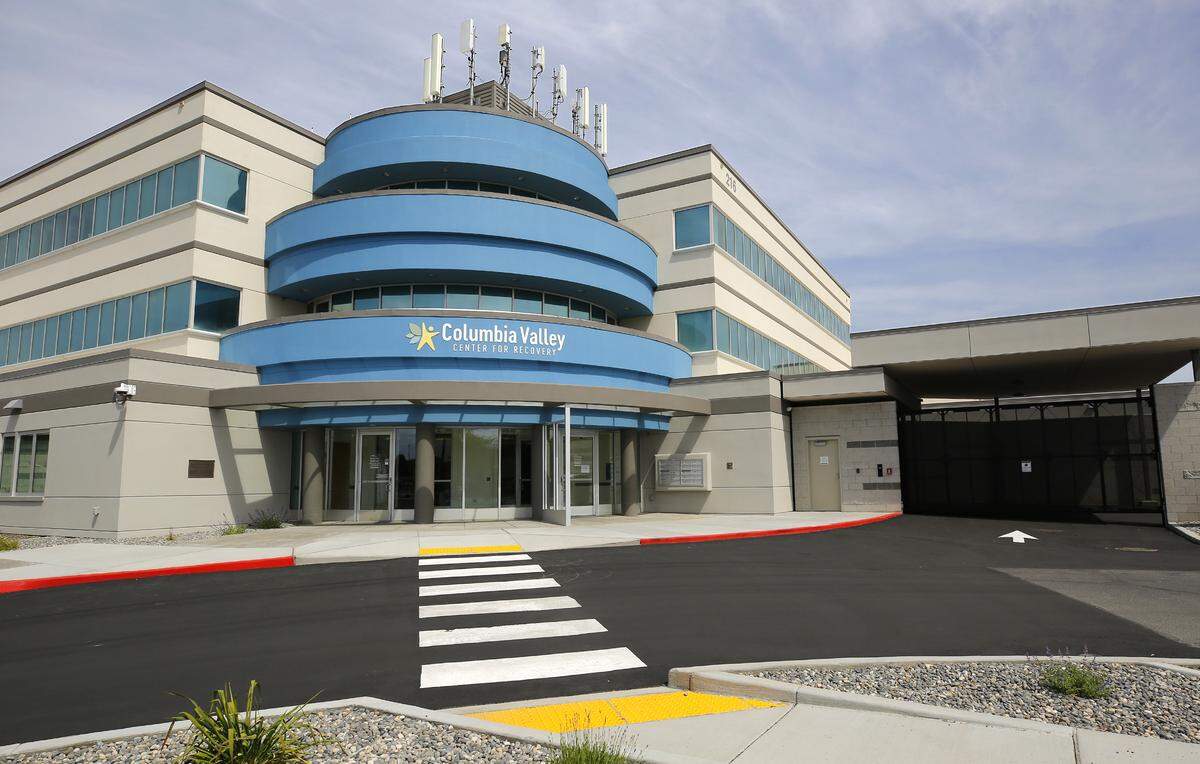
Commissioners also heard from recovery center leaders on the status of getting the facility up and running.
They believe a snag with state licensing, related to the old Kennewick General Hospital’s address changing, caused the delay in receiving a license to open the center, and hope it will be resolved within a week.
In the meantime, Benton County is footing the bill for Comprehensive Healthcare’s staff while they train and prepare for patients. It’s a cost the county agreed to take on as owner of the facility.
Alvarez said he is still hopeful Franklin County will come around and sign a third party contract with Comprehensive Healthcare to ensure uninsured Franklin County residents get the mental health and addiction treatment they need. It would also allow first responders to take advantage of a 10-minute drop off agreement.
The commissioners all stressed that they still want Franklin as a partner, but a direct contract with Comprehensive Healthcare means each county is in full control of their own costs.
Franklin County Commissioner Stephen Bauman indicated at their meeting last week he was satisfied with information provided about the facility and ready to vote to approve the second half of their $5.4 million “betterments” payment, but his fellow commissioners wanted to hold off until they could talk to recovery center leaders.
They’re expected to get a presentation Wednesday morning.
This story was originally published May 12, 2026 at 7:24 PM.