Ballots go out to voters to fund Tri-Cities school sports, teachers, security
AI-generated summary reviewed by our newsroom.
- Ballots mailed to Richland, Pasco, Kennewick voters to renew levies for 2027-2030.
- Measures would replace existing levy revenue and fund education, safety, athletics.
- Voters decide Feb. 10. Passage needs simple majority and would benefit 51,000 students.
Ballots were mailed out this week to Tri-City voters who will decide the future of funding in Pasco, Kennewick and Richland schools.
The districts are asking Feb. 10 special election voters to renew a combined $568 million to be gathered between 2027 and 2030.
None of the five measures on voters’ ballots are new taxes. They would replace existing revenue that was approved by voters in 2022 and 2023.
These funds would collectively benefit nearly 51,000 students in the region with basic education, athletics, security, technology upgrades and other necessities.
“We’re asking our voters to renew their commitment to students, to ensure that we can meet our students needs so that they can graduate and be successful in post-secondary education, work and life,” said Kennewick Superintendent Lance Hansen.
Levies supplement per-pupil education money that districts receive from the state, and help bridge the gap between what the state and federal government pay and what is actually needed to provide students a holistic education.
These require a simple majority — more than 50% voter approval — in order to pass.
Voters will approve or deny the total amount, not the tax rate.
The listed rate is a calculation based on forecasted changes in assessed values, and “actual” taxes will likely to be lower. Districts do not collect more money if assessed values are higher than expected.
In addition to the local revenue, Washington state will also contribute millions to Tri-City schools through the Local Effort Assistance match program.
Nearly half of Washington state’s 295 school districts have some form of levy or measure on the ballot for the Feb. 10 special election.
The elections will be high stakes since many of these schools have been battered by inflation and have become more reliant on local funding in recent years.
Pasco and Richland school districts averted budget catastrophes last year through various money maneuvers and program cuts that right-sized spending. Administrators warn, though, they’re not out of the woods yet.
More than 160,000 Tri-City voters will receive ballots. Those must be filled out, returned to a mailbox and postmarked by election day in order to count.
Alternatively, voters can use one of the 17 secure drop boxes throughout Benton and Franklin counties.
Kennewick schools
Kennewick School District is asking for a four-year $128 million education programs and operations levy, and a four-year $42 million safety, security and technology levy.
Voters here dealt their school district a double levy failure in 2022, and it was forced to go without local money the following year.
School districts by law only have two shots in a calendar year to pass a levy. If they fail to do so, then schools go without local funding.
Still, Kennewick’s finances have remained in solid shape. It weathered the $34 million gap with one-time COVID dollars and general fund savings.
Kennewick serves about 18,700 students across 32 elementary, middle school, high school, preschool and choice schools.
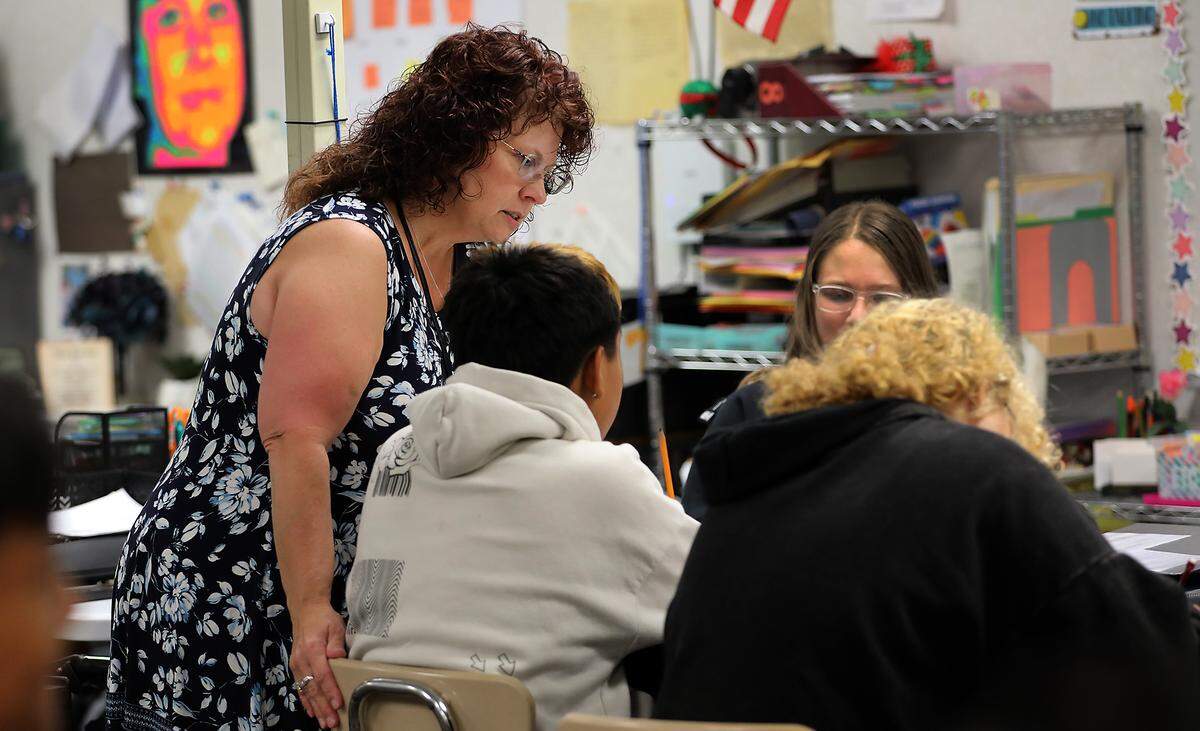
Its operations levy pays for programs for student learning and staff, operations and maintenance, security and officer programs, nurses, transportation operations, instructional supports, sports and extracurricular activities.
With matching funds from the state, these dollars combined account for about 13% of the Kennewick School District’s budget.
It would collect about $1.71 on every $1,000 of assessed property value starting in 2027, then rise to $1.74 by 2030. On a home valued at $400,000, the cost would be about $684 next year.
Kennewick’s replacement safety, security and technology levy will be used to pay for campus safety and security improvements, install instructional technology, replace and upgrade computers and software, and provide training.
It will collect about 50 cents on every $1,000 of assessed value, and rise to a rate of about 61 cents. On a home valued at $400,000, the cost next year would be about $200.
If passed, both these measures are expected to keep tax rates steady over the next four years even.
The combined 2027 rate would hover at about $2.21 per every $1,000, or $884 on a $400,000 home. That does not include existing debt taxpayers are paying on capital project bonds.
Pasco schools
Pasco School District is asking voters to pass a four-year $153 million education programs and operations levy.
Joseph Castilleja, the district’s executive director of Fiscal Services, says the funds will maintain the high-quality programs, services and staffing that the community has come to rely on.
“It represents roughly 10% of our operating budget and allows us to maximize millions of dollars in state Local Effort Assistance funding — money that would otherwise go to other districts,” he said.
The district received about $14 million last school year in state matching dollars for having an active levy.
The district also had a banner 2025, with its superintendent and a Pasco High School bilingual math teacher taking home best-in-state recognitions.
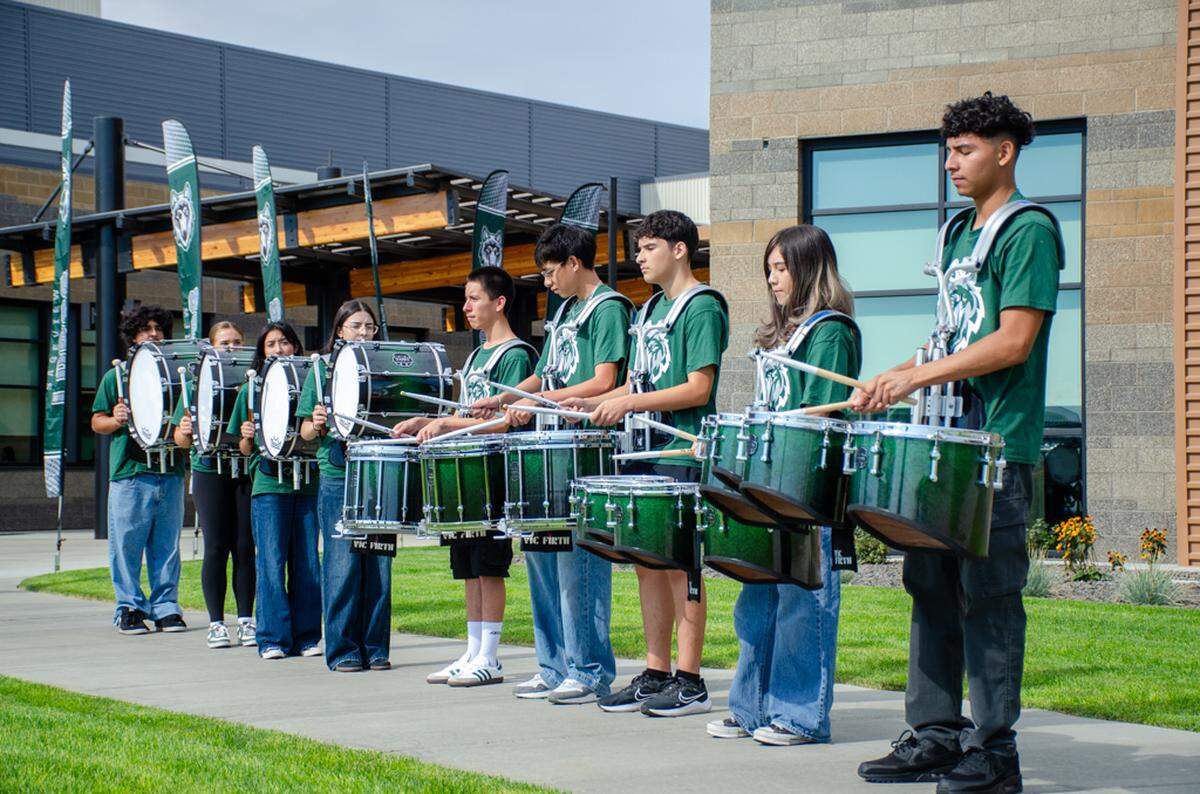
The district serves about 18,300 students across more than 30 schools.
Its operations levy would pay for educational opportunities, technology, curriculum, athletics, extracurricular activities, music and the arts, counselors, nurses, transportation and student safety.
It’s expected to collect about $2.17 on every $1,000 of assessed value. On a home valued at $400,000, the cost next year would be about $868.
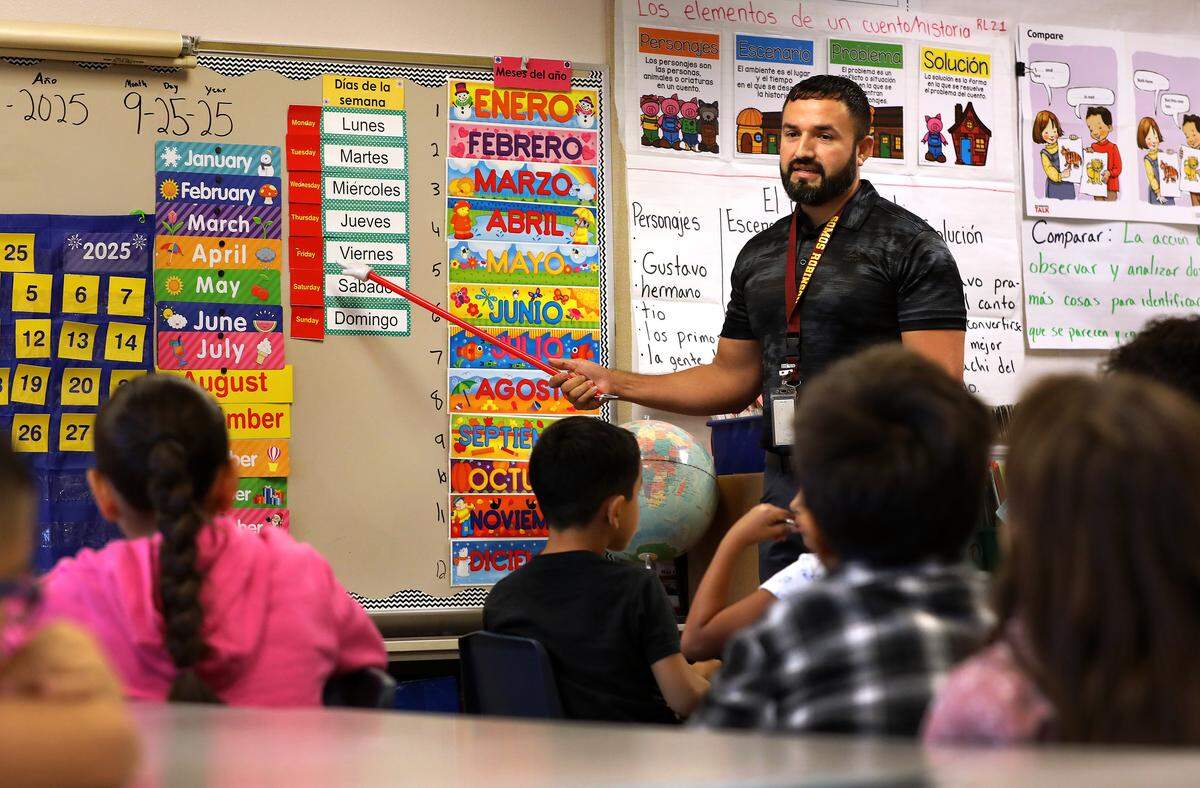
Richland
Richland School District is asking voters for a four-year $203 million education programs and operations levy, and a four-year $40 million technology improvement levy.
Local levy funding makes up about 14% of the district’s annual budget.
“Over the past four years, Richland School District has experienced significant change, from navigating the impacts of the pandemic and rising costs to responding to growing student needs and evolving expectations for schools,” said Superintendent Shelley Redinger.
“During this time, our community’s support has allowed us to sustain essential programs, maintain safe and welcoming schools, and continue investing in opportunities that support students academically, socially, and emotionally. The levy renewal helps ensure we can continue meeting those needs while maintaining the high quality of education our community expects,” she continued.

School board members and administrators have been explicit about what they’ll have to cut if voters decline local funding.
They’ll have to eliminate about $30 million annually that directly impacts students. That includes about 150 teachers, administrators and classified positions, as well as 160 paraeducators, office staff and classified positions.
The district serves about 13,800 students in 21 schools.
The operations levy would pay for smaller class sizes, teaching and support staff, safety resources, instructional materials, extracurricular activities and athletics, and building maintenance and operations.
Richland would collect $2.50 on every $1,000 of assessed property value, the highest amount allowable by law. For a home valued at $400,000, that’s about $1,000.
The request is large because it is more dependent on local taxes. It receives less state and federal revenue than its Tri-Cities neighbors.
Richland’s technology improvement levy would pay for online curricula and instructional tools, Chromebook replacements, classroom technology, online attendance and student progress monitoring, security systems and internet access
It would collect about 50 cents on every $1,000. That’s $200 annually on a $400,000 home.
Both measures would collect at a rate of $3. Together with its 2017 bond measure and 2023 security levy, the 2027 rate would be about $4.43.
Ballot deadlines
Ballots can also be returned in-person at the Franklin County Auditor’s Office or the Benton County Elections Center.
The deadline for online voter registration or to change your registration is Monday, Feb. 2. That can be done at vote.wa.gov.
After that, voters have until 8 p.m. on election day to visit their local county elections center to register or makes changes. Ballot drop boxes close at the same time.
Tax relief may be available for seniors, disabled homeowners and those on limited incomes
This story was originally published January 25, 2026 at 6:15 AM.