Which Tri-Cities schools are the healthiest financially? WA report shows the strugglers
A majority of the Mid-Columbia’s eight school districts fall below the Washington state average for being in healthy financial shape.
The ranking by the Office of Superintendent of Public Instruction shows Prosser and Richland as the “unhealthiest” of the Tri-Cities area districts, while Columbia-Burbank and Kennewick scored the best.
Pasco, one of the largest Tri-Cities districts, also fell below the state average for financial health.
But even districts with the healthiest reserves aren’t necessarily feeling “safe” from the economic and political downturn that’s plagued many in the years since the COVID pandemic.
Todd Hilberg, Columbia School District superintendent, believes financial hardship will touch each district — to varying degrees — because revenues sent from the state to districts don’t match actual costs.
“We’re all going to be in trouble before not too long because of the cost of doing business,” he told the Tri-City Herald.
It’s nearing peak season for school budget writers, who have begun aligning spending and revenues for the 2025-26 school year.
Some school districts are scrambling this year after voters rejected local levy measures.
Most others are waiting anxiously to see how funding changes adopted by the Washington Legislature will affect their schools. The session just ended Sunday.
Two of the Tri-Cities largest school districts — Richland and Pasco — have had to abruptly change spending plans during the 2024-25 school year, despite making modest reductions a year ago in preparation for this budget cycle.
It’s a trend that might continue.
Coming out of the COVID pandemic, many of Washington state’s 295 public school districts have struggled to operate because costs associated with salaries, materials, insurance, transportation, special education and operations have skyrocketed.
Revenue increases through the state’s basic education apportionment and other programs simply have not kept up, school administrators have said.
Also, districts in recent years have struggled more often with passing local levy funding, a source that plays an important roll in funding the difference between what the state gives districts and what schools need.
But districts will have until later this summer to approve their budgets for the upcoming school year.
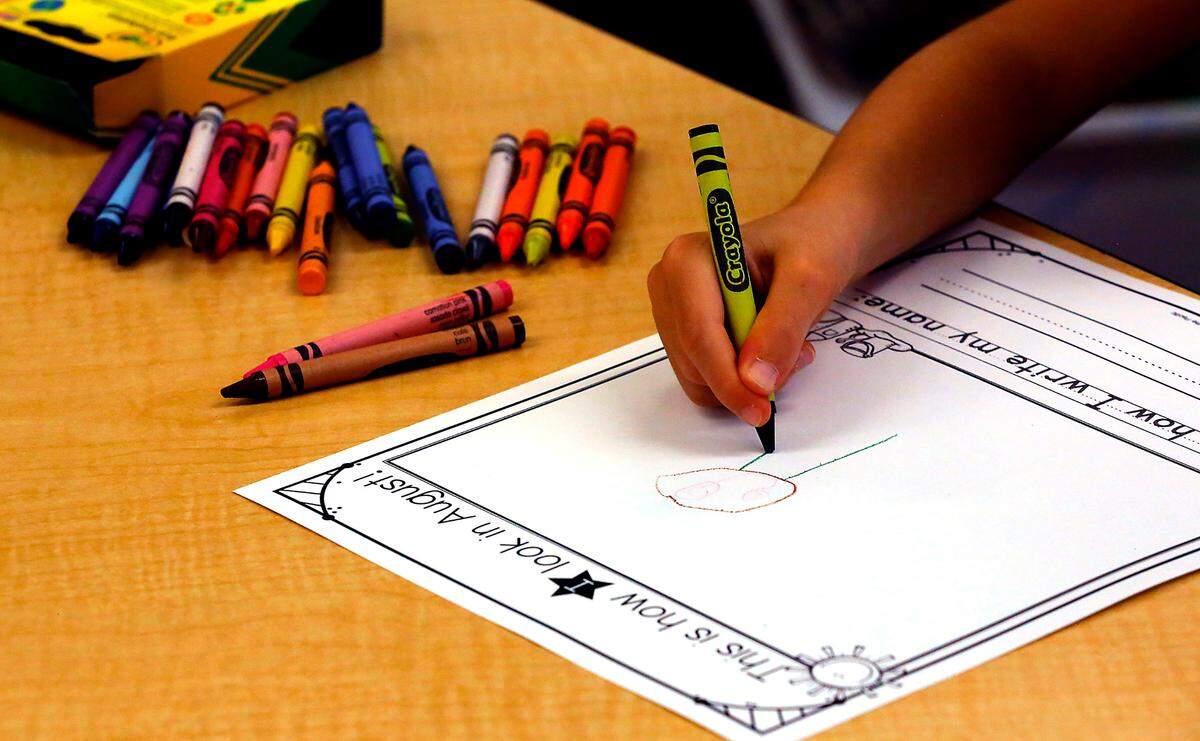
The ‘healthiest’ Tri-City school budget
OSPI’s financial health indicators model is one tool that the public can use to get a snapshot view of a school district’s overall financial health at the end of a fiscal year.
It starts by calculating a value for several variables, including a district’s fund balance to revenue ratio, spending to revenues, the number of days of cash on hand and its four-year budget plan summary.
Those values are then weighted and added together to arrive at the financial indicator score for that year. That number can be reflective of current or past financial struggles.
Despite successes, nearly all Tri-City school districts have had to cut back on staffing in post-COVID years due either to a reduction in stimulus money, or to adjust for plateauing enrollment.
Here are the scores for Mid-Columbia school districts for the 2023-24 fiscal year. They’re listed on a scale, from 0-4, with 4 the “healthiest:”
- Kennewick: 3.7
- Columbia-Burbank: 3.7
- North Franklin: 3.3
- Washington Average: 3.07
- Pasco: 2.65
- Finley: 2.4
- Kiona-Benton City: 2.25
- Prosser: 1.9
- Richland: 1.85
Challenges and successes
Richland School Board member Rick Jansons has attributed part of their district’s budget crisis to a lack of public oversight.
Its woes were built up over several years, but Richland has consistently overspent revenues. The report shows it has had fewer than 20 days of cash on hand at the end of each school year going back to 2019.
In January, Richland school officials needed to request an emergency $13.5 million advance on state money it receives for enrollment to help cover the district’s bills. At the time, the school board had just approved a $3 million plan to cut expenses this school year.
The district has been squeezed by falling revenues, including $10 million in annual funding that was cut from the levy equalization match it receives from the state.
Student enrollment fell dramatically during the pandemic. And while Kennewick and Pasco cut staffing in response, Richland continued to add workers even when it was receiving fewer dollars for per-student apportionment.
Cuts for Richland have been numerous, and include reductions to basic education paraeducators, athletics transportation, K-8 school supplies, and cuts to salaries and vacant positions.
Five full-time nurses and six administrative assistants have been laid off for next school year. Richland is also eliminating librarians if they can’t be moved into open teaching positions and then reorganizing health and secondary school library operations around remaining employees — a plan expected to save the district about $1.2 million.
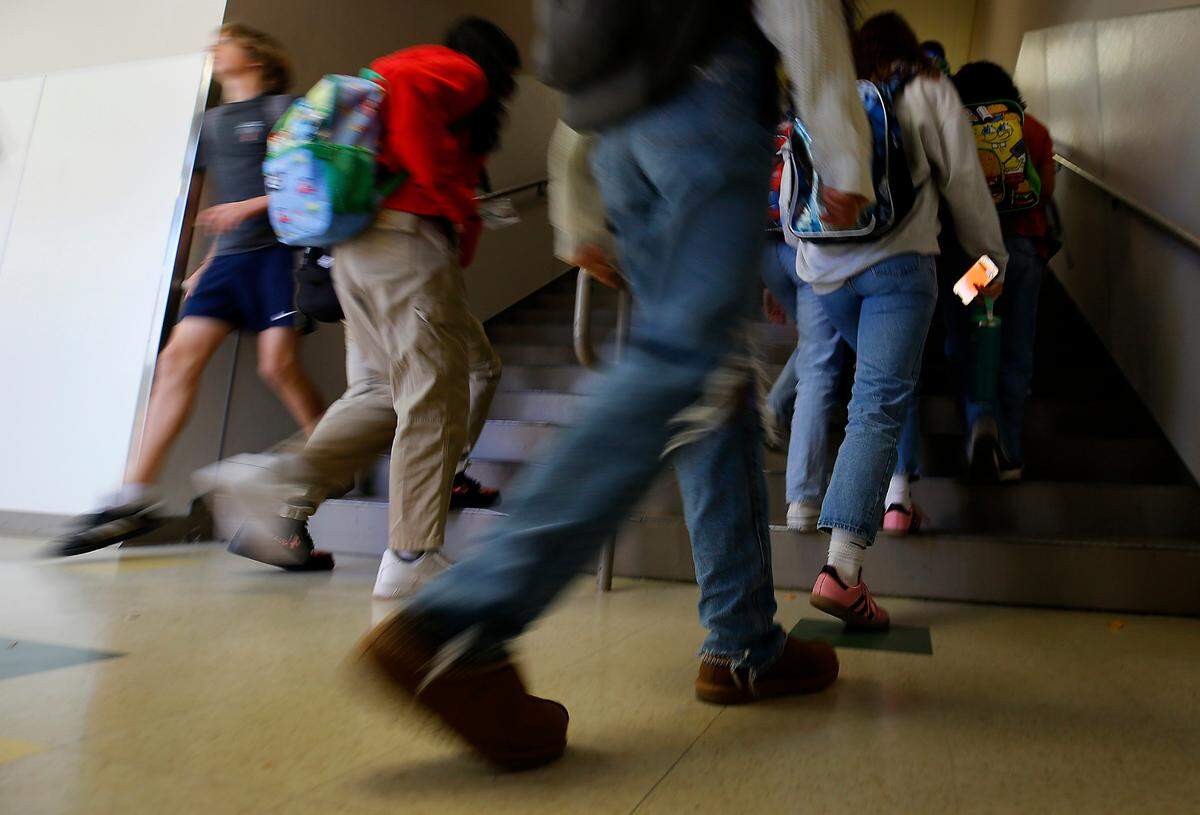
Kennewick reduced 28 teaching and staff positions through retirements and resignations for the 2024-25
Superintendent Traci Pierce told the Herald that Kennewick takes a “fiscally conservative” approach to budgeting.
“We have processes for careful ongoing monitoring of enrollment and staffing levels, and we ‘right size’ staffing annually to ensure that staffing levels are in alignment with revenues,” she said in a statement.
“We carefully prioritize and monitor expenditures, and I am in constant communication and collaboration with the business office regarding our budget,” Pierce said.
The report shows Kennewick has kept about 50 days cash on hand. While it’s faced major challenges, including a historic double levy failure before voters approved one in 2023, the district has been able to consistently build off of a healthy fund balance.
But smaller districts are not immune.
Finley plans to cut about $1 million next year and go to a four-day school week to correct its budget.
Voters staved off deep budget cuts to athletics and classroom teachers on April 22 when it passed a reduced two-year, $3.45 million levy measure. Still, about 15 teachers and staff are on the chopping block for fall.
In Burbank, Hilberg said while his district is in a “better spot” financially than most Washington districts, they’ve still struggled with increased costs to operations and employee benefits. Insurance rates have doubled in recent years, and they’re no outlier.
Columbia has kept more than 40 days of cash on hand and built up healthy reserves in recent years, per the indicator model.
Still, if revenues remain stagnant, class sizes in Columbia and other districts will get larger and districts will need to get more creative with cuts.
Prosser’s general fund balance, meanwhile, has been cut in half since the COVID pandemic
Just this week, the school district and its unions agreed to cut training and other changes to save six teacher jobs while trying to shave $2.3 million from the upcoming school year budget.
Some cuts to vacant positions and student programs may still be on the table as the district begins to align its revenues and spending.
Its expenditures have regularly eclipsed revenues since the 2021-22 school year, and by the end of the 2023-24 it had just 9 days of cash on hand.
Superintendent Kim Casey says they’re facing two big hurdles: Large increases in materials and supplies, and declining enrollment.
They’ll graduate about 255 high school seniors, but just 170 kindergartners will replace them. Unfunded mandates have also squeezed the district.
“We’re rightsizing the district for the number of students we have, in the right places,” she said.
Most departments next year will likely see cutbacks, Casey said, but OSPI’s model doesn’t tell the whole story.
“While all school districts in the state of Washington have very similar struggles, you’d have to delve into each district to know their individual (circumstances),” she said.
This story was originally published May 2, 2025 at 5:00 AM.