‘Perfect storm’ thrashed Richland school’s budget. But are more cuts looming next year?
Richland school officials will slash $3 million in spending — including eliminating 38 paraeducator positions — from this year’s budget under a plan OK’d last week by the school board.
But officials say that’s likely not the end of the cost cutting as they face more financial unknowns — including what fixes the Washington Legislature may make to public education funding when it reconvenes in January.
Richland Superintendent Shelley Redinger told the board she plans to draft a salary analysis of similar size school districts and re-examine the district office’s organizational chart, looking for more ways to save.
She expects to share that information at the Dec. 10 board meeting.
“I’ve always liked a lean district office,” she told the school board and public last week.
The Richland district, which has nearly 14,000 students and 1,500 employees and operates on an annual general budget of about $235 million, may also apply some of the same strategies it used during the Great Recession.
School Board President Rick Jansons suggested that the district organize town halls at local schools to gather feedback on what programs parents and teachers deem essential.
“As we look ahead to the next budget cycle, we will continue to work closely with our community partners to develop a plan that ensures for the schools’ stability while prioritizing the needs of our students,” said Jansons, who’s served on the board since 2001.
“Further cuts will be necessary to balance the budget and we will approach these decisions with transparency, care and collaboration over the next months as we go through our open budgeting process for next year,” he added.
Those cuts for the 2025-26 school year would come to light in March, when contracts are up for renewal.
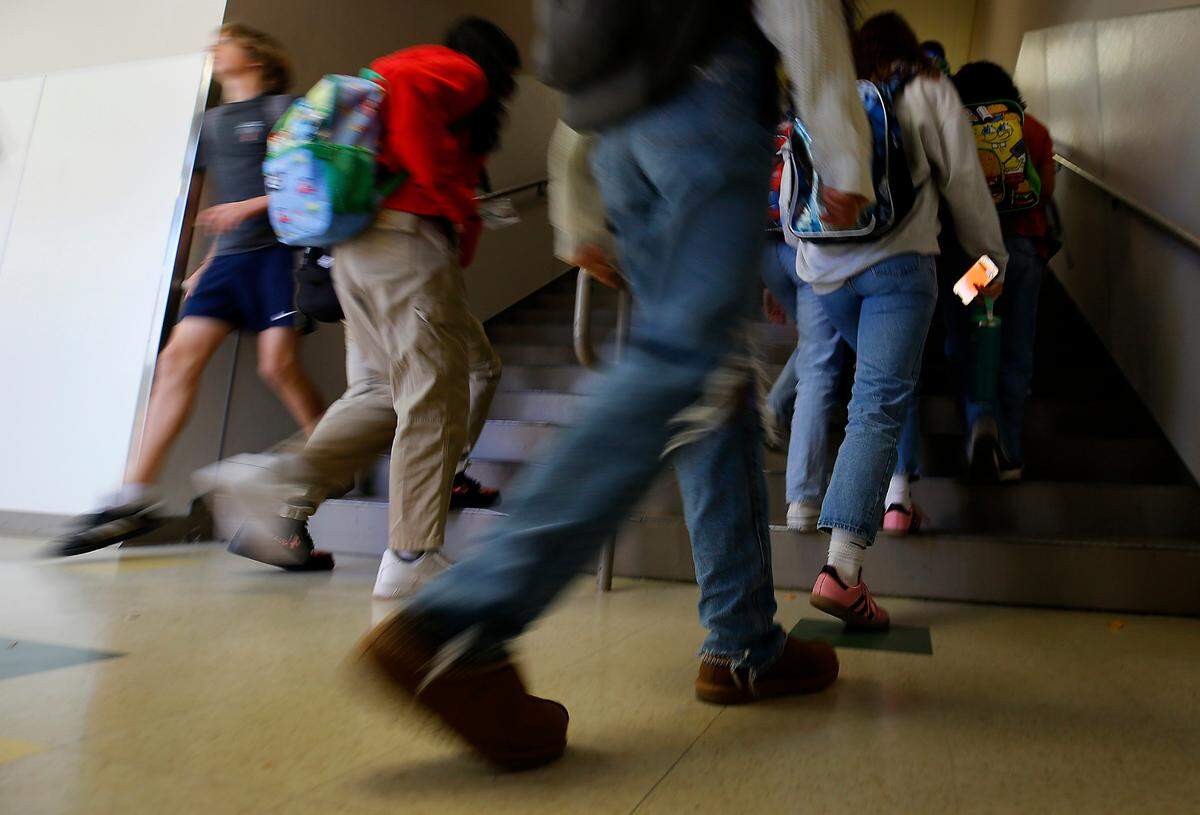
What’s next after the ‘perfect storm?’
Long term, Richland aims realign with district policy that recommends it maintain a 5% reserve fund balance or about $12 million.
Over the coming years, the district’s budget will continue to be influenced by legislative funding decisions, inflation and enrollment changes.
Another big factor is the success of the district’s operations levy and technology levy, both of which return to voters for re-approval in 2026.
Redinger characterized the factors that led to the need for recent widespread cuts as a “perfect storm” that they didn’t see coming.
Shey says the two things that hit them hardest were:
- Incremental increases in K-12 funding from Washington state that didn’t keep up with the true cost to offer services.
- A $10 million annual state cut in its levy equalization money, known as Local Effort Assistance revenue. Richland will receive less because the value of property in the school district was assessed higher.
Like other districts around the state, Richland was feeling the pinch from rising costs matched with less revenue. This last spring, countless school districts — from Yakima to Vancouver — announced deep budget cuts.
Over the summer, Richland administrators began acknowledging that district spending was likely unsustainable, forecasting that its reserves could dip below half a million dollars by July 2025.
Salaries and benefits make up 86% of the district’s annual budget, and its monthly payrolls have exceeded what was budgeted to ensure educational services didn’t dip.
The state only pays for four teacher substitute days each year, but doesn’t cover the costs for a substitute to fill in for non-certificated positions, such as for paraeducators.
Richland paid more than $3.6 million in 2023-24 in substitute teacher costs not covered by the state. Since arriving in Richland in 2020, Redinger says substitute costs have doubled.
Also, the state’s funding model only covers two nurses for Richland’s students, although local levies pay for staff at each of the district’s schools.
Richland also will receive no “regionalization” dollars this year from the state for salaries.
In 2020, the state allocated 6% to Richland as a kind of cost-of-living type of boost. The Legislature’s intent was to help districts retain teachers in areas with a higher costs of living.
Another financial hit came after the internet outage last summer.
It cost Richland $450,000, mostly in equipment and overtime costs, to scrub hard drives and restart the school district’s systems after it was revealed an unauthorized user had access to some district computers.
Redinger says the district has already begun filing claims to receive reimbursement through its insurance. While none of those have been paid out yet, the insurance company has covered about $117,000 in direct payments to vendors on the district’s behalf.
A third-party forensics investigation concluded no sensitive information of its students or staff was leaked by the user.
Washington’s ‘paramount duty’
Several public education leaders in the Tri-Cities fear the state’s “paramount duty” to fund K-12 classrooms is falling to the wayside.
The Washington Association of School Administrators argues the state’s current funding formula is the core issue because it doesn’t recognize the unique needs and the real-world costs of individual school districts across the state with varying circumstances.
Comparing 2018 to today, the Legislature allocates $1,000 less per student when adjusted for inflation.
The share of Washington’s operating budget dedicated solely to K-12 education also shrank since solutions were implemented in the landmark school funding case McCleary v. Washington.
Nearly 53% of the state’s 2019 budget went to educating students. But five years later that share has fallen by 10 percentage points to about 43%, according to WASA.
Concerns over state funding also come as President-elect Donald Trump’s proposal to dismantle the Department of Education builds momentum with Republican lawmakers, who will have majorities in both the U.S. House and Senate come January.
The proposal remains a political long shot, according to Education Week, and several key programs would be consolidated into other federal agencies. The Department of Education doles out important federal funding to school districts, including funds for low-income schools and for Englisher learner programs.
Speaking to educators in attendance at last week’s meeting, Jansons told them that the district was “going to make it through this.”
“I don’t know what Olympia’s going to do, or the state, or what the federal government is going to do with funding. But I know that you are going to serve students, and we’re going to continue to do the best we can to gather to serve the students that deserve our support,” he said.
“This is going to be hard for us, this is going to be hard for you. It affects some of you more than us, of course. And I apologize for that. But we will continue to move forward together.”
Richland plans $3M more in cuts
Jansons says while 38 basic education paraeducator positions will be cut this school year, their priority remains to minimize the impact on students. He also asked for the community’s “patience and understanding” as they navigate the challenging financial times.
Richland School District has found itself in a fiscal quagmire as its schools reel from rising student needs, lower state funding, higher insurance costs, lower enrollment and a “spending cliff” caused by one-time federal dollars dolled out during the COVID pandemic.
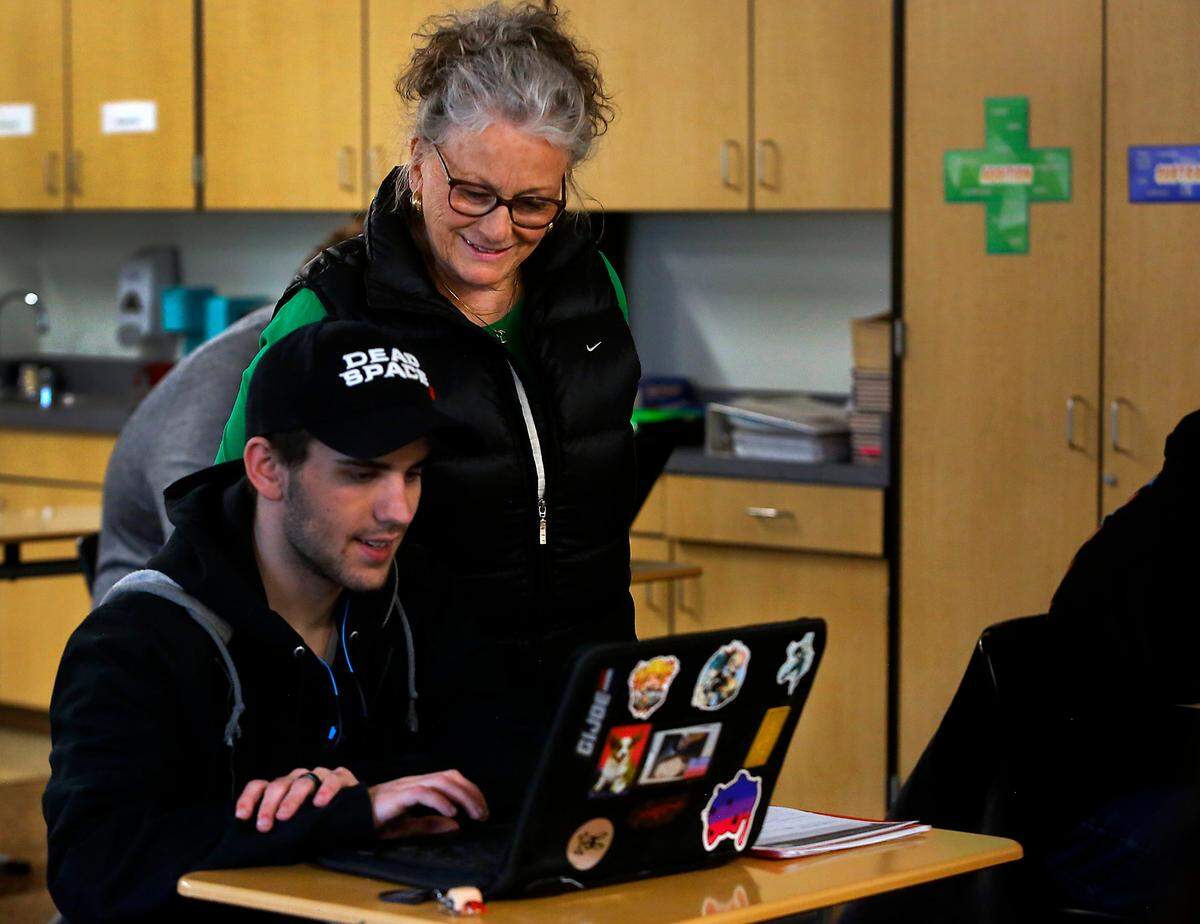
Richland has overspent its budget the past two school years and had to dip into reserves to make up the difference. “Actual” expenditures exceeded revenues by $6.5 million in 2022-23 and $1.5 million in 2023-24, according to district documents.
When student enrollment dropped during the pandemic, Richland chose to keep employees on to get students caught up. Between 2018 and 2023, for example, the district increased staff by 12% while its full-time enrollment only grew by 2%.
The district already has made nearly $6.5 million in payroll cuts and cost-cutting efforts. Since August 2023, the district has saved about $4.88 million by eliminating 52 full-time equivalent positions through attrition, either by retirements or departures.
Now the district will make $3 million in “Phase 1 reductions,” which includes cuts of $2 million to staff and $1 million to services. The district’s 38 most senior basic ed paraeducators will be offered a one-time $1,000 buyout for early retirement or resignation, or they can opt to take a similar role supporting special education.
- Redinger will donate five days pay to the district. Her cabinet will donate three days and other administrators will donate one day.
- The district will suspend all transportation to high school sporting events within the cities of Richland, Kennewick and Pasco beginning Dec. 1.
- Positions will continue to be eliminated through attrition.
- Schools will fill classes up to union “negotiated sizes” where possible.
- Paraeducators will continue to be reassigned to special education positions that are currently filled by substitutes.
- Facilities and operations costs will be cut by an additional $1.1 million.
This story was originally published December 3, 2024 at 5:00 AM.