What ICE arrest data tells us about Tri-Cities arrests. And what it doesn’t
AI-generated summary reviewed by our newsroom.
- More immigrants were targeted in 2025 than the previous two years combined.
- Most people arrested had no major criminal history and were nonviolent.
- Over half of detainees with listed jobs were agricultural workers or laborers.
Immigration arrests are spiking in the Tri-Cities, but the majority of people in the area being arrested by ICE have no significant or violent criminal history, according to the agency’s own data.
More immigrants were targeted in Benton and Franklin counties last year than the previous two years combined, according to data on arrests made by field officers and custody requests for people already in a county or state jail.
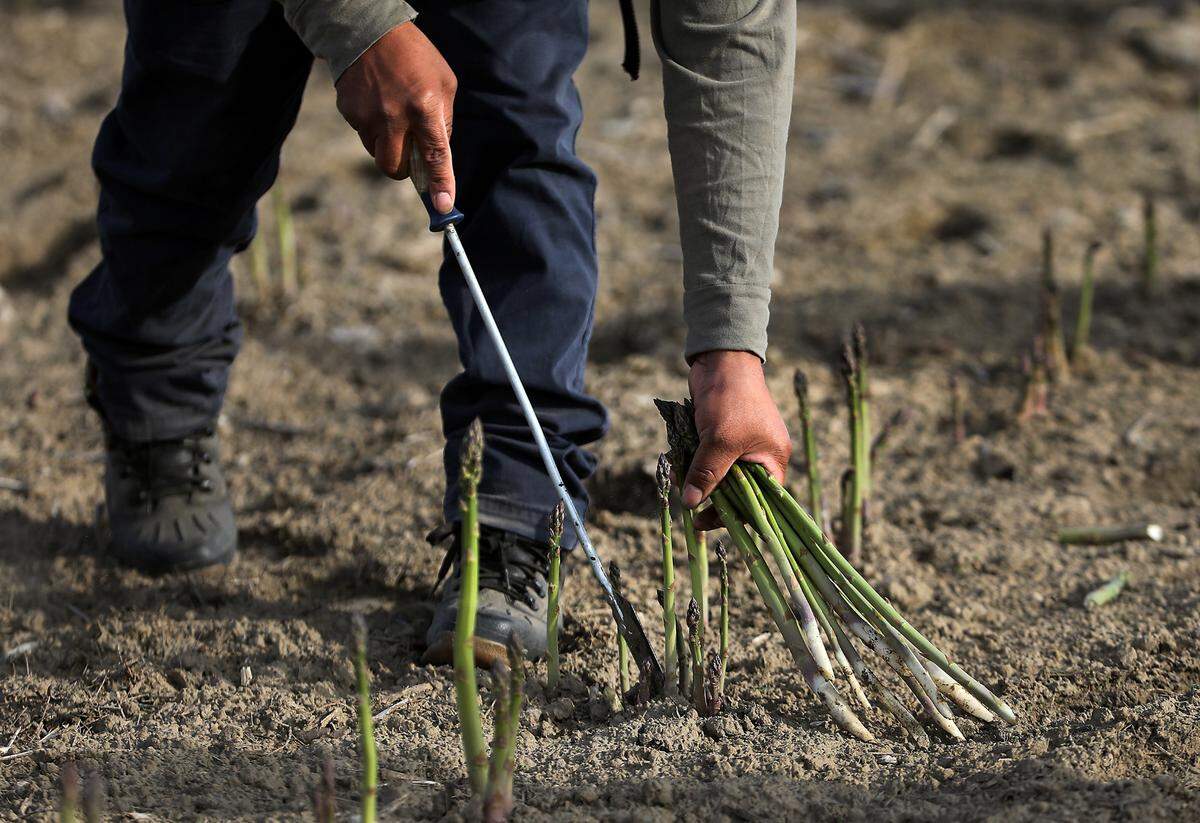
Many were agricultural workers and laborers who have been in the country for decades.
The records show that in Washington state, high numbers of arrests are happening, but they aren’t made with high-profile raids at farms or businesses or by targeting only violent offenders.
It’s more likely that the detainees ended up on the radar of Immigration and Customs Enforcement because they appeared in public databases because of work permits, tickets or years-old misdemeanors with no outstanding warrants.
How ICE is targeting immigrants
Northwest Immigrant Rights Project Executive Director Malou Chavez told the Tri-City Herald that ICE appears to be working with a patchwork of publicly available information, and pushing for access to systems they don’t currently have such as Washington state Department of Labor data.
“The majority are people who don’t have any major criminal history,” Chavez said.
The data from ICE supports that. Most of those arrested who did have a criminal history listed were for nonviolent crimes.
“We know from charging documents that most of these arrests are targeted. Either the person has been in proceedings or has had some sort of contact with immigration authorities.”
Recent public records lawsuits from the University of Washington and University of California-Berkeley reveal information about those arrested based on certain arrest records and detainer requests to take someone from county jails or state prisons.
Most Tri-City area detainer requests prior to 2025 were for prisoners at Coyote Ridge Corrections Center in Connell. Last year, more were being made for suspects in jail in Benton and Franklin counties.
Advocates say it’s indicative of a pattern of agents going after easier targets, and in doing so they’re hurting communities that are reliant on an immigrant workforce.
Not all the detainees had an occupation listed, but of those who did, more than half were agricultural workers or laborers.
The majority of those laborers with known dates of entry had been in the United States for more than 10 years, with several listed as coming as early as 1990.
Despite court orders to turn over the arrest documents, ICE so far has provided just spreadsheets with limited data and no narratives of how or why the arrests were made.
The limited data does not provide information on where arrests were made beyond generic coordinates for each city.
Who is being arrested?
The majority of detainees are Latino and have lived in the United States for decades.
Most are from Mexico, with many others listed as citizens of Colombia, Guatemala, El Salvador and Honduras. There was one each from Afghanistan, Burma and Ukraine.
All but 11 of about 100 arrests were men. About half were listed as only being arrested for an immigration violation.
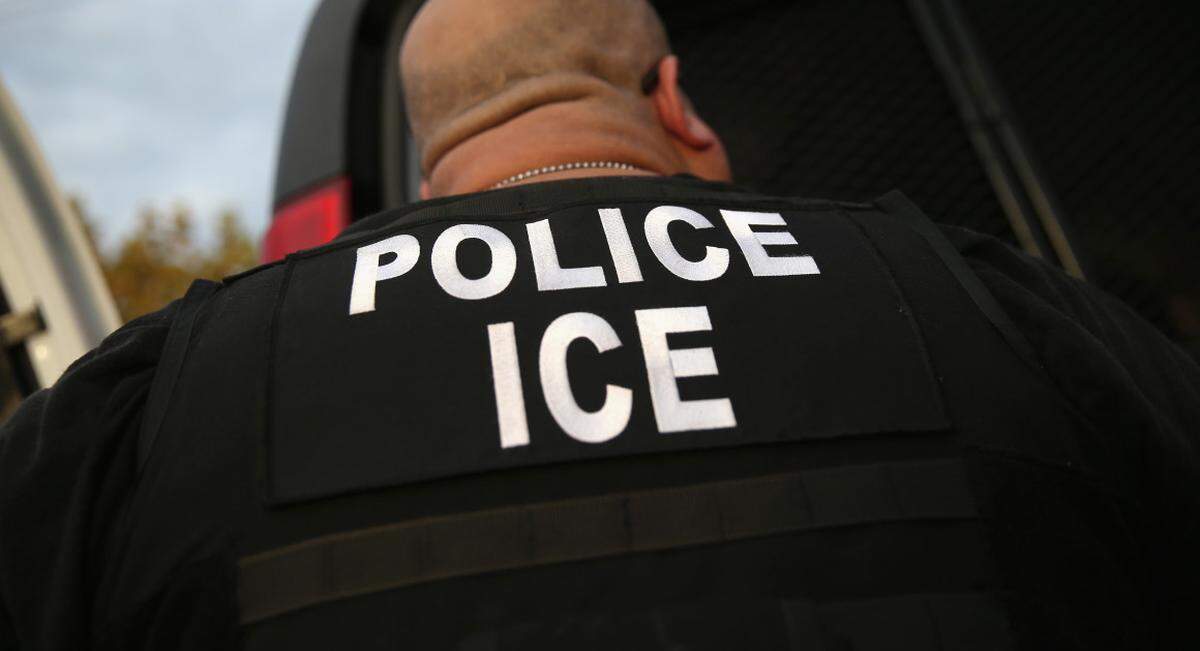
Those arrests don’t cover instances where someone is detained while going in for an immigration appointment.
Of the 125 people that ICE asked to take custody of from county jails between Jan. 27, 2025 and Oct. 9, 2025, more than half were yet to be convicted of a crime.
Only one had an aggravated felony listed for an assault, and there was one rape conviction. Of those with convictions, none were sentenced to more than one year in jail.
One man’s most charge was receiving stolen property in 1988.
Of the deportations with previous criminal history listed, there were:
• 9 burglaries
• 7 assaults
• 5 domestic violence
• 4 DUI
• 3 harassing communication and 3 larceny
• 2 public order crimes, 2 traffic offenses and 2 weapon offenses
• 1 each disorderly conduct, drug possession, enticement of a minor, fraud, hit-and-run, kidnapping, licensing violation, selling marijuana, possession of a weapon, rape, and violation of a court order.
They were not immigrants being targeted for arrest. They were requests made for people who had recently been to county jail. The ones listed as arrested outside a jail did not have specific criminal charges listed.
ICE did not list what crimes the others were awaiting trial for.
None were listed as having any gang affiliation and most had “no” listed for previous felony or misdemeanor charges. It is unclear if that was meant to signify other criminal history.
About 25 were listed as “significant risk” but for most their previous convictions were misdemeanors such as burglary, traffic offenses or possession of stolen property. Just one person convicted of assault was considered a serious risk, along with a convicted rapist.
How do jail arrests work?
About two-thirds of detainer requests were made by a fugitive operations team rather than the previously more common practice of an administrative agent reviews jail logs.
In that roughly nine-month period ICE only took custody of about a dozen of the people they requested to detain.
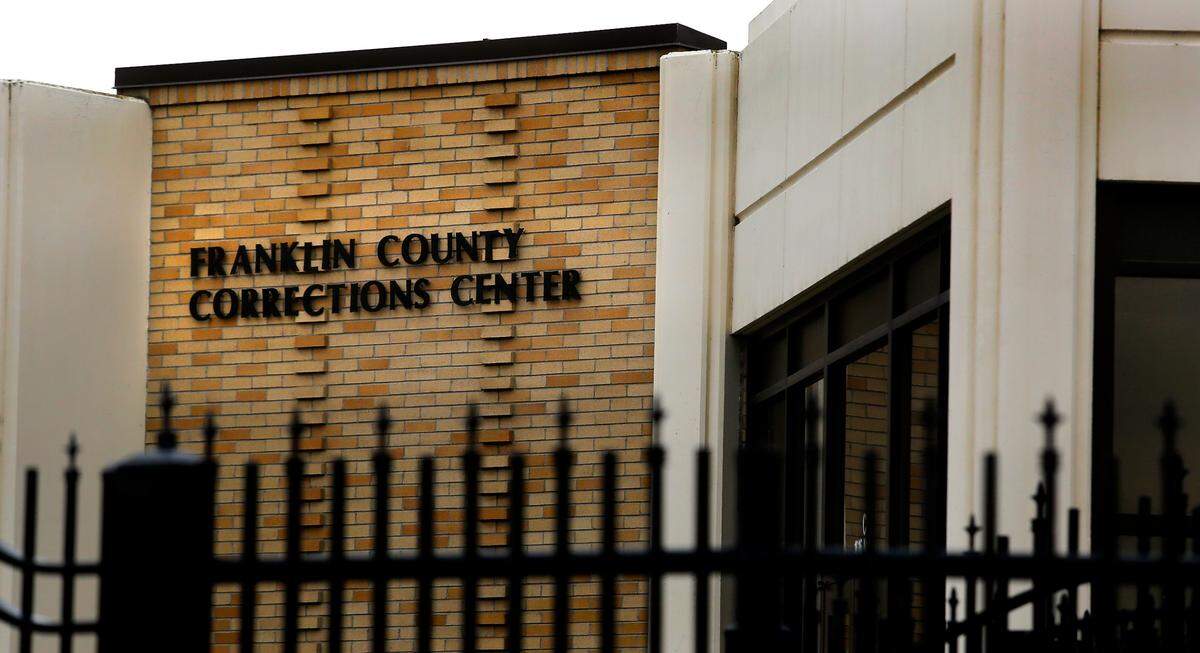
That could be for many reasons, but the most common is that they did not make the request in time because Washington state’s county jails are prohibited from directly sharing information about inmates.
It is possible there is some overlap between the two lists, however each data set comes from different forms, so duplication is unlikely.
About 30 of the arrests were considered custodial or locally incarcerated, and only 11 of the detainer requests were honored by county jails in the Tri-Cities. Of the remaining arrests, at least 26 were found by ICE and around three dozen others were listed as noncustodial arrests. It’s unclear how ICE made those arrests.
Separately, at least 15 prisoners from Coyote Ridge were transferred to ICE custody after their prison terms ended. Their convictions were not listed.
For those that were deported, their final order date was often just days before being removed from the U.S. In years past it would take weeks or months, according to the data.
Many of the people deported were removed from the country within about two weeks of their arrest, with some turnarounds as quick as four days. It’s unclear if any of these detainees were given a chance to appeal their order of removal.
The Trump Administration is currently fighting legal battles over whether they can use blanket denials of immigration bonds, which allow people to be released until they can go through the legal process.
New interpretation of federal rules mean many detainees are being deported without ever seeing an immigration judge, according to the National Immigration Project.
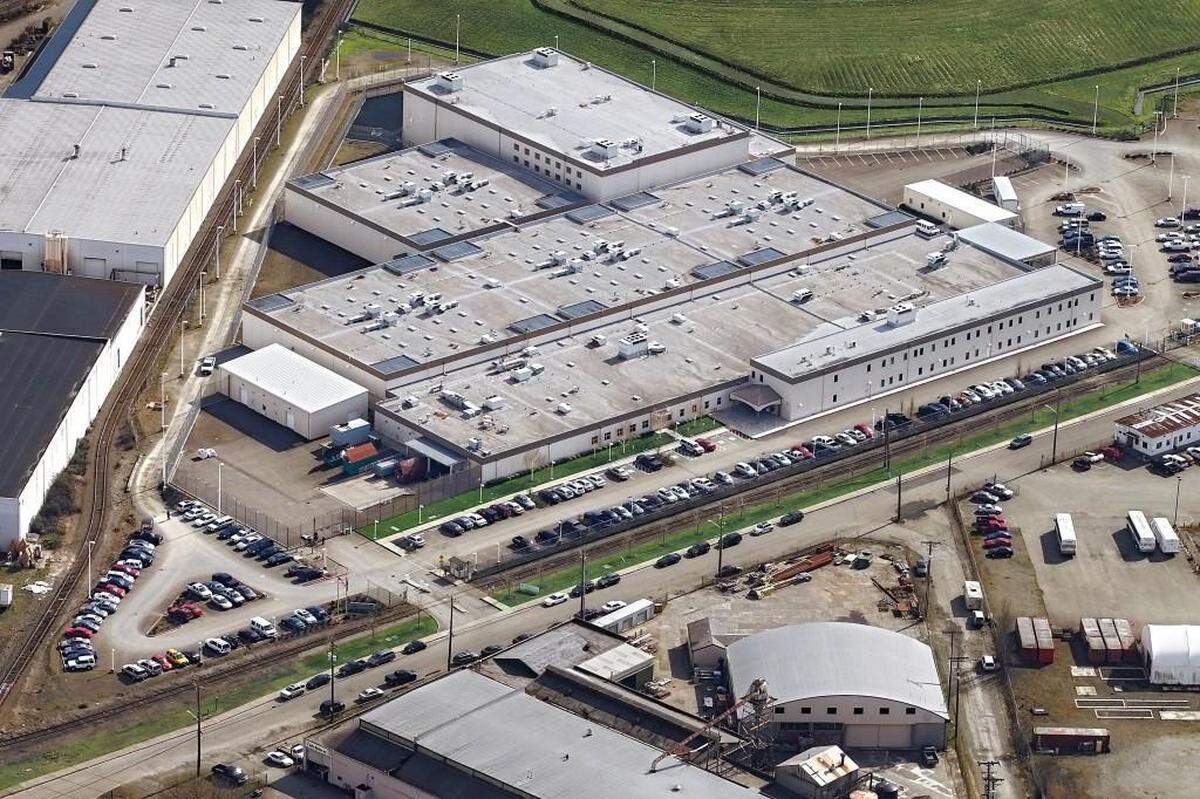
For Tri-Cities area immigrants, immigration benefits interviews take place at the Yakima United States Citizenship and Immigration Services regional office. Detention hearings are held at the Northwest Detention Center in Tacoma. Non-detention deportation hearings take place at the Seattle Immigration Court.
Surveillance and profiling
Brenda Rodriguez is the executive director of the Washington Immigration Solidarity Network. She grew up in Basin City and the Tri-Cities area and has seen the impact that current federal immigration tactics are having on communities.
Rodriguez said they believe about 25% of ICE arrests last year happened during targeted traffic stops. It’s a pattern that has been seen in the Tri-Cities, such as agents tracking a convicted sex offender, or waiting for a Pasco father to leave for work.
There are also collateral arrests where ICE has shown up to a home looking for one person, but end up arresting others who happened to be there. Rodriguez said those people typically have no criminal records and some have even had valid work permits and visas.
“What this means for immigrant communities is that every morning we have to make a decision and any decision that we make like going to get groceries, going to pick up our children or heading to work potentially means you will not be coming back,” Rodriguez said.
Rodriguez said the impact has been seen by businesses in downtown Pasco and at the flea market. Families are also having to decide whether to enroll their children in school.
She said WAISN has also received reports of U.S. citizens being harassed and racially profiled by agents.
“What we are witnessing is a dismantling of our democracy and something that everyone regardless of immigration status should be concerned about,” she said. “We have seen a rise in calls from people of color who have been racially profiled and stopped and asked for their documents. This was also very common under the first term of this administration.”
Rodriguez said it is not a coincidence that the highest arrests per capita in Washington state are happening in the primary agricultural production region which has a high concentration of historic Latino communities.
Confusion causing fear
The confusion over who ICE is targeting and how they’re getting that data has led to widespread fear and uncertainty in the community, advocates say.
“These are not just statistics, these are not just numbers,” Rodriguez said. “They reflect the stories of surveillance and intimidation tactics families face that sometimes result in deadly consequences.”
Rodriguez said their network received more than 100 tips about ICE arrests in the Tri-Cities area and has been able to verify more than a dozen of them. She’s also heard reports of deceptive tactics being used and agents waiting to pull immigrants over on their way to work.
They’ve also verified instances of people already in the immigration process being arrested at appointments or outside of county courthouses in Eastern Washington.
“A tactic we have seen under this administration is telling people to show up (to an immigration appointment) on short notice because they are in some sort of process, and they get detained,” she said.
“I think that really speaks to this narrative that we hear about ‘people should get in line and go through the process,’” Rodriguez continued. “What this moment is showing us is that it doesn’t matter if you go through the process, you’re still being detained and still being targeted. Due process is being stripped away.”
ICE has also used traffic cameras to identify vehicles and track immigrants without speaking to local jurisdictions, according to a study from the University of Washington Center for Human Rights. Because it remains unclear what data ICE is piecing together to surveil immigrant communities, Rodriguez said it is contributing to distrust in local law enforcement that community members rely on.
That could leave domestic violence or trafficking victims too afraid to speak up or apply for what is known as a U Visa, which are intended to help victims.
Rodriguez said counties passing “anti-sanctuary” resolutions have fed into that fear and distrust. These measures, such as the one passed in Franklin County last year, are an attempt to push back at the state’s Keep Washington Working law, which limits how cities and counties can cooperate with federal immigration authorities. They have no effective impact, but do signal a desire to cooperate with ICE.
“That level of uncertainty, that lack of understanding about what the sheriff’s department will or not do is so important, we need leadership at the local level to come out and speak to their constituents and be very clear on how they are going to enforce state law like Keep Washington Working,” she said.
Families don’t know what to do
Pasco immigration attorney Eamonn Roach told the Herald that if an immigrant thinks they might be eligible for some sort of legal pathway or protection, they should pursue it.
“A lot of people have been scared from potentially filing applications they’re probably entitled to,” he said. “That’s probably the most unfortunate part, the chilling (effect).”
“They’re scared to do so, although yes this is a scary time to file for any benefit, filing for the benefit actually gives them more protection than them being here unlawfully or otherwise not applying for something they’re entitled to. Sometimes not doing something is worse.”
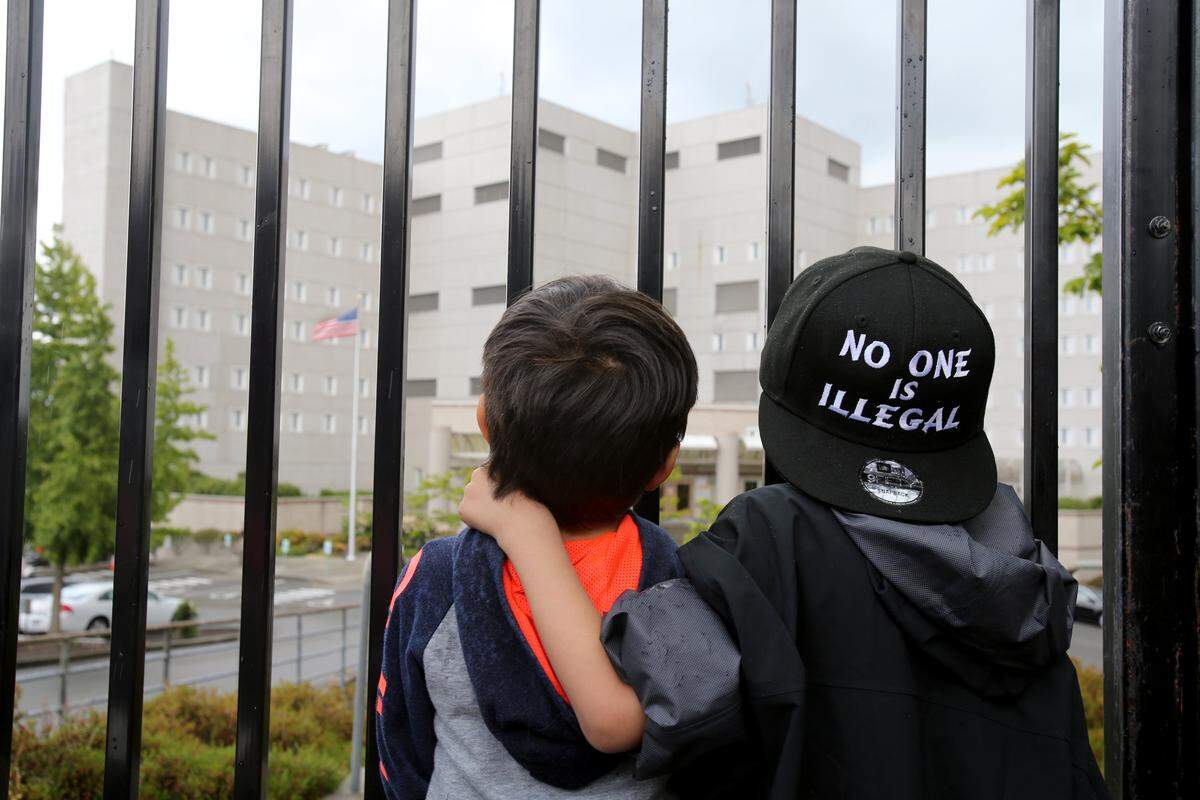
While immigration cases are not held at the Richland federal courthouse, Rodriguez said clients have reported being temporarily held there before being taken to Tacoma.
Often families don’t know what has happened to their loved one until they’re in Tacoma.
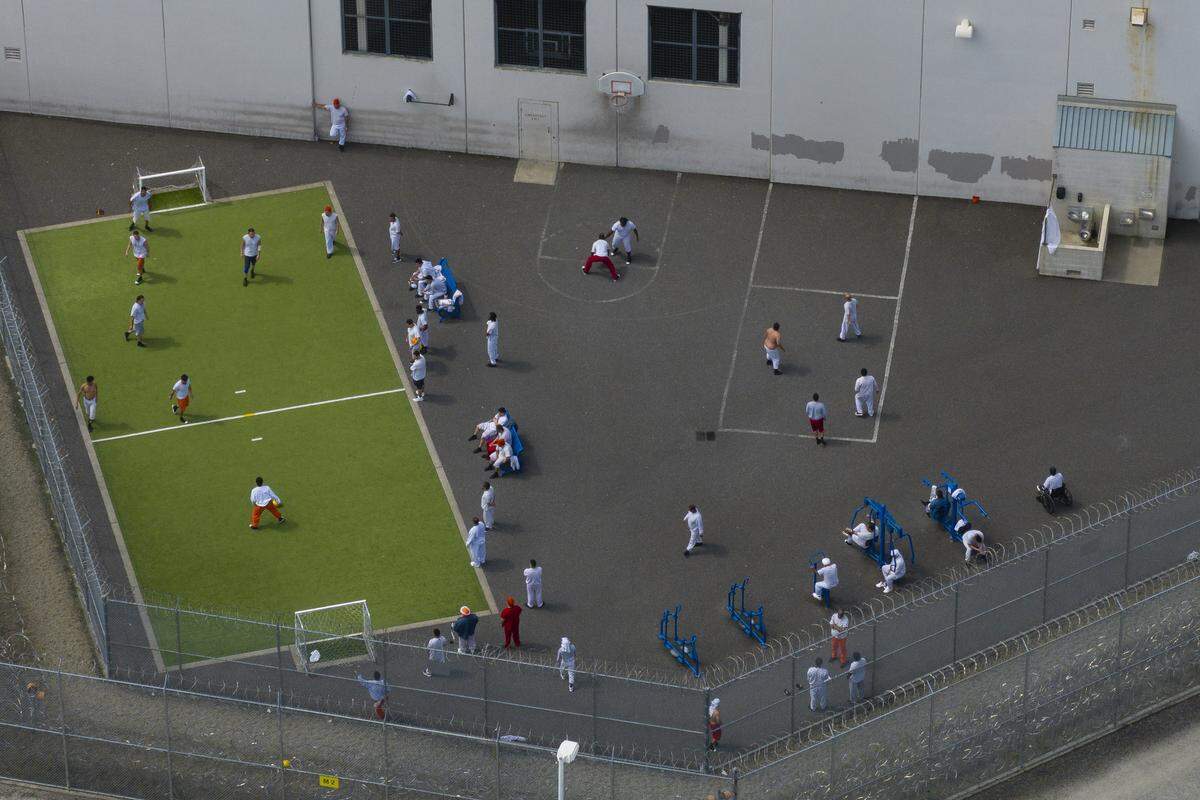
Families have reported loved ones are being kept in poor conditions without adequate access to good food or clean drinking water, Rodriguez said.
Help for immigrants
Rodriguez said that WAISN is actively looking for volunteers to help advocate for immigrants in the Tri-Cities and across Washington state.
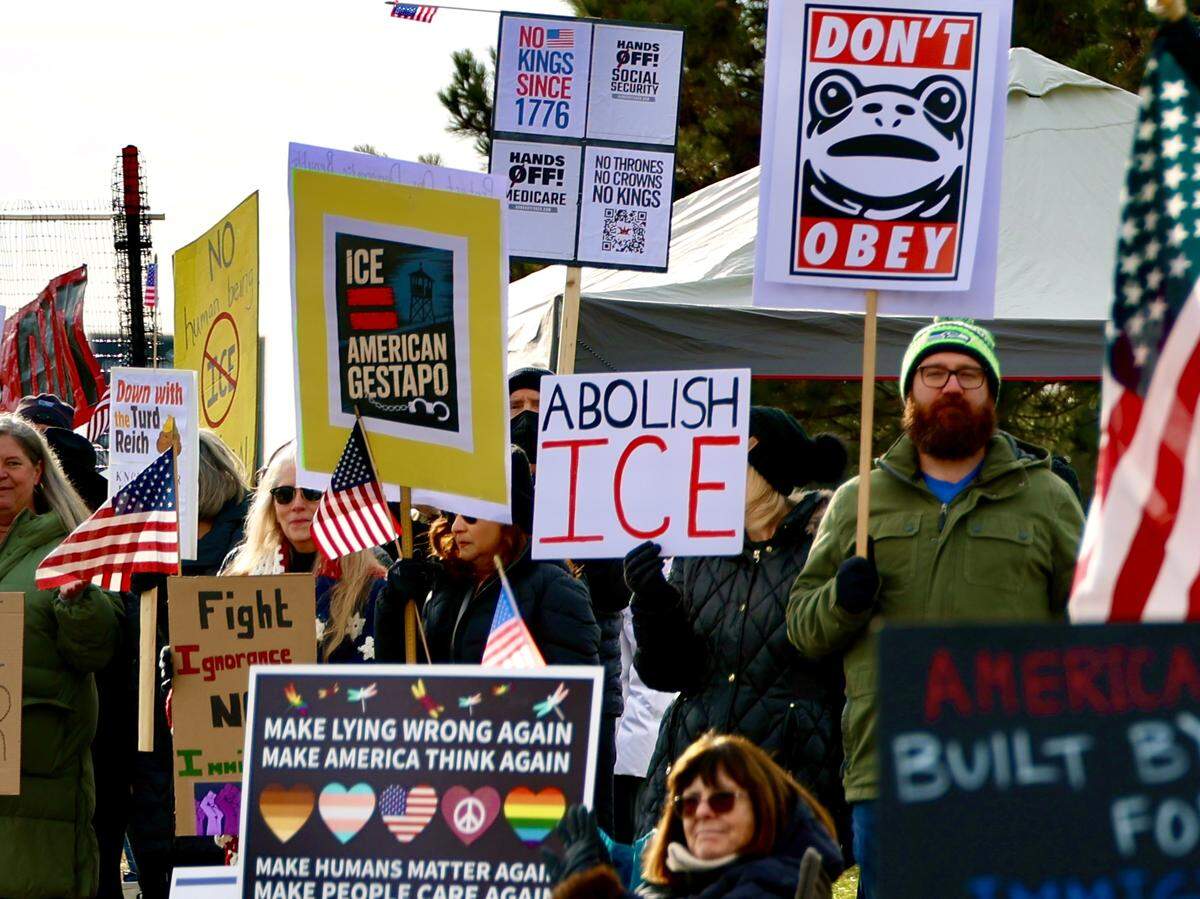
Volunteers can accompany immigrants to court proceedings or join rapid response teams to document immigration enforcement activity to ensure civil rights are being respected.
The organization also hosts virtual “know your rights” trainings.
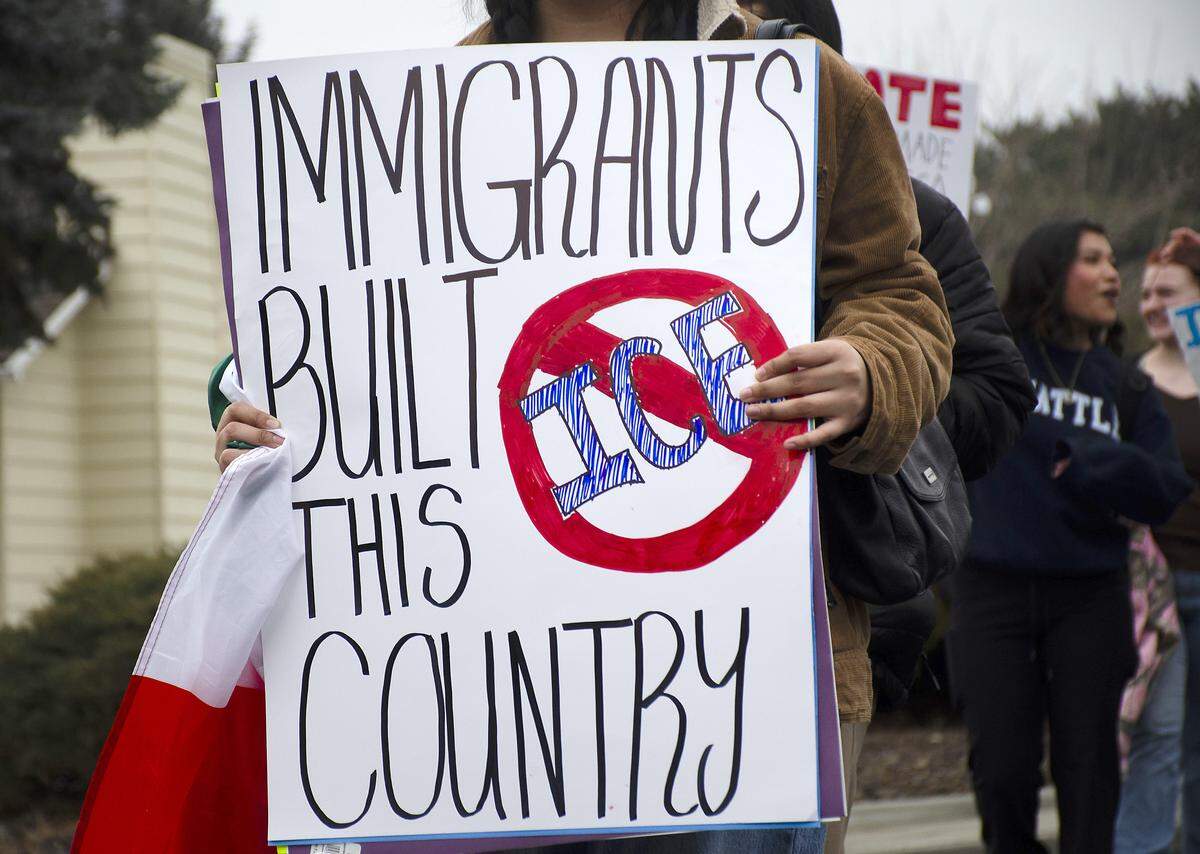
“That is the kind of solidarity that is going to get us through the storm. In a culturally rich community that is what makes us strong,” Rodriguez said.
“What is happening right now in our country, how immigrants are being used as the scapegoats to strip our constitutional and civil rights, to strip due process, to strip our democracy ... we’re talking about immigrants, but this is something we all are affected by,” she continued. “Don’t think what is happening to immigrants is not going to effect their own safety, their own lives.”
This story was originally published May 10, 2026 at 5:00 AM.