Tri-Cities schools brace for another year of funding cuts, lower enrollment
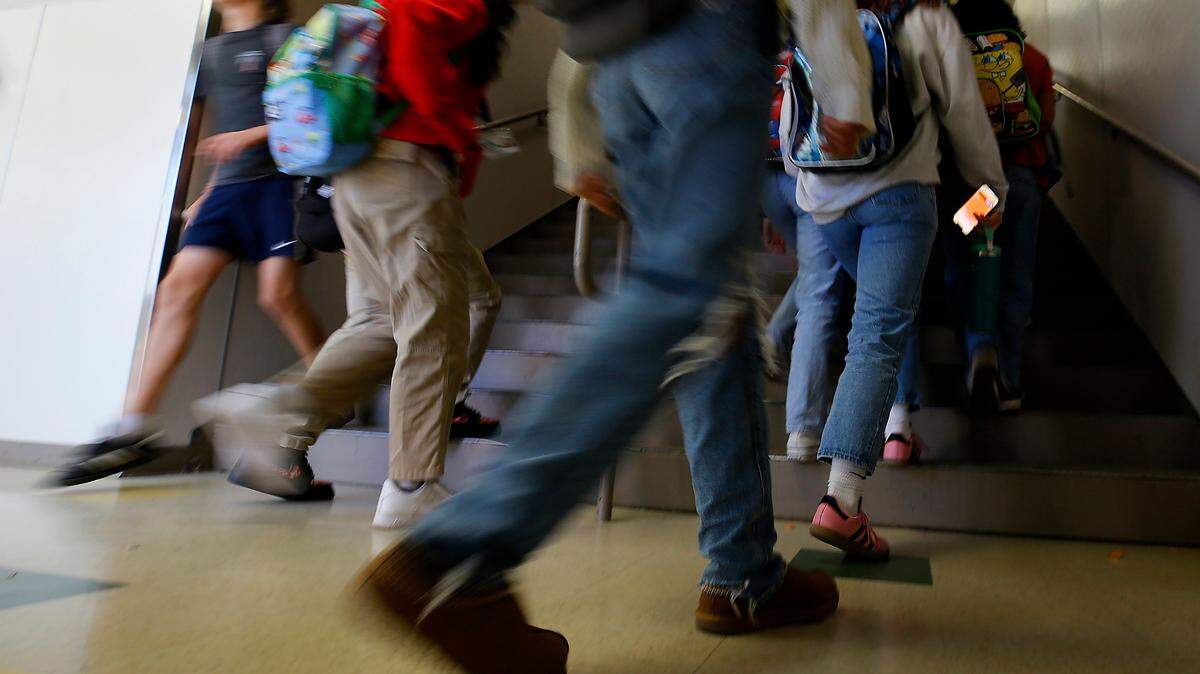
As students head back to school, Tri-City school districts have cautiously approved nearly $920 million to operate schools for the 2025-26 school year as leaders anticipate future cuts to federal funding.
For the another year, Tri-City school districts are expecting fewer students to enroll in classes and are budgeting cautiously.
Shrinking enrollments are a worrying trend that began with the pandemic but districts are trying not to get flat footed by the funding loss this year.
Already, Richland is starting this school year with 30 fewer teaching positions and 128 fewer classified jobs, such as non-teaching employees and support staff, than last fall.
The budget approved last week by the Richland board eliminated two middle school jazz teacher positions.
Andrew Kirk, parent of a band students, told the school board Tuesday that those cuts will have a “detrimental effect” on the pipeline to high school programs.
But districts also are wary of possible federal funding cuts.
This summer the Trump administration froze more than $11 million for Mid-Columbia schools for migrant learning, teacher training, English language learning and academic enrichment.
Those dollars were ultimately released in late July after education leaders spent weeks questioning how to proceed, and after Washington and 23 other states sued for the release of $7 billion in nationwide education funding.
But as the fight over public school funding continues to wax and wane, Tri-City educators aren’t expecting that money to last forever. Another congressional funding fight is on the horizon as the government’s fiscal year ends Sept. 30.
“I have received many cautions from different sources to really be on edge about next year,” Joey Castilleja, Pasco’s executive director of fiscal services, said at an Aug. 12 budget presentation to the school board.
The Big 3 school districts — Kennewick, Pasco and Richland — together receive more than $73 million annually in federal money to benefit public education and student welfare, according to Office of Superintendent of Public Instruction.
Tri-City schools tee up nearly $1B in spending
The summer shakeup came as school districts across the state were trying to patch up and finalize their budgets for the new school year.
Many have had their budgets dented by either inflation, rising costs for services, insurance and utilities and/or bloated staffing.
Tuesday marked the first day of school for students in the Richland School District. That evening, their school board also passed a $236 million operations budget that aims to get them out of a financial quagmire. District leaders last year cut millions from programs and non-classroom services.
The district plans to store about $2.5 million worth of revenue in accounts for its school board, superintendent and business office. The “built-in capacity” will hopefully rebuild the operating budget’s reserves from $1.1 million to more than $3.6 million by the end of the 2025-26 school year.
The budget is based on conservative enrollment targets Superintendent Shelley Redinger is confident they’ll be able to hit. They expect full-time student enrollment to drop by about 100 this school year to 13,350. First counts of secondary school students show that classes are “bursting,” Redinger said.
School Board President Katrina Waters said they made some “hard decisions” to eliminate some extracurricular teaching assignments, small classes and electives this fall, which are covered mostly by levy enrichment funding.
The school board was hesitant to approve some of the final hires at its Aug. 12 business meeting. School board member Rick Jansons worried the district might find itself in the same spot it had been a year ago, when it had to reassign paraeducators and layoff nurses and administrative assistants to correct staffing levels.
While Richland continues to hire based on its changing needs, overall staffing levels are declining for the first time in years.
Pasco, Kennewick trends
Pasco School District — which has also had to deal with budget spending gaps in the midst of opening up two new high schools — plans to spend about $343 million with about $339 million in revenue during the 2025-26 school year.
That gap means the district’s reserves will drop from $16 million in September to $12 million by August 2026.
Still, the district plans to cut vacant positions by up to $15 million over the next three years and spend revenue typically reserved to its fund balance as it looks to rein in spending.
Pasco expects to see fewer students as well.
Average enrollment hovered around 17,600 full-time students, but it’s budgeting for 200 fewer at 17,400.
Kennewick School District in mid June passed its 2025-26 budget with $333 million in revenue and $339 million in costs.
The $6 million gap — along with the possibility of a $2 million transfer out to the capital projects fund — will chip away at its healthy reserve balance, from $62 million to about $54 million.
That budget was on a total full-time K-12 enrollment of about 17,400, a slight increase from what was budgeted the school year prior.
Total budgeted classified and certificated FTE will stay about the same around 2,200.