Pasco pulls $8M from reserves to patch budget hole, hoping to avoid layoffs
AI-generated summary reviewed by our newsroom.
- Pasco School District will tap $8.25M in reserves to offset a $7M budget deficit.
- Leaders plan to cut $12M–$15M through attrition and vacant position reductions.
- District faces enrollment declines and high staffing costs amid stagnant revenue.
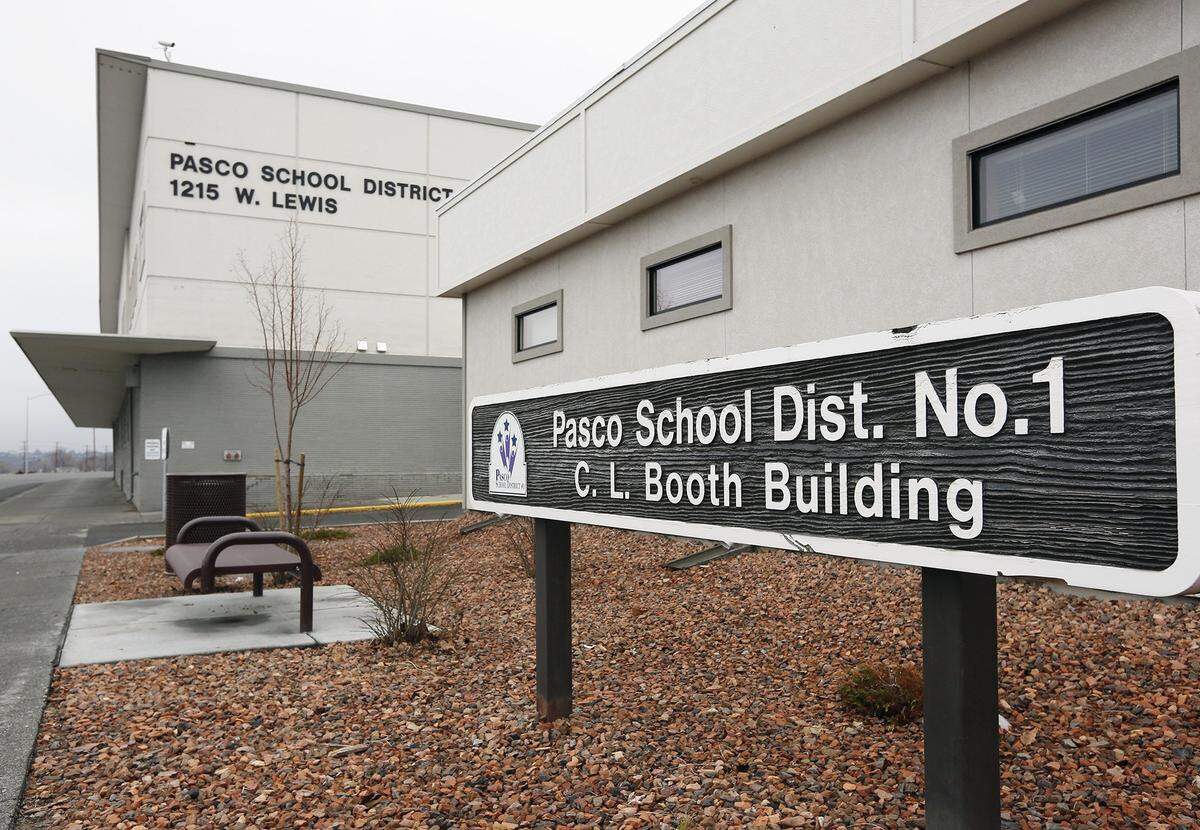
Pasco School District will dip into its reserves to patch a $7 million gap to end the school year with a balanced budget. Then, it expects to continue cutting vacant positions to save another $12 million to 15 million over the next three years.
The school board approved this week the superintendent’s recommendation to cut in half the district’s fund balance, from 5% to 2.5%.
That $8.25 million will be used to cover unexpected cost increases during the 2024-25 school year that ends in about a month. That means the district spent more of its annual revenue than it would in a typical year.
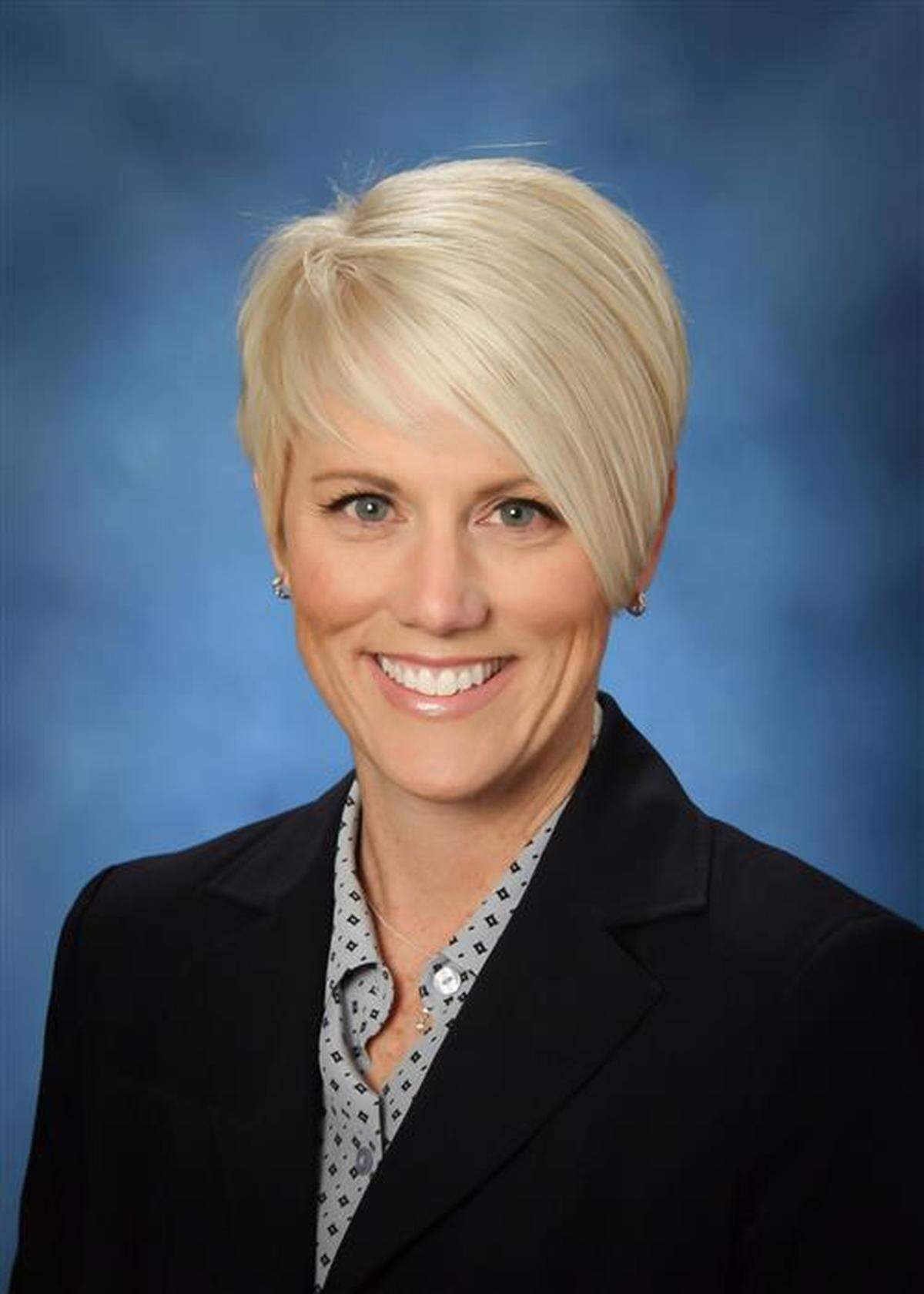
It’s a move that’s necessary to avoid layoffs, rebalance staff and keep existing workers employed amid an ongoing budget emergency, said Superintendent Michelle Whitney. Some of the changes included reassigning dozens of teachers to different positions.
So far 14 teachers were transferred or reassigned to different roles to account for fall enrollment changes, and an additional 22 are expected to be told in the coming days that they are being reassigned.
“I think we’re making very calculated, methodical, conservative decisions about the district’s financial position, balancing the human impact of a budget deficit,” Whitney told the Tri-City Herald.
Still, if not enough positions are cut through retirements and resignations, the district might have to consider layoffs a year from now effective for the 2026-27 school year.
So far this school year, Pasco has managed to use attrition to cut 6% of administrative positions, 2% of classified employee positions and 1% of teachers and education staff.
It’s unclear the number of positions the district will need to eliminate to avoid layoffs because the process is a moving target. Administrators are considering offering one-time payouts to people who leave voluntarily.
The move comes as the district is opening a third comprehensive high school, Sageview High School, in the fall that’s expected to ease crowded classrooms at Chiawana and Pasco High.

That project is being funded with bond sales revenues that voters passed in 2023, a separate funding source.
The district also is working with its unions to renegotiate contractual expenses, such as professional development, to cut some costs.
Employee salaries account for about 86% of the district’s total yearly expenses. The district says it has tried to find savings in other places, too.
For example, between 2022 and 2024, Pasco reduced other types of spending by about 18% or $8.4 million.
The district hopes to have its reserves rebuilt to 5% within three budget cycles, by the 2027-28 school year, as it looks to correct a budget crisis caused by skyrocketing costs.
Pasco’s budget struggles aren’t unique.
Several Washington school districts in recent months have struggled to balance the increased costs of salaries, materials, insurance, transportation, special education and operations with stagnant revenues.
The Richland School District has eliminated basic education paraeducators, cut athletics transportation and K-8 school supplies, while laying off nurses and administrative assistants.
Kennewick School District has one of the healthiest budgets in the Mid-Columbia region and has cut some vacant teaching and staff positions.
Basic enrollment apportionments have simply not kept up with the true cost of doing business, administrators say.
Over the winter, Whitney publicly announced the district not fill some open positions, pause large purchases, suspend non-essential travel and meals, and make other small cuts as their first swing at addressing a $5.4 million budget shortfall.
But that gap has since grown due to continued rising costs and now sits at nearly $7 million, forcing the district to engage in a more robust cost-cutting plan.
School board in support
At this week’s meeting, school board member John Kennedy called the draw down the “responsible approach” to the district’s current troubles.
“I also think it does the best we can for our dedicated certificated and classified staff. I also was just thinking how important it is that we have this policy in place for 5%, in case we have situations like we’re in right now where we can utilize this backup,” he said.
“This is my 12th year on the board and we’ve never had to do this before,” board member Amy Phillips chimed in.
She would like to see the rolling balance built back up to 10%.
President Amanda Brown said it’s a decision neither the board or districts take lightly.
“We absolutely are interested in the well being of our staff, and we are — like Director Phillips said — placing our faith in you that, with all expeditiousness, we can replace this fund back up to 5%, but understand that it will take time and that’s the way it should be done,” she told Joey Castilleja, the district’s new executive director of fiscal services.
Like ‘predicting the weather’
As Pasco tweaks its current budget, administrators have begun the process of drafting a more conservative financial plan for the 2025-26 school year and that includes reassigning some teachers.
At Tuesday’s meeting, a math teacher from McLoughlin Middle School pleaded with the board to restore her job after being returned to a special education role.
Nicole Stewart feels her “true calling” is in math — so much so she’s pursuing a specialized math education master’s degree from Harvard Extension School. The reassignment was a major blindside.
“I filed a grievance and I’m following the procedures, but I wanted to speak to you personally, face to face, because ‘We Are Pasco’ is hollow without some decency and respect to this professional family of ours,” she said.
No hard numbers for 2025-26 have been presented yet, but the board will see a draft budget before it needs to be approved in July, Castilleja said.
Budgeting by estimated enrollment is often like “predicting the weather,” he said.
“Enrollment drives everything when it comes to receiving our basic education funds from the state,” Castilleja said.
In recent years, Pasco has forecast enrollment either too high or low by several hundreds of students, but the district is now entering an era of declining enrollment after more than a decade of consistent rapid growth.
Pasco receives thousands of dollars for each of the 17,400 full-time equivalent students it enrolls, and uses that money to employ more than 2,300.
Since 2020, Pasco’s actual student FTE has dropped by about 500, equivalent to losing about $7 million.
There’s no single reason why schools are losing students, but experts point to a decline in fertility rates and shifting demographics as major drivers.