
Last chance to walk to popular Bateman Island. $1.2M demolition to begin
AI-generated summary reviewed by our newsroom.
- Army Corps awarded $1.2M contract to remove Bateman Island causeway soon
- Causeway removal will restore flow, cut warm backwater that harms salmon
- Public foot access ends, but no restrictions yet on boat access
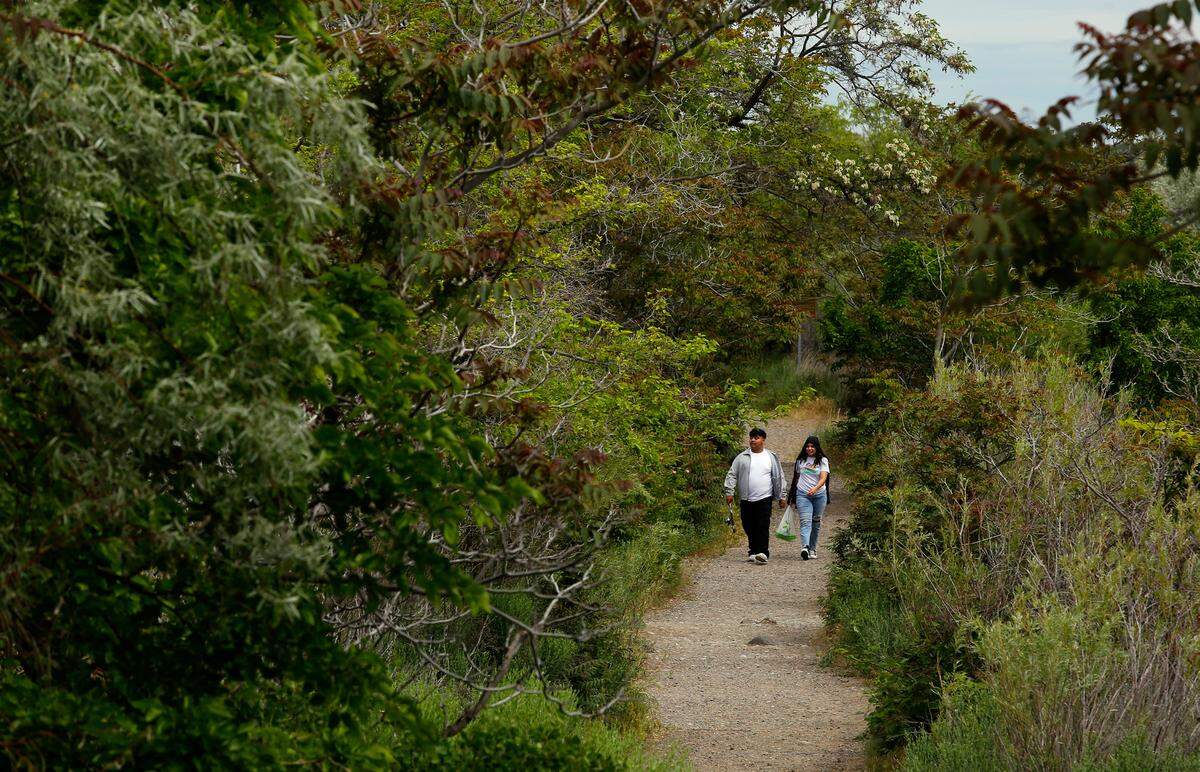
Tri-Cities area residents can still walk onto Bateman Island along the causeway from Wye Park on Columbia Park Trail in Richland, but not for long.
On Friday the U.S. Army Corps of Engineers announced that it awarded a $1.2 million contract, in partnership with other agencies, to Pipkin Inc. of East Wenatchee to take out the causeway.
Once work starts, which could be as early as December, the public will no longer be able to walk across the causeway to reach the island on the Columbia River at the mouth of the Yakima River.
The island at the center of the Tri-Cities has a 2.8-mile trail and is popular for fishing, walking, mountain biking and bird watching.
But the causeway that provides easy access, also restricts the water flow near the Richland Wye, raising water temperatures and degrading the river’s water quality.
The causeway, which is 500 feet long and 40 feet wide, was built of earth in the 1940s to make using the island for farming easier. Since then, rock riprap has been added.
Causeway issues
Where water backs up on the south and west side of Bateman Island behind the causeway, summer water temperatures can be as high as 86 degrees for sustained periods and 90 degrees at times.
The warm water creates ideal conditions for non-native fish, such as smallmouth bass, that prey with voracious appetites on young salmon migrating to the ocean in the spring.
It promotes algal blooms and provides a breeding ground for mosquitoes.
It also may prevent salmon returning from the ocean from entering the warmer Yakima River to spawn.
“The island’s causeway blocks the river’s course, which negatively impacts critical habitat for culturally significant fish,” said Lt. Col. Kathryn Werback of the Corps.
The Corps’ partners on the causeway removal include the Washington state Department of Fish and Wildlife, the Yakama Nation, the Washington state Department of Ecology and the Mid-Columbia Fisheries Enhancement Group, all focused on benefiting the river’s ecosystem and helping salmon.
“I am hopeful that by February, we will have the opportunity to see the river restored to its natural state,” said Phil Rigdon, Yakima Nation Department of Natural Resources superintendent. “That’s the exciting part—those things that we value as native people.”
The Yakama people and its history have always been tied to the river, the fish and their connection to the coast, he said.
Harmful to salmon
Historic populations of 500,000 salmon and steelhead in the Yakima Basin have dropped to 10,000 in the last century.
The warm, stagnant and shallow backwater south of Bateman Island has supported the growth of stargrass and algae that causes extreme daily fluctuations of dissolved oxygen, according to a Corps report.
Salmon are more sensitive to oxygen concentrations than warmer water predatory fish.
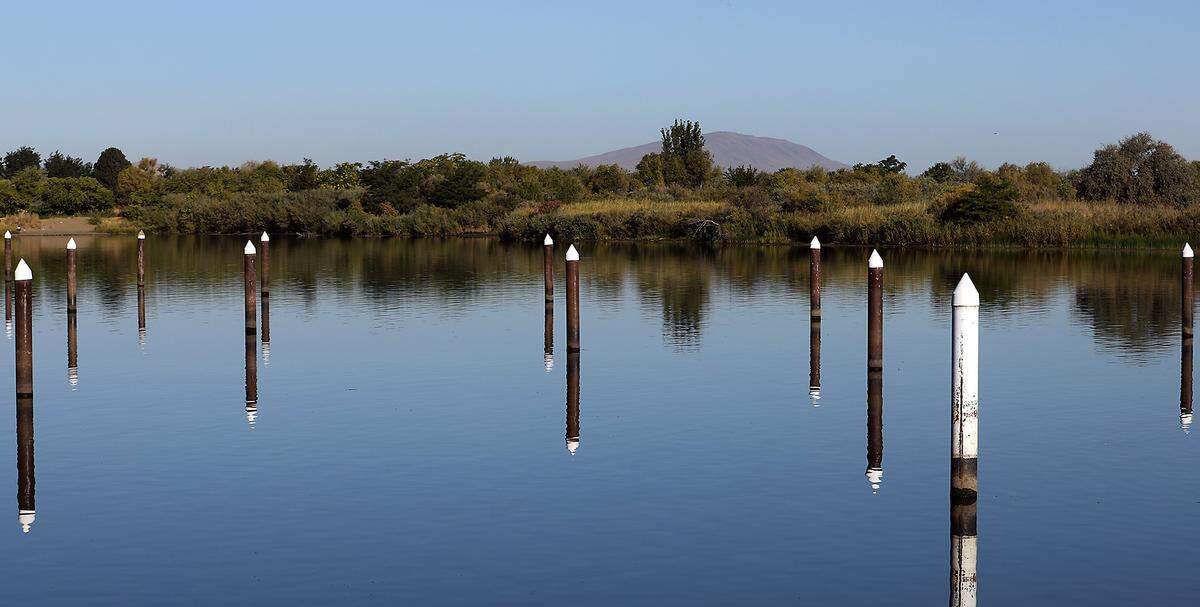
The warm water and blocked flow at the mouth of the Yakima River acts as a choke point for all salmon and steelhead upriver in the Yakima Basin as they migrate out to the ocean and return to spawn, according to state wildlife officials.
Several salmon stocks have recently been reintroduced upriver in the Yakima, including coho, spring chinook, summer chinook and sockeye, but they must navigate the delta on their journey to and from the Pacific Ocean.
Pacific lamprey also have been reintroduced into the river.
The warm water may keep them from entering the Yakima River until later in the fall when water temperatures drop. Or they might continue up the Columbia River to overwinter, with just a few still entering the Yakima River the following spring, according to a Corps report.
The removal of the causeway is planned for the winter when few, if any, juvenile salmon should be present.
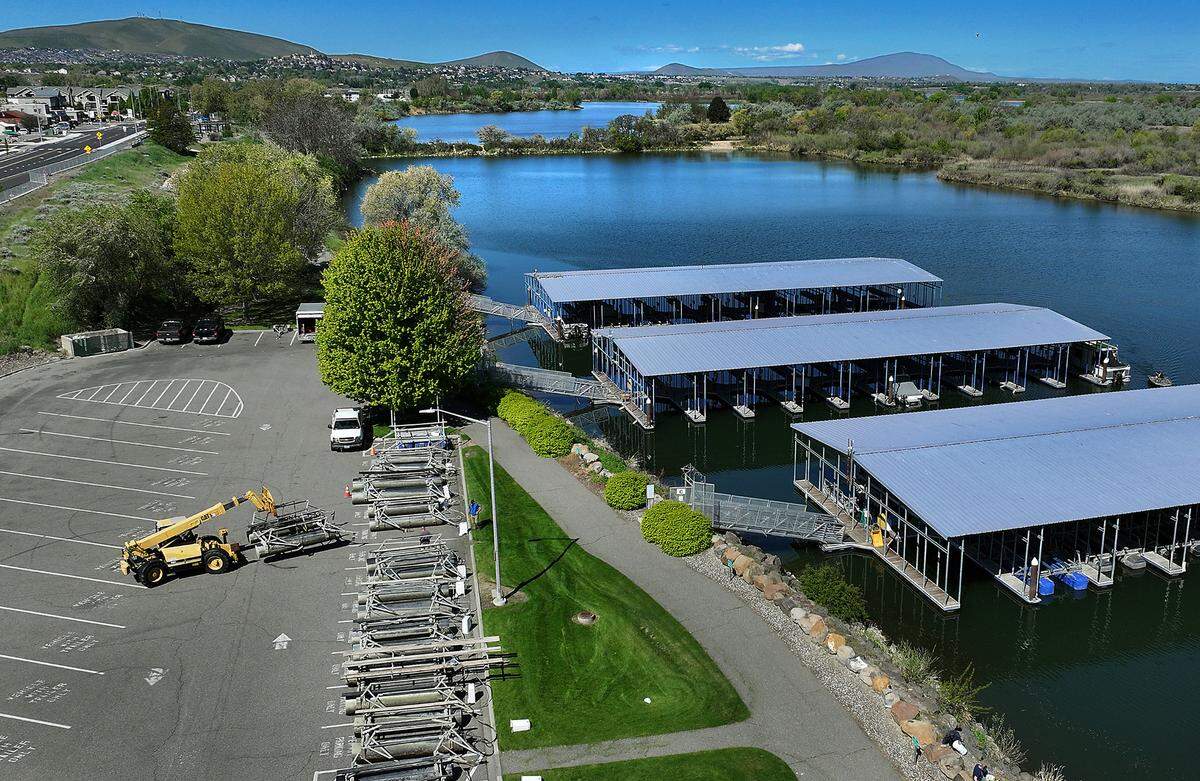
The Columbia Park Marina just downstream from the causeway was torn out earlier this year in anticipation of removing the causeway. The 106-slip marina, built in 1994, was not expected to withstand the force of free flowing river water once the causeway is removed.
“The vessels moored in the marina, the dock structures and fueling system will be vulnerable to damage with changing currents, water levels, and ice and debris that would flow through the marina,” customers were told early this year.
A Corps environmental study said faster water could be particularly harmful for the marina’s overnight storage, which is farther from the shoreline.
Future of Bateman Island
There are no plans to replace the causeway with a bridge to allow people to walk onto the island.
There is other similar habitat with birdwatching opportunities nearby that can be reached on foot, the Corps said when it reached its decision two years ago to remove the causeway.
But people can continue to access the island by boat once the causeway is torn out, at least in the short term.
The island’s future management likely will change after the Richland City Council voted this spring to petition the federal government to drop Bateman Island from a 2004 lease that allows the city to manage federal lands near the Columbia and Yakima rivers for recreation.
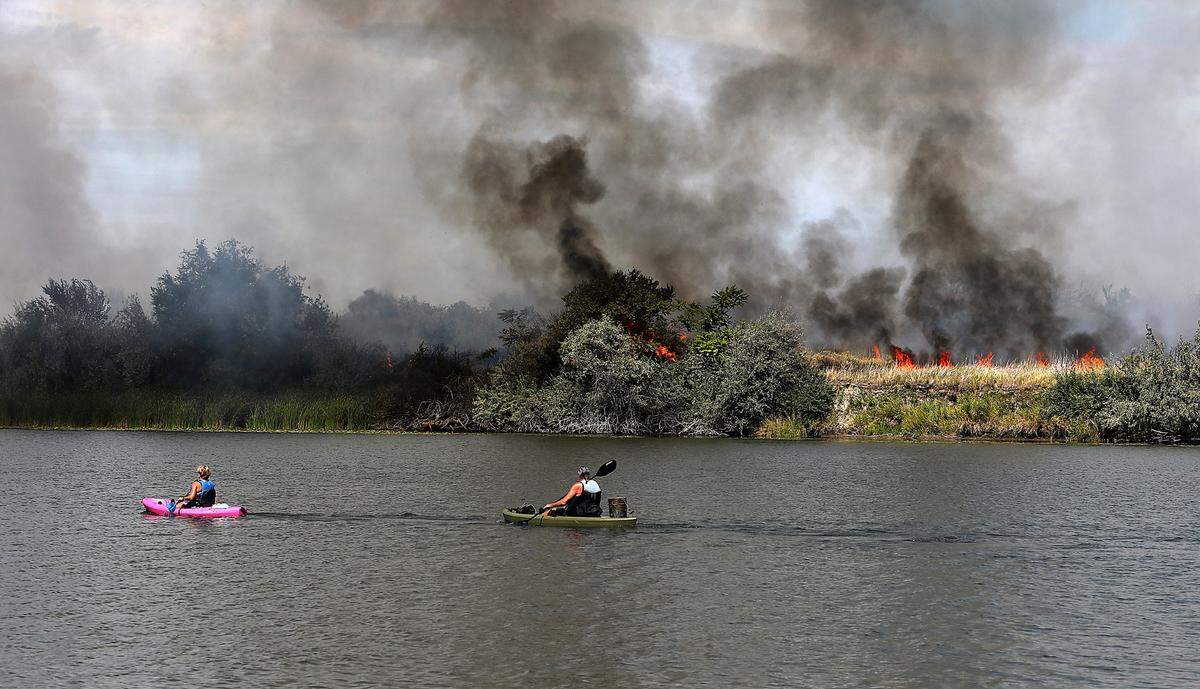
The lease obligates the city to maintain the island. That includes clearing hazards and fighting the regular fires that break out there, often traced to human activity.
Without the causeway, city officials say, it can’t do that efficiently.
If the city is allowed to drop Bateman from its lease, the Army Corps will take over. It is not known if it will close the island entirely or allow boaters and anglers to continue landing there.
Reporter Wendy Culverwell contributed to this account.
This story was originally published November 17, 2025 at 5:00 AM.