
Richland is abandoning Bateman Island now that feds cut off their access
AI-generated summary reviewed by our newsroom.
- Richland City Council voted to end recreation lease for Bateman Island.
- Army Corps plans to remove causeway to aid salmon restoration.
- Causeway removal may eliminate public access, altering island’s future use.
A popular destination for Tri-Cities hikers will soon be off limits.
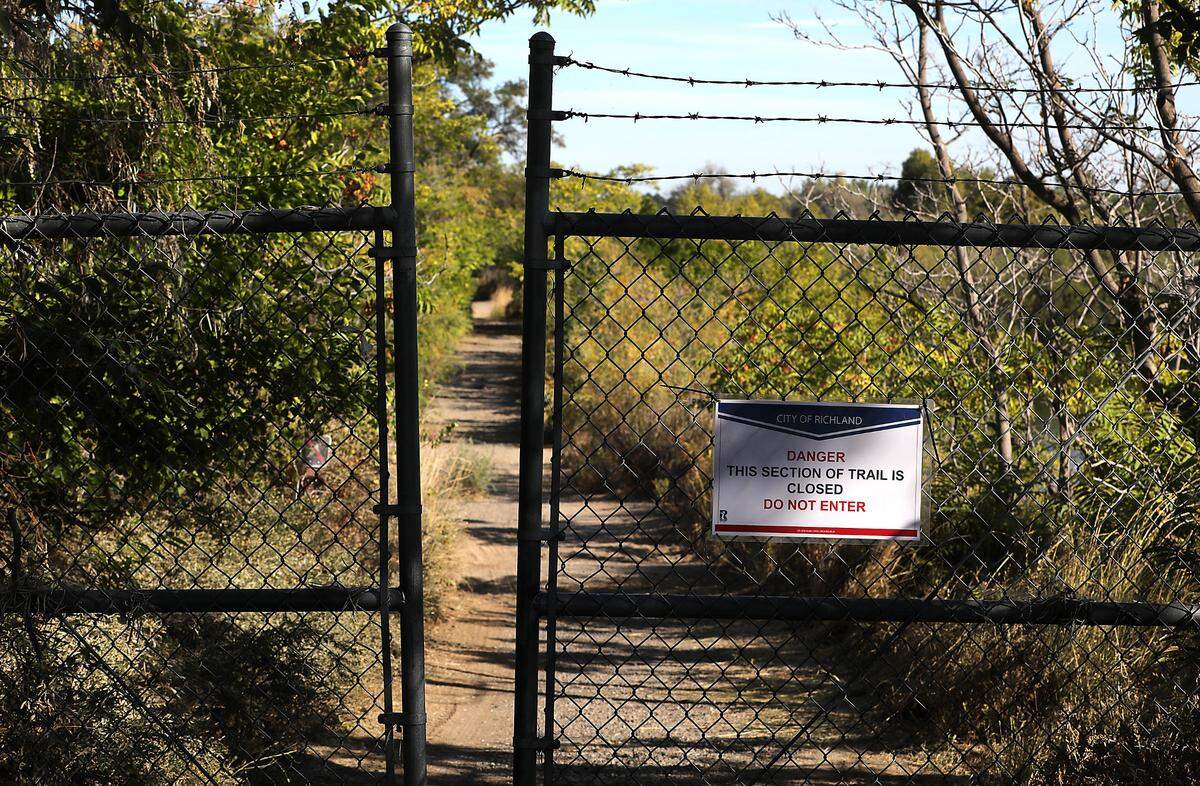
The city of Richland wants to end its responsibility for Bateman Island as the Army Corps of Engineers works to remove a 550-foot causeway that provides the only pedestrian access as early as this winter.
The city council voted 7-0 this week to petition the federal government to drop Bateman Island from a 2004 lease that lets it manage federal lands near the Columbia and Yakima rivers for recreation.
Fighting fires
The lease obligates the city to maintain the island. That includes clearing hazards and fighting the regular fires that break out there, often traced to human activity.
Without the causeway, city officials say, it can’t do that efficiently.
“That’s a large concern for us,” Chris Waite, the city’s parks and public facilities manager told the council this week.
The Army Corps indicated it welcomed the request, he said.
The state of Washington and the Yakama Nation recommended the city ask to be let out of its commitment to Bateman Island after it raised concerns about liability for hazardous conditions or fires it can’t reach.
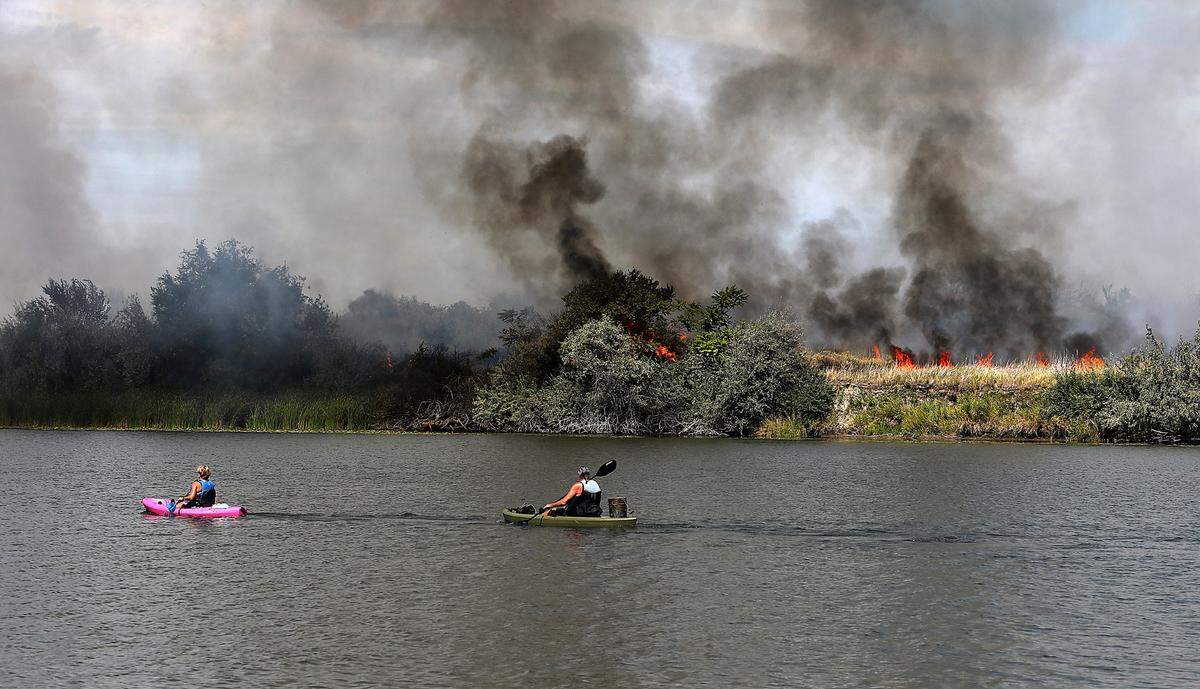
If the city is allowed to drop Bateman from its lease, the Army Corps will take over. It is not known if it will close it entirely or allow boaters and anglers to continue landing there.
Fish ‘ambush zone’
The causeway was built without authorization sometime between 1939 and 1940, according to aerial images taken in both years. Officials believe it was built to provide access to farms on Bateman Island.
In recent the years, the island is a natural habitat with hiking trails but no shelters or restrooms.
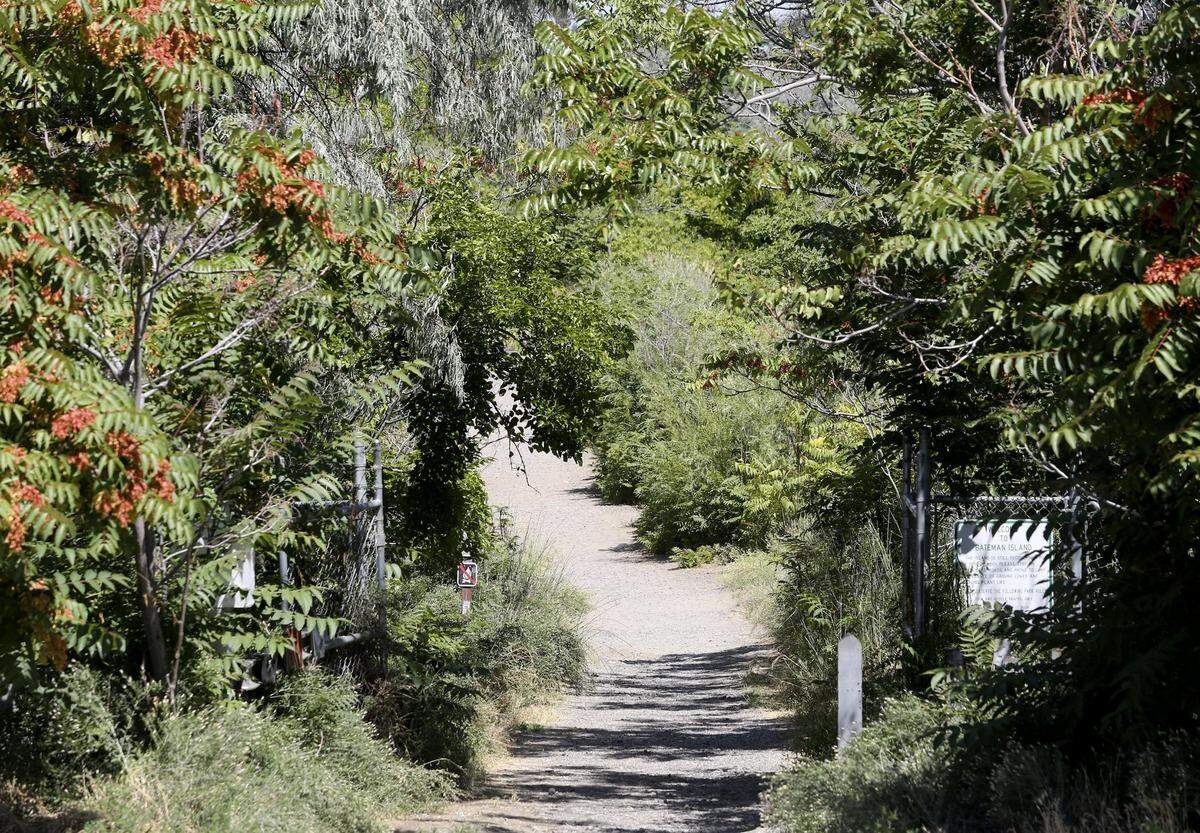
The structure is narrow but wide enough for vehicles and pedestrians.
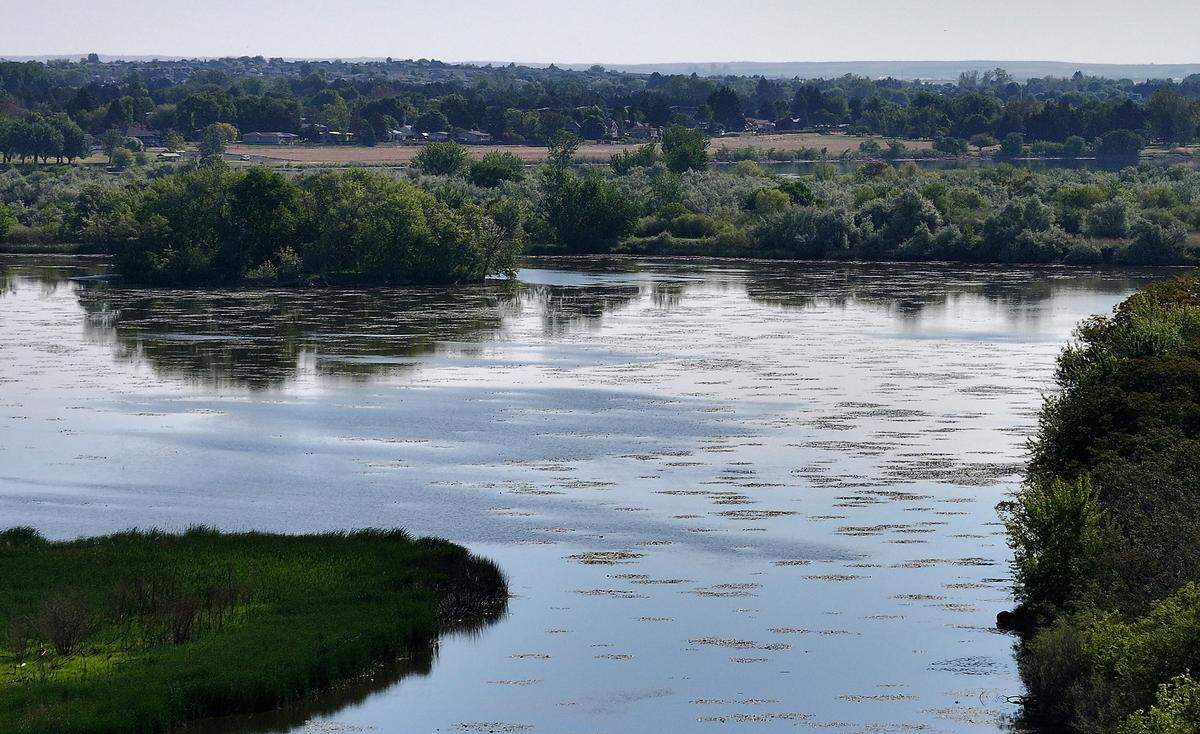
Unlike a bridge, it’s built like a dam, blocking water flowing from the Yakima River from passing south of the island.
Instead, water is forced to the north. The area behind the causeway is notorious for being warm, clogged with stargrass and providing an ideal home for predators such as bass that feed on juvenile salmon trying to make their way to the Pacific Ocean.
The current configuration is essentially an “ambush zone,” Joe Blodgett, manager of the Yakama/Klickitat Fisheries Project, told Richland’s elected leaders.
Juvenile salmon that turn right at the Columbia River face certain death in that zone.
Marine habitat
Blodgett said tribal and fisheries experts began discussing removing the structure 20 or more years ago.
The confluence of the two rivers was an important gathering spot for tribes, particular for the Yakama and Umatillas, who fished and traded along the shoreline.
Removing the causeway was publicly broached in the Tri-Cities in 2016, when the city and other agencies pleaded with the state to preserve access and protect the marina. The causeway even had supporters who noted it created habitat favored by shorebirds and bass that was worth saving.
The Washington Department of Fish and Wildlife and later, the Army Corps, joined the effort to protect anadromous fish in the Yakima.
Removing the structure will improve water flows, lower temperatures to a salmon-friendly level and even sweep away the silt that’s built up behind the causeway.
Hundreds of millions have been invested in habitat improvement on the Yakima, including a fish passage project at the Cle Elum Reservoir, a tributary.
Blodgett said the dream is full revival of salmon runs. For the region’s tribes, salmon are a first foods. Improved runs offer an opportunity to boost the lucrative sportfishing industry, he said.
“We have a long way to go.”
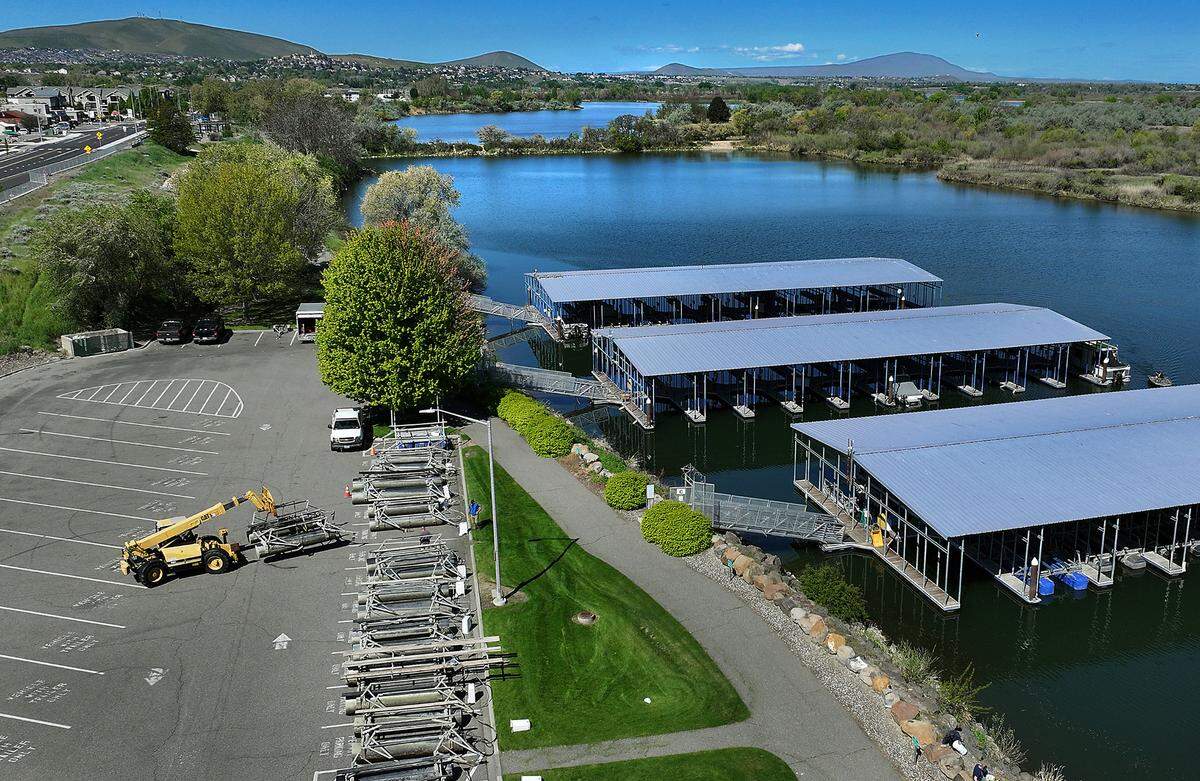
Columbia Park Marina
Tri-Citians are getting a preview of the changes coming to Bateman Island now.
Columbia Park Marina, a 106-slip privately-owned marina sheltered by the causeway, shut down this spring.
Owners Greg and Amy Ford, agreed to demolish the 1994-built structure, in part because it wasn’t meant to withstand stronger river currents. Demolition began in April and is ongoing.
The Army Corps set the stage to remove the causeway in October, when it released a Finding of No Significant Impact following a five-year review under the federal Environmental Policy Act.
The project will be submitted for review under the Washington State Environmental Policy Act or SEPA in June.
The causeway could be removed during the winter construction window, December 2025 and February 2026.