New WA law will bring Eastern WA farmers and food banks closer to fight hunger
AI-generated summary reviewed by our newsroom.
- New law tasks WSDA to assess the food system and create a statewide plan.
- Agencies will coordinate to improve farm‑to‑food‑bank links and distribution.
- Law directs analysis of harvest‑to‑delivery barriers and expands farm support.
From rising gas prices to inflation and rent prices doubling over the last decade, it’s harder than ever for Tri-Cities families to put food on the table. Those same pressures are making it increasingly hard for farmers to keep producing that food.
A new law will help Washington state reshape its approach to food insecurity at a time when federal aid is drawing down. A key component will be pushing state agencies to help strengthen relationships between farmers and food banks.
Food banks are struggling with dwindling federal support and uncertain commodity shipments, the bill will force the state to create a strategy to build a more resilient system.
The first step in the process will be to establish a coordinated statewide food security strategy that supports farmers, identifies areas driving hunger and takes into account the issues families say they are facing.
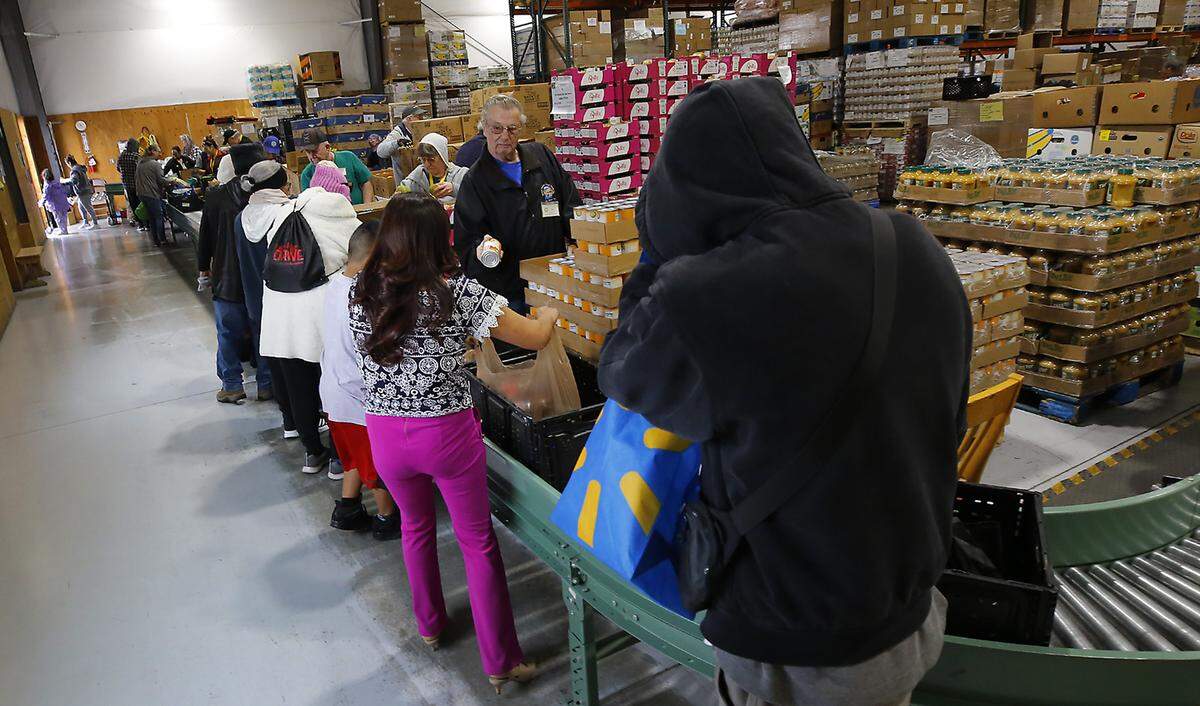
Food Banks across the Tri-Cities have reported increasing numbers of families in need of assistance every year since the COVID-19 pandemic began.
Over the past decade, the Tri-Cities Food Bank has seen its costs increase by about 50%, according to IRS data.
Families already struggling to make ends meet are unable to keep up with the rapid inflation seen over recent years.
Last year, more than 1-in-6 Tri-Cities households relied on SNAP food stamps. That’s 17,000 families, according to U.S. Department of Agriculture data.
Turning policy into progress
The Washington state Department of Agriculture will start by assessing the state’s food system and identifying policy barriers that limit or disrupt the supply chain, according to a news release from Northwest Harvest.
Northwest Harvest Public Policy Director Anna Nepomuceno told the Tri-City Herald that state agencies also will work to create a more unified aid system, connecting the currently siloed work that several agencies are responsible for.
“This bill brings all of those different agencies together to communicate and work together to make sure that there’s no duplication, and streamline and ensure people have better access to food,” she said.
As these agencies work on identifying what is causing families to go hungry in Washington state, those families will also have a chance to be heard. Solutions are expected to center on lived-experience, to ensure new approaches work for families.
Nepomuceno said the new law will allow Washington state to continue, and expand on, successes made during the COVID-19 pandemic.
“It gives the WSDA the authority to oversee the food system, during COVID that was a temporary thing,” she said. “It codifies it, so they will remain leading the food system in our state. It also directs them to establish a statewide food security plan to eliminate hunger.”
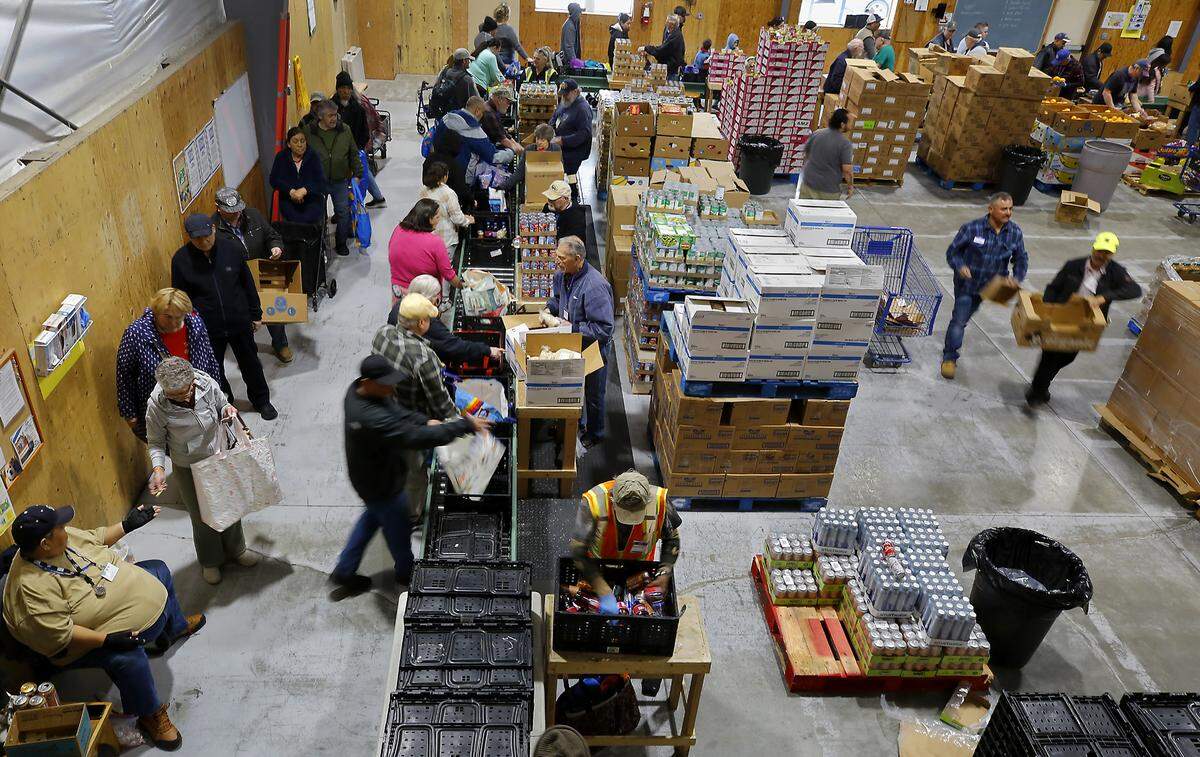
“It’s going to improve the farm to food bank pipeline to ensure more fresh produce and goods are distributed across the state,” she continued. “More food for food banks means more food for families across the state.”
Helping farmers
Nepomuceno said that farms are struggling across the state, and the new law will empower state agencies to identify the barriers they’re facing, and begin working on practical solutions.
As one of the nation’s most productive agriculture regions, the Yakima Valley and Mid-Columbia could see big benefits if the state is able to get farmers the help they need to remain productive and profitable.
One of the biggest challenges farms face is younger generations deciding to move away from agriculture.
“Studies show that one of the main contributors in food deserts in rural areas is the decline of small farms in those communities,” Nepomuceno said.
“If we uplift those farms and encourage a new generation to take up farming, those are the things that are really going to have a direct impact on families who are struggling with food insecurity.”
State agencies will also focus on identifying how to improve access, affordability and the means to grow food or hunt.
“(The bill) requires an analysis of root causes of hunger and really getting to the bottom of it,” she said. “We can’t food bank our way out of hunger, we need to look at the system as a whole.”
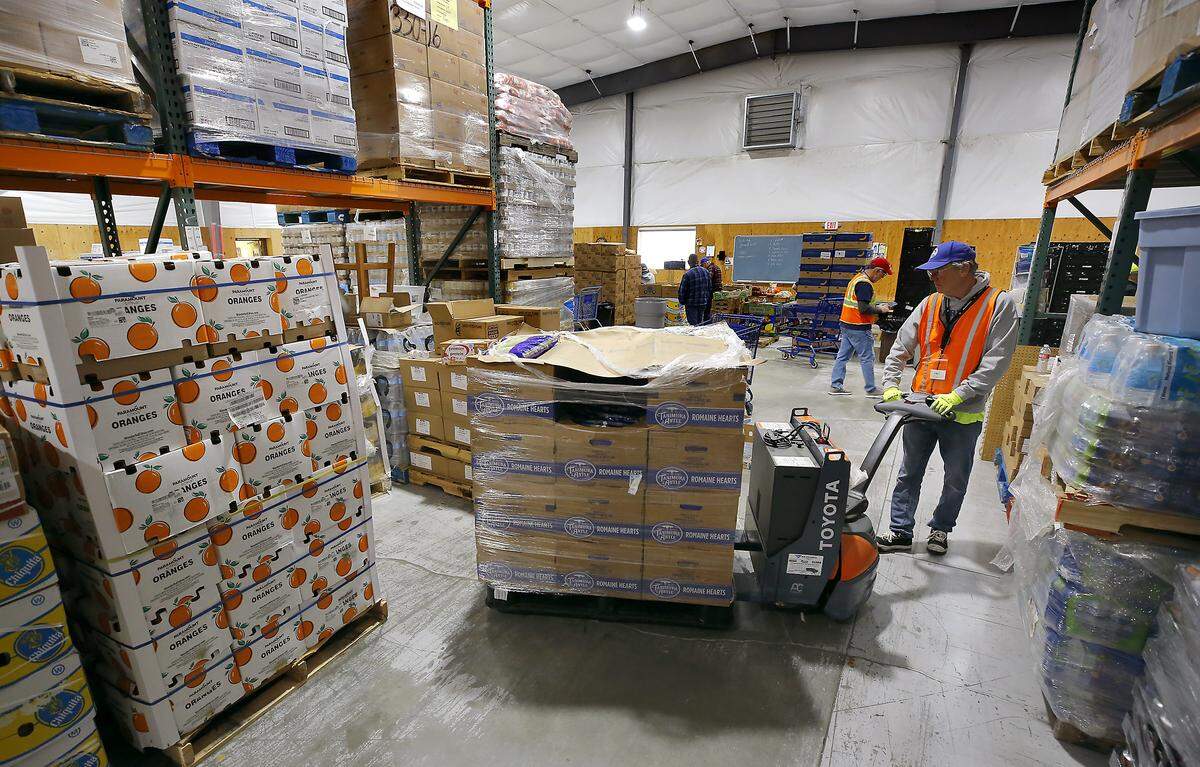
Another barrier they’ve already identified is getting produce from farms to food banks. It’s currently costly for farmers to harvest and transport excess products, and most food banks don’t have the means to send volunteers to do so.
“How do we optimize that system? Farmers can’t just be expected to do all the labor on their own and the transportation,” she said.
“How can we support our food banks and distributors to work with farms? Either giving money directly to the farmers so they can do that, grants to organizations to pay the farmers or set up the infrastructure itself to pay for the labor costs or transportation.”
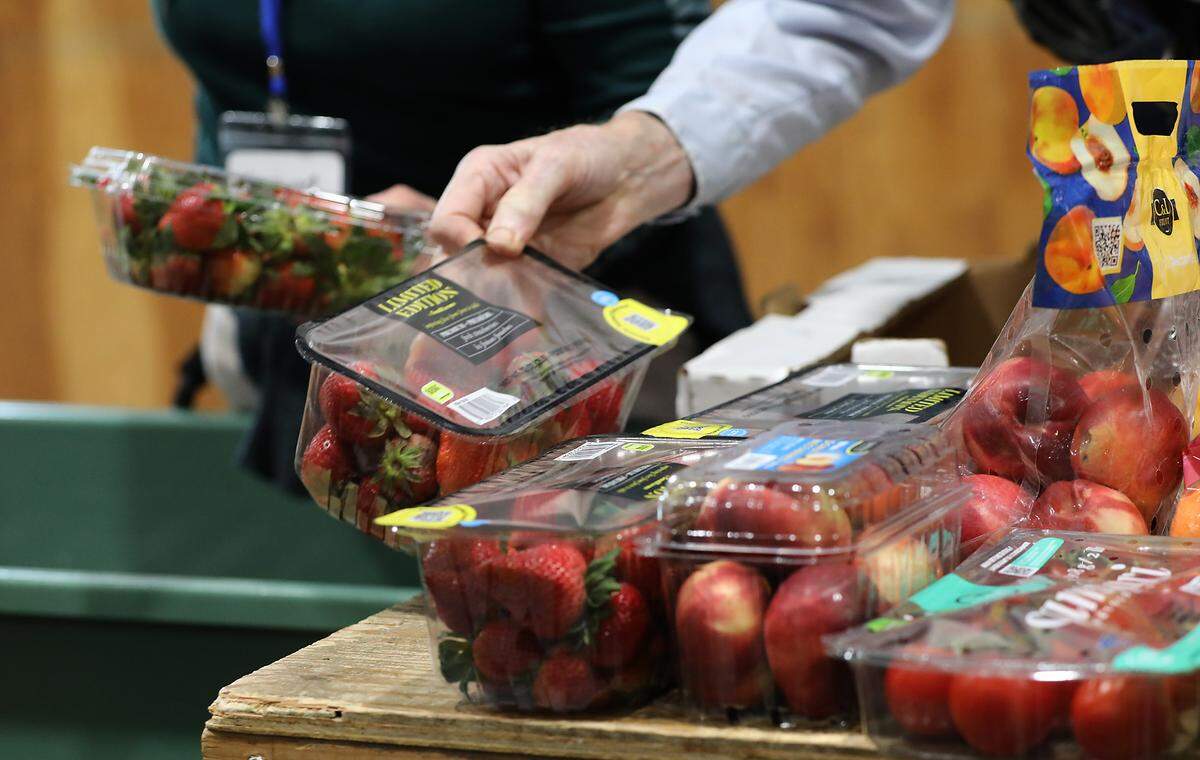
A solution to that challenge means more food for food banks to distribute, and more healthy produce for children in schools.
Nepomuceno said implementing solutions to these problems is critically important as the federal government shifts more of the costs of food stamp programs to the states.
These initiatives will also guide and inform future legislation.
“We need to transform our food system, so every family gets the food that they need,” Nepomuceno said.