How Trump cuts will impact Tri-Cities families, food assistance, schools
AI-generated summary reviewed by our newsroom.
- Trump budget slashes SNAP, cuts food bank aid.
- Tri-Cities schools face millions of dollars in federal education funding losses.
- Pell Grants, workforce programs, housing support see major federal cuts.
Thousands of Tri-Cities families will soon have less access to food assistance, while food banks lose resources needed to help them get by.
President Donald Trump’s “Big Beautiful Bill” will put an unmanageable burden on states to supplement the cost of food stamps, as well as slash direct food donations to food banks and eliminate critical funding sources for nonprofits.
Washington’s 4th Congressional District, which includes the Tri-Cities and much of Central Washington, has the highest rate of SNAP users in the state. These cuts will directly impact the 17,000 Tri-Cities families on the program.
The massive bill is guided by spending requests from the White House. It will extend the 2017 Trump tax cuts, while cutting billions of dollars in social program funding.
It’s been described as the largest cuts to social welfare programs since at least the 1990s, and according to some experts the most severe in modern history.
Thousands of nonprofits nationwide will also be directly impacted by the sudden elimination of grant programs.
Food stamps
One in every six Tri-Cities households receive SNAP benefits, according to USDA data. That’s nearly 17,000 Tri-Cities families that could be impacted by cuts to the food stamp program.
The changes to the program will impact families already meeting requirements set out by law by changing eligibility and will increase the share states will need to pay.
Franklin County has the second highest rate of recipients in Washington state. Benton ranks 12th out of 39.
More than 1-in-4 Tri-Cities households on the program include an elderly person and about 60% have children.
The average family of four is expected to see a decrease of about 15% to 20%, or $56 per month out of $330 in benefits, according to the most recent estimates.
And expanded work requirements could kick nearly 200,000 Washington residents off the program entirely.
Food insecurity in the Tri-Cities area is 21% higher than the state average, according to Benton Franklin Trends.
While the Tri-Cities is buoyed by high paying federal jobs, about 57% of jobs in the Tri-Cities area pay less than $55,000 per year.
The percent of people living in poverty in the area is about 21% higher than the state average.
The extreme cost of child care also has left many families having to choose between both parents working and one staying home to take care of kids.
The average cost of child care in Washington is now nearly as high as paying for college. With a single income, more children are likely eligible for the free healthcare.
Food banks
Resources that provide Tri-Citians with food assistance are already struggling after DOGE froze funding for various programs and the U.S. Department of Agriculture began scaling back food deliveries.
Food banks across the nation lost about $1 billion in funding earlier this year, which does not appear to be renewed in any way for the 2026 fiscal year.
Those direct food deliveries were largely partnerships with farmers and manufacturers.
Thousands of families in the Tri-Cities rely on food banks, such as St. Vincent De Paul and Tri-Cities Food Bank.
Housing
In addition to emergency housing funds cut earlier this year, the Big Beautiful Bill also entirely eliminates Continuum of Care programs.
Those help pay for services such as permanent and supportive housing funding.
The FEMA Emergency Food and Shelter Program was partially used to pay for vouchers that helped keep people from being evicted or move out of dangerous situations, including through domestic violence shelters.
The Department of Housing and Urban Development has slashed its budget by about 44%, through cuts that eliminate Community Development Block Grants and nearly cut in half the money for homelessness and affordable housing programs.
Supportive housing projects in the Tri-Cities includes Catholic Charities’ Bishop Skylstad Commons in Pasco and apartments and a tiny home community in Kennewick. Both of those programs serve many veterans and adults with disabilities.
The funding typically helps residents pay their income-based rent.
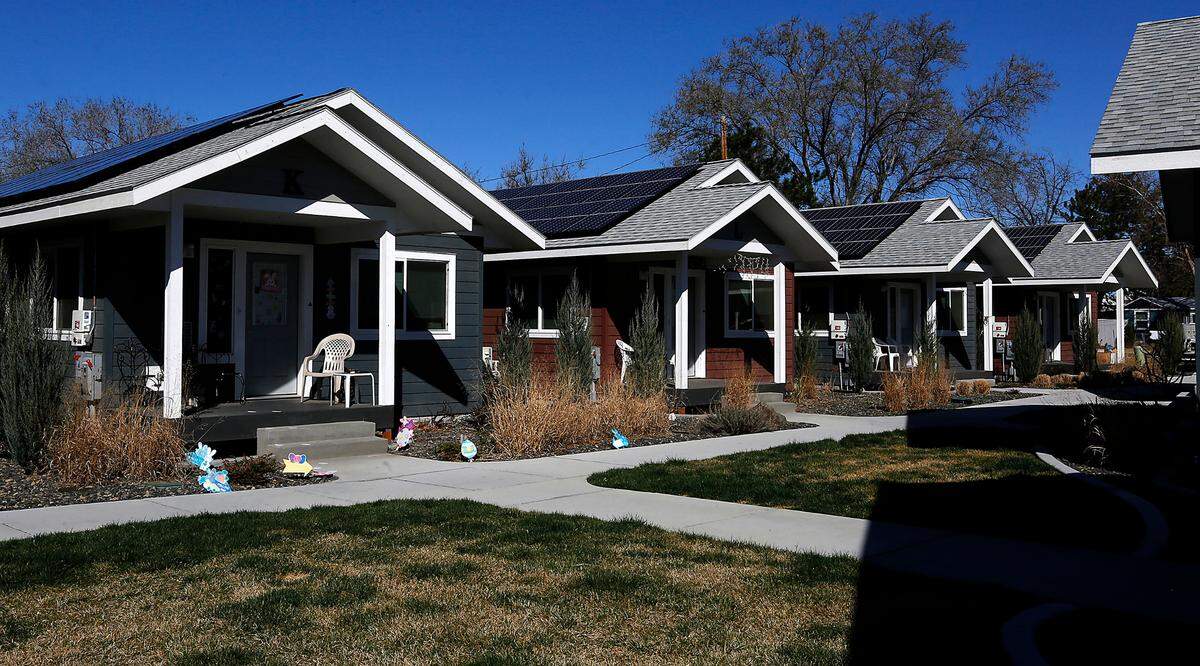
This year Community Development Block Grants in the Tri-Cities helped fund nonprofits such as Elijah Family Homes and Arc of Tri-Cities, as well as organizations that provide services for seniors and families escaping domestic violence.
Continuum of Care and FEMA funding also are critical for helping people displaced by natural disasters.
College and career
The average Pell Grant will shrink by about 23%, or $1,700, in the 2026-27 academic year.
Experts say this will force more students to take out loans and could force low-income students to drop out of college.
Pell Grant eligibility changes also will disproportionately harm disabled students who cannot attend school full time.
Workforce development programs would see a 29% reduction in funding nationwide. The bill also completely eliminates programs such as Job Corps, Senior Community Service Employment Program and Adult Education funding.
K-12 education
Proposed K-12 federal funding cuts could take millions of dollars away from Tri-Cities school districts at a time when they are already struggling with increased costs and a state budget crunch.
Cuts by district
- Kennewick - $3.5 million
- Pasco - $4.4 million
- Richland - $700,000
- North Franklin - $770,000
- Ki-Be - $530,000
- Prosser - $860,000
- Finley - $106,000
Cuts to Head Start are estimated to come in at more than $700 million, leading to 80,000 less spots in the program nationally. While the program won’t be entirely eliminated, it has already seen significant cuts.
More than 400 children in Eastern Washington already lost access to the program when a Sunnyside nonprofit was forced to close earlier this year due to funding freezes.
In addition, Murray’s office estimates that up to $150 million of frozen, already appropriated K-12 funds for Washington schools still have not been released. About $11 million was due July 1 to Tri-Cities school districts. Those funds are part of programs that are slated for elimination.
Some of these funds help pay for student support, teacher training, adult literacy, before and after school programs and more.
Other cuts that impact families
AmeriCorps has been eliminated. Hundreds of volunteers in the Tri-Cities, Walla Walla and Yakima have been let go, and programs that paired students with mentors and tutors for reading and math may have to close.
The Dolly Parton Imagination Library, which provides free books for children survived federal budget cuts thanks to state intervention. Washington Superintendent of Public Schools Chris Reykdal hopes they can convince federal lawmakers to bring back funding for the program next year.
Cuts to the National Endowments for the Humanities threaten more than $10 million worth of grants in Washington state. Those cuts will impact Prime Time Family Reading programs at local libraries. They will also cut funding for speakers bureau events at the Richland Public Library, East Benton County Historical Society, Columbia Basin College and more.
Find the full list of cuts here:
This story was originally published July 11, 2025 at 12:39 PM.