How Trump cuts will impact Hanford, Tri-Cities energy and science research
AI-generated summary reviewed by our newsroom.
- Federal budget threatens Tri-Cities clean energy growth and Hanford cleanup pace.
- LIGO Hanford faces closure risk
- STEM, health research and education grants face losses nearing 50%.
The Tri-Cities has a thriving energy sector with billions of dollars in planned investments that is now at risk with the President Trump’s signing of the “Big Beautiful Bill.”
It slashes research grants, eliminates tax credits for solar and wind projects and threatens to slow down radioactive waste cleanup at the Hanford nuclear site.
The Tri-Cities will take a much harder hit to science and research projects than most areas of the country with an economy rooted in billions of dollars to Hanford cleanup work and Pacific Northwest National Laboratory in Richland.
The massive bill is guided by spending requests from the White House. It will extend the 2017 Trump tax cuts, while cutting billions of dollars in social program funding. It’s been described as the largest cuts to social welfare programs since at least the 1990s, and according to some experts the most severe in modern history.
Energy funding
Major cuts to green energy funding could impact the Tri-Cities area.
Several major wind and solar projects are proposed in the region, but the spending bill all but eliminates incentives for wind, solar and other clean energy projects.
It’s unclear if any projects currently being developed will be impacted by these reductions, but they’re sure to factor into any future considerations for similar energy initiatives in the area.
Tax credits for buying electric vehicles and residential solar panels also are eliminated.
Rep. Dan Newhouse, R-Sunnyside, saved some tax credits for energy projects that were set to be eliminated. The credits are highly sought after by companies looking to build small modular nuclear reactors in the Tri-Cities area. Loss of these credits could have cost the region billions of dollars in projects to power data centers.
Hanford nuclear site
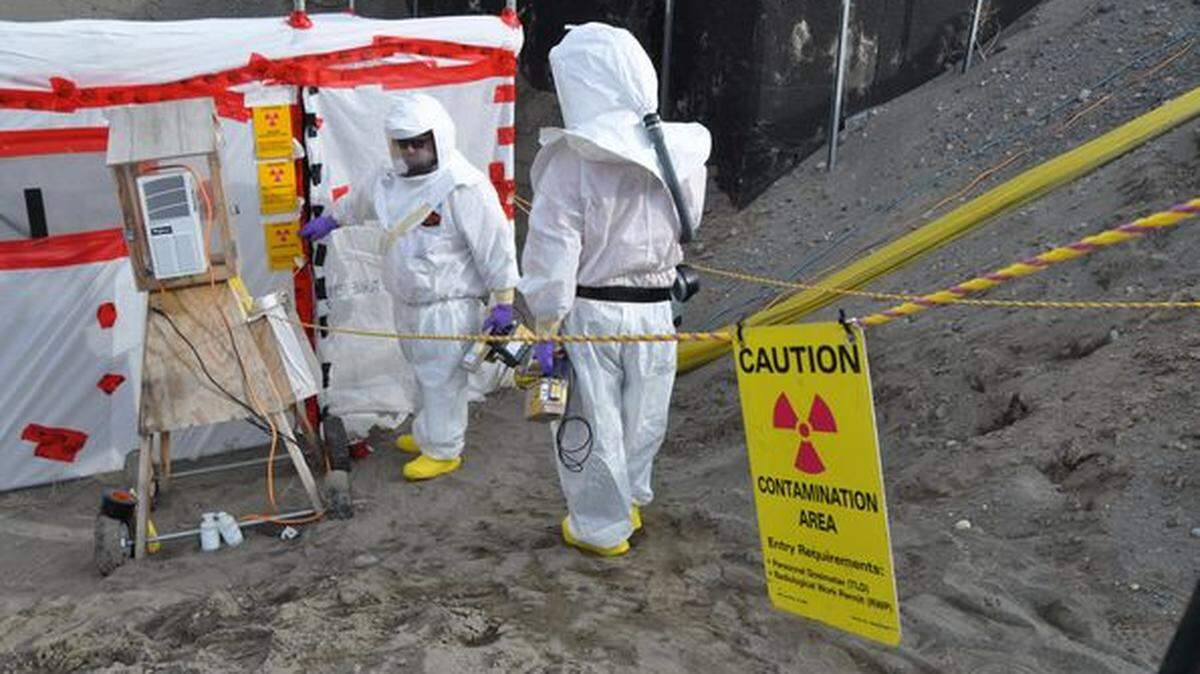
While the budget at the Hanford site isn’t being cut, lawmakers say the funding is inadequate to achieve cleanup goals.
The Washington state Department of Ecology, a Hanford regulator, estimated in 2024 that a budget of almost $4.7 billion would be needed in fiscal 2026 to meet legal deadlines for environmental cleanup of the site.
The proposal for FY 2026 would provide just under $3.1 billion for environmental cleanup work at the nuclear site in Eastern Washington, where about 13,000 are employed.
LIGO Observatory
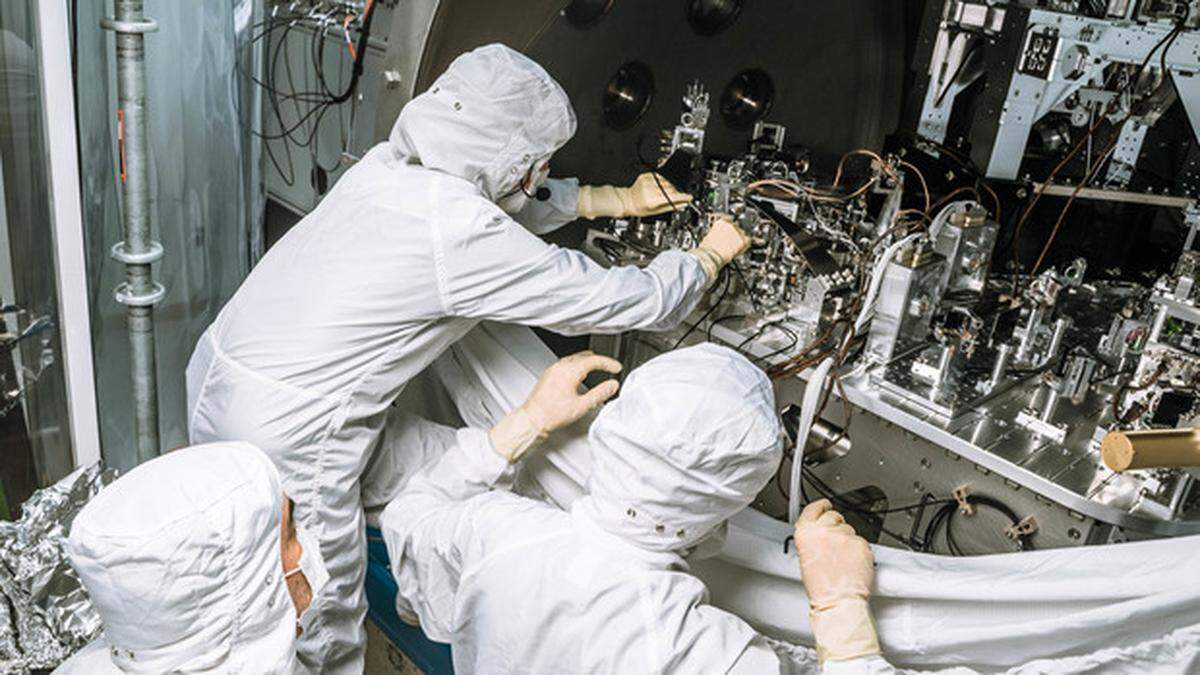
The cuts slated for the National Science Foundation could shutter one of the nation’s two LIGO sites.
The Laser Interferometer Gravitational-wave Observatories, LIGO Hanford, is about 10 miles from Richland on unused Hanford nuclear site land, and its twin, LIGO Livingston is in Louisiana.
The two observatories work in tandem to study gravitational waves. Confirming findings at each site is key to their research.
The Trump proposal calls for not only closing one of the two U.S. observatories in fiscal 2026 but also reducing LIGO spending for technology development. Their total budget would be reduced by 40% from $48 million in fiscal 2024 to $29 million in fiscal 2026.
It’s unclear what that means for planned upgrades slated for 2026, or which site is being considered for closure.
Scientific research grants
The Pacific Northwest National Laboratory employs more than 6,000 scientists, engineers and other professionals engaged in cutting edge research.
Research at the laboratory covers a wide array of disciplines with work on everything from hazardous waste cleanup to national security technology and medical advances.
While it’s unclear what research projects at PNNL could be at risk, the spending bill will result in significant cuts to research grants — especially those related to health and medicine.
Estimates from a new group called Friends of PNNL, places the price tag of lost research funding as high as $250 million. Those cuts are just from work on renewable energy and biological and environmental research. The group is made up of supporters and retired lab workers advocating to save the funding.
The National Institutes of Health has already canceled or delayed thousands of grant projects.
The most recent round of NSF grant cuts included will lead to less opportunity for women and minorities in STEM. An analysis by the Hechinger Report listed cuts of:
- $28 million to biological science research
- $45 million for computer and information science and engineering
- $36 million for geosciences
- $61 million for technology, innovation and partnerships.
- More than $773 million in grants for STEM education were also cut.
The analysis said these cuts largely focused on efforts to increase participation of women and Black and Hispanic students in STEM fields.
Total cuts to science and education grants could reach as high as 50%, according to the University of California. Such drastic cuts would see China overtaking the United States in total research and development funding by 2027.
National Weather Service
The National Weather Service office covering the Tri-Cities area already has been impacted by DOGE cuts. Earlier this year the office had to eliminate overnight staffing due to job cuts and a federal hiring freeze.
The office in Pendleton, Ore., serves one of the largest areas outside of Alaska. Its Washington state service area includes Benton, Franklin, Walla Walla, Yakima, Columbia, Kittitas and Klickitat counties. It also covers 11 counties in Eastern Oregon, including Umatilla and Morrow counties.
The office will still have limited staffing during emergencies.
At the end of the month the National Oceanic and Atmospheric Administration (NOAA), which oversees the NWS, will lose access to the Department of Defense satellites that enable it to track real time atmospheric conditions. This data is key to NWS hurricane forecasting, say officials.
Weather balloon launches, another tool in tracking real time weather conditions, have also been cut back at several locations. NASA has a balloon launch site in the Pacific Northwest in Burns, Ore., about 5 hours south of the Tri-Cities.
While the NWS has acknowledged earlier job cuts went too far, it is expected to only fill 126 of the estimated 600 positions cut nationwide.
Find the full list of cuts here:
Reporter Annette Cary contributed to this report.
This story was originally published July 17, 2025 at 12:52 PM.