
Radioactive waste emptied from aging, leak-prone tank in Eastern WA
AI-generated summary reviewed by our newsroom.
- Another of Hanford site’s tanks emptied of most radioactive waste.
- Much of Hanford’s 56 million gallons of radioactive waste is stored in leak-prone tanks.
- Retrieval marks progress on emptying waste from 149 underground single-shell tanks .
Hanford nuclear site workers have finished retrieving radioactive and hazardous chemical waste from another leak-prone, underground tank, making it the 23rd tank to be “emptied” if Hanford regulators agree.
“Safely retrieving waste from aging tanks is one of Hanford’s highest priorities,” said Mat Irwin, Hanford Department of Energy assistant manager for tank waste operations. “This retrieval reflects steady progress, disciplined execution and our continued commitment to protecting human health and the environment.”
The Hanford nuclear site adjacent to Richland in Eastern Washington was used during World War II and the Cold War to produce 74 tons of plutonium, or nearly two-thirds of the plutonium for the nation’s nuclear weapons program.
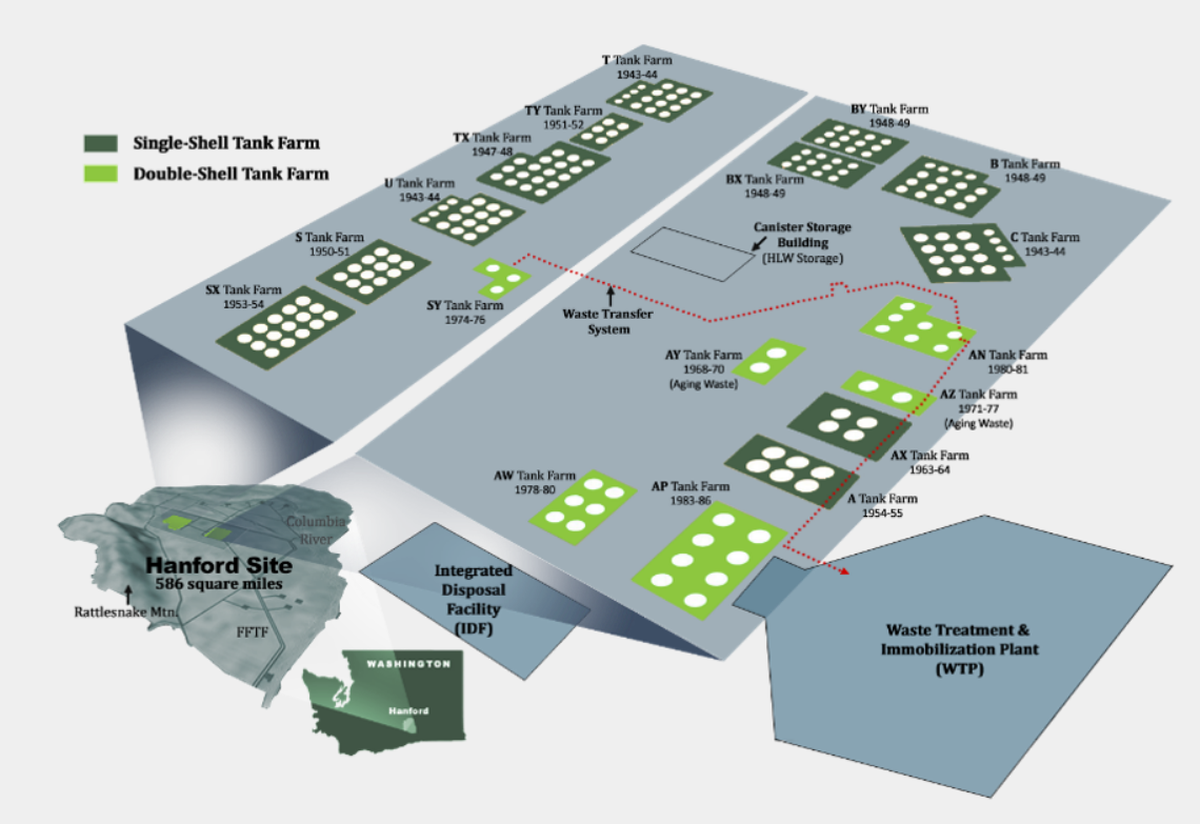
Among the waste still being cleaned up from that work is 56 million gallons of radioactive and hazardous chemical waste left from chemically separating plutonium from irradiated uranium fuel and stored in underground tanks. The tanks are made of reinforced concrete with one or two steel liners and buried under several feet of soil to shield workers from radiation.
.jpg "A Farm 02-09-26 (1).jpg")
The first of 149 single-shell tanks at Hanford was emptied around the start of 2004, setting a pace of completing waste retrieval from the tanks at about one a year.
Waste is emptied into 27 newer double-shell tanks for storage until the waste can be treated for permanent disposal. The Hanford vitrification began turning some of the tank waste into a stable glass form in October and 2,000 gallons of tank waste were turned into a grout, or concrete-like form, in a successful pilot project.
The latest tank to be emptied of solid waste is Tank A-102, one of six tanks in the group called the A Tank Farm. Each of the tanks built about 70 years ago is large enough to hold about 1 million gallons of waste.
Tank A-102 is the second tank emptied in the A Tank Farm, with work on Tank A-101 completed about eight months ago.
Previously, as much liquid waste as possible was removed from all 149 single-shell tanks to prevent or limit leaking. Some 67 single-shell tanks are suspected of leaking or spilling radioactive waste into the ground in the past, and three single-shell tanks are known to be leaking now.
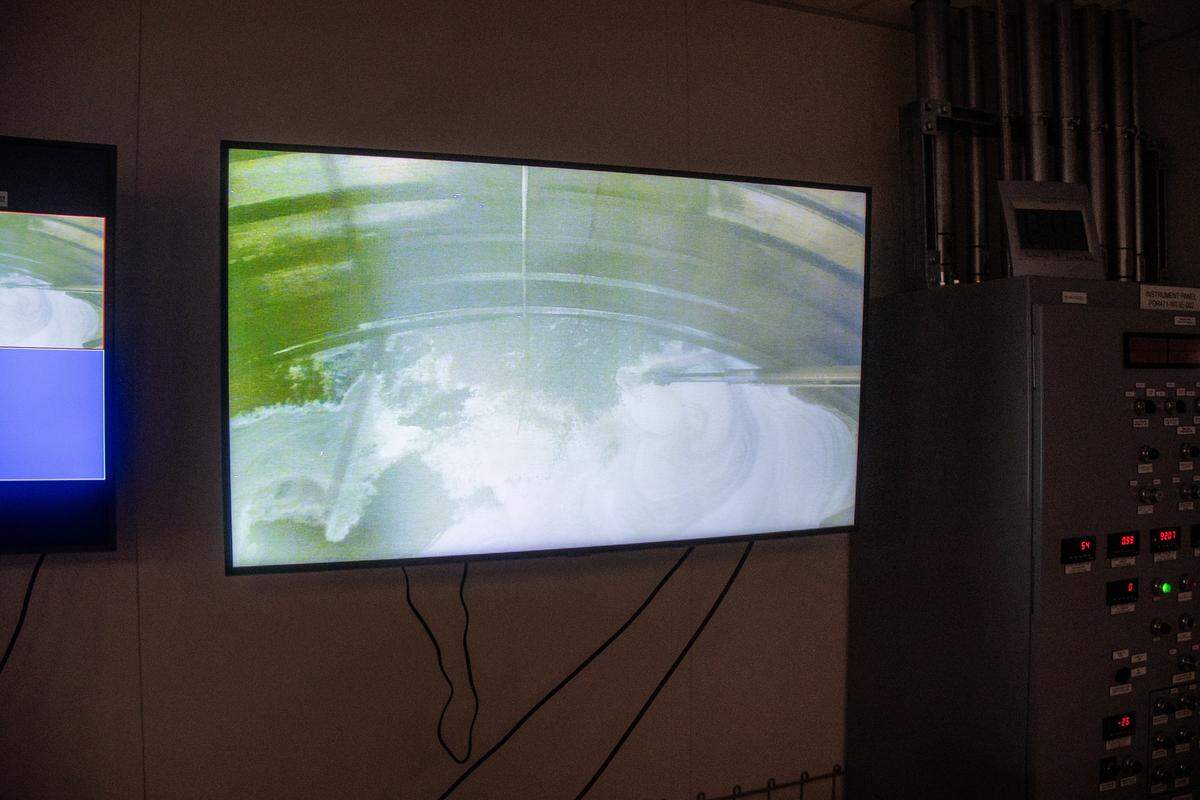
That left about 38,000 gallons of mostly salt cake at the bottom of Tank-102, which is not one of the suspected leakers.
As part of a plan to retrieve tanks more quickly in the future, DOE has started having its tank farm contractor install infrastructure for waste retrieval for all tanks in a farm before retrieval begins. That allows workers to switch between tanks as needed to prevent long down-times.
Tank A-102 waste removal
Work to retrieve Tank A-102 began in early 2025 and has been done in conjunction with Tank A-106, which has been a more complicated project because the pit on top of that tank was too radioactively hot to insert a pump into the underground tank.
DOE contractor Hanford Tank Waste Operations and Closure, or H2C, used conventional sluicing in Tank A-102 and also two high-pressure spray nozzles to break up the salt cake and move it toward a pump for removal.
Washington state Department of Ecology standards generally require each tank to have waste removed until all that remains is about an inch of waste if it were spread evenly over the bottom of the tank.
However, if the limits of technology are reached before that much waste is removed more waste may be left.
H2C is collecting information for Ecology on the remaining waste, which appears to be about 15% of the salt cake.
Ecology is still considering approval not only of the waste retrieval from Tank A-102 but also Tank A-101.
H2C is close to finishing waste retrieval on Tank A-106, which would make 24 tanks emptied, if Ecology agrees.
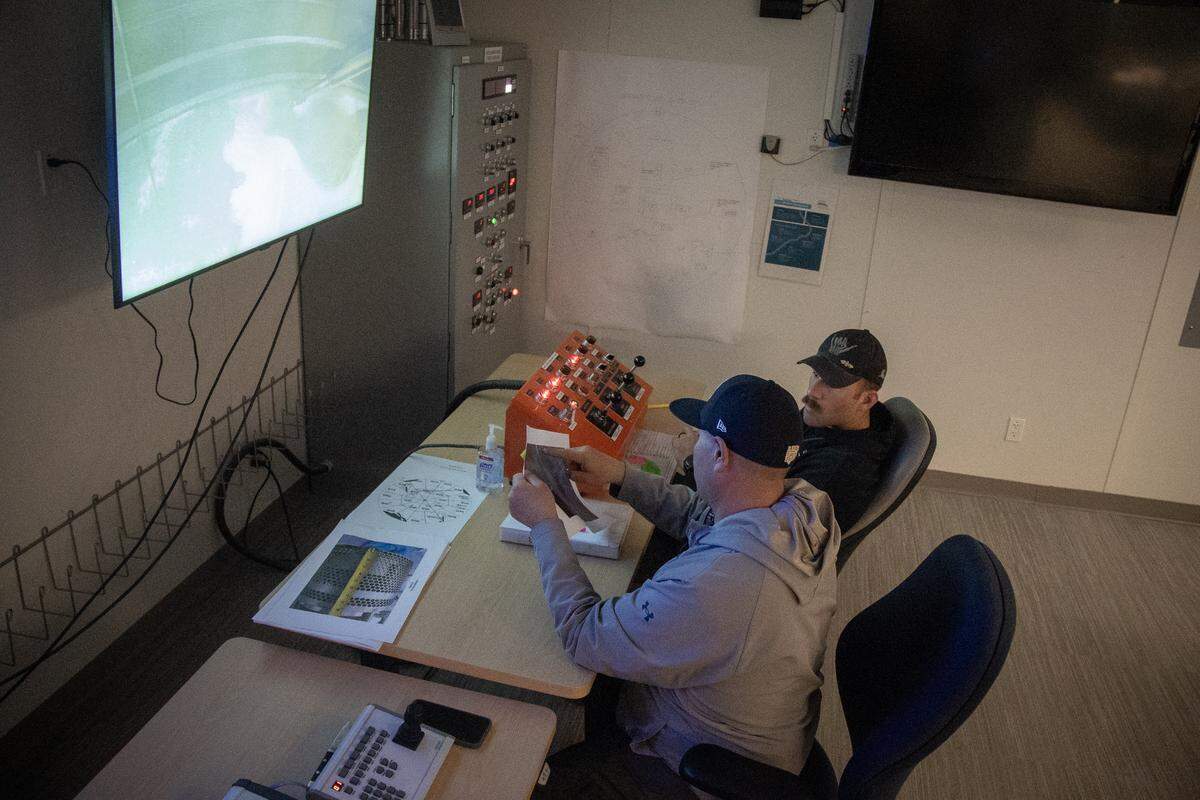
Because the Tank A-106 pit was so radioactively hot, workers cut into the top of one of the nuclear reservation’s single-shell tanks for only the third time in nearly two decades to insert the pump.
Usually equipment to retrieve waste is inserted through risers, or pipes, that run from inside the underground tank to above ground.
“The Hanford workforce is highly skilled and well-trained to meet the unique challenges that come with tank waste retrieval,” said Phil Breidenbach, H2C chief operating officer.
To date about 3.4 million gallons of mostly solid waste has been removed from single-shell tanks. Work to empty Tank A-106 is expected to be completed this summer.
This story was originally published May 1, 2026 at 12:01 PM.