
Trump admin proposes $400M cut at Hanford nuclear site. ‘Slap in the face’
AI-generated summary reviewed by our newsroom.
- Trump administration proposes cutting Hanford site spending next year.
- Cuts of about $400M would delay environmental cleanup work.
- Powerful senator calls proposed cuts “slap in the face to the Tri-Cities.”
The Trump administration is proposing a cut to the Hanford nuclear site budget of about $400 million, delaying some environmental cleanup projects.
On Friday the Trump administration released a topline budget request for the Department of Energy for fiscal year 2027, and DOE also released a more detailed Budget in Brief detailing the request.
The DOE document listed the current budget for Hanford for fiscal 2026, which ends in September, at a record $3.3 billion.
But the Trump administration is recommending slashing about $394 million, according to the DOE budget.
The office of Sen. Patty Murray, D-Wash., who is vice chair of the Senate Appropriations Committee, said the proposed cut could be higher than that at closer to $404 million.
The DOE document said the proposed cut would include $228 million from the tank waste program — the environmental cleanup program under Hanford Office of River Protection — to a little over $1.9 billion.
The Hanford Office of River Protection is responsible for 56 million gallons of radioactive and hazardous chemical waste stored in underground tanks, many of them prone to leaking, and also responsible for the treatment of the waste to allow its permanent disposal.
The waste is left from the past production of plutonium during World War II and the Cold War for the nation’s nuclear weapons program.
The remainder of environmental cleanup work at Hanford is the responsibility of the Hanford Richland Operations Office. Its budget is proposed to be cut by about $166 million to just over $1 billion.
Murray called Trump’s budget request “completely unacceptable.”
Hanford site project delays
“Hanford is the largest nuclear cleanup site in our country, and it is not only dangerous, but costs more in the long run to cut corners on nuclear waste cleanup,” she said in a statement. “Trump’s proposed budget is a slap in the face to the Tri-Cities, threatening the Hanford cleanup mission and the community with this absurd budget request.”
Murray has repeatedly gone to bat for Hanford, using her powerful position in the Senate Appropriations Committee, to obtain more funding than requested by both Democrat and Republican administrations.
“The federal government has a moral and legal obligation here,” she said Friday. “And as long as I help lead the appropriations committee, Congress is going to meet that obligation.”
The DOE budget request document said that a cut to Richland Operations Office funding is appropriate because of progress made it its environmental cleanup programs, including construction of an 11th disposal cell in a huge lined landfill in central Hanford, the Environmental Restoration Disposal Facility.
But the cuts also reflect delays on some environmental cleanup work, according to the DOE document.
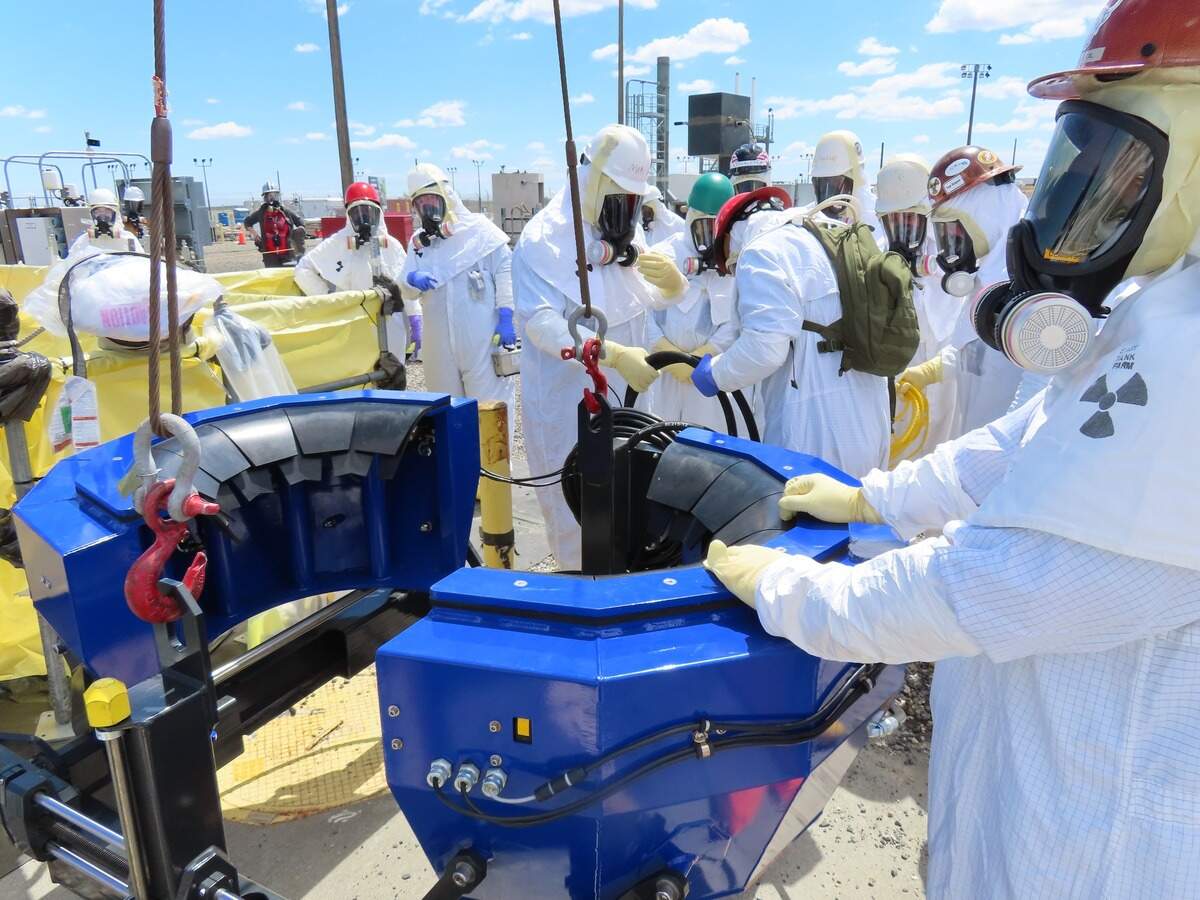
They include a temporary hold on deactivation of the Hanford 324 Building, which sits over a leak of highly radioactive cesium and strontium 1,000 feet from the Columbia River and a mile north of Richland. Monitoring wells are being used to check for any spread of the contamination in the soil.
A temporary hold also would be placed on work to finish demolishing buildings and cleaning up waste sites at the K West Reactor, the last of eight plutonium-production reactors that are planned to be cocooned, or put into long-term storage.
Infrastructure projects also would be delayed, including replacing a 1.1-million-gallon potable water tank in central Hanford and electrical capacity and water system upgrades.
Hanford vit plant budget cut
The administration’s topline budget document said the Hanford funding cut “reflects a strategic focus on near-term critical path cleanup milestones.”
At the Hanford vitrification plant, formally called the Waste Treatment Plant, the proposed budget would cover continuing glassification of the least radioactive waste held in underground tanks. The plant began vitrifying low activity radioactive tank waste in October, 23 years after construction of the massive plant began in the center of Hanford.
The Trump administration’s topline budget document said that its proposed strategy would reduce liability, as opposed to appropriating money to be held for vitrification plant construction projects still in the design phase.
That appeared to be referring to the High Level Waste Facility at the vitrification plant. Construction on that facility to be used to glassify the most radioactive tank waste was halted in 2012 to address technical issues. Only limited construction had been done since then.
The Department of Energy said in a meeting last year to discuss work objectives that the design of the High Level Waste Facility would be mostly completed in fiscal 2027.
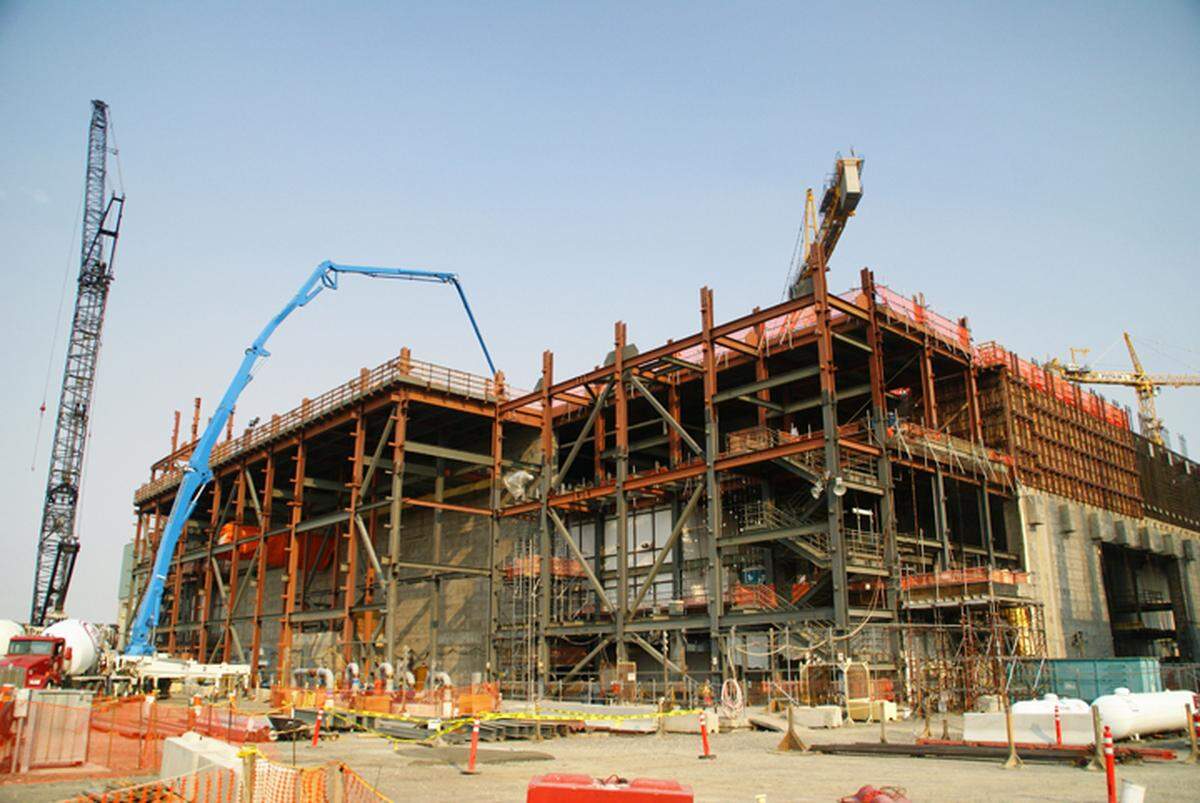
In addition, limited construction in the coming year could include lowering some large equipment through the open top of the High Level Waste Facility and covering the top with concrete, DOE said in 2025.
The funding goal at the vitrification plant has long been to keep annual appropriations relatively steady, with money saved from years when less money is needed to be used in years when costs are significantly higher, such as when construction of the High Level Waste Facility ramps up.
The DOE budget request document said that the design of the High Level Waste Facility is ahead of schedule.
DOE is required by a federal court consent decree to start treating high level radioactive waste in 2033.
The Washington state Department of Ecology, a Hanford site regulator, tracks the Hanford cleanup price tag and says that significantly more money than the site has received in recent years is needed to get most Hanford cleanup done this century.
It puts the budget needed in fiscal 2027 to remain on track to meet legal and court-ordered cleanup deadlines at almost $6.8 billion.