
Fentanyl killed more people than ever in Tri-Cities last year
AI-generated summary reviewed by our newsroom.
- Overdoses up nearly 40% in 2025; fentanyl factored in about 2/3 of deaths
- Mixed drug supply drives nearly 9 of 10 deaths; stimulants often involved
- New recovery center and ongoing naloxone education campaign underway
Fentanyl continues to be a scourge on the Tri-Cities, driving the number of overdose deaths to new heights.
Overdoses were responsible for killing 89 people in Benton and Franklin counties last year, according to coroner reports. That makes it the single largest cause of accidental deaths and is nearly 40% higher than in 2024.
The increase is driven by fentanyl.
The synthetic opioid played a role in more than two-thirds of last year’s drug deaths.
The drug is 100 times more potent than morphine and hundreds of times stronger than street-level heroin, causing overdose deaths to double in 10 years.
Benton-Franklin Health District officials had some hope last year after overdoses appeared to slow down, a change they credited to an increase in availability of naloxone. The drug can be administered to reverse opioid overdoses.
But preliminary data shows those gains were short-lived.
The health district preliminary Benton County statistics show 68 overdose deaths in 2025, about two-thirds with ties to fentanyl. The initial results for Franklin County show 23 overdose deaths in 2025 with more than half tied to fentanyl.
Normally, the health district looks at the rates of overdose over the population, and are seeing the rates are still trending upward. That means it isn’t being driven by a growing population, explained Kelly Harnish, the district’s healthy living program manager.
“The crisis is less about one substance and more about fentanyl entering an increasingly mixed drug supply,” Harnish said.
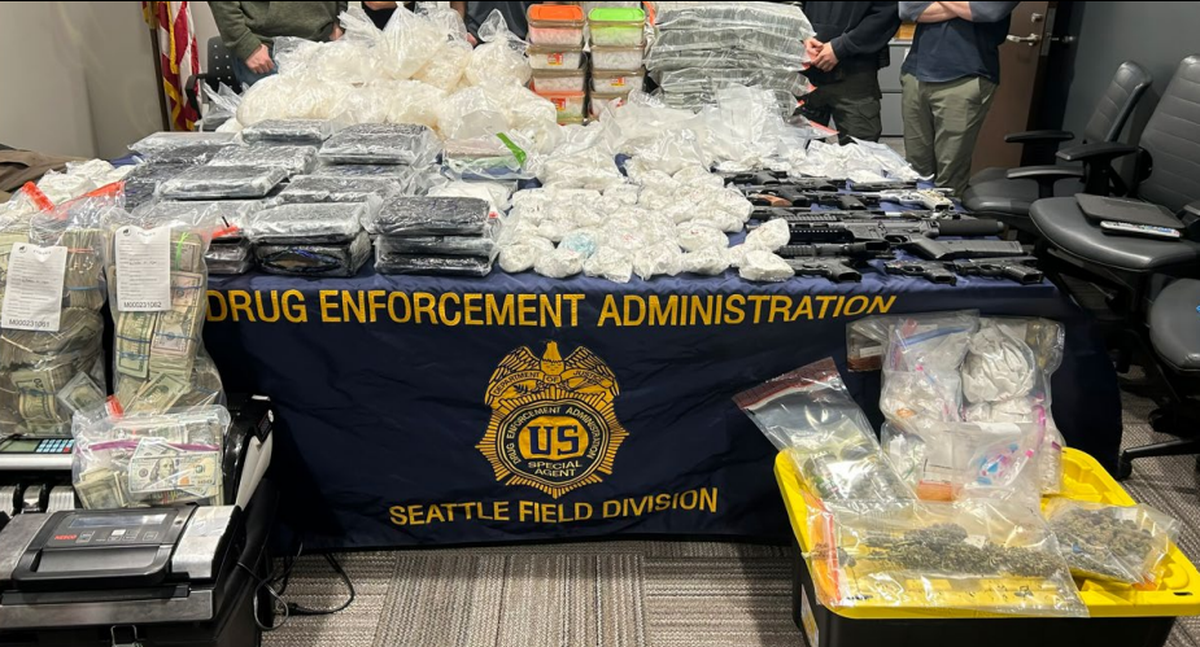
In addition, the district is seeing a mixture of drugs driving nearly nine out of every 10 deaths.
Those mixtures often include methamphetamine, cocaine, ketamine and other anesthetics. Naloxone only stops overdoes from opioids such as heroin and fentanyl.
The way people are taking fentanyl is changing as well.
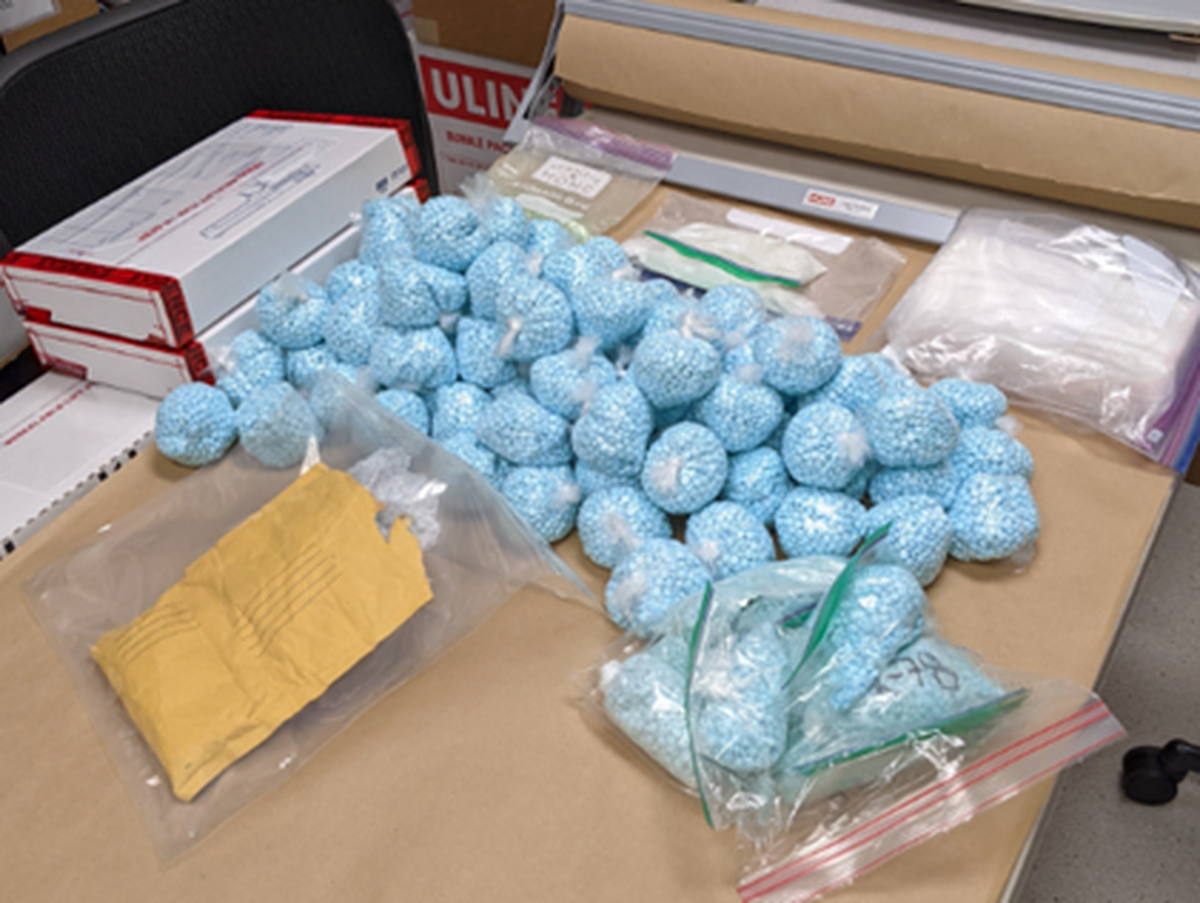
It’s becoming more common for it to be sold as a powder. This is often mixed with other drugs, such as methamphetamine.
Trending upwards
Drug overdose deaths in Benton County have nearly tripled in the past six years, according to coroner’s office reports. The coroner reported 26 overdose deaths in 2019, and 73 in 2025.
The coroner’s death statistics can differ from the health district statistics because the coroner’s office counts include people from outside the area who die in the Tri-Cities.
Of those overdose deaths:
• 22 involved just fentanyl
• 28 involved a combination of methamphetamine and fentanyl
• 12 involved acetyl fentanyl, which is a weaker version of the drug
• 11 involved some other drugs
Franklin County has seen a similar trend upward in the past six years. It went from five overdose deaths in 2019 to 27 in 2025. Of those, 11 involved fentanyl and the others involved other drugs.
The coroners’ numbers run contrary to national statistics released by the Centers for Disease Control and Prevention. They agency’s most recent reporting show overdose deaths have declined sharply since a high in January 2024.
Who is affected?
There are few patterns in the coroners’ statistics. Overdoses cover all ages groups, with most this year in Benton County happening when people were between 30 and 39 years old, the same as last year. But this age group has fluctuated in other years.
The only consistent demographic is men are nearly three times more likely to die from an overdose than women.
The health district’s occupation data lags behind by two years. What it does show though is construction workers followed by retail and hospitality are the groups most likely to die from an overdose. Only about 12% of those who died from overdoses in 2022-23 statistics were categorized as unemployed.
It’s only possible to speculate why the difference exist between the genders, Harnish said. Men generally are less likely to seek help for mental health issues and stress, which can make them more likely to turn to drugs for those issues.
Harnish cautioned that one group having more overdoses doesn’t mean that drugs are less dangerous to other groups. Anyone can develop a substance use disorder, she said.
“It could be your neighbor. It could be your family member,” she told the Tri-City Herald. “These are real people with people who love them. These are all people who have value and who bring value to the community.”
Women who use opioids during pregnancy face unique risks, Harnish said. If providers consistently prescribed medications to treat opioid use disorder, the risk would decrease.
She pointed out that medication aimed at treating opioid addiction has been shown to be effective. This is usually paired with other treatment strategies that help people develop safer, healthier patterns.
“Families often avoid asking for help because they fear punishment or judgment,” she said. “Reducing stigma is key to reaching people earlier.”
Hope and treatment
While the numbers look bleak, there are some additional treatment options coming to the Tri-Cities.
The Columbia Valley Center for Recovery is hoping to open its doors in May. It will offer mental health and addiction treatment on a scale that previously hasn’t been available in the region.
When it’s fully staffed, the recovery center will have both short-term sobering options and long term treatment for people who have mental health issues occurring along with substance use.
“It should help improve the outcomes for the community,” Harnish said.
The Benton-Franklin Health District has also started an education campaign aimed at reducing the stigma around people with addictions. The beauser.org website encourages people to have naloxone and provides information on where to find it and how to use it.
The site launched about a year ago with funding from the state Department of Health.
“Anything we can do to keep people alive keeps the door open for recovery,” Harnish said. “Our goal is a healthy community — and that starts with ensuring people survive.”
Tips for family and friends
There are five tips that Harnish provided for family and friends of people dealing with addiction.
Stay connected: Continue caring for the person and show up consistently. Support small, realistic improvements.
Connect them to treatment if they are ready: Several organizations can assess what treatment options are available. Reach out through the health district’s website for more information.
Always have naloxone and know how to use it: More information is available at beauser.org.
Encourage safer use practices: This includes telling people to never use alone. If they do, encourage them to use services like Neverusealone.com or the Brave App.
Support ways people can reduce harm to themselves: This includes medications for opioid use disorder.
This story was originally published March 30, 2026 at 5:00 AM.