
Richland sees proposed data center as key to locking in $1.5B fertilizer plant
AI-generated summary reviewed by our newsroom.
- Atlas Agro seeks 275 acres in Richland, WA for data center supporting fertilizer plant.
- Atlas plans data center and would share electric intertie with fertilizer plant.
- Project promises $500M build and annual property taxes and electricity fees.
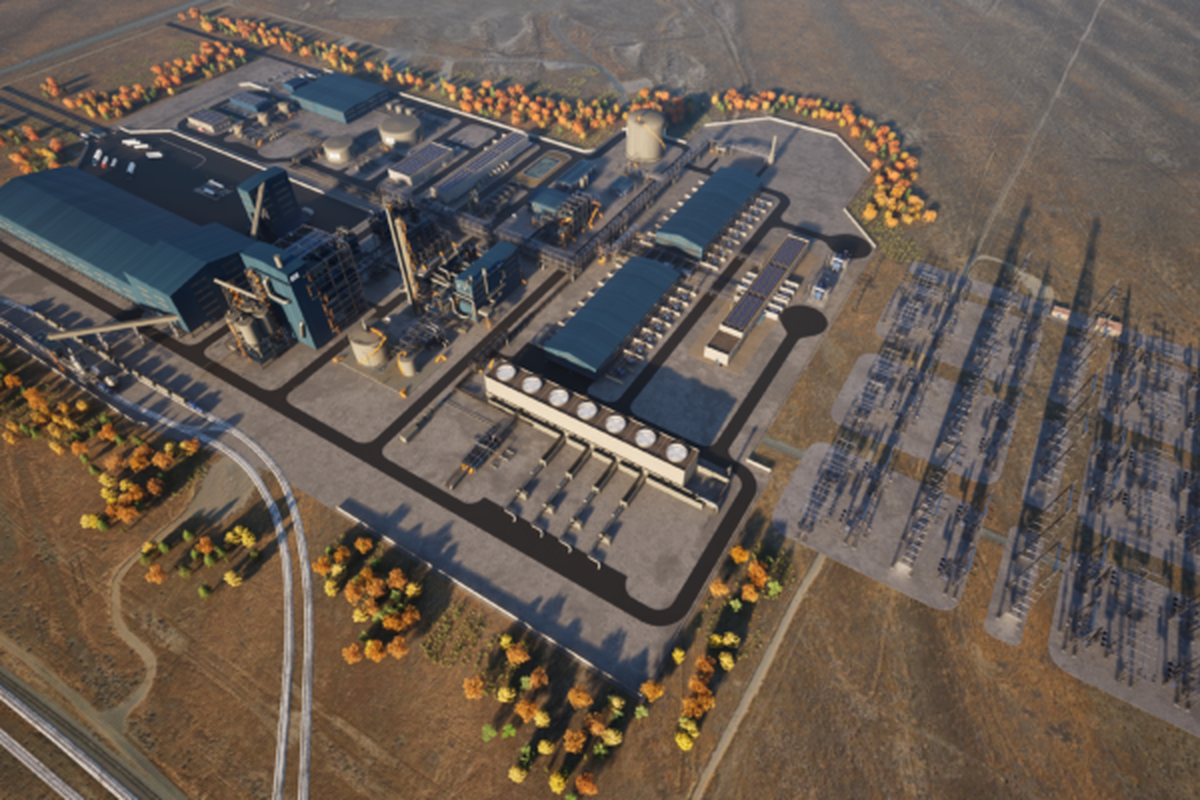
Atlas Agro North America will spend the next year scrutinizing vacant land in north Richland to determine if it’s suited for a cluster of data centers the Swiss company wants to build in support of its green fertilizer plant nearby.
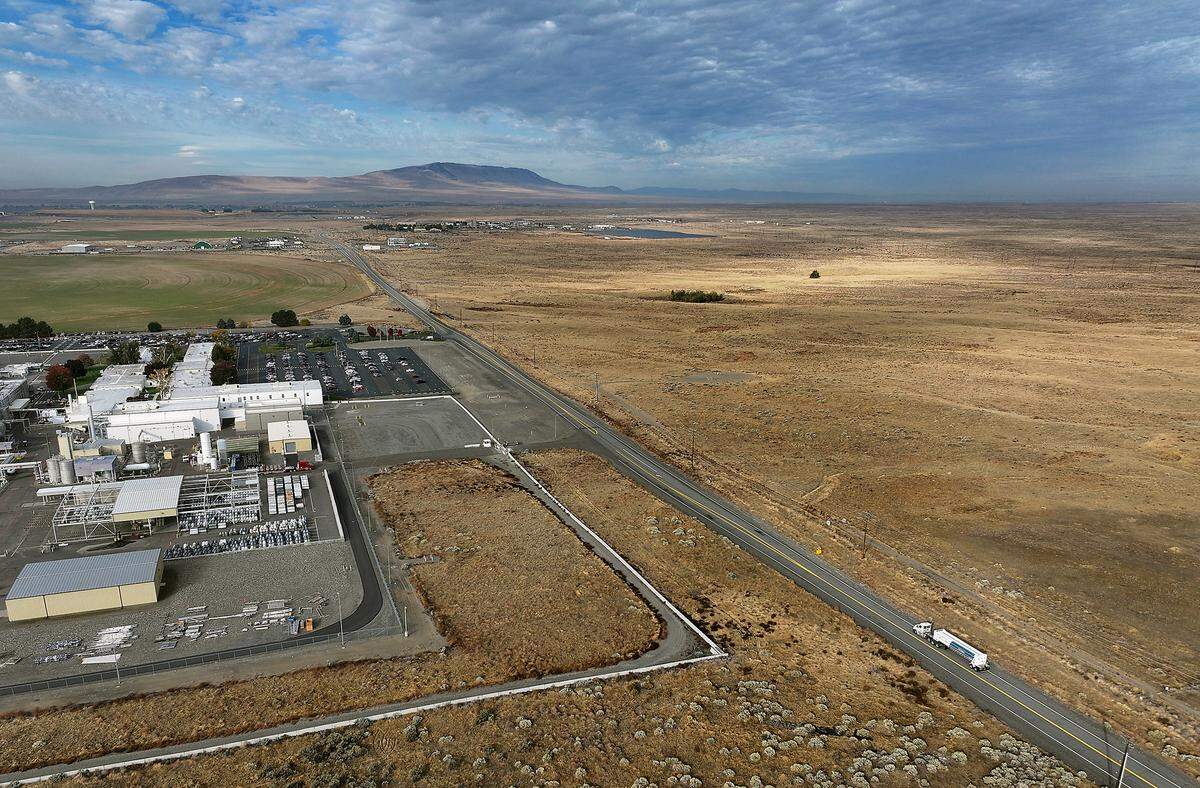
Under terms of an agreement approved Dec. 2 by the Richland City Council, Atlas Agro will pay $250,000 for an option to buy 275 acres on Horn Rapids Road near Framatome.
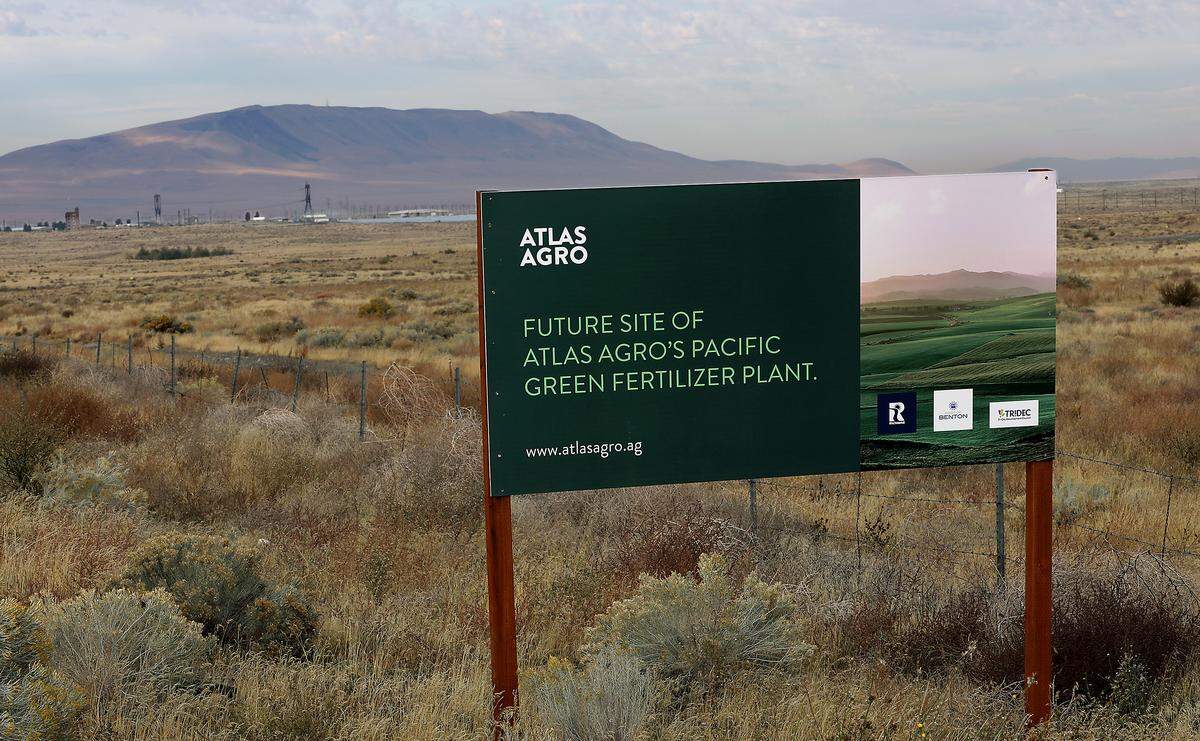
The site borders the spot where Atlas Agro wants to build its Pacific Green Fertilizer Plant.
The city’s economic development committee recommended the elected council approve the option agreement in October.
If Atlas proceeds, it will pay about $24 million for the former Hanford land. The U.S. Department of Energy transferred the land to local jurisdictions to support economic diversification goals in 2016.
The two projects share more than a parent.
Both will require massive amounts of electricity, which will be delivered via an interconnect to be built by the Bonneville Power Administration but funded by Atlas.
Splitting the undisclosed cost between two projects makes it more effective, Dan Holmes, Atlas Agro’s local project manager, told the city.
“The data center shares the cost of infrastructure. We’re still working out a lot of the details,” he said.
Delivering power
The intertie would handle about 1,300 megawatts, more than enough to serve the data center with 350 megawatts and the fertilizer plant with 300 or more megawatts.
In comparison, the city of Richland’s average load is 100 megawatts, peaking at 200 during heavy demand.
Columbia Generating Station, operated by Energy Northwest north of Richland, is the Northwest’s only commercial nuclear reactor. It has a nameplate capacity of 1,200 megawatts.
If Atlas Agro decides to proceed with the AI data center, it or a partner will build five buildings totaling about 500,000 square feet at a cost of $500 million. It would employ 100 workers once built.
The cost-sharing strategy is even more important after Atlas Agro lost $157 million in federal funding for the fertilizer plant when the Trump Administration cut $7.5 billion in green energy project funding, including $1 billion to the Pacific Northwest Hydrogen Association.
The funds were previously awarded during the Biden administration.
Electric intertie is key
The two projects have broad support from local economic development officials..
Karl Dye, president of the Tri-City Industrial Council or TRIDEC, said the electric intertie is critical because it will carry enough power to support development beyond the data center and the fertilizer plant.
Dye noted that Chris Wright, U.S. Secretary of Energy, has identified Project Genesis, the Trump Administration’s push into artificial intelligence, as the next Manhattan Project.
“Wouldn’t it be great if we could get the second Manhattan Project?” he asked.
The first was, of course, the top secret World War II initiative to develop and deploy atomic bombs which led to the establishment of the Hanford nuclear site and development of modern Richland.
Power rates
Clint Whitney, Richland’s electric utility manager, said the Atlas projects won’t affect local power rates, noting the Northwest Power Act of 1980 requires large power consumers to bring their own power.
Atlas has not identified its power source, though the company’s CEO said it has discussed purchasing the output of green energy projects proposed in the Northwest, including Scout Energy’s Horse Heaven wind and solar project. No deals have been announced.
Whitney said the intertie planned by BPA is a game changer for Richland, delivering 13 times the average load of the entire city.
“It has the potential of enabling a significant amount of economic development in the future,” he said.
Mike Rizzitiello, Richland’s development services director, acknowledged that data centers don’t generate a lot of jobs.
Atlas Agro projects its data center will employ 100 once built. The city stands to benefit beyond the proceeds from the land sale, he said.
Atlas Agro or its data center development partner would pay $4.2 million in sales taxes on construction of the complex. Property tax revenue would be worth $825,000 annually. And the city’s electricity occupation tax would bring in $17 million, based on the power it would consume.
“This is really a good project,” he said.
City council members said they are generally supportive of the development, but want the city to ensure it takes steps to ensure its zoning codes specify what it expects.
Councilman Kurt Maier said he supported the data center as a step to ensuring the fertilizer plant gets built.
“Data centers are just giant buildings full of electricity,” he said. “That clean fertilizer plant is unique. That is something I can get behind.”
3 Tri-Cities data center proposals
Richland is one of three local communities targeted for data center development.
The Port of Walla Walla has a 500-acre land deal with a U.S. tech company using the alias “Advance Phase” for a $5 billion complex of 16 data centers at Wallula Gap Business Park, southeast east of Pasco along the Columbia River.
In West Richland, Frank Tiegs LLC is considering selling land at Lewis and Clark Ranch to Trammell Crow Co., a global real estate developer with a data center development arm.
Trammelll Crow confirmed its interest in West Richland. The city’s outgoing mayor, Brent Gerry, told the Port of Benton commission that the project would be a data center.
This story was originally published December 7, 2025 at 5:00 AM.