
‘Creative or desperate?’ What’s driving proposal for Tri-Cities 1st data center
Atlas Agro North America’s pitch to build the Tri-Cities first data center in north Richland is driven by its need to raise money.
Richland officials say the Swiss company wants to develop a $500 million data center to defray the $1.5 billion cost of the innovative fertilizer plant it aims to build next door.
The cost of the fertilizer plant recently rose higher than the initial estimate of $1.1 billion, even as the Department of Energy canceled a grant that would have provided more than $157 million.
The data center would generate revenue to help get the fertilizer plant off the ground, Richland City Planner Darin Arrasmith told the economic development advisory committee this week.
Atlas Agro would either rent the data center to paying customers or potentially assign the project to another company, said city officials.
Atlas Agro didn’t directly address the data center in a statement to the Tri-City Herald. It confirmed it is pursuing opportunities to offset the loss of federal funding.
“(W)e recognize that economic and regulatory uncertainty require additional solutions to make green hydrogen projects more competitive. We are in conversations with state and local elected officials and others in the private sector to find ways to mitigate the loss of federal funding and the impact of the overall shift in the macroeconomic environment,” it said.
$24 million offer
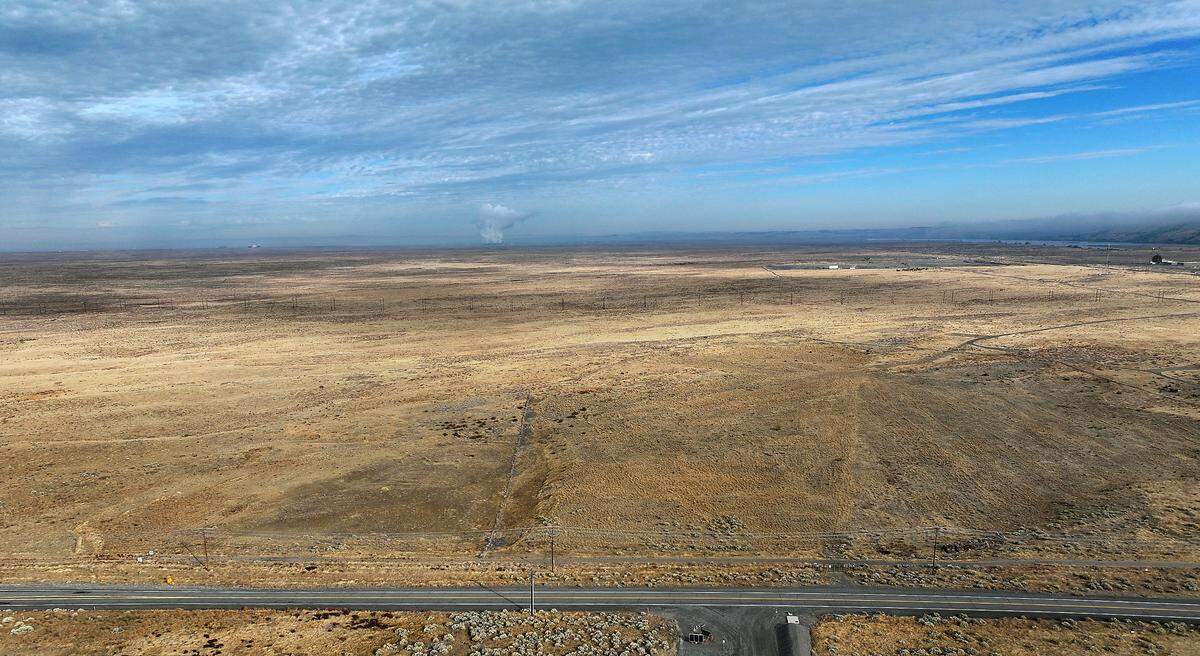
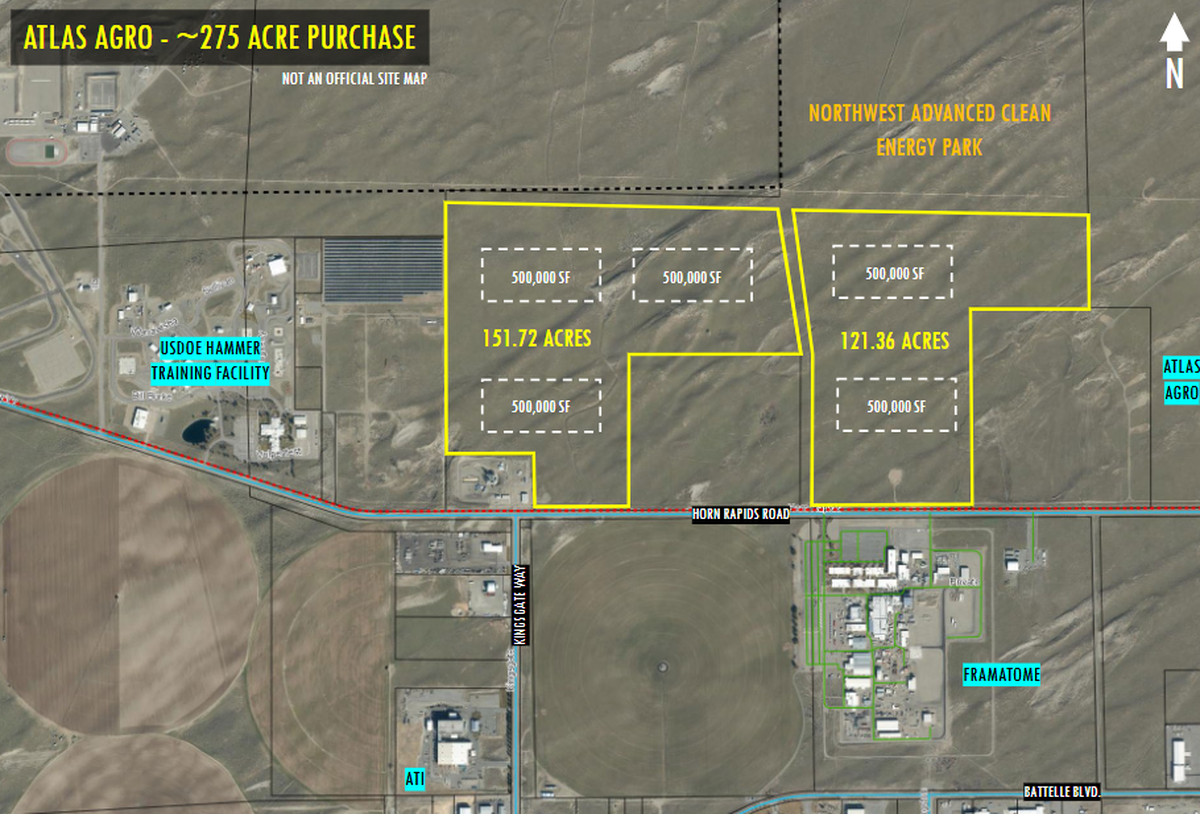
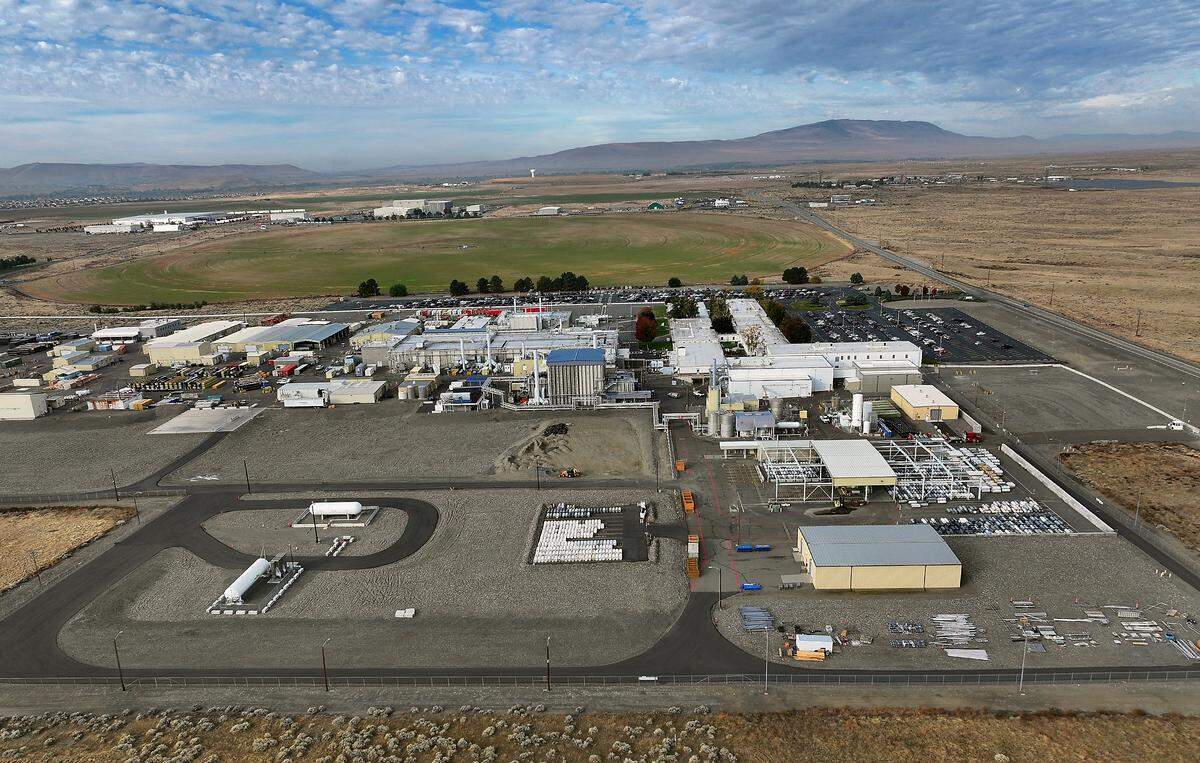
In a Sept. 22 letter of intent, Atlas Agro offered nearly $24 million to buy 275 acres of undeveloped land in the Northwest Clean Energy Park, north of the Framatome nuclear fuel campus on Horn Rapids Road.
The property is next to the 150 acres where it plans to build its fertilizer plant.
The advisory committee voted 7-0 to recommend the city council accept the data center deal.
Both properties are part of the nearly 1,640 acres the Department of Energy transferred to the Tri-Cities Development Council in 2015 for economic development.
TRIDEC parceled it out to the city of Richland, the Port of Benton and Energy Northwest, which all are working to attract new industry to reduce the Tri-Cities’ reliance on federal spending at the Hanford site.
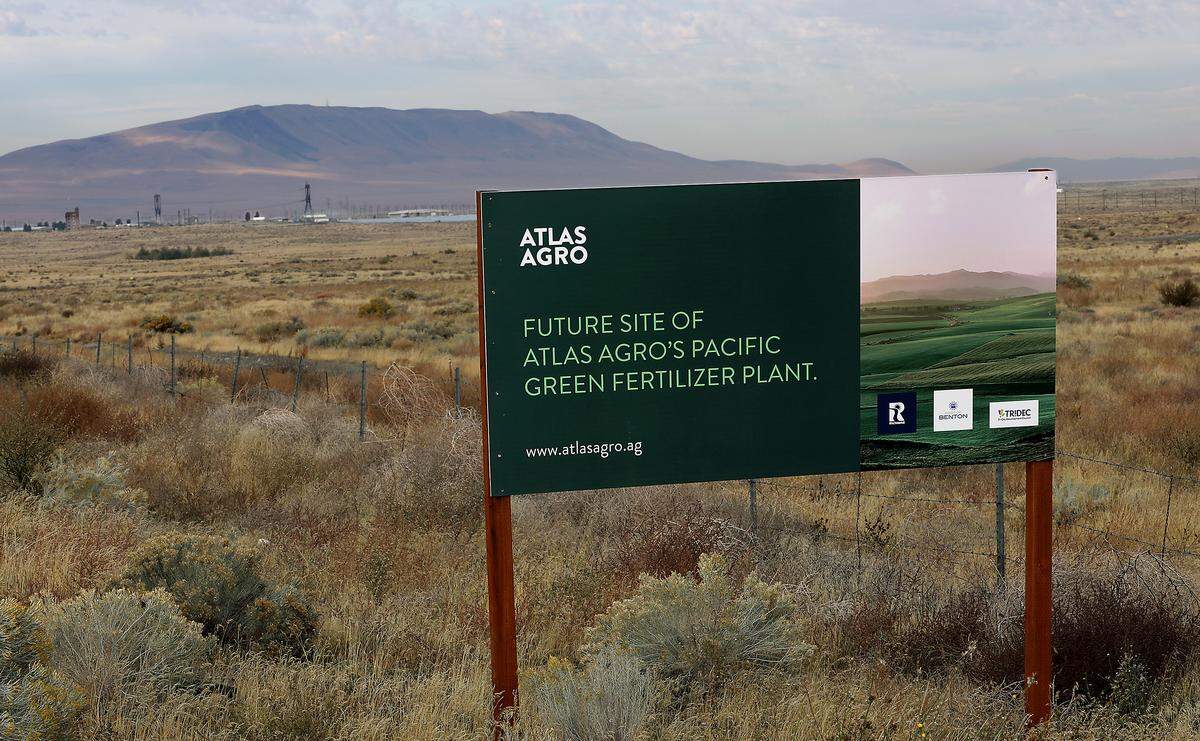
Atlas Agro has a separate $9 million agreement with the port for the 150 acres where it will build what it calls the Pacific Green Fertilizer plant.
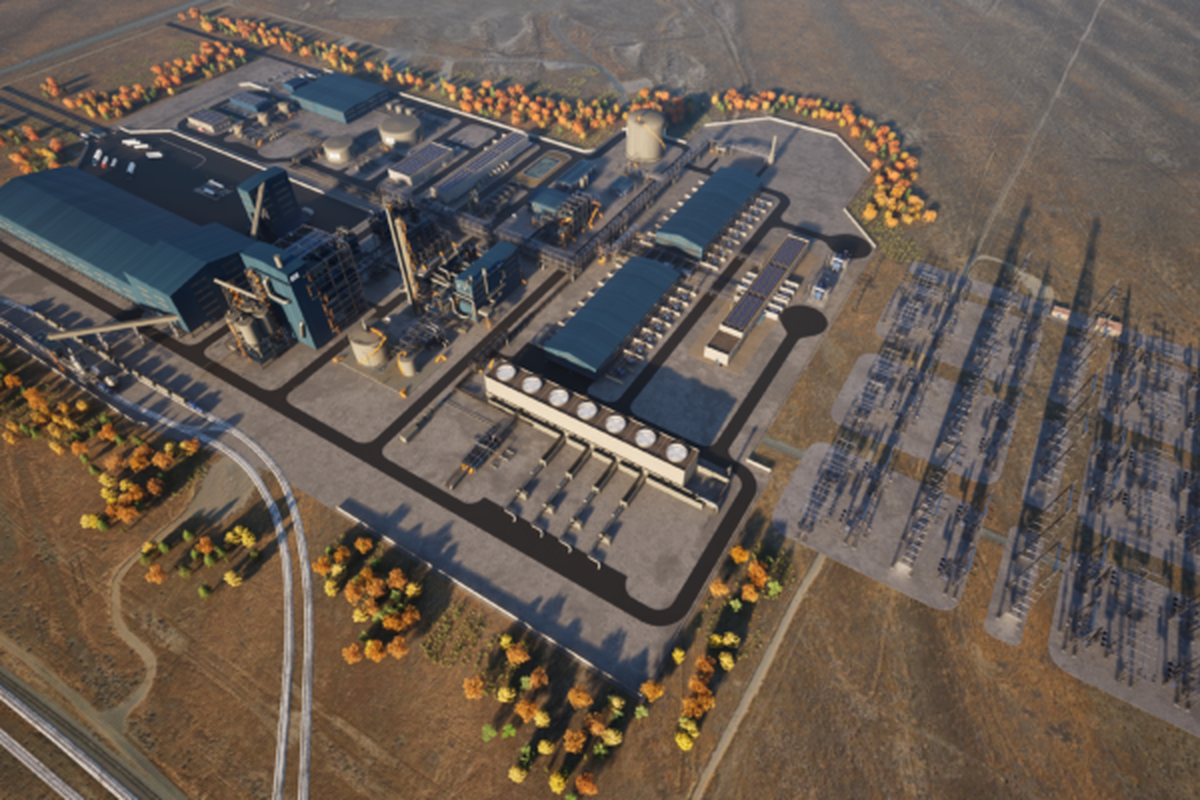
If built, the fertilizer plant will use city-supplied water and 320 megawatts of electricity to produce up to 700,000 tons of nitrate fertilizers annually.
In September, it announced a deal to sell green fertilizer to Lamb Weston Holdings Inc., the Idaho french fry giant with major farming and processing operations in the Mid-Columbia.
The city has enthusiastically supported the fertilizer plant, awarding it $20 million in property tax breaks if it is built and meets job creation goals.
The company offered a broad outline of its data center plan in the letter of intent. In addition to the $500 million price tag, it would involve five buildings totaling 500,000 square feet and would generate 100 new jobs.
It did not discuss how it would provide water and electricity to the project. Both are critical for data centers.
Creative or desperate?
While the advisory committee recommended the deal move forward, several members wondered if it makes sense to commit 275 acres to a project offering only 100 jobs.
“Does the city want data centers?” asked Vice Chair Adam Morasch. “Is this adding to the economic development of Richland? Is this the best use of the land?”
Another wondered Atlas Agro’s plan to build a data center to fund a fertilizer factory is “creative, or desperate.”
Mandy Wallner the city’s economic development director, said siting the data center and proposed fertilizer plant next to each other optimizes the area the power infrastructure that will be needed to support both operations.
The intent is to transmit electricity from the unidentified source to north Richland via a new interconnect with the Bonneville Power Administration and a new substation.
Wallner confirmed other companies have looked at the property. Only Atlas Agro made an official offer.
Data centers are a fast-growing industry, required by exploding demand for data and the rise of AI. The city can’t ignore the potential, she said.
“It’s where everything is headed. It’s probably good for us to play the game rather than being left behind,” she said.
Pathways to profit
If the city council accepts the offer, Atlas Agro will have the option to purchase the two sites that make up the 275 acres. It could in theory assign the option to another, as yet unnamed, company.
Another option: It could have the data center built and ease it to users who need to house servers, networking gear and other equipment in climate-controlled buildings. No potential partners have been identified.
Atlas Agro has been a prized win for Richland since 2023, when the Port of Benton agreed to sell property on northwest corner of Horn Rapids Road and Stevens Drive, near the Pacific Northwest National Laboratory.
The port reports Atlas Agro has spent $25 million to date to advance its plan.
The company has not publicly answered questions about how it will secure the 320 megawatts it will need to operate the fertilizer plant. That is equivalent to more than 130,000 homes.
BPA caps new users for its Tier 1 program at 10 megawatts. That means the company has to find its own power for the fertilizer plant and presumably for the data center too.
At a recent Port of Benton commission meeting, the Tri-City Development Council offered a theoretical scenario: Atlas Agro could purchase wind and solar power on the open market, and balance it with hydroelectric power from British Columbia, via Grant Public Utility District.
Grant PUD told the Tri-City Herald it has not made such a deal.
DOE withdrew $157 million
Atlas Agro’s fertilizer plant plans have suffered several recent setbacks.
This month, the Department of Energy canceled about $7.5 billion in clean energy grants. The canceled grants included more than $157 million for the fertilizer plant, via the Pacific Northwest Hydrogen Hub.
Also this month, the Port of Benton commission declined its request to extend the deadline to close the land deal by 12 months. The commission gave it six months and said if Atlas Agro wants more, it has to update the port’s elected commissioners on their status.
The data center land deal has not yet been place on a city council agenda.
This story was originally published October 24, 2025 at 5:00 AM.