
Trump’s $7.5B energy cuts take $157M out of prized Richland project
AI-generated summary reviewed by our newsroom.
- Administration cancels $7.56B DOE awards, slicing $157.3M from Richland
- Atlas Agro’s planned $1.3B Richland fertilizer plant, 2 other nearby projects loses funding.
- State leaders vow appeals as DOE says projects failed viability and ROI tests
The Trump Administration’s move to cut what it calls wasteful spending on green energy projects has blown a $157.3 million hole in Richland’s dream of building a major fertilizer plant.
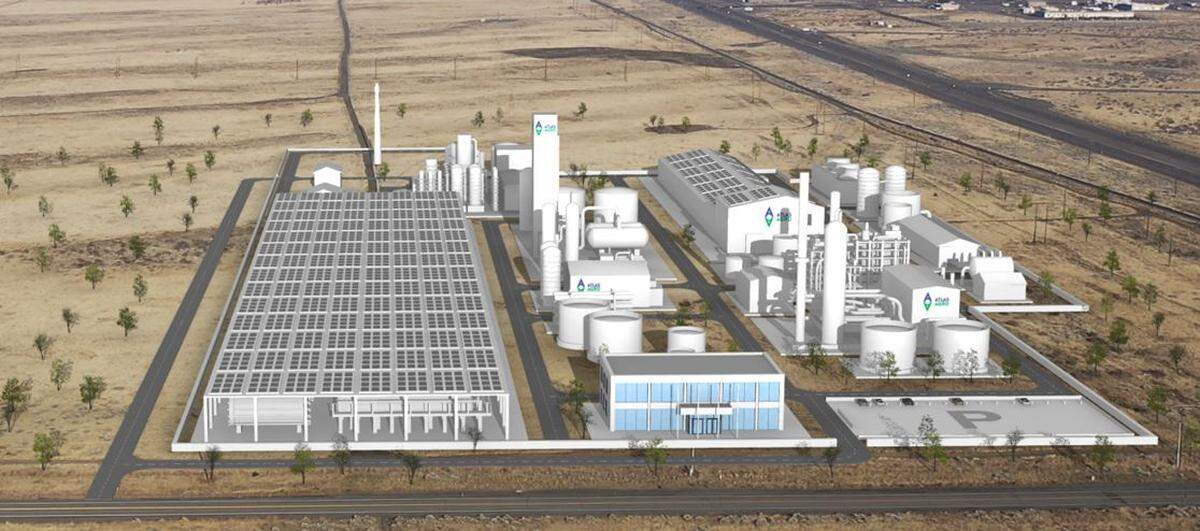
Atlas Agro, which has plans to construct a $1.3 billion plant near the Pacific Northwest National Laboratory, was set to receive federal funds via the Pacific Northwest Hydrogen Hub.
This week, the U.S. Department of Energy announced it was terminating 321 financial awards supporting 223 projects, collectively worth $7.56 billion, including a little more than $1 billion for the Northwest hydrogen hub.
The cuts affect six projects in Washington, eastern Oregon and Montana, including Atlas Agro.
In March 2023, Atlas entered a $9 million agreement to purchase 150 acres from the Port of Benton for a project that swelled in value to $1.3 billion. It remains the largest economic development deal in recent history.
$20M tax break from city
Atlas Agro was warmly embraced by politicians and by the city of Richland.
The city’s elected council awarded Atlas Agro $20 million in property tax breaks under Washington’s Targeted Urban Area program for new investment that generates jobs. Atlas is expected to employ 158 once the project is built and more during construction.
If built, Atlas Agro will use city water and vast amounts of electricity from an unidentified source to produce hydrogen for calcium ammonium nitrate fertilizer for local agriculture. The project is also referred to as Pacific Green Fertilizer.
While it was initially billed as a carbon-free product that supported state and federal climate goals, officials acknowledged the priorities changed when Trump won a second term last fall. They hoped the plant’s “American-made fertilizer for American farmers” message would strike a note with the incoming leaders.
Neither Atlas Agro nor local economic development officials could be reached to comment on the status of the project.
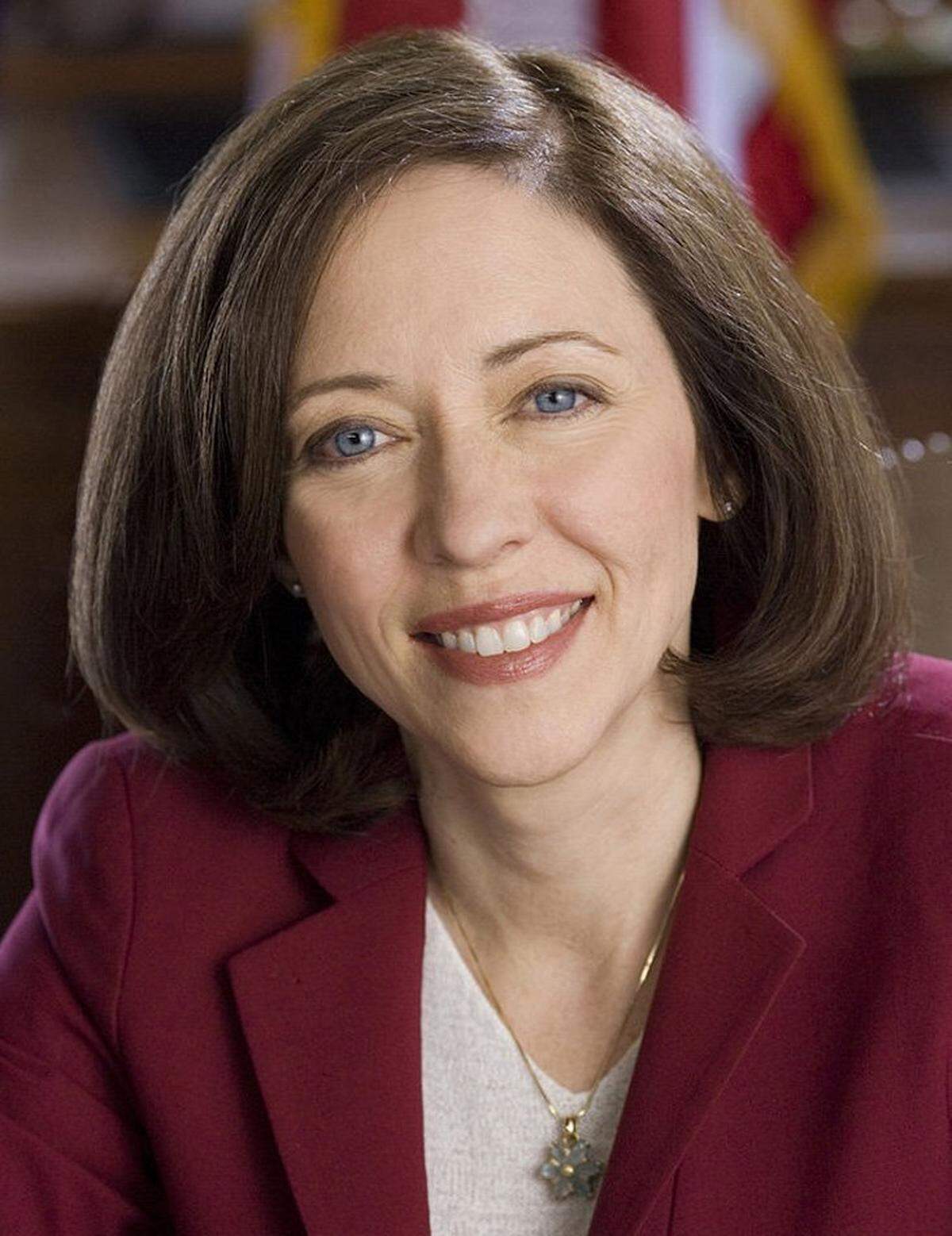
U.S. Sen Maria Cantwell, D-Wash., said stripping funds from the hydrogen hub will eliminate the potential for more than 10,000 jobs in the region.
“The Trump Administration’s politically motivated decision to strip funds from the pioneering Pacific Northwest Hydrogen Hub is unprecedented and corrupt,” she said. She pledged to fight the cuts,
‘Not economically viable’
DOE said the termination of the funding came after a review that showed “projects did not adequately advance the nation’s energy needs, were not economically viable, and would not provide a positive return on investment of taxpayer dollars.”
Recipients have 30 days to appeal the termination decision.
Washington Gov. Bob Ferguson condemned the termination of more than $1.1 billion in funding for projects in the state, chiefly the hydrogen hub.
“The attack on these funds impacts almost entirely Democratic-led states,” he noted. Ferguson pledged to fight what he called an illegal action.

Blue state, red counties
The cuts affected blue states, but the pain is being felt in red counties.
Donald Trump handily won voter support in Benton and Franklin counties in the 2016, 2020 and 2024 presidential elections, typically with 55%-59% of the vote.
The Pacific Northwest Hydrogen Hub is a collection of projects meant to inspire investment in alternatives to fossil fuels. DOE approved it as one of a handful of such hubs in 2023, following a competitive process.
The $1 billion in federal dollars was expected to spark more than $5 billion in local investment in projects like the fertilizer plant in Richland.
In addition to Atlas Agro, the hub partners are Alare Renewables in Ferndale ($102.8 million), Northwest Seaport Alliance in Seattle and Tacoma ($11.8 million), Lewis County Transit in Chehalis ($36.4 million), Air Liquide in Boardman, Ore., Express Ranch Hydrogen in Baker City, Ore., and St. Regis Solar Hydrogen in St. Regis, Montana. The hub released a statement that it is disappointed by the decision to cut funding but will continue its work.
“There is still immense opportunity for our region to finish what we started,” it said. “The future of hydrogen is still being written by states, communities, and industries across the country. With or without federal support, this industry will continue to drive the innovation and infrastructure needed to fortify America’s energy economy.” The cuts affect non-hub projects across the state too: They include Nippon Dynawave in Cowlitz County ($46.6 million), PACCAR Inc. in Skagit County (two projects totaling $68 million), CleanFiber Inc. in Lewis County ($10 million), Spokane Edo LLC ($5.3 million), SilFab Solar WA Inc. in Skagit County ($3 million), Washington State University (four Whitman County projects totaling $9.8 million).
Money, power
Atlas Agro made its land deal for Richland in 2023 but has not finalized plans to move ahead with the project.
In addition to funding challenges, it faces a monumental task of securing the 300 or more megawatts it will need. That’s enough to power Richland three times over.
It has mentioned new nuclear as a source but no deals have been announced.
It’s unclear how much power the nearby Boardman project would need.
The Bonneville Power Administration has a 10 megawatt cap for new large users for its best Tier 1 rates.
This story was originally published October 3, 2025 at 12:35 PM.