
Another delay for Richland’s prized $1.3B fertilizer plant project. Why the holdup?
AI-generated summary reviewed by our newsroom.
- Port of Benton delays Atlas Agro land sale deal for Richland carbon-free fertilizer plant.
- Department of Energy canceled $157M grant in 2025, raising funding and concerns.
- Project needs 320 megawatts, new interconnect and long-term power deals to proceed.
A key milestone for Atlas Agro, Richland’s prized economic development initiative, has been put off to 2027 amid questions about the viability of the $1.3 billion, carbon-free fertilizer plant.
The European company plans to use city water and vast amounts of electricity to produce hydrogen for calcium ammonium nitrate fertilizer for local agriculture.
Atlas Agro refers to its project at Pacific Green Fertilizer. The city of Richland gave its blessing to the project in the form of $20 million in property tax breaks if it gets built.
This week, the Port of Benton commission agreed to a six-month extension to the company’s deadline to close a $9 million deal for 150 acres near Pacific Northwest National Laboratory.
It is the second time the initial 2023 agreement has been amended.
Atlas had asked for a one-year extension that would put the deal off to Jan. 31, 2027. It cited regulatory delays, tariff issues, access to utility equipment and the long wait time to connect to the power system via the Bonneville Power Administration.
A lot of uncertainties
The company has spent $25 million to develop the project so far, according to port and economic development officials.
Two for the port’s three elected commissioners indicated they have too many questions to justify extending the deadline by a full year.
They offered six months and the opportunity to extend it another six months after Atlas Agro officials update them on their progress.
“It sounds like there’s a lot of uncertainties,” said Commissioner Lori Stevens

Scott Keller, the commission’s president, said he supports the project but has never heard directly from the company in the two years since he was sworn into office.
“I just think, ‘How realistic is it?’ I’ve never heard from them. I’ve been here two years, and I’ve never heard a presentation,” he said.
Diahann Howard, the port’s executive director, said Agro’s local executive has expressed interest in holding one-on-one sessions with port commissioners. One-on-one sessions are conducted away from public view.
Dan Holmes, Atlas Agro’s local executive, could not be reached by the Herald on the issue.
Atlas Agro’s future was clouded this month when the Department of Energy canceled $7.5 billion in federal clean energy grants, including $157.3 million intended for the Richland project, which is also referred to as Pacific Green Fertilizer.
The money was awarded through the Pacific Northwest Hydrogen Hub, which saw its entire $1 billion award wiped out by federal officials as “wasteful” spending.
DOE said the termination came after a review showed “projects did not adequately advance the nation’s energy needs, were not economically viable, and would not provide a positive return on investment of taxpayer dollars.”
‘Betting on these guys’
Howard told the commission this week the company has communicated its intent to push ahead.
“They said they want to continue to proceed forward. I think this is a positive project,” she said.
In addition to securing funding, Atlas Agro faces the challenge of securing 320 megawatts of power, or about three times the electricity used by the entire city.
It has said it is interested in new nuclear power, which is years if not decades away from being generated.
Karl Dye, president of the Tri-City Development Council (TRIDEC), is working with Atlas Agro to bring the plant to fruition. It offered the port an update on its progress, though he later clarified he was not speaking for the company.
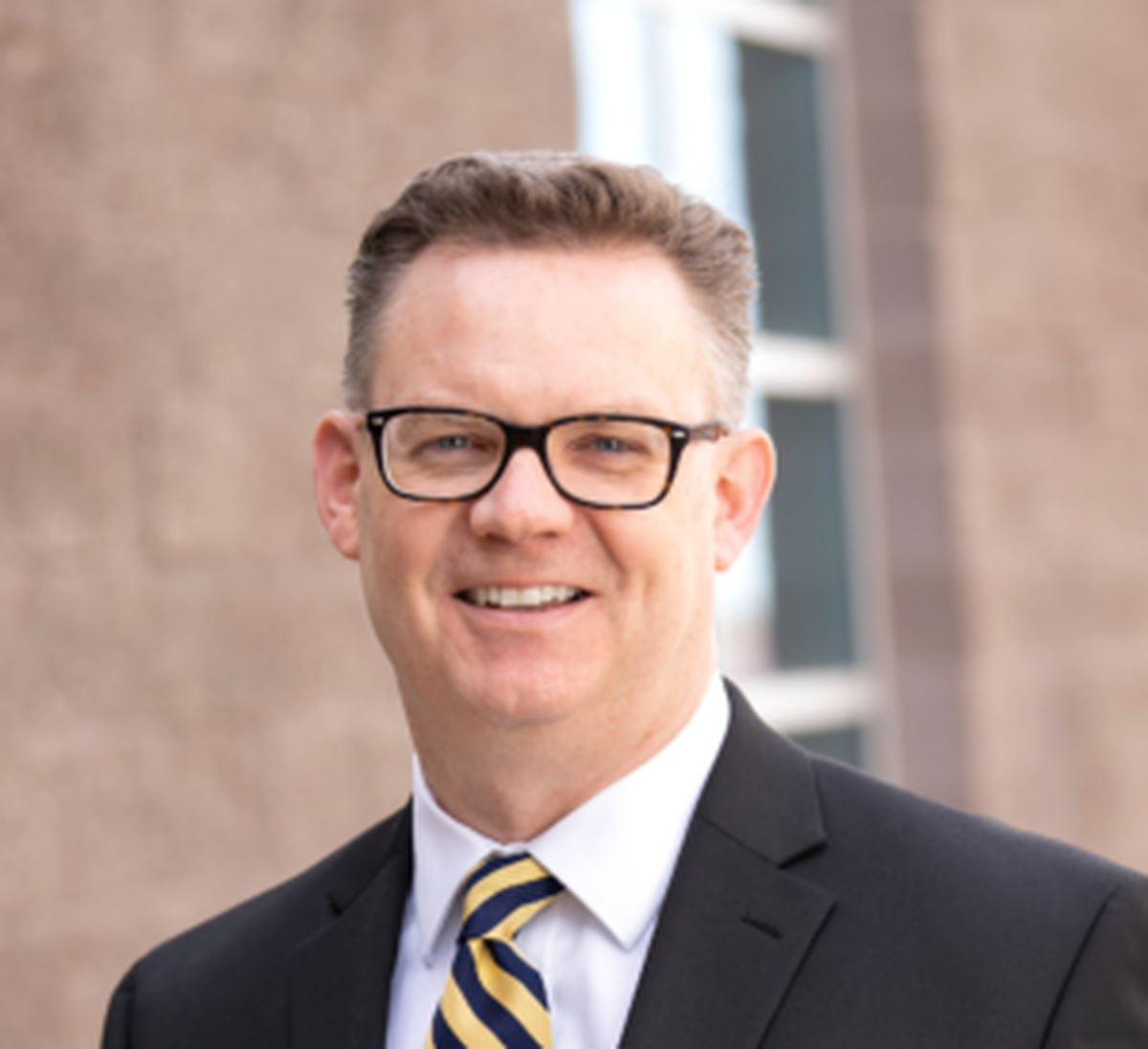
Atlas Agro is a good project supported by farmers eager to purchase the fertilizer it will make, he said.
Dye said Atlas has communicated that it remains “fully committed” to building its fertilizer plant in Richland.
“If you’re going to pick somebody, I’d keep betting on these guys,” he told the commissioners.
Dye offered insights about how Atlas Agro might secure the power it needs. BPA caps new major users at 10 megawatts, which means Atlas Agro must find it on its own.
Wind, solar, hydro?
Dye said that as a carbon-free operator, it would likely buy wind and solar power, which it would balance by purchasing hydropower from British Columbia by way of the Grant Public Utility District in Ephrata.
If it can secure power, it has to transmit it to north Richland.
To that end, Richland has a request for an interconnect pending with BPA. Dye said he’s hopeful that a high-capacity connection will be ready by 2028.
The north Richland connection will handle three times the power Atlas Agro will need, helping Richland pursue more business on the north end.
This story was originally published October 17, 2025 at 12:43 PM.