
3 rattlers on a 7-minute walk. Did a mild winter make snake season worse?
Faith Martin has walked the trail behind her Benton City home nearly daily for five years.
But the musician and former Golden Bachelor finalist has never had a walk like one this spring.
Within seven minutes she encountered three rattlesnakes.
Rattlesnake season has begun in the Tri-Cities with the snakes reported starting in April on Badger Mountain in Benton County, and the Washington Poison Center receiving its first call about a rattlesnake bite this spring. More calls are expected.
In 2024 the center fielded 24 calls from medical providers treating patients with rattlesnake bites, but the number of bites was likely higher since there is not a requirement to report bites to the center. Most of the bites were between April and August.
Martin posted on her Facebook page that in all the years she has hiked with her dogs and ridden her horses on trails in Eastern Washington, she had only seen a few rattlesnakes before.
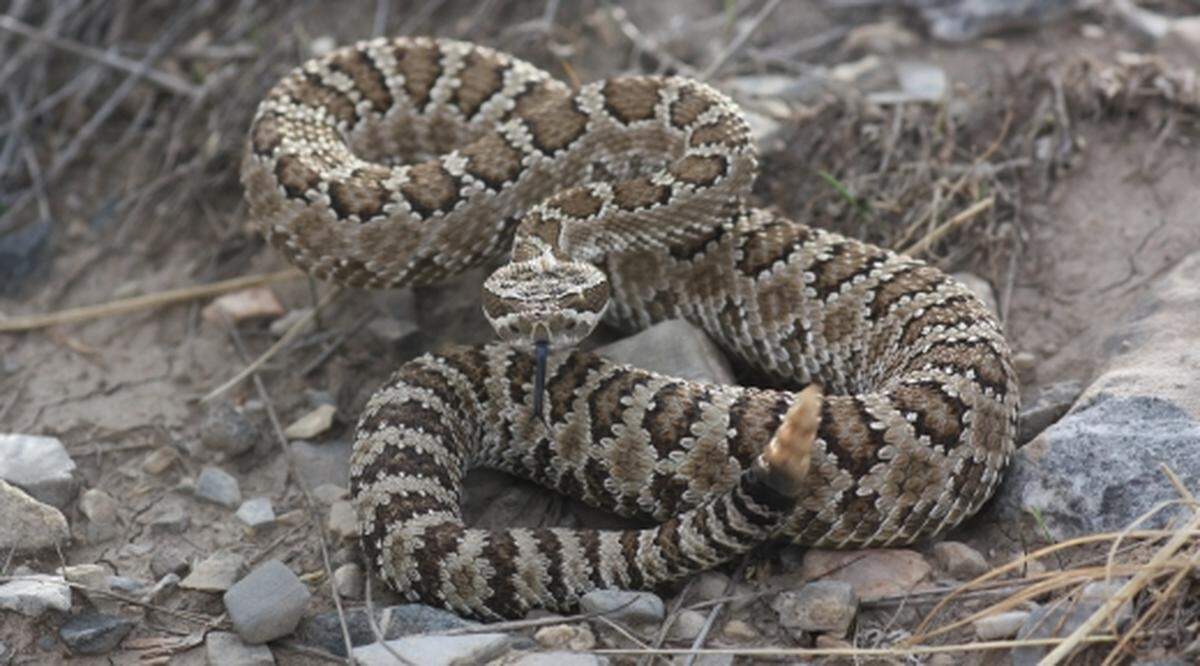
But on April 21 one jumped out with its fangs bared and barely missed her on the trail behind her house. Farther down the dirt trail she saw one rattling on the trail. And before her walk was over, she heard the rattles of a third snake, she posted.
“I’ve never worried much while riding my horses or hiking numerous mountains with my dogs. But staring down the throat of a rattler with its jaws locked open has shook me to the core,” she told the Tri-City Herald. “I would never forgive myself if a rattler bit my dog or horse.”
Until winter, she’s sticking to paved paths at parks to walk her dogs and riding her horse at a saddle club, she said.
Western rattlesnakes, the type living in the Tri-Cities area, emerge in April from dens where they overwinter.
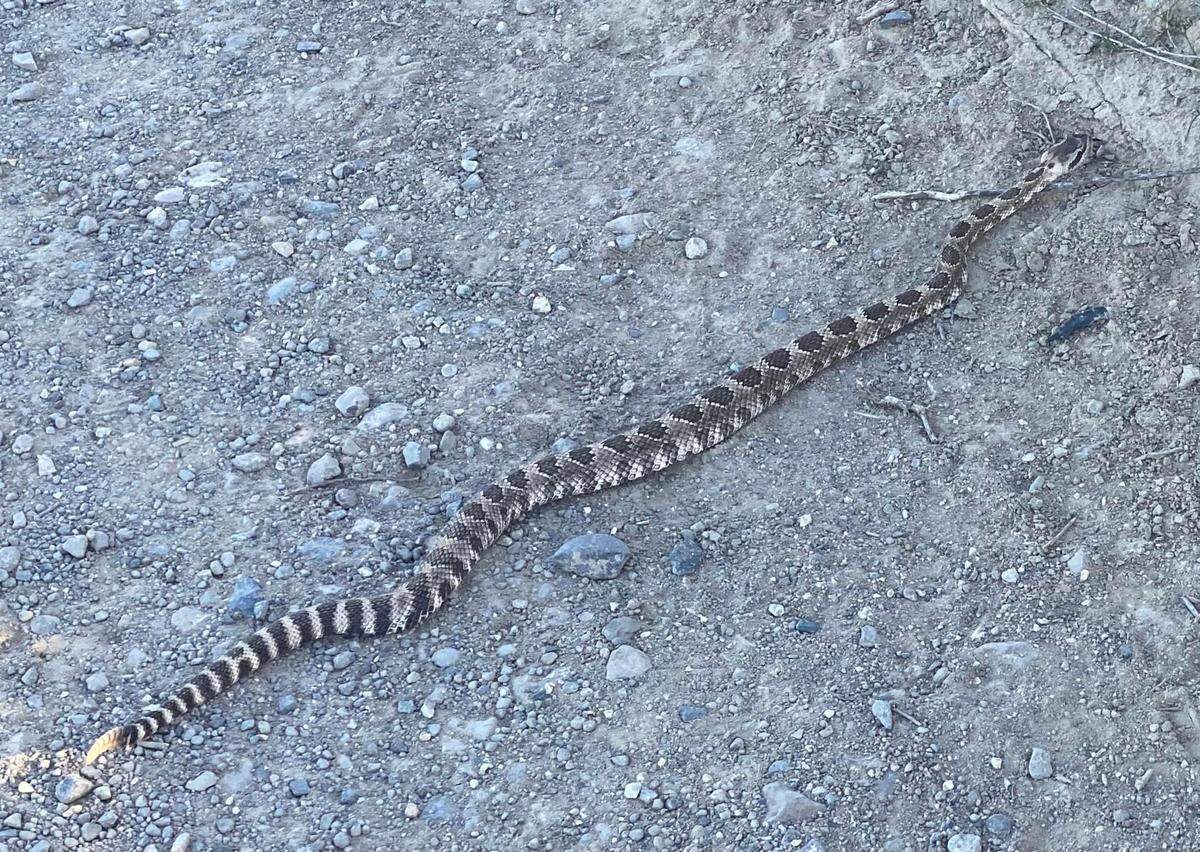
Despite some social media speculation from people who have seen them this spring, the mild winter likely did not increase their numbers much if at all, said Jason Fidorra, Washington state Department of Fish and Wildlife biologist for Benton and Franklin counties.
Rattlesnakes are well-protected from the cold in their dens.
The snakes are active during the day while weather is mild in the spring, but may not be as visible during the hottest months of the year. Then rattlesnakes shelter under shrubs and rocks and come out at night, according to state Fish and Wildlife.
Their young start to appear in late August.
They are not a species that usually tries to attack people — they typically strike only in self-defense, Fidorra said.
Most bites happen when people reach their hands into places where they can’t see, step off a trail in the brush or do something dumb, like try to touch rattlesnakes, he said.
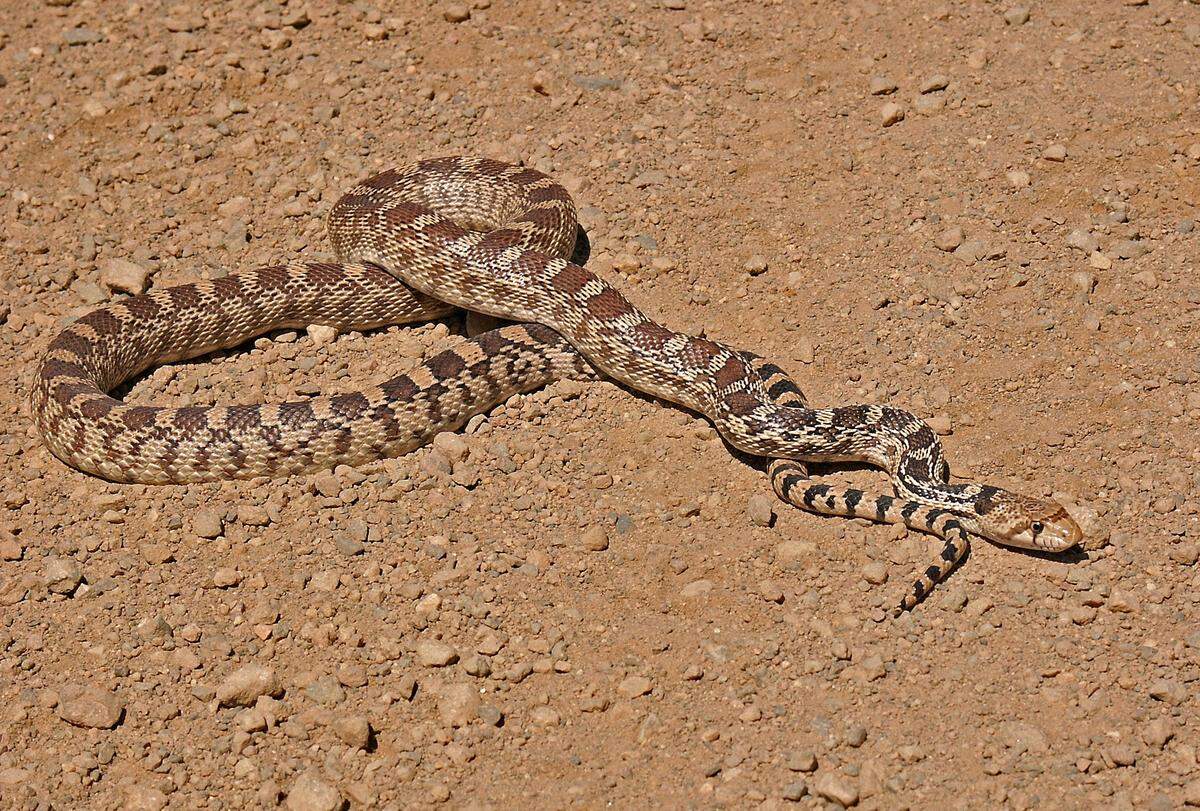
More common in the Tri-Cities area are bullsnakes or gopher snakes, which resemble rattlesnakes, but instead of rattles have a pointed tail. But rattlesnakes are the only snake found in Washington capable of inflicting a venomous bite
Up to a quarter of rattlesnake bites are “dry” bites that do not inject venom, according to a Washington Poison Center newsletter. If the bite is venomous, symptoms may appear within minutes or take hours to appear.
“Its bite is rarely deadly, but it can still lead to serious health problems and high medical costs,” it said in a recent newsletter.
Fortunately for Tri-Cities area residents, the bite of the western rattlesnakes found here rarely lead to the serious nerve or brain problems like some other species of rattlesnakes, according to the center.
What not to do if bitten
Some methods of treating a rattlesnake bite may do more harm than good. The poison center advises:
▪ Don’t try to suck out the venom or cut the site of the bite.
▪ Don’t use snakebite kits.
▪ Don’t apply ice.
▪ Don’t use a tourniquet.
▪ Don’t try to capture or kill the snake.
The best tools to use if you get bitten are your car keys and phone, according to Washington Poison Center. Call the center, which is staffed around the clock, and go to a hospital immediately.
What to do if bitten
If someone is bitten, here’s what Washington Poison Center recommends:
▪ Call 911 if the person is having difficulty breathing, swelling starts around the face or the person had been bitten in the face, or the person loses consciousness.
▪ Call Washington Poison Center to locate an emergency room and to have the hospital notified you are on the way. It can also help healthcare providers with treatment.
▪ Keep the bitten area still and lower than the heart until reaching the hospital.
▪ Remove rings, watches or tight clothing near the bite site in case of swelling.
Prevent rattlesnake bites
To stay safe around rattlesnakes, Washington Poison Center recommends:
▪ Wear boots and long, loose hiking pants.
▪ Don’t step or reach into thick brush, tall grass or rock piles.
▪ If you see or hear a rattlesnake, slowly move away.
▪ Save the number of Washington Poison Center, 800-222-1222, in your cell phone and know the name and location of the hiking trail in case you need to call for help.