Owl cam. Watch livestream of rare burrowing owl pair near Tri-Cities
AI-generated summary reviewed by our newsroom.
- Watch livestream of burrowing owl pair on former Umatilla Chemical Depot land.
- Owlets could be next for the livestreamed pair.
- Renaming the former depot site Papuunmí Tanawtpamá Tičám, “home of the burrowing owls.”
You may have never seen a burrowing owl as their numbers in the Tri-Cities area have dwindled, but now you can watch a pair of them bonding, hunting and maybe even raising owlets through a livestreaming camera.
The Confederated Tribes of the Umatilla Indian Reservation, the Owl Research Institute and Explore.org have installed a livestreaming video camera on the former Umatilla Chemical Depot just across the Washington and Oregon state line south of the Tri-Cities.
The Umatillas have installed or helped install 100 artificial, underground burrows, succeeding in expanding the population on the former depot land from four nesting pairs of burrowing owls in 2008 to more than 100. Last year, they produced about 400 nestlings.
The new solar-powered camera focuses on a pair of artificial burrows. Typically, an owl pair nests in one burrow and stores food in another.
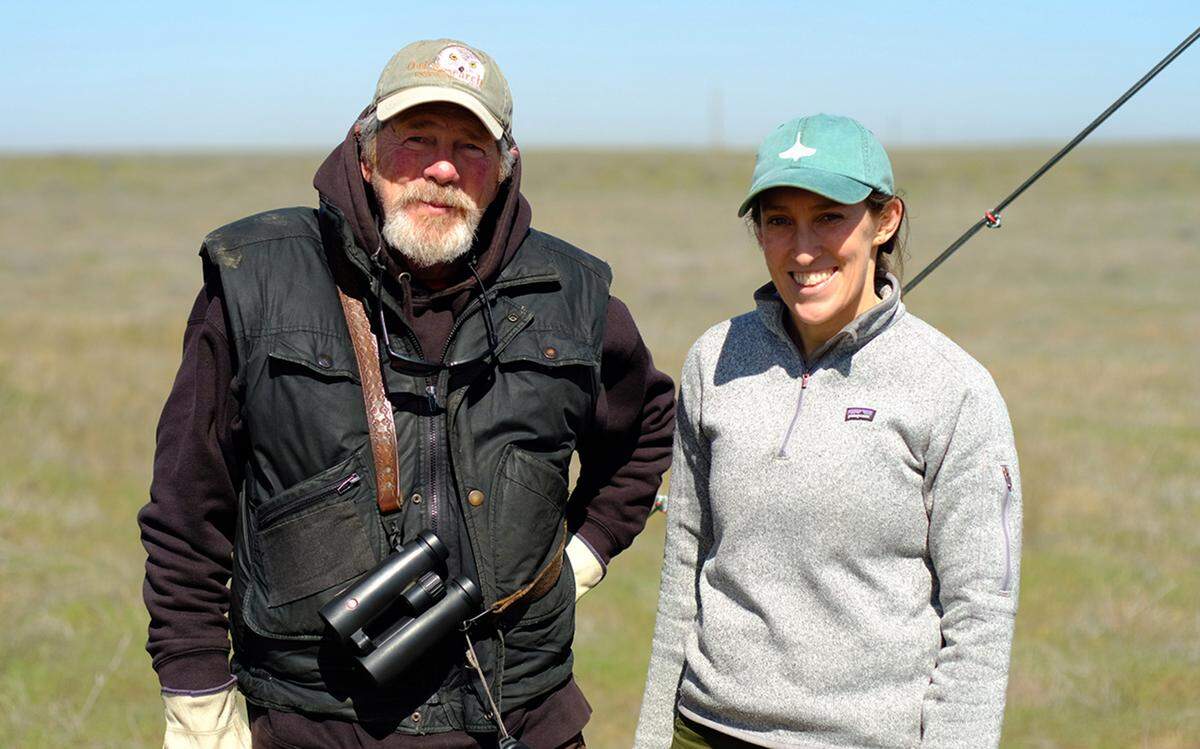
“The site we selected has a good long-term track record,” said Lindsay Chiono, the Umatilla Department of Natural Resources Wildlife Program habitat ecologist and biologist. “That is to say owls nest in it most years, and most nets are successful with a relatively high average number of fledglings.”
The burrows have been used for nine years and have produced chicks that reached fledgling age in seven of those years.
The live feed can be viewed at bit.ly/4vQRPsX, including at night thanks to infrared capabilities.
“People, including me, are excited at the opportunity to observe burrowing owl behavior that is usually hidden from view, such as pair bonding and hunting,” Chiono said. “Education is a critical element of conservation and species recovery. Naturally, people care most about the species they know about.”
About burrowing owls
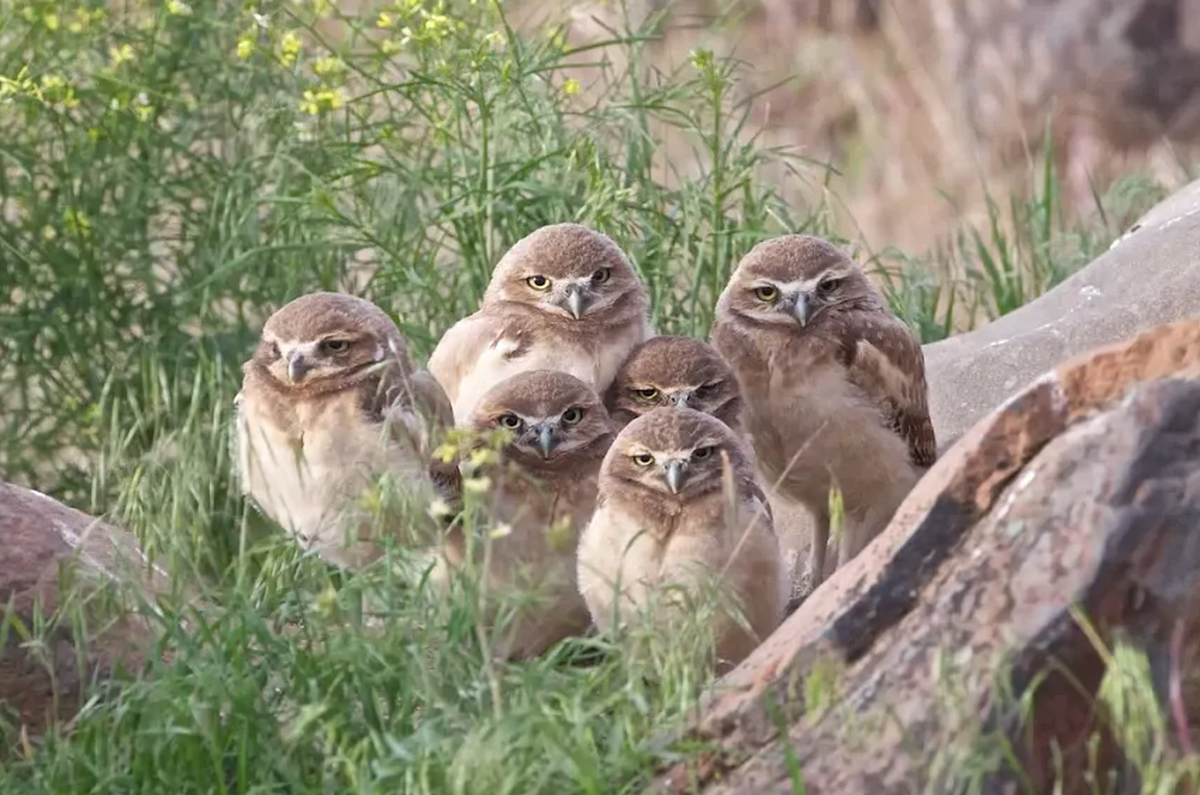
Burrowing owls are easy to identify with their long legs, lack of ear tufts and wide white eyebrows.
They nest underground in burrows, often in abandoned ground-squirrel burrows, or in human-made burrows installed as part of conservation programs to help their dwindling population.
Each spring, pairs return to the same burrows they lived in previously, if they are still available.
Their numbers have dropped as the shrub steppe and grassland they live in has been developed in recent decades, taking not only their habitat but the animals that dig the earthen burrows they use.
Washington state records show that their historical range across non-forested areas of Washington has shrunk in recent decades. They have become uncommon to rare outside of Benton, Franklin, Grant and western Adams counties, according to the Washington state Department of Fish and Wildlife.
The species is identified as a priority species under Washington’s Priority Habitat and Species Program. Priority species require protective measures to survive.
In Oregon, it is an Oregon Conservation Strategy Species, a list of those species of greatest conservation need in the state.
Burrowing owls are culturally important to the Umatillas, who have traditional songs and stories about them.
Much of the land at the former depot is being transferred to the Umatillas, who plan to rename it Papuunmí Tanawtpamá Tičám, which means “home of the burrowing owls” in the Umatilla language.
The 20,000-acre depot opened in 1941 as the Umatilla Army Depot and was used for 71 years by the U.S. Army, initially as a munitions and general supply storehouse and then for the storage and eventual destruction of about 12% of the nation’s stockpile of chemical weapons. It was deactivated in 2012.