
Pelicans are being shot and killed along Yakima River near Tri-Cities
AI-generated summary reviewed by our newsroom.
- Yakama Nation officials are authorized to shoot pelicans near Tri-Cities for research.
- Tribe aims to study pelicans’ diet and salmon impact under federal collection permit.
- White pelicans remain protected but downgraded in state status since 2023 policy change.
Pelicans in Benton County are being shot by Yakama Nation officials as part of a research project, according to the Benton County Sheriff’s Office.
Deputies investigated after getting several reports that birds were being killed in the area of Horn Rapids Park and Highway 240 northwest of Richland.
Horn Rapids Park is just upstream from the Wanawish, or Horn Rapids, Dam, on the Yakima River, where pelicans sometimes line the dam to eat fish close to the water’s surface.
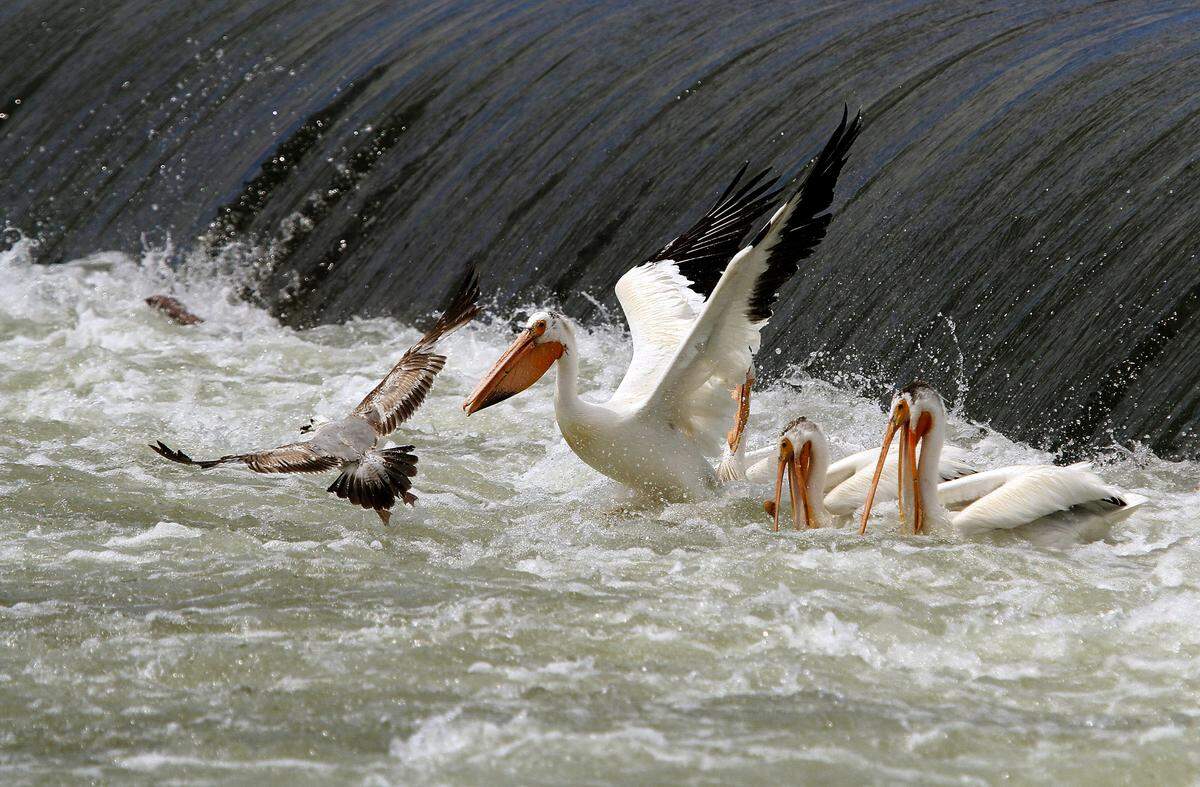
Benton County deputies verified that tribal members are allowed to harvest pelicans on the Yakima River to protect salmon.
Researchers will be in the Yakima River area of Benton County for a couple of weeks, according to the sheriff’s office.
The Washington state Department of Fish and Wildlife Commission in 2023 changed the state status of white pelicans from protected/threatened to the less serious protected/sensitive. The bird is not listed under the federal Endangered Species Act, but is protected under the federal Migratory Bird Treaty Act.
Yakama fish biologists have previously said they were concerned that pelicans were eating juvenile salmon in the Yakima River.
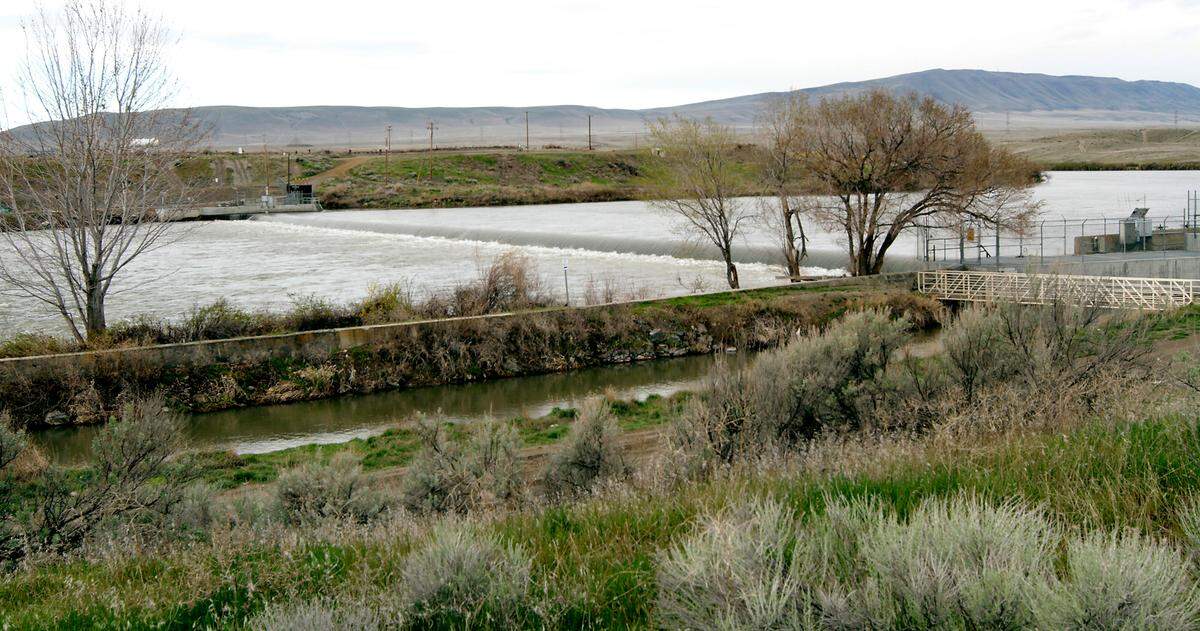
The Yakama Nation announced in spring 2024 that it had been awarded a scientific collecting permit by U.S. Fish and Wildlife Service to kill some white pelicans in Yakima, Benton and Kittitas counties to research their diet preferences.
A program manager at Yakama Nation Fisheries said in 2024 that the research would study why the white pelican was relocating to central and eastern Washington.
A spokesperson for the Yakama Nation did not immediately respond to a Tri-City Herald request for information and it was not clear whether that project was ongoing.
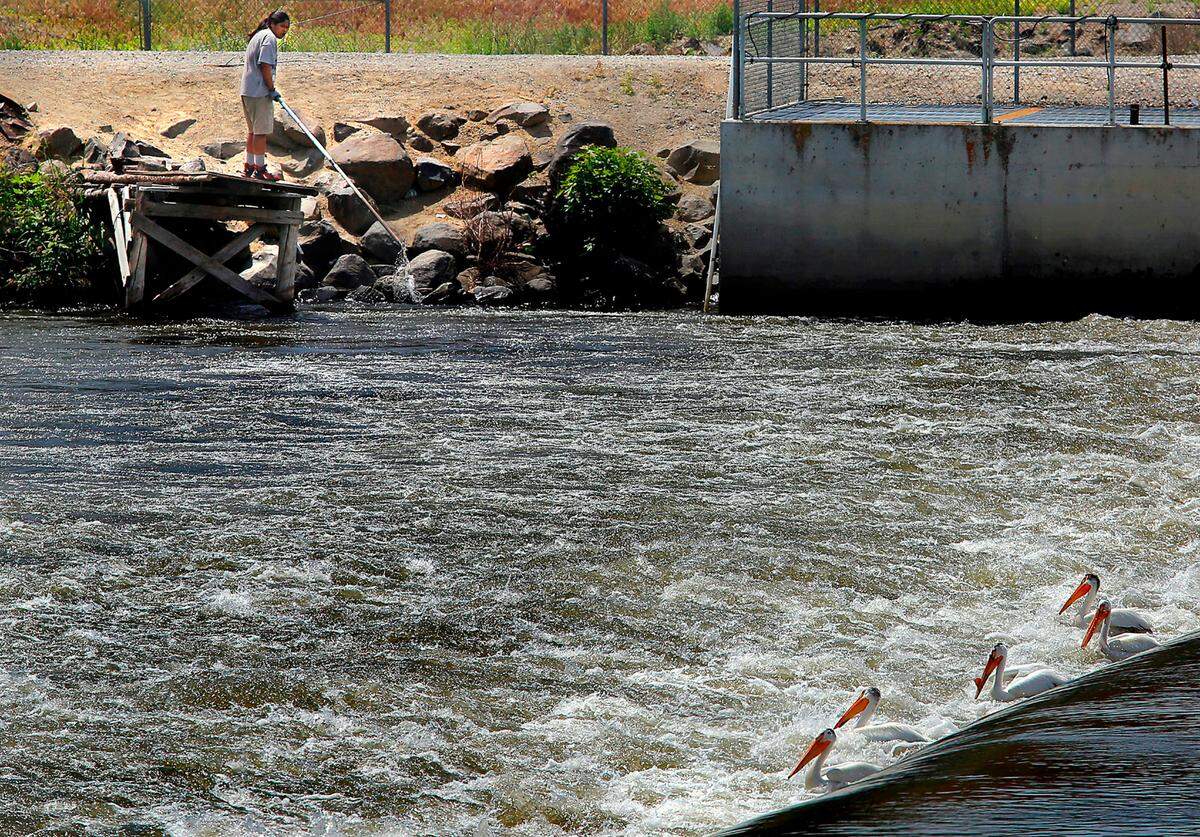
While pelican eat mostly non-game fish, such as carp, suckers and sticklebacks, as well as amphibians and crayfish, they sometimes feed on salmon, according to the Washington state Department of Fish and Wildlife.
White pelicans, one of the largest species of birds in North American, were wiped out in Washington state from the 1940s to 1993, according to information from a state Fish and Wildlife Commission presentation.
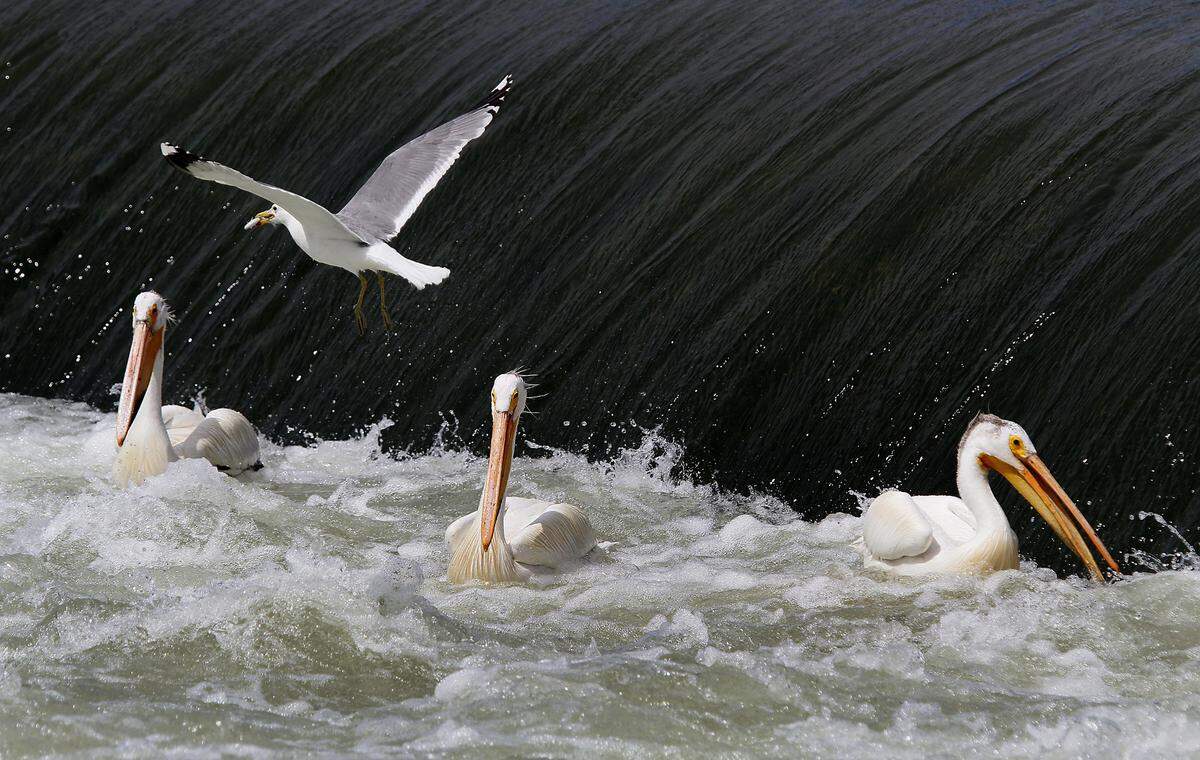
Their numbers decreased across the West in the 19th and 20th centuries due to demand for their decorative feathers, water projects and the insecticide DDT, which interfered with their reproductive cycle, according to the presentation.
Before 1926 they were known to nest at Moses Lake, and then in 1997 began nesting on Badger Island downriver from the Tri-Cities on the McNary National Wildlife Refuge’s Badger Island.
As of 2022 the island had the only consistent breeding population in the state with 2,000 pairs of white pelicans.
This story was originally published June 24, 2025 at 6:20 PM.