
9 dogs sickened. Toxic algae testing begins in Tri-Cities area rivers and lakes
AI-generated summary reviewed by our newsroom.
- Health officials monitor Columbia River algae at 12 Tri-Cities sites biweekly.
- Dogs face high risk from shoreline algae toxins; 9 local deaths reported since 2021.
- Algae exposure causes rapid symptoms; health district urges immediate vet care.
With summer underway, Tri-Cities residents need to be vigilant for the toxic algae in the Columbia River that has been blamed for the illnesses of nine dogs in recent years.
The Benton Franklin Health District on Monday started its seasonal monitoring and will sample 12 locations along the Columbia River in the Tri-Cities area twice a month.
Testing results will be posted online, and warning signs will be posted if tests are positive for toxic algae at levels that could sicken animals or people.
However, people boating or playing in the water still should be alert for visible signs of algae not only in the Columbia River, but other bodies of water, including lakes, streams and the Yakima River, where testing is not done in the Tri-Cities area.
Toxic algae is often visible as a green scum in lakes and ponds, but it can be more difficult to detect in rivers and streams.
In the Columbia River, algae typically grows on rocks and other surfaces along the shoreline in green, brown or reddish clumps.
Some of that algae, called benthic algae, can cause serious health effects when ingested.
In one case, a dog died after eating a clump of toxic algae in the Columbia River in the Tri-Cities.
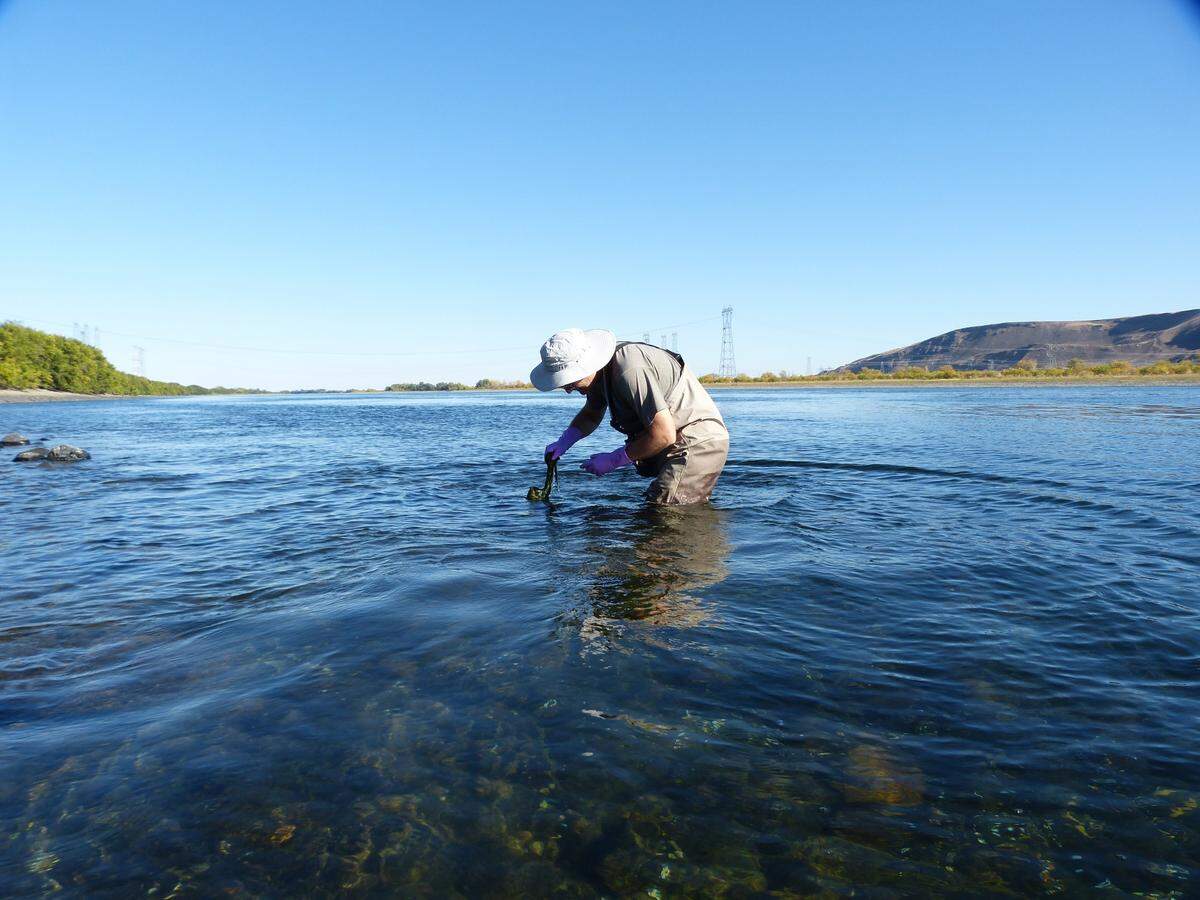
Dogs are particularly susceptible to the neurological toxin that has been found since 2021 in the Columbia River, including north of Richland; at Leslie Groves and Howard Amon parks and Columbia Point in Richland; and at Wade Park in Pasco.
It also has been found in recent years at Hood River Park in Burbank and up the Snake River from there at Charbonneau Park on the Snake River and at the lake at the McNary wildlife refuge.
A different deadly toxin from algae, that attacks the liver rather than the nervous system, has long been reported during some summers at Scooteney Reservoir in Franklin County.
Columbia River algae blooms
Health officials were not aware that toxic algae posed a risk in some shoreline areas of the Columbia River until a dog died in September 2021 during a family boating outing. They had motored up the river from Richland to a beach just south of the Ringold boat ramp on the Franklin County side of the river.
The dog’s owner reported to the health district that some of the water in the Ringold area looked “scummy.” Her dog took a few small sips, then put its head in the water and started convulsing.
The health district learned of two more dog deaths in late summer of 2021 and began a monitoring program the next summer.
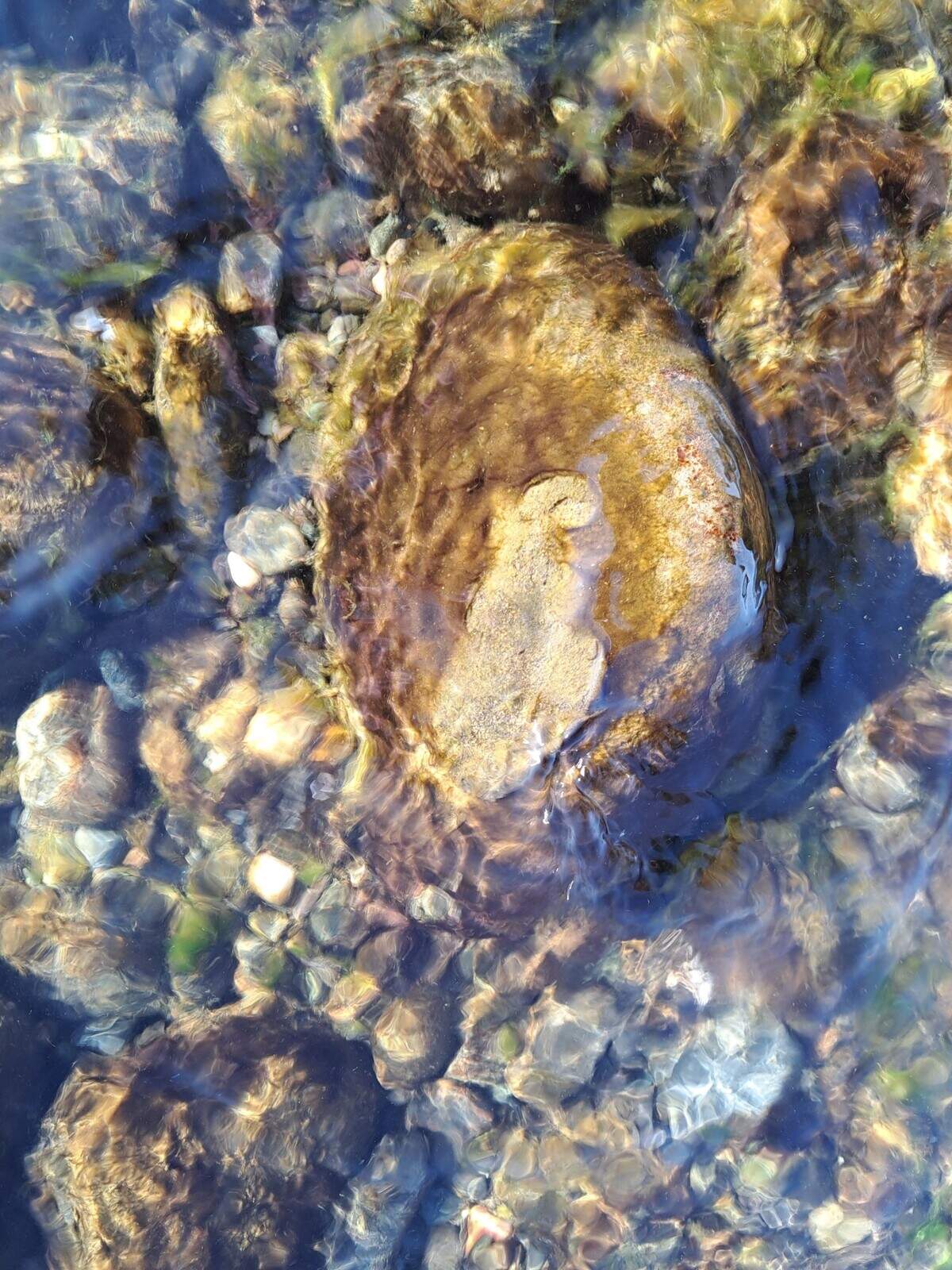
Toxic algae blooms are most common in the Tri-Cities area from the second week of August, usually peaking in September and continuing into October. In 2021 toxic algae was still detectable in the Columbia River in November.
People and animals exposed to anatoxin-a, a dangerous neurological toxin produced by algae in the Tri-Cities area, can show symptoms withing 15 to 20 minutes of ingestion.
Pets may be weak, stagger, have trouble breathing and have seizures.
Symptoms in people include numbness around the mouth, tingling in fingers and toes, and dizziness. They should get medical help immediately.
Keep dogs safe
Dogs are especially at risk if they play in Tri-Cities area rivers near the shoreline, even if there is no current warning posted due to test results.
The health district advises:
▪ Don’t let pets eat or chew on clumps of algae.
▪ Prevent them from licking their fur after swimming.
▪ Rinse pets with clean water immediately after exposure.
▪ Wash your hands and exposed skin after contact.
▪ If your pet becomes sick, contact a veterinarian right away.
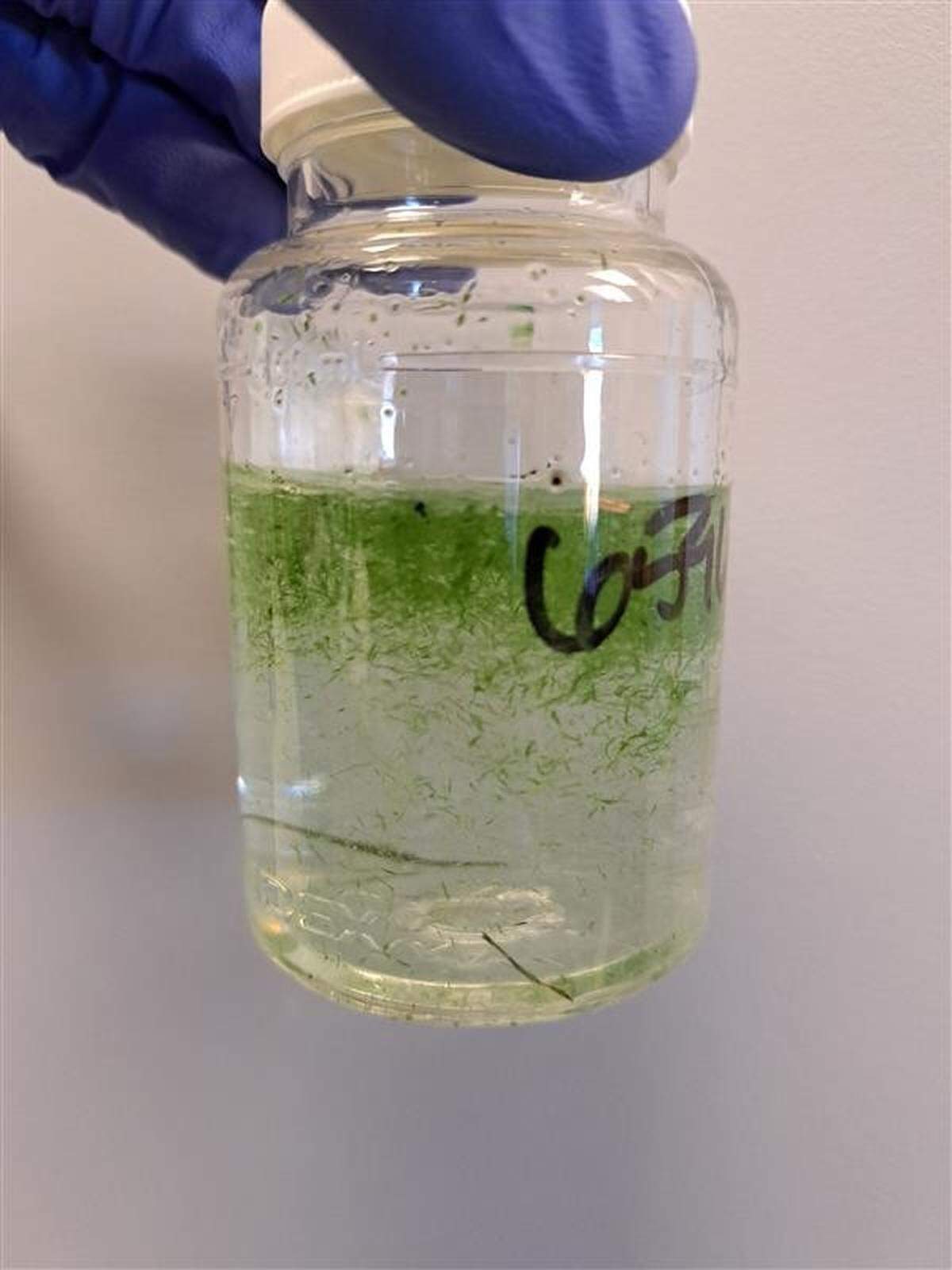
The Benton Franklin Health District asks that any suspected poisonings be reported to 509-460-4205.
The health district plans a public meeting to provide information on toxic algae at 7 p.m. July 8 at its office at 7102 W. Okanogan Place in Kennewick.
Jim Coleman, the climate effects specialist at the district, will answer questions and get tips on enjoying Tri-Cities rivers and waterways safely this summer, including tips to spot harmful algae.
The district’s test results and related information about toxic algae will be posted at bit.ly/3FPiOAc.
.jpg "Toxic Algae Flyer 11X15 BFHD QR CODE FINAL (1).jpg")
This story was originally published June 23, 2025 at 12:53 PM.