
Rattlesnake Mountain access still closed to public, despite law. What feds are planning
Rattlesnake Mountain remains closed to the public a decade after Congress ordered at least limited public access to the tallest mountain in the Tri-Cities area.
Most of the almost 3,600-foot mountain near Richland, Wash., was taken over as part of the security perimeter around the Hanford nuclear site in 1943 and later became part of the Hanford Reach National Monument.
But it remains closed to the public, with the exception of some spring wildflower tours for limited participants more than nine years ago. The tours in hired minibuses were closely supervised by U.S. Fish and Wildlife Service officials.
Now the federal government is working toward having a summit with tribes on giving them co-stewardship of the mountain as the federal government moves toward required public access, said Candice Robertson, the new Department of Energy senior adviser for environmental management, during a recent Hanford visit.
“Obviously the tribes have a high priority on making sure sacred sites remain sacred,” she said.
DOE needs to also continue to talk to the community about its interest in access and how, when and how often that would happen, as well as the tribes, Robertson said.
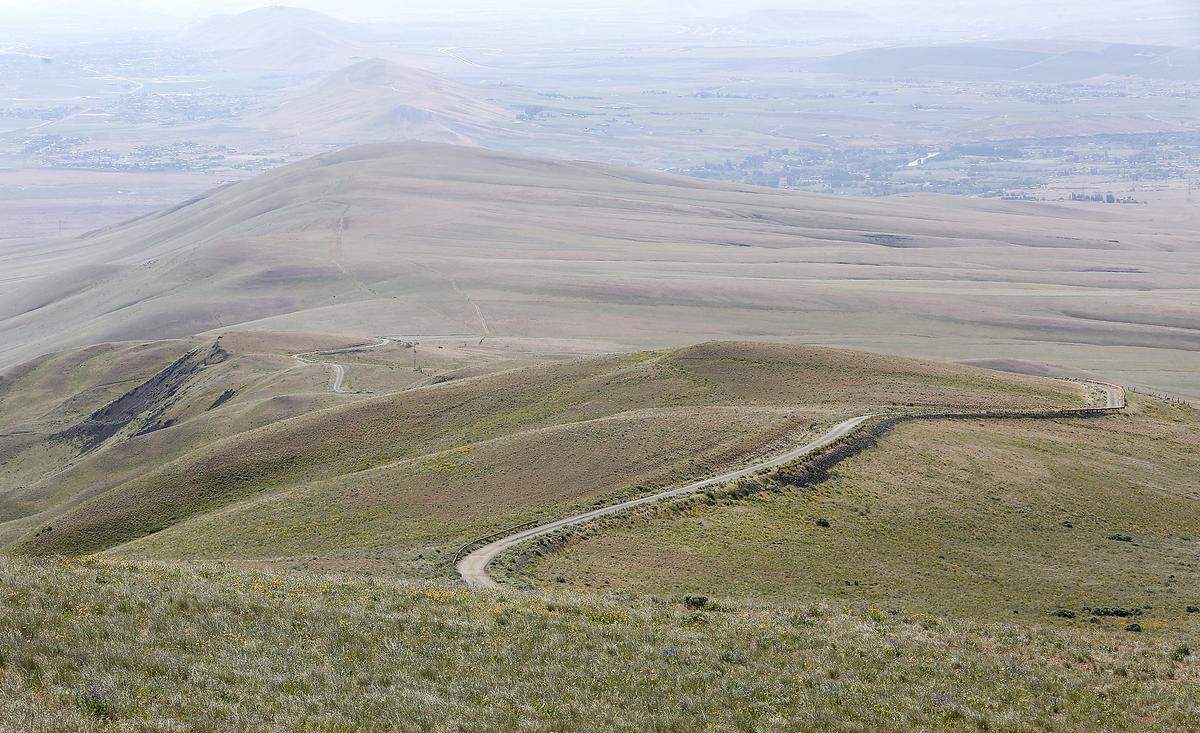
Tribal use, stewardship
The tribal summit would advance a federal government proposal announced in December 2023 to give Northwest tribes co-stewardship authority for the use and protection of Rattlesnake Mountain
DOE and the Department of Interior signed a memorandum of understanding on Nov. 30 and Dec. 1 that called for an interagency team to be formed for discussions with leaders of the Wanapum Band and the Yakama, Nez Perce and Umatilla Tribes.
The Department of Energy is the landowner and the monument land is managed by the U.S. Fish and Wildlife Service of the Department of Interior.
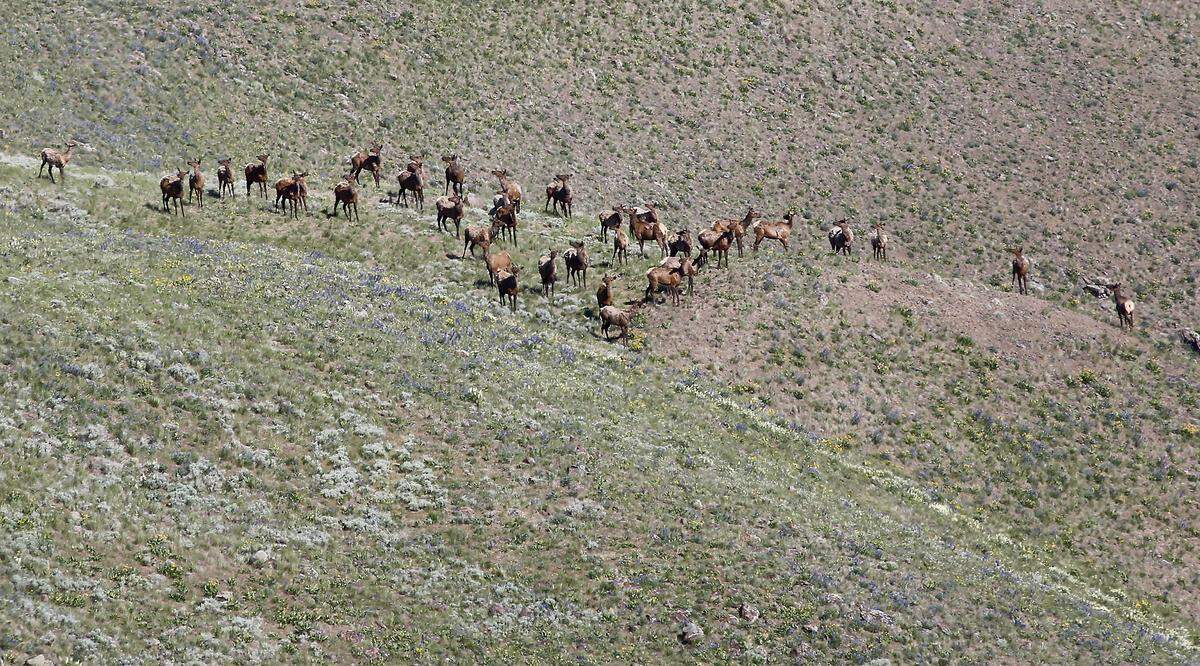
The objective is to treat Laliik, the Native American name of Rattlesnake Mountain, as a sacred site and to support tribal connections to the mountain “that are essential to their spiritual interconnectedness, traditional gathering practices, and other ceremonial and cultural needs,” according to the memorandum of understanding.
Discussions would include the potential for additional protective measures, improved access for tribal members and opportunities for tribes to take a more active role in stewardship of the mountain, DOE said in late 2023. It would also allow traditional ecological knowledge of indigenous communities to be incorporated into management plans.
Native Americans historically used the mountain, and there has been a step toward improved tribal access since the memorandum of understanding was signed.
In December, the Yakamas held its first ceremonial elk hunt on the federally owned land on the mountain since World War II.
Both settlers and Native Americans were forced from what is now the Hanford nuclear reservation, including its security perimeter, after the Eastern Washington land was picked to produce plutonium for the nation’s nuclear weapons program during WWII.
The Yakama Nation and other Northwest tribes have treaty rights that provide access to the mountain, including for religious activities, hunting and gathering.
.JPG "SHi_j0079(12).JPG")
Rattlesnake public access law
One of the last acts of U.S. Rep. Doc Hastings, R-Wash., in 2014 before retiring was to pass legislation that required public access to the top of Rattlesnake Mountain.
Some limited, small guided tours would satisfy the requirement.
His successor, Rep. Dan Newhouse, R-Wash., has continued to press for the law to be unheld. In 2020 he organized a private tour to the top of the mountain for a group of 21 officials. With U.S. Fish and Wildlife, he showed off the view to community leaders and elected officials, including Hastings, and representatives of the Congressional Western Caucus.
“This must not be a right reserved only for elected officials,” he said. “Public lands must be made public.”
In 2015, the Yakamas and Umatillas won a federal ruling that the Fish and Wildlife Service must consult with tribes before conducting tours on the mountain, and no tours have been held since then.
An environmental study was done, including the release of a draft and public comments in late 2018. But then work appeared to halt, rather than a decision being made on what access will be allowed.
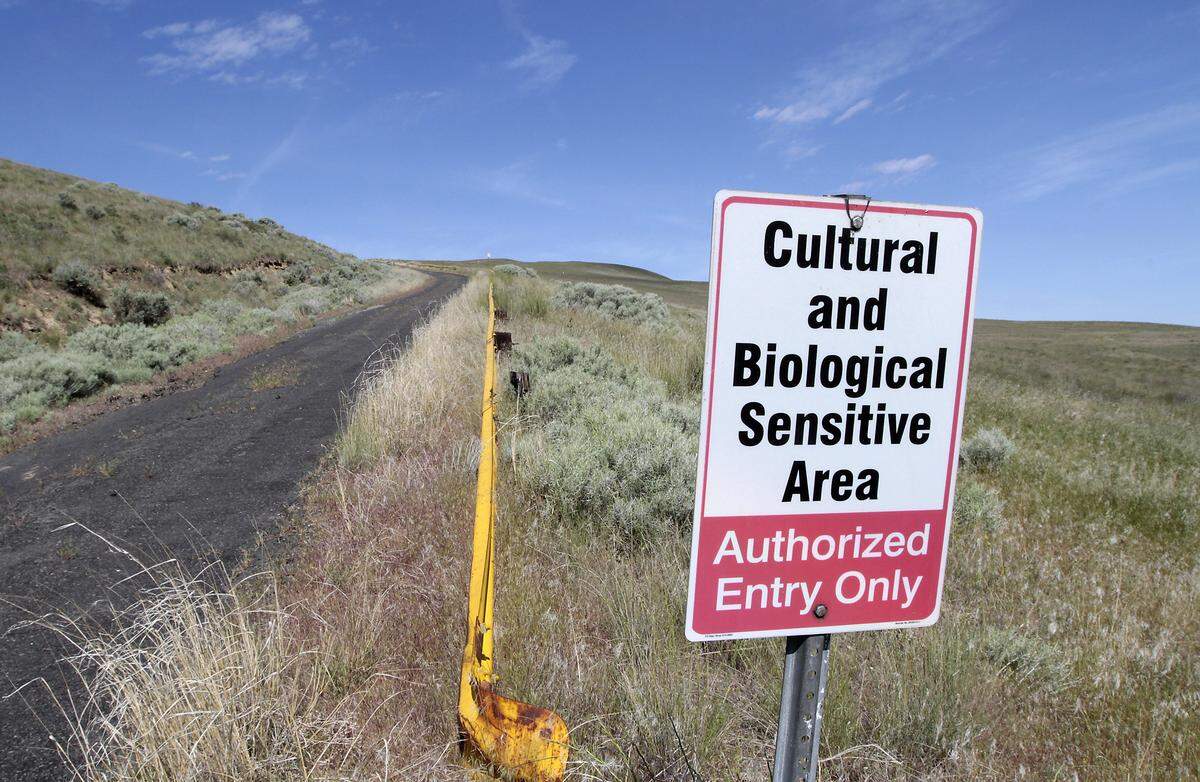
The preferred alternative identified in the draft study was to allow guided tours, such as on small buses, to the top of Rattlesnake Mountain for up to 20 days annually.
On two days a year hikers and bikers would be allowed to climb the mountain, sticking to a steep, narrow road to the summit that is now blocked by a locked grade.
They could expect a round trip to the summit and down of about 17 miles, with an elevation gain of about 3,000 feet and a grade as steep as 18% at one point.
The Fish and Wildlife Service estimated that two guided bus or van tours a day for up to 20 days a year would allow as many as 1,200 people to take tours themed to topics such as wildflowers, birds, elk and geology on the portion of the Hanford Reach National Monument.
This story was originally published October 2, 2024 at 12:51 PM.