
What changes are needed at this wildlife area popular with Tri-Cities residents?
Washington state wants to hear from Tri-Cities residents and others who love the W.T. Wooten Wildlife Area.
Along with the Nez Perce Tribe and the Confederated Tribes of the Umatilla Indian Reservation, the Washington state Department of Fish and Wildlife is looking at improvements and management strategies for the area.
The area covers about 17,000 acres mostly in Columbia and Garfield counties and includes 17 miles of the Tucannon River. It also includes the McDonald Bridge and Swegle Road access areas in Walla Walla County.
It’s a popular outdoor destination for Tri-Cities residents, who make up about 80% of its visitors, despite being about an 85-mile drive. It is 25 miles east of Dayton and 14 miles south of Pomeroy.
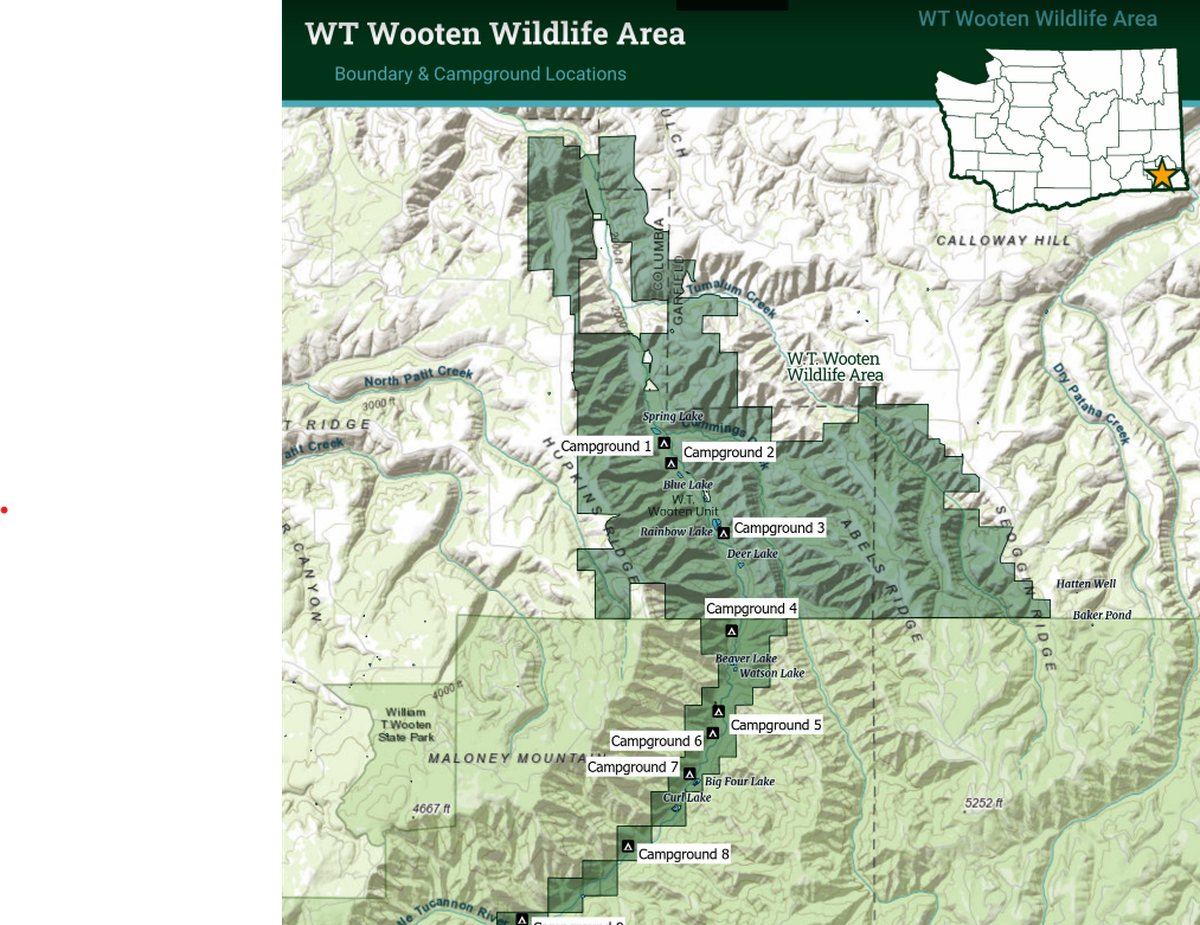
As planning for the wildlife area improvements begins, the tribes and state agencies are asking anglers, campers, hunters, nature lovers and others who use the area for input on how to move forward.
A survey is posted at tucannonriver.org/tucannon-pa5-15-assessment.
The state and tribes will be considering options for upgrades to the lakes, recreational access and flood plain habitats.
The Department of Fish and Wildlife says since lakes were constructed 75 years ago there has not been adequate funding for maintenance, leaving them in need of upgrades and repairs.
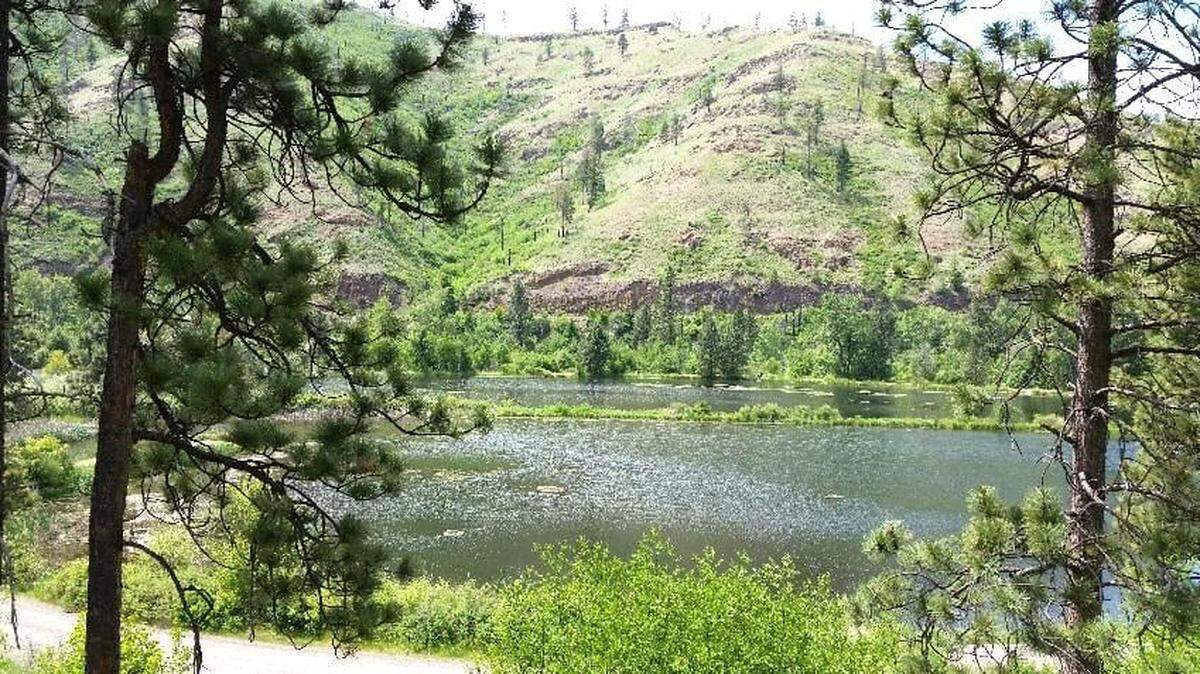
Lakes have silted in, impacting the fishing.
The river also has changed, as it has been squeezed and straightened by lakes, roads and a network of levees. The changes have impacted salmon and trout habitat, according to the Department of Fish and Wildlife.
Most of the land in the wildlife area was acquired by the state from 1941 to 1943 to both minimize conflicts between wildlife and livestock and also preserve habitat for wildlife and outdoor recreation.
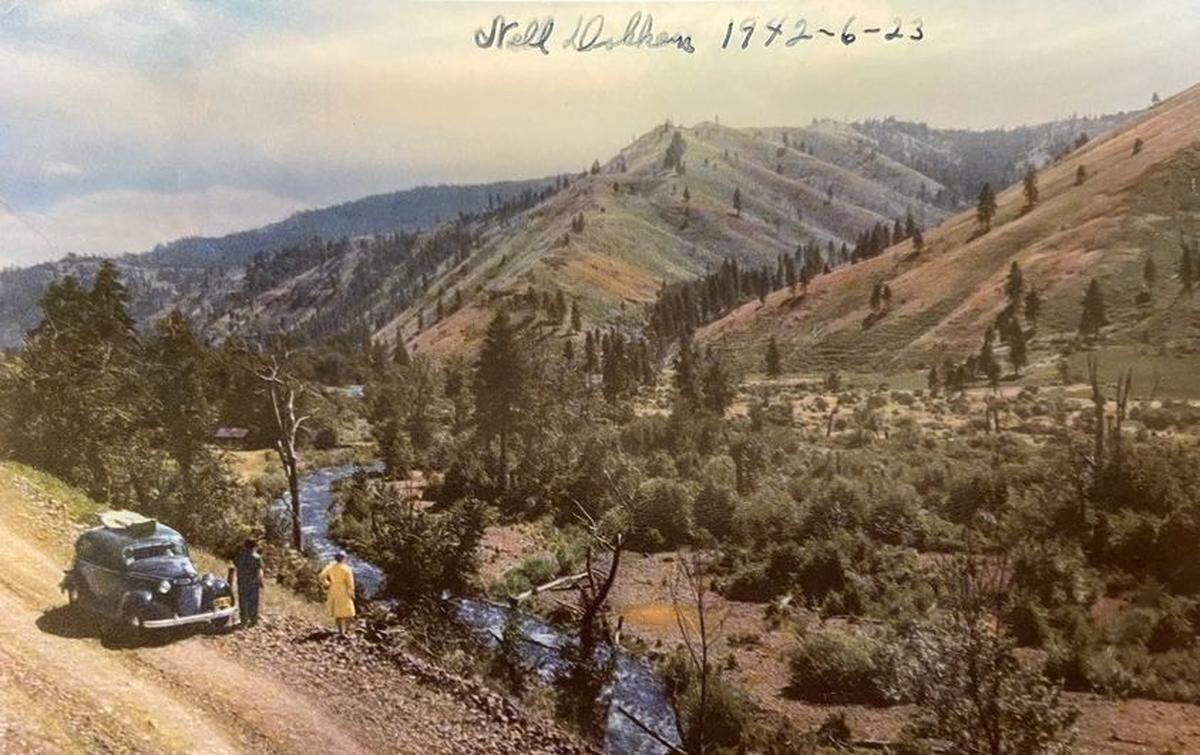
In the 1950s, eight artificial lakes were created to improve fishing opportunities. The area also has 10 campgrounds.
Lands in and around the Tucannon River are historic wintering areas for big game and receive year-round use by a variety of wildlife species.
The Tucannon River drainage is designated critical habitat for three federally endangered species: steelhead, Chinook salmon, and bull trout.