
Bumper crop of ticks this spring in the Tri-Cities. Where to be careful and why
Ticks are loving this spring’s wet weather in the Tri-Cities area.
They thrive in humid conditions, said JoDee Peyton, environmental health specialist for the Benton Franklin Health District.
She’s had first hand experience with this spring’s bumper crop of ticks, finding them as early as March on her dogs and herself. She suspects they picked them up in a Finley pasture.
Tri-Cities area residents also are using social media to report an abundance of ticks this spring.
One person on Reddit said that after 10 minutes at Bateman Island in Richland, they noticed two ticks on their dog’s head.
By the time they got back to their car, the dog had dozens of ticks clinging to its fur.
Another person found 40 on themselves, their dogs and in their house after a visit to Bateman Island.
It is not just Bateman Island that seems to be having a particularly bad tick season. Others reported seeing many ticks at Chamna Natural Preserve in Richland and in vegetation in West Richland.
They are commonly found near rivers in the Tri-Cities, but they also are in wooded areas and areas with heavy shrubs, Peyton said.

They perch on the edge of grasses and other low-lying vegetation and and grab onto animals and people as they brush past.
Once aboard they find a good place to feed — usually someplace like the back of the neck, groin or armpit, Peyton said.
Save that tick
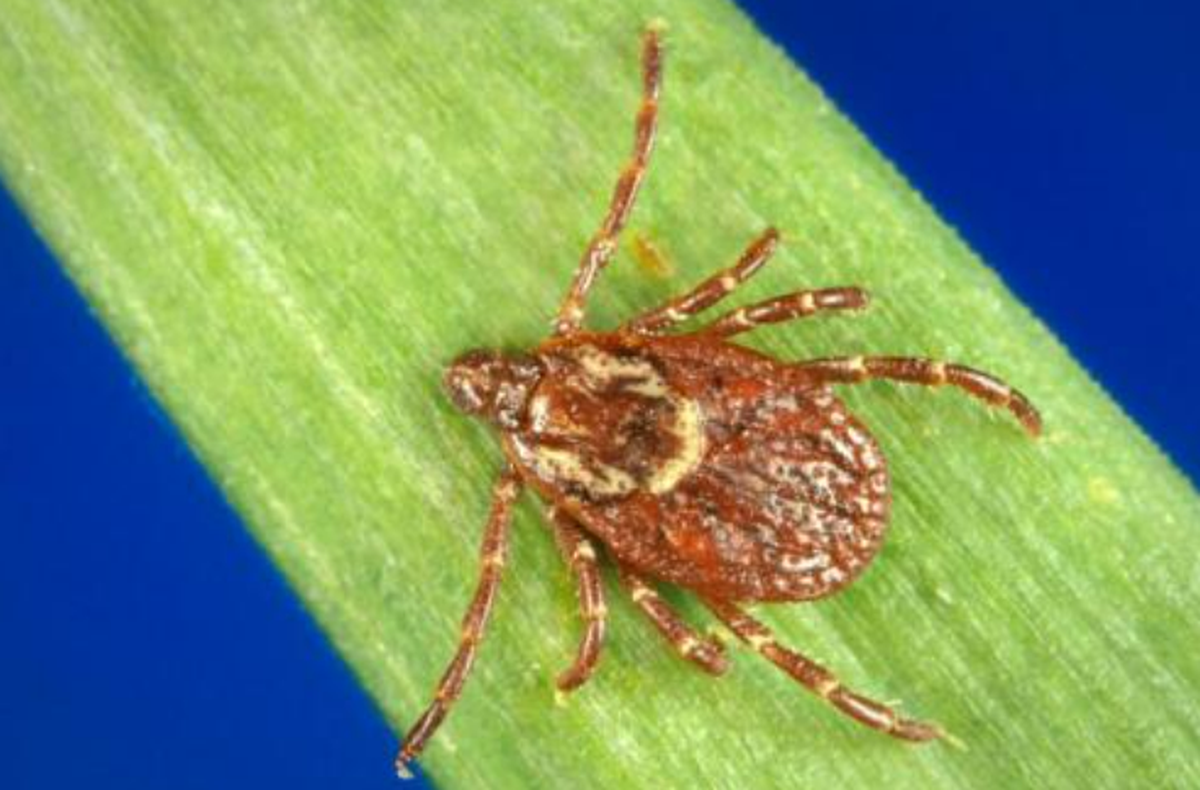
The Tri-Cities area has Rocky Mountain wood ticks and western dog ticks.
But it is not known for western black-legged ticks, which carry Lyme disease. They are found in Western Washington, as well as on the eastern slopes of the Cascade Mountains.
Still the bite of ticks found in the Tri-Cities area can cause rare cases of tick paralysis, with symptoms of weakness or paralysis, and Rocky Mountain spotted fever, which causes fever, headache and a rash.
But ticks need to attach to a body for 24 to 48 hours to transmit disease, Peyton said.
“The sooner you find them and get them off, the better off you are,” she said. “If they are not attached and you find them crawling around you get the creepies, but that’s about it — not a disease.”
If you do find a tick on your body, you might want to save it so the species can be identified if you get sick, which can take two days to two weeks to cause symptoms.
You can also put it into a crush-proof container and send it to the Washington state Department of Health for identification. Find instructions at bit.ly/WAticks.
Avoiding, removing ticks
Don’t buy into folklore remedies to remove ticks, such as using hot matches or coating them with petroleum jelly or nail polish, says the Washington state Department of Health. An irritated tick just releases more saliva, which could transmit disease.
Instead, use tweezers to grasp the tick as close to the skin as possible and pull straight upward with steady, even pressure. Then clean the bite area and your hands with rubbing alcohol or soap and water.
To avoid ticks, wear light-colored long pants and a long-sleeve shirt. Tuck your pant legs into socks or boots and your shirt into your pants.
Use tick repellent, but don’t put them on the hands of young children that might put them in their mouths.
Check clothing and gear, such as daypacks, when you get home, says the Washington state Department of Health. A shower provides an opportunity to check for ticks and wash off any unattached ones.
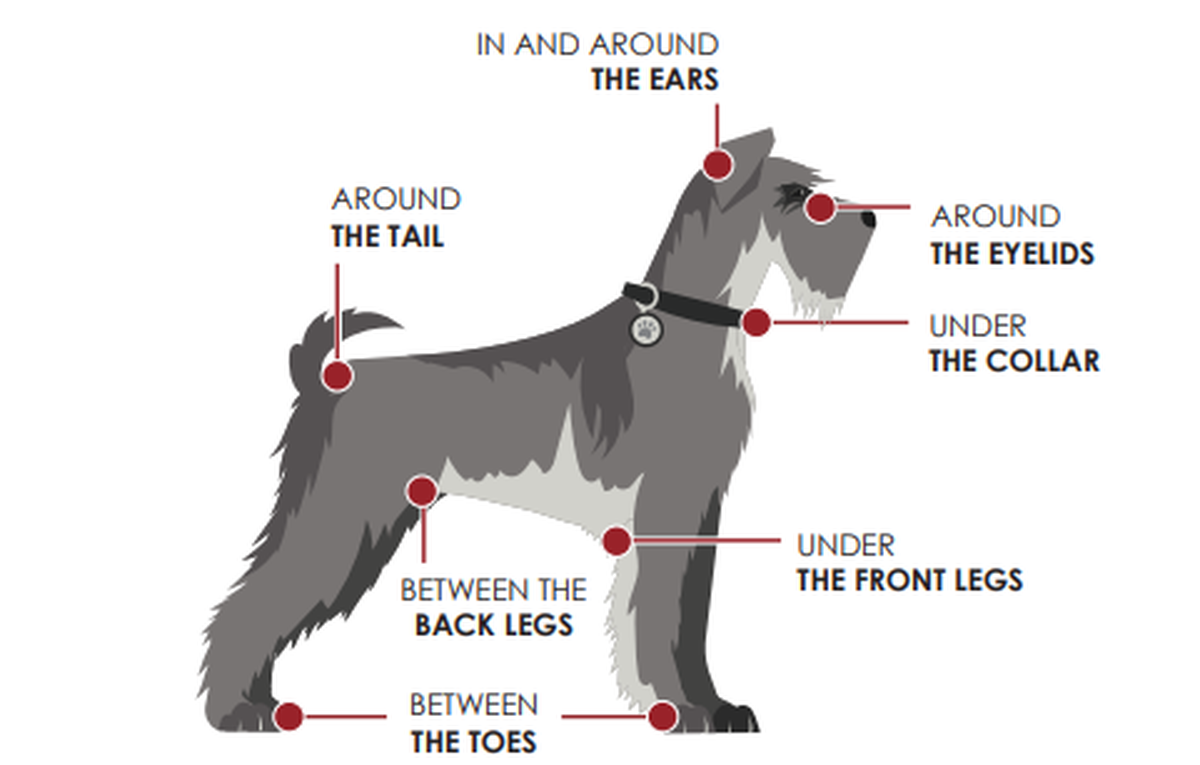
Check for ticks on your dog by gently running fingers through your pet’s fur.
Look in and around the ears, around the eyelids, under the collar, under the front legs, between the back legs, between the toes and around the tail, says the Centers for Disease Control and Prevention.