
More Tri-Cities birds appear to be sick and dying of avian flu. What to be careful of
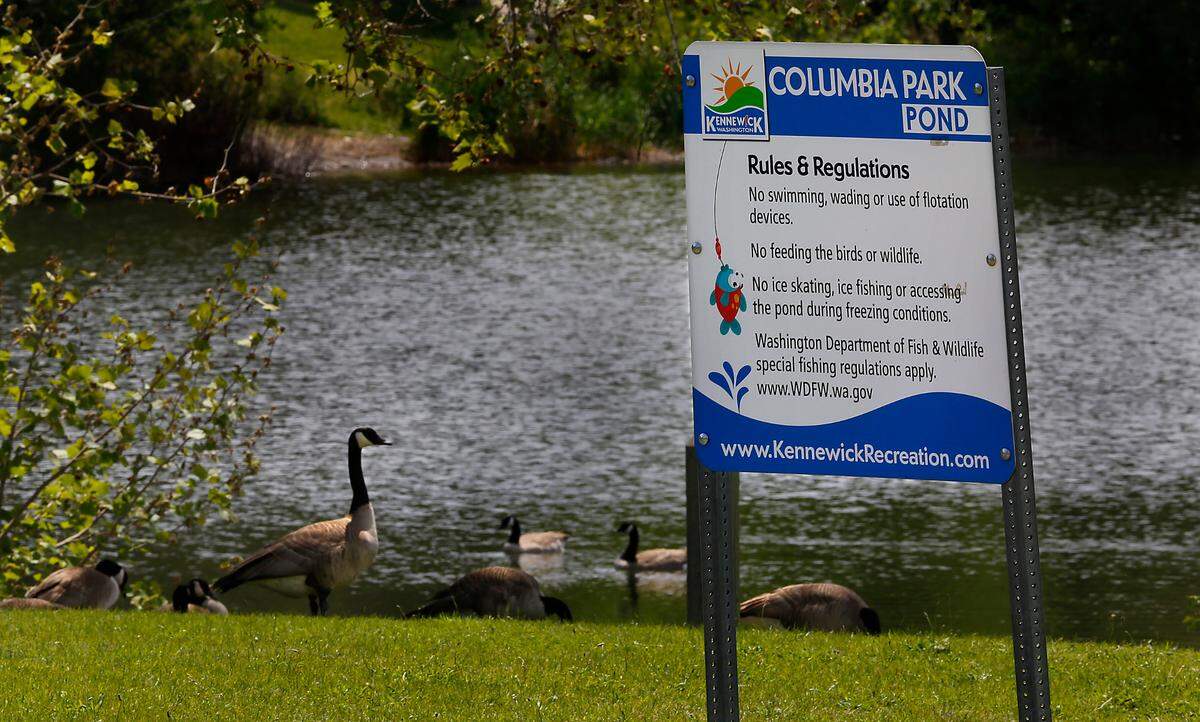
Walking in bird droppings in Columbia Park in Kennewick could spread the avian flu to other birds, including pets and poultry at home, warns Lynn Tompkins, executive director of a regional bird rehabilitation organization.
All parts of the park remain open to the public, but water fowl there are believed to be infected with the H5N1 strain of avian influenza virus.
Two goslings at the park had initial positive test results for bird flu from the Washington Animal Disease Diagnostic Lab, with confirmation from a federal laboratory pending, according to the Washington state Department of Fish and Wildlife.
Other goslings at the park were found sick or dead but were not tested. And grown waterfowl may also carry the infection without showing symptoms.
The Blue Mountain Wildlife Rehabilitation and Education Center in Pendleton has also sent swabs to the state lab for a sandhill crane in Connell and a duckling and crow from Richland that also came back positive.
They are not added to a federal database until the results are verified at a federal lab, and current backlogs are long with the majority of states reporting outbreaks this spring.
“We are just assuming it is here,” Tompkins said.
Waterfowl are most likely to be infected since they gather in large numbers, she said.
That’s why Blue Mountain Wildlife has recommended that its volunteers stay out of Columbia Park in Kennewick for now and has made the same recommendations for others concerned about birds to cut down the chance of spreading the virus.
Human risk low
The risk for human illness is very low, but the virus is highly contagious and easily spread among birds.
The city of Kennewick discussed whether to close the park with Washington state Department of Fish and Wildlife and the Benton Franklin Health District and came to the conclusion that the risk to the public was low and is keeping the park open.
But people should never handle sick or dead wild animals, cautioned Nick Farline, the new Kennewick parks and recreation director.
Blue Mountain Wildlife has not seen any cases linked to backyard bird feeders.
But Washington state Fish and Wildlife recommends wearing disposable gloves when cleaning bird feeders and washing hands with soap and water when you are done.
Report sick birds
Any sick or dead wild birds should be reported to the Washington Department of Fish and Wildlife’s website. Search for “report wildlife observations” to find the correct form.
The state agency also is picking up dead birds at the park. Raptors may scavenge them and become infected.
Over the weekend visitors were reporting more sick baby geese and Columbia Park.
Symptoms include walking in circles, seizures and sitting still and letting people approach them, said Staci Lehman with the state Department of Fish and Wildlife.
The department is urging people to leave sick birds alone.
“It’s just a sad situation,” Tompkin said. There is no treatment for avian flu cases.
As the weather heats up, there should be fewer infections, but there is concern cases could rebound in the fall, Tompkin said.
Hunters will need to be careful, it that is the case.
They should not eat, drink or smoke while cleaning or processing birds and decontaminate tools and surfaces with a 10% bleach solution. Any carcasses will need to be bagged and disposed of to prevent scavenging by raptors.
Avian flu in humans
If you experience flu-like symptoms following contact with birds, contact the Benton Franklin Health District, says state wildlife officials.
Most known cases of human infection occurred after prolonged contact with birds, according to the state agency. It also said, citing the Centers for Disease Control and Prevention, that getting an annual flu vaccine could reduce the chance of infection with bird flu.
Just one avian flu case has been reported in a person in the United States this spring, compared with 1,190 cases confirmed in wild birds and more than 38 million in poultry, according to the CDC.
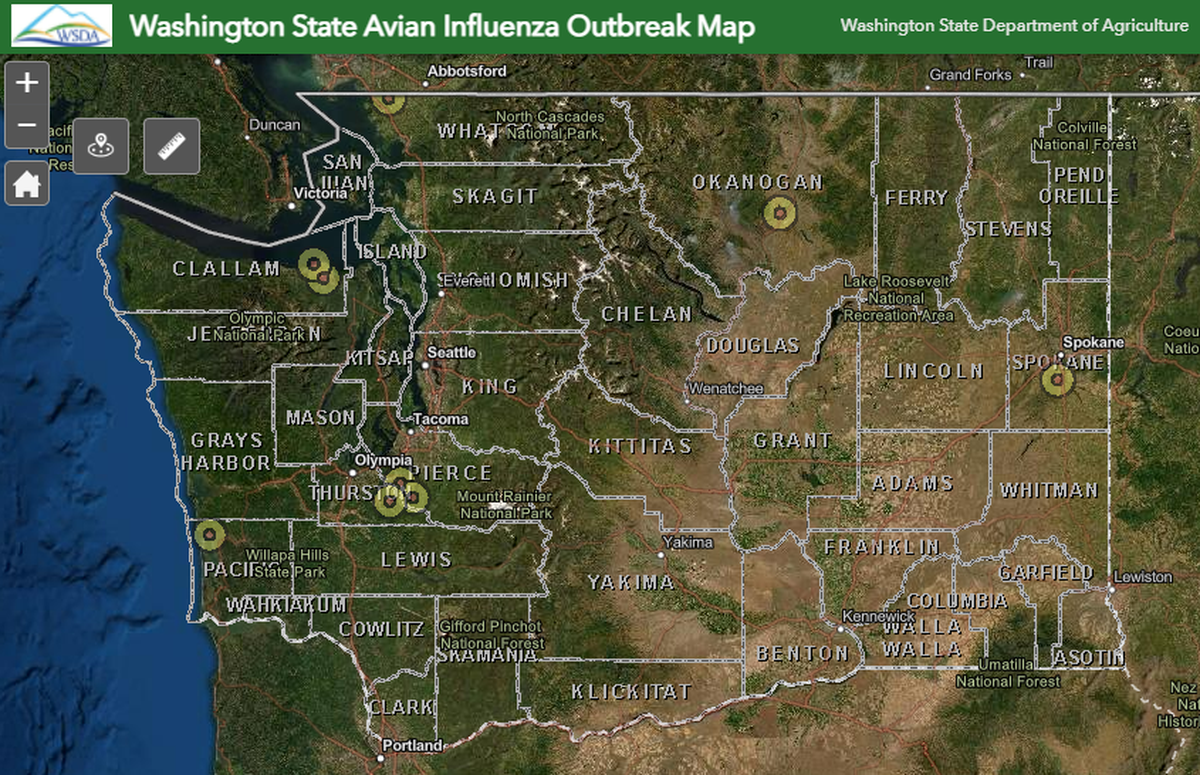
No domestic flocks have been confirmed positive for avian influenza in the Tri-Cities area.
But infected backyard geese and chickens have been found elsewhere in the state. The entire flocks have been euthanized and quarantine areas established.
The Washington state Department of Agriculture recommends confining domestic flocks in an area with a roof that does not allow water through.
A single sick bird in a flock should be reported to your veterinarian. If multiple birds die or have an unusual illness, you are asked to call the state sick bird hotline at 800-606-3056.
This story was originally published May 24, 2022 at 12:50 PM.