
Outdoors | Bagging a Christmas goose and a trip down memory lane
The frosty December morning began with the overhead honk of migrating Canada geese.
Unlike winter adventures that begin before the sun comes up, I slept in, brewed a fresh cup of coffee, and read the morning paper.
There would be no pulling on insulated chest waders to slog through the mud, cruel north wind bringing a rush of tears to my eyes.
No frozen fingers and no squatting behind slumped cattail and bulrush for a chance at unsuspecting waterfowl.
My hunt would begin at high noon in the backyard of a good friend.
The chance to bag a Christmas goose came to me like a free lottery ticket in the mail.
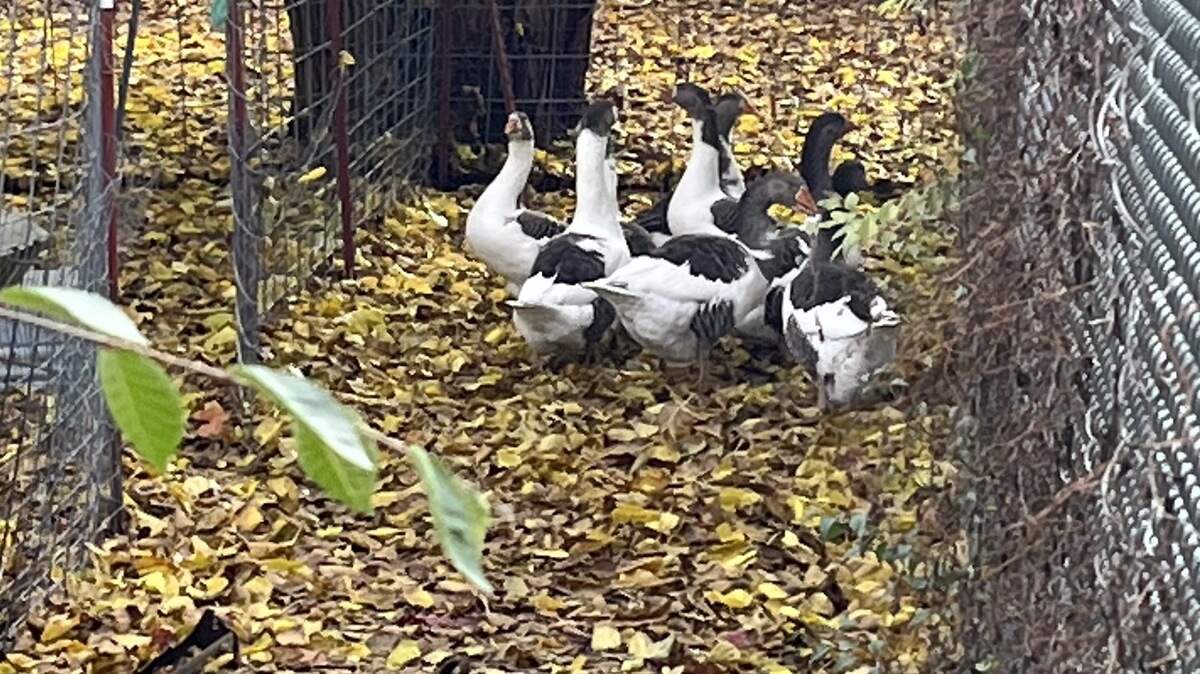
“You wouldn’t be interested in a goose or two, would you?” Diana said. I peered over her shoulder to a cyclone fence where a gaggle of saddleback Pomeranian geese gathered.
Her offer jogged loose a childhood memory of a neighbor, double-bit ax in hand, and a headless chicken running around the barnyard.
Two or three times each winter, when a dense layer of fog clung to the surface of the Columbia River, I’d return home from work as a fisheries technician on the Hanford Reach with a plump mallard.
Birds had been shot from a shoreline blind and found floating down the river outside the range of a Labrador retriever. These events occurred decades in the past when free food is free food when you only make $150 a week.
But it’s the majestic Canada goose we dip-netted from the river I remember most. A great excuse for a holiday potluck, I thought, as I plucked it clean. Soft breast feathers drifted in a cool breeze while neighborhood children gathered to watch.
Six bachelor friends from my softball team showed for the late autumn repast, each with a side dish or libation to share. We feasted on dark, stringy goose meat, baked salmon, and pumpkin pie topped with whipping cream.
Geese are the noblest of all feathered fowl. Unlike the promiscuous mallard, they mate for life.
Annual migration might take them hundreds of miles, from northern Canada to the Gulf of Mexico. Snow geese gather in giant flocks at the McNary Wildlife Refuge each winter, with an occasional blue goose mixed in.
I flew over hunter’s blinds in a Cessna-170 during aerial surveys of salmon redds and can attest that any passing Canada goose with good eyesight can tell the difference between natural shoreline vegetation and hastily constructed camo netting.
I read Mother Goose nursery rhymes to our children. “Goosey, Goosey, Gander” was a favorite lyric. My Grandma Laura often served a roasted goose for Christmas dinner.
A bird culled from a small flock that grazed alongside their trout-filled farm pond. I had dealt with upland game shot in the field, having processed quail, pheasants, and ducks for the dining room table.
Also, chickens when culling the flock meant wringing a neck. In the case of a free-range domestic goose, bloodletting would be involved, a task more difficult than bonking a salmon.
Which suggests it’s never a good idea to name an animal you plan to eat. Ted and I arrived at noon to find a nervous gaggle of geese.
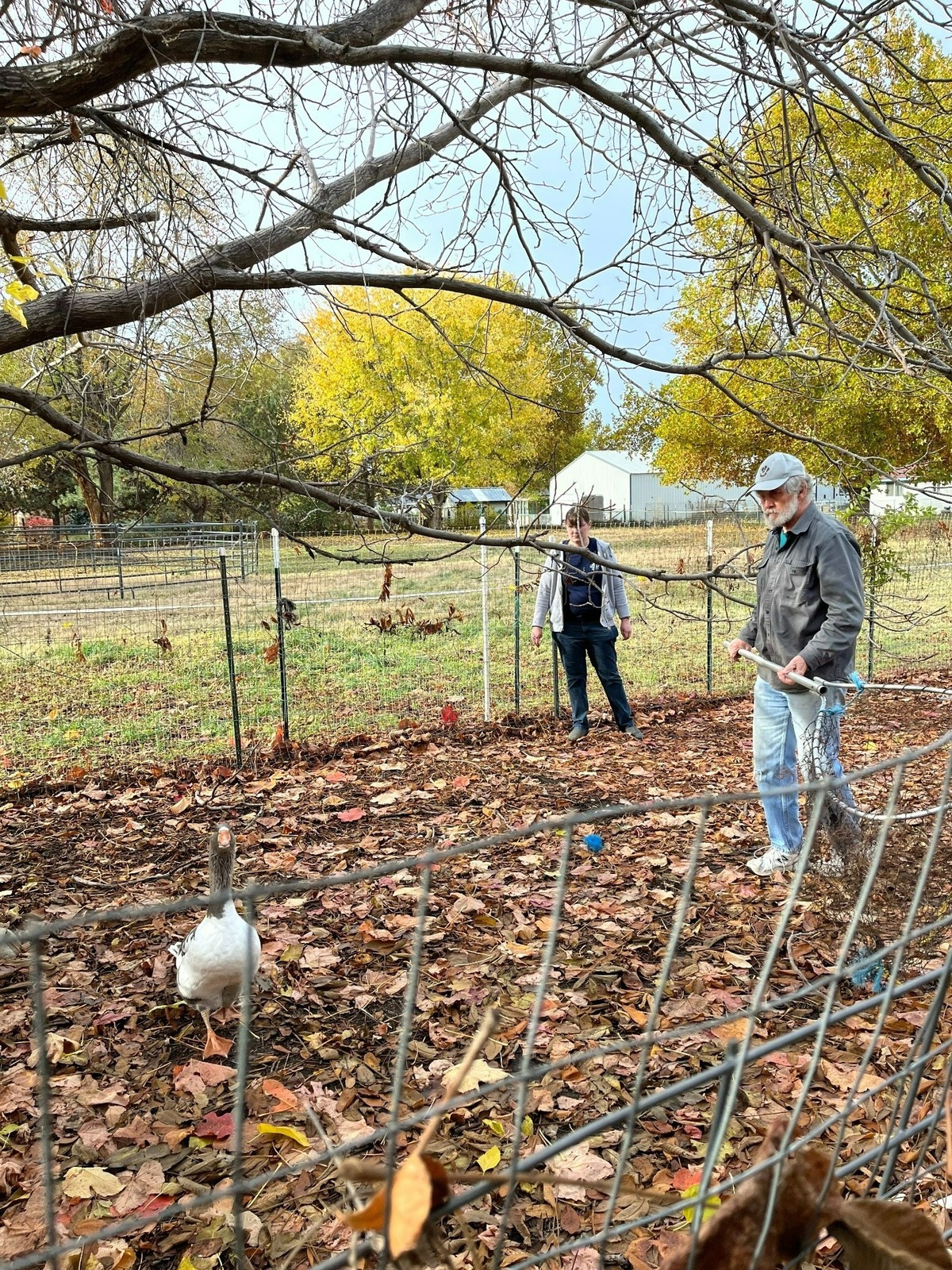
Because our hosts wished to retain the dominant gander and dame, separating two yearling geese from the huddled group was not easy. Nor was the dispatching.
There’s no easy way to say it. Captured birds were stunned and bled as humanely as possible. It helped they remained docile when held by their wings and feet, as if resigned to their fate.
Perhaps reflecting on the party goose, Nancy’s had reminded, “Don’t skin your goose. The meat will be dry unless we roast it whole.”
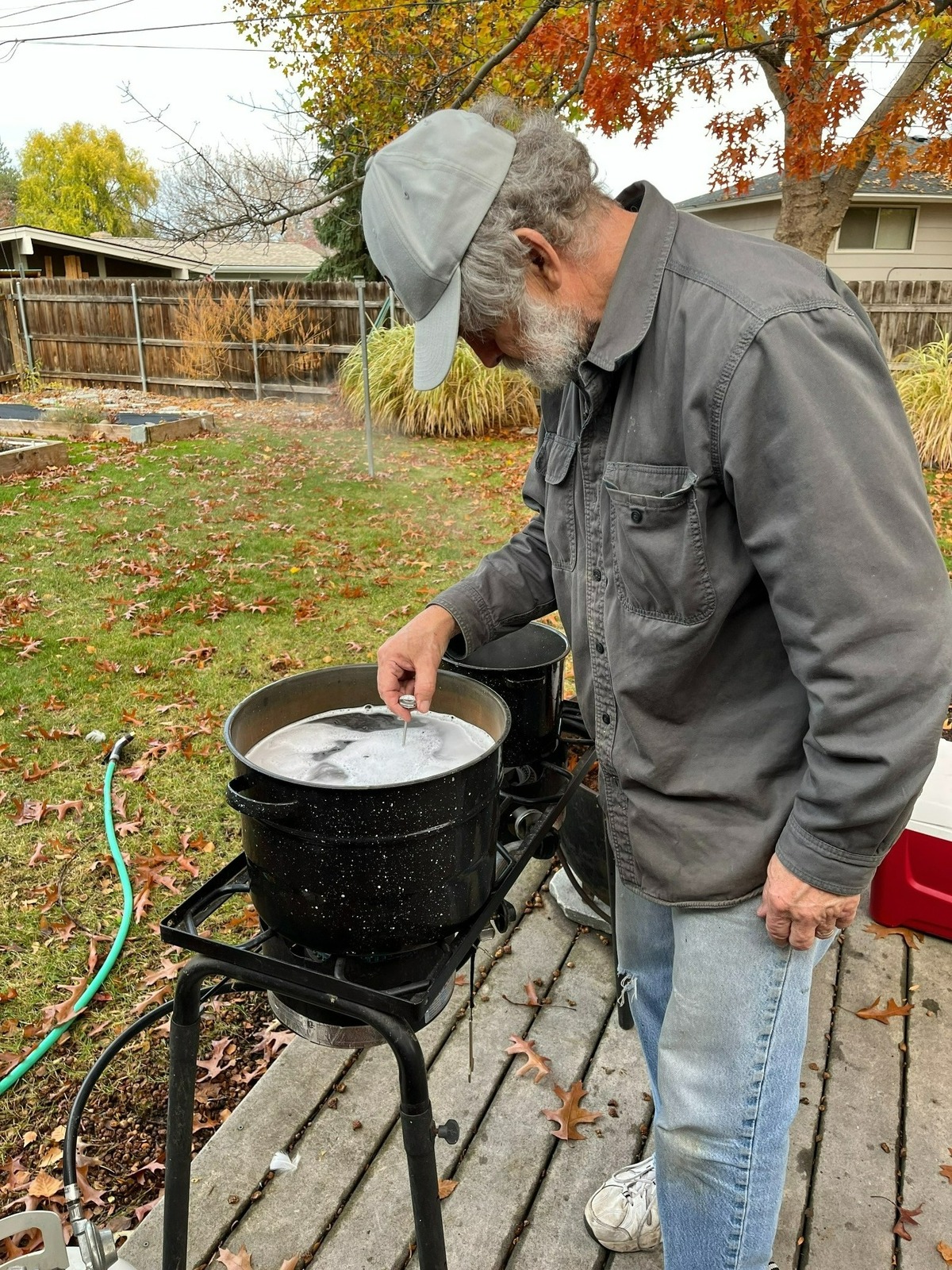
Her edict led to an hour of plucking in Ted’s backyard. Birds were first immersed into scalding water to loosen the feathers. Then an ice bath to cool. The onerous job of plucking continued until each bird appeared supermarket ready.
Which reminded why most sportsmen breast out their waterfowl.
There is a certain satisfaction in imagining you can live off the land. In the preparing of food harvested from the field and stream — or a friend’s rural backyard.
Goose dressing will be enhanced with apples gleaned from gnarled trees that grow near our cabin. Winter broccoli, dug potatoes from the garden, and smoked whitefish are also sure to complement when family members gather to give thanks with a blessing.
After all, isn’t sharing nature’s bounty what the holiday season is all about?
This story was originally published December 13, 2021 at 2:33 PM.