
Outdoors | Washington state mountain lakes are great escape from heat and fires
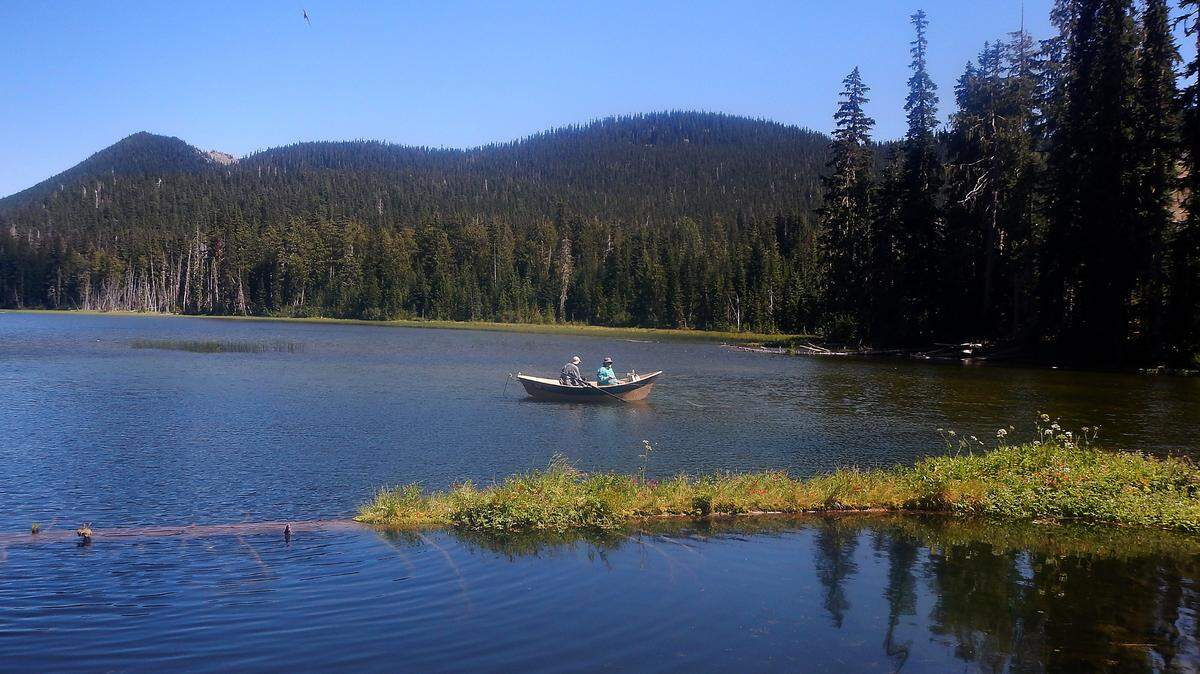
Tired of triple digit temperatures? Picture this idyllic scene: trout dimpling the surface of a small mountain lake with snow-capped peaks in the background, playful pikas on a scree-lined slope and verdant alpine meadows.
That’s exactly what I had in mind when Ted emailed an invite to accompany him to Leech Lake. My interest elevated when Ken shared that Washington Department of Fish and Wildlife planted 600 two-pound rainbows in mid-June.
Leech Lake is located the punt of a Seahawks football from Highway 12 near the apex of White Pass. It is surrounded by tall willow, alder and fir. The shallow basin is fed by a myriad of hillside springs along the north shore.
The 42-acre waterway is designated fly fishing only, restricted to nonmotorized vessels and has a one fish per day limit that is 18 inches and larger. It’s campground offers trailhead access to the Pacific Crest Trail.
A string of RVs, semi-trucks, mini-vans, SUVs and two motorcycle clubs led us uphill past a vacant Trout Lodge, rustic vacation homes and heat-stressed conifers. The Tieton River flowed fast and turbid from glacial melt with few pools to beckon.
Whitecaps on Rimrock Lake provided a hint of what was to come.
Air temperature was a cool 53 degrees when we arrived at what a friend calls “ham-and-egg time” in reference to anglers who don’t make their first cast until mid-morning.
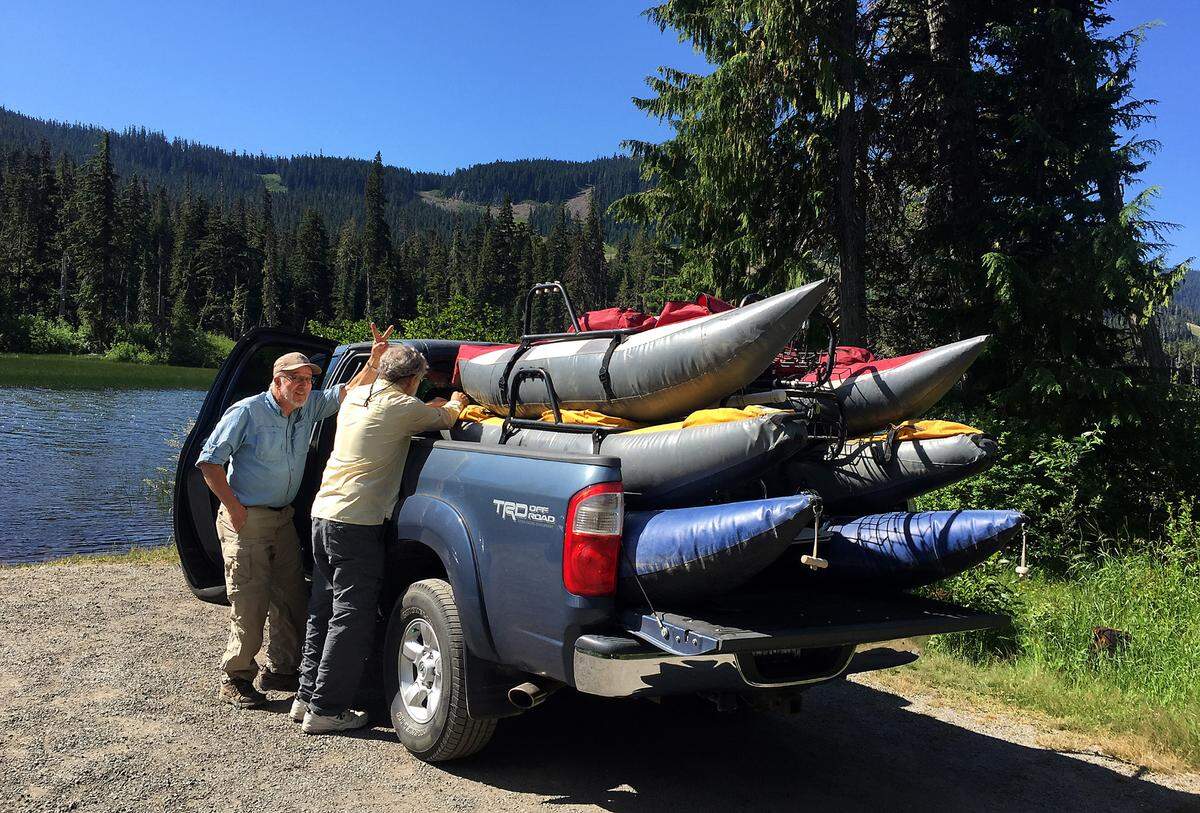
Conversation at the gravel launch revealed low catch rates for rainbow and that small brook trout readily strike a Prince Nymph pattern cast near shallow beds of scouring rush.
“I hope there’s a third pair of oars in there,” I said to my two fishing partners as we slide each pontoon boats from the back of Ken’s truck. Air bladders had fully inflated during transport from the Tri-Cities because of a difference in elevation.
That’s when I realized my oars never made it out of the garage.
“Do you have an anchor?” Ken asked. “You could kick your way to the upper end of the lake and hold position.”
“Haven’t been out on a lake where I needed one,” I replied. “Remind me to make a checklist next time.”
Admittedly, I haven’t bonded to my pontoon boat, having purchased it second-hand to float the Yakima and Grande Ronde Rivers.
Still water experience had been limited to a trip to Crow Butte for smallmouth bass and another to Quincy Lake for early season stocker trout. Nonetheless, I set out from the launch determined to churn my way around the lake via fin power.
Thankfully, Ken offered a tow when saw me turning two circles in the wind. Which he did with aplomb until the statute of limitations for kindness expired and he dropped me off to fish on his own.’
Casting and retrieving a no. 16 Renegade between 15 mph gusts of wind eventually produced an 8-inch “brookie” or “speckled trout.”’
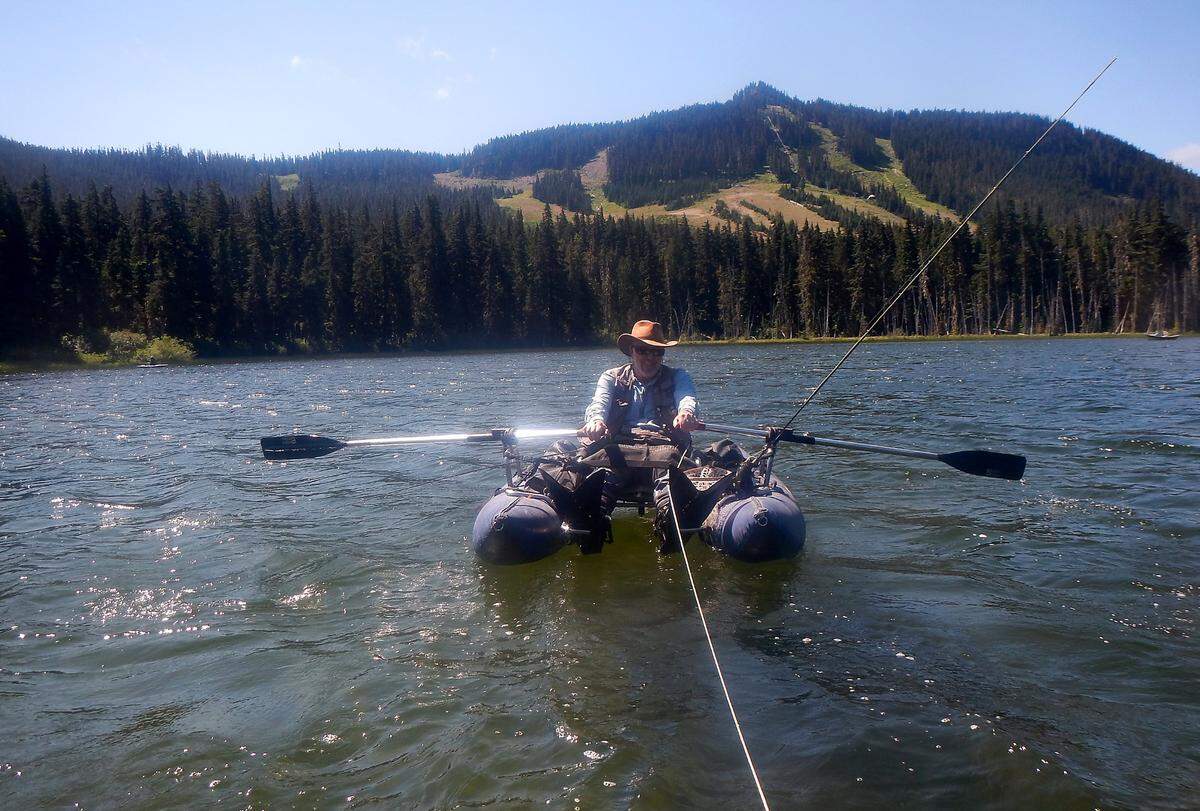
Brook trout stocked into mountain lakes provide fishing opportunity in remote areas of western states. Self-sustaining populations exist where they successfully spawn in inlet streams and along shoreline areas of groundwater upwelling.
After getting blown around for two hours, I parked my boat at the launch, found an opening along the shoreline and managed to fool a second brookie. Similar to the first fish, it displayed characteristic worm-like markings or vermiculations on its back and dorsal fin.
Light spots on a dark background identified it as a char, genus Salvelinus. In contrast, rainbow trout and Pacific salmon have dark spots on a light background.
With access to many eastern Washington waterways restricted or closed due to extreme fire danger, a leisurely drive to a high Cascade Mountain lake is a good option for local anglers.
Nearby Dog Lake is larger (60 acres) and allows two pole with motorized craft. A total of 3,000 catchable-sized rainbow trout stocked in mid-June supplement a self-sustaining brook trout population. Only one fish over 14 inches is allowed in its five-trout limit.
The more adventuresome angler might consider backpacking or taking a day hike to other Cascade Mountain lakes.
The Mountaineer’s guide, “100 Hikes in Washington’s South Cascades and Olympics,” covers the area from Mount Adams to Chinook Pass.
Stocking and species information for high mountain lakes can be found on the WDFW website. Before you go, check to determine if a National Forest Recreation pass, State of Washington Discover pass or WDFW access permit is required.
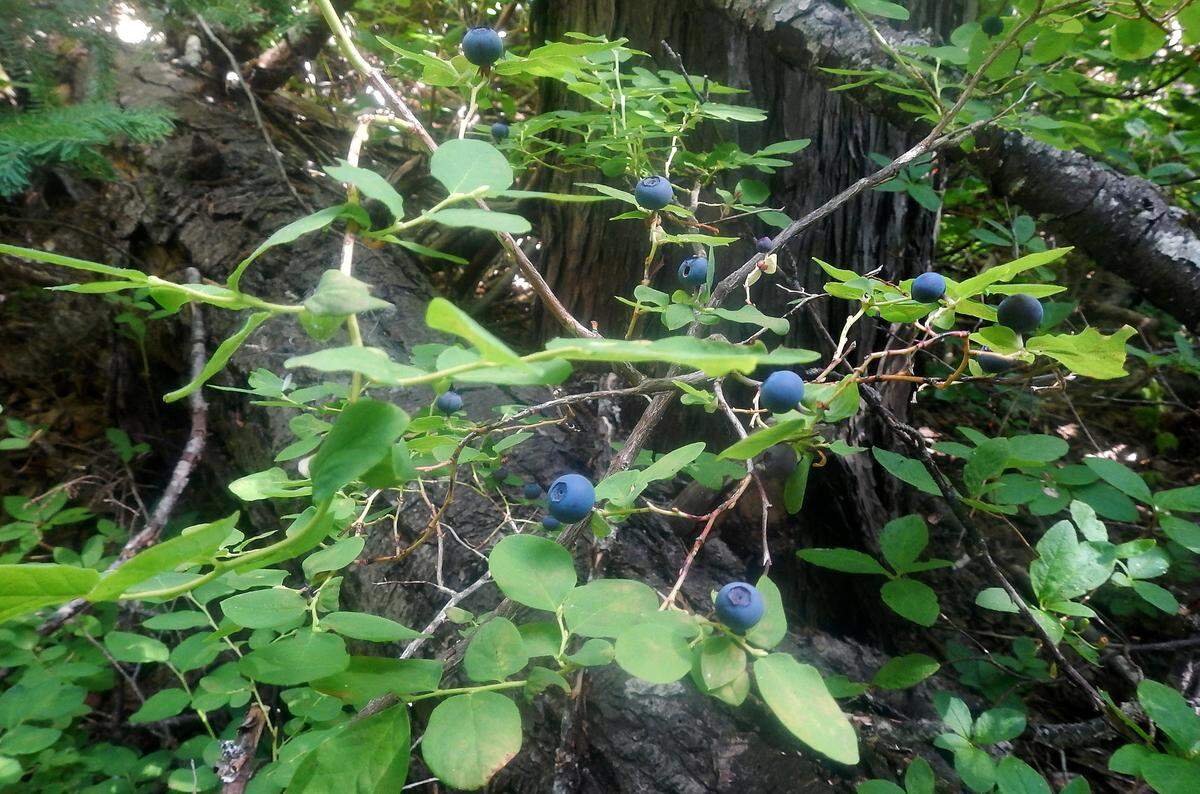
Half a dozen colorful brookies landed between us three flycasters. A pint of early ripe huckleberries gathered from a primitive footpath that bordered the campground.
Burgers, fries and a cold beer at the Bail Breaker Brewpub in Moxie on the way home.
That, my friends, characterized a good day of fishing. With or without a pair of oars and an anchor.