
Outdoors | Wild trout and spring mushrooms. Blue Mountain favorites are calling
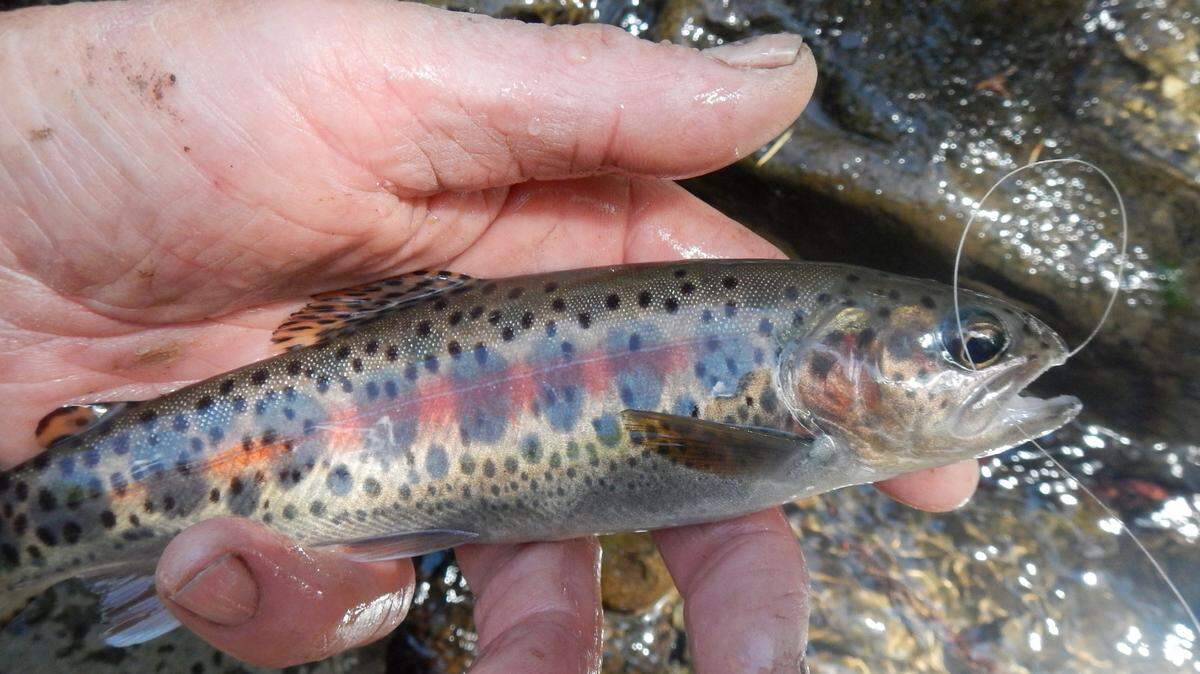
Phone calls from angling friends who drag Wooly Buggers behind float tubes for stocker trout in seep lakes are ignored.
Smallmouth bass and walleye gear are set aside.
I scrutinize weather forecasts and make plans to head to the western flanks of the Blue Mountains where wild trout and spring mushrooms call my name.
Combining favorite outdoor activities to increase the odds of enjoyment is not like playing both ends against the middle.
More often than not, I pick a time and location to multitask. If one activity doesn’t work out to my benefit, another will!
Eastside trout streams opened for fishing on May 22.
Flows charged with spring snowmelt have recently dropped to allow for safe wading. Warm afternoons will lead to flying bugs that entice trout to look up.
These conditions provide opportunity for good catches of wild trout in the Tucannon and Touchet Rivers. The South Fork of the Walla Walla River is favorite choice of many local anglers with a non-resident Oregon license and stream trout on their mind.
Family fishing weekend for Washington state is June 12-13. Angling is open to all ages, with no license required. There is no better time to try your luck for free.
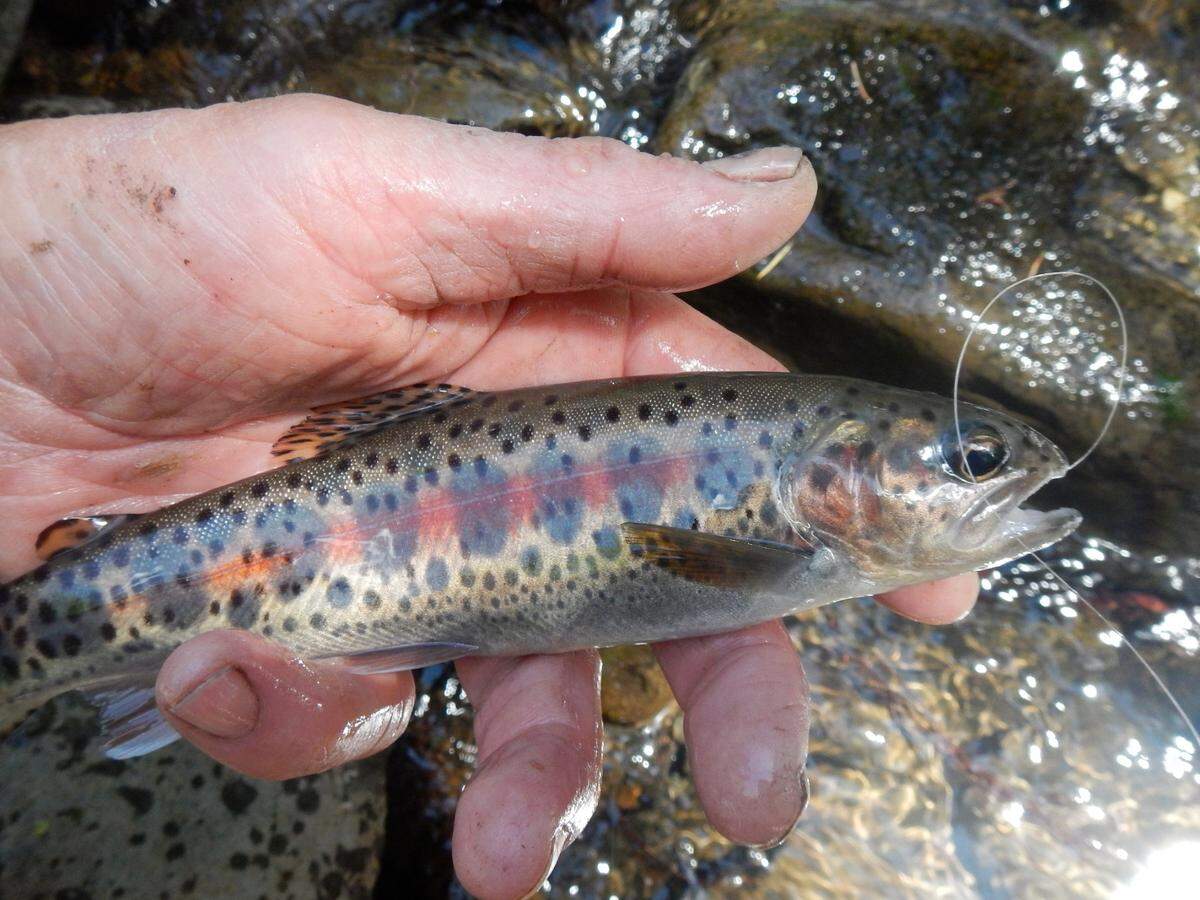
I tested my skill on the Umatilla River near our family cabin on opening day of trout season.
Like many Blue Mountain streams, last year’s flood left a path of devastation: uprooted trees; wide, shallow stretches of bare cobble; new flow paths carved in overflow channels.
The river shows signs of recovery, however, and enough trout survived the flood event to support modest expectations.
Floodwaters were not kind to a favorite mushroom — the elusive morel — that often emerges on warm spring days in cottonwood bottomland.
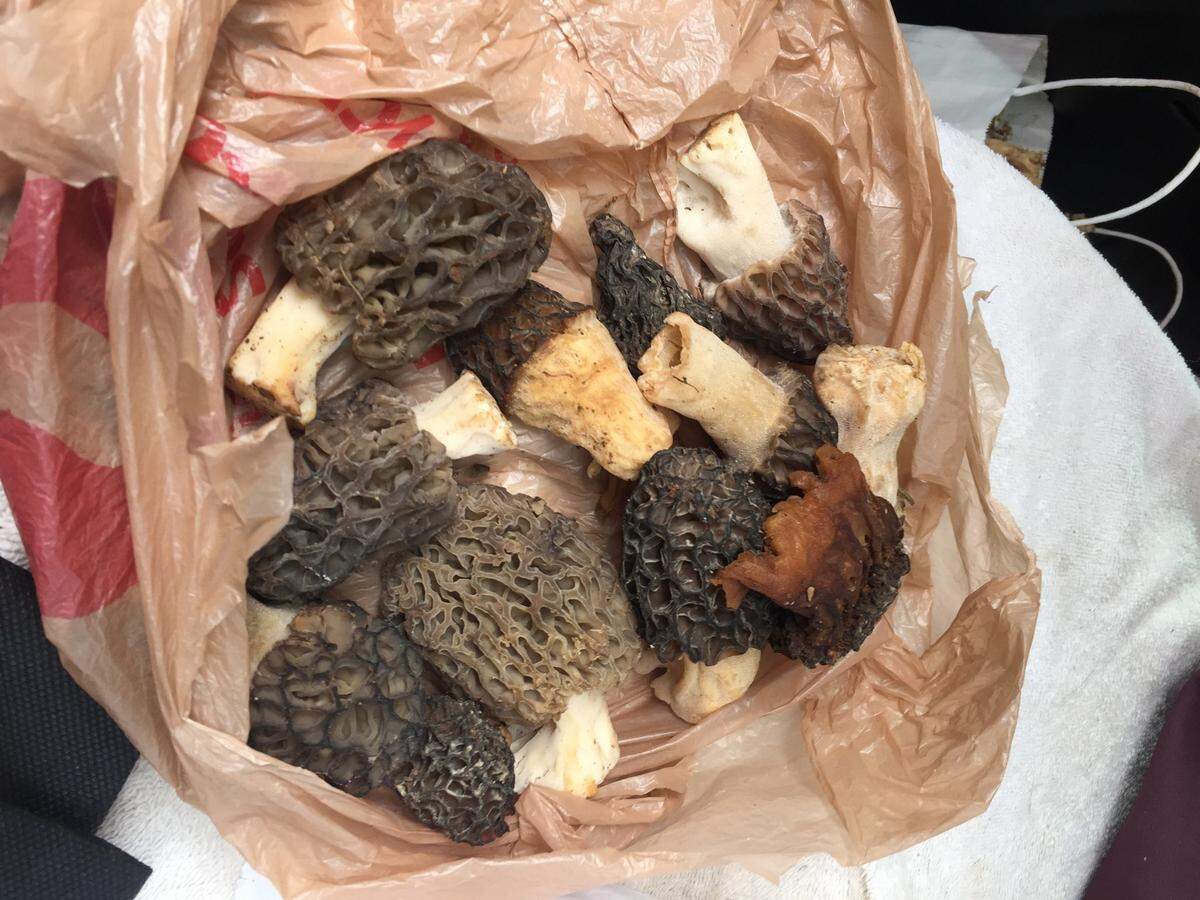
Reports of “shroomers” scoring a bagful of mushrooms off Skyline Road above Dayton have populated Facebook pages over the past few weeks, suggesting searches should focus at higher elevation.
Because many morels resemble a small Douglas fir cone, it takes a trained eye to find them on the forest floor mosaic.
A dark brown pointed cap that has deep pits and ridges attached along the length of a hollow stem makes them easy to identify though.
Stands of old-growth fir with huckleberry, native orchid, and wild strawberry undergrowth are preferred habitat for morels, along with downed trees and rotten logs. Recent burns areas can also be productive.
Coral mushrooms are found in similar vegetation and soil type as morels. Corals appear as a creamy-colored head of cauliflower when they emerge from loose forest duff.
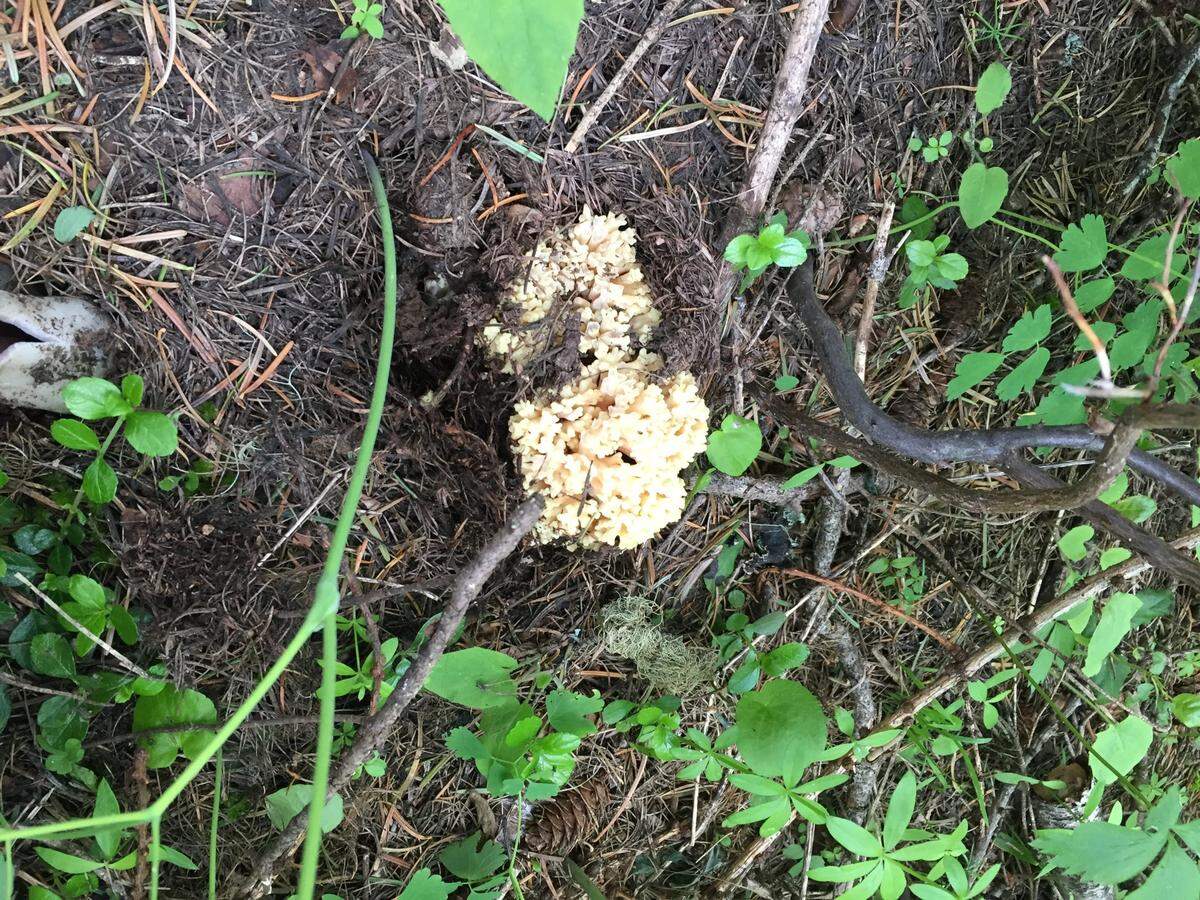
Their large size (some weigh a pound or more) — and the fact that they often occur in small groups — can lead to filling a canvas mushroom bag. I don’t find corals so much as they find me. Or maybe the forest gnome points them out to make me feel better about only finding a few morels.
The fun begins with preparation of harvest for the table.
Split morels in half length-wise with a sharp knife and lightly brush them clean. They can be eaten fresh (fried in butter is best) or dried for storage (a pint glass jar of dried mushroom “bits” is kept by our stove to sprinkle on omelets).
Preparing coral mushrooms is more work because forest debris usually accompanies their capture.
Float corals in a basin of cold water to loosen surface dirt and fir needles, pull individual strands apart to further clean, then place on a cloth towel to air dry.
Any wormy tissue should be trimmed. Both species can be packed in a Ziplock bag and frozen up to six months with little loss of flavor.
Be sure of identification and try a small amount to test your resistance. Some mushrooms produce irritable bowel or laxative effects if eaten uncooked or in excess.
Hallucinogenic varieties, also known as magic mushrooms, are not present in the Blues.
My next search for edible forest fungi will be at 5,000-foot elevation in the Tollgate region of northeast Oregon.
Mushrooms show there when soil moisture and temperature coincide in a way I may never understand.
My daughter plans to join me as payback for her leading me to a chanterelle patch near Hood Canal last October. Afterwards we’ll follow the breaks of the Umatilla River down to our cabin and cast flies for wild rainbow trout.