
With Hanford Reach at risk again, is national park status the answer? | Editorial
AI-generated summary reviewed by our newsroom.
- Hanford Reach faces new threats despite 25 years of national monument status.
- Advocates urge elevation of Hanford Reach to national park for lasting protection.
- Local leaders, tribes and public urged to initiate national park designation talks.
The Hanford Reach became a national monument a quarter-century ago. That designation along with citizen-led, multigenerational stewardship has protected one of Washington’s most precious natural spaces.
That protection, once thought permanent, might not be enough for the next 25 years. Local residents, political leaders, Tribal nations and other stakeholders should engage in a serious conversation about the possibility of making the Hanford Reach not just a national monument but a national park.
Ironically, the Hanford Reach exists in an unspoiled state thanks to the Hanford Nuclear Reservation.
There, the federal government refined nuclear fuel, including the plutonium used in the atomic bomb dropped on the Japanese city of Nagasaki at the end of World War II. The Reach was part of a buffer zone that helped keep that work secret.
In 2000, President Bill Clinton declared the Hanford Reach National Monument under the 1906 Antiquities Act. The proclamation noted the “unique and biologically diverse landscape, encompassing an array of scientific and historic objects.”
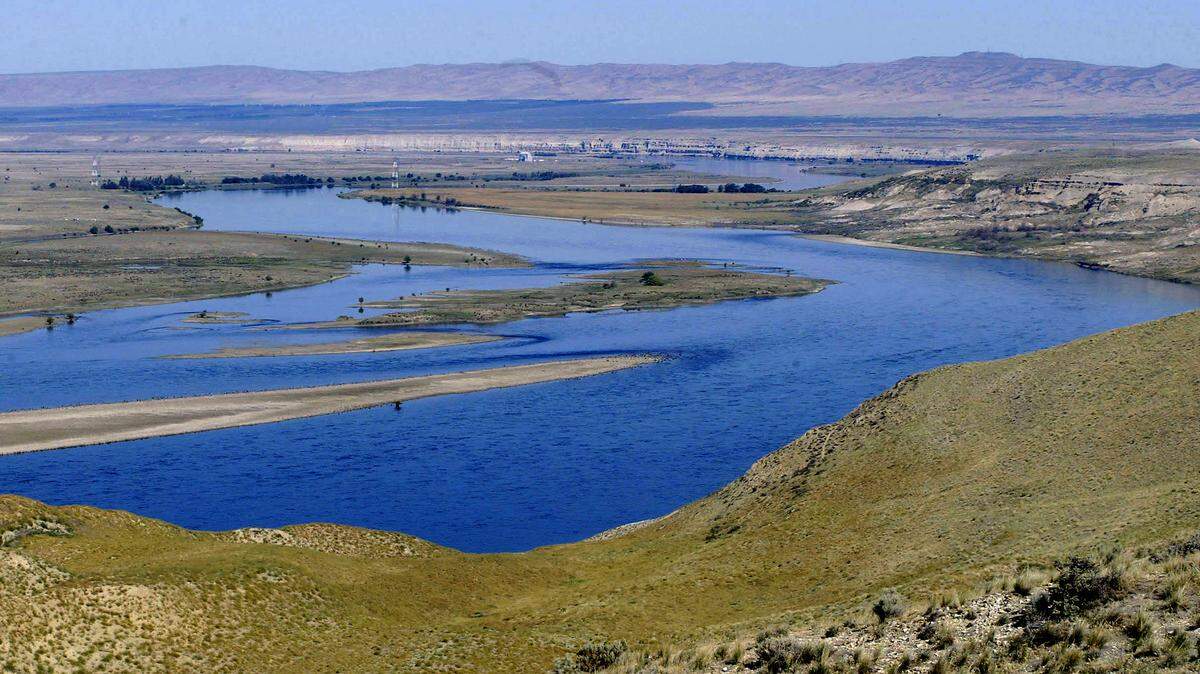
The monument’s 196,000 acres hold 51 miles of the Columbia River – its last free-flowing, nontidal stretch. Riparian and upland shrub steppe habitats are home to native flora and fauna, as well as stopover points for migrating animals.
Towering bluffs and open spaces create dramatic landscapes. The ground preserves fossil remains from prehistoric eras and archaeological deposits from 10,000 years of human activity.
For decades, “Riverkeeper” Rich Steele fought to protect the Hanford Reach. In more recent years, his son Todd Steele has taken on that burden. They and other local residents worked tirelessly to save the river and its surrounding lands.
Sen. Patty Murray championed the Hanford Reach in Washington, D.C. She was instrumental in persuading Clinton to issue his proclamation, and she remains a vital ally to this day. Last week, Murray and Todd Steele toured the river by boat to mark the 25th anniversary of the monument.
Historically, national monument status would be enough to protect the Reach for future generations. Presidents respected their predecessors’ monument declarations, and the legal consensus was that the Antiquities Act did not allow for revocation anyway.
President Donald Trump’s lawyers have reversed that long-standing position. In June, the Justice Department issued a legal opinion that concluded that presidents may cancel monument designations if a president believes the protections aren’t warranted.
That untested legal theory would have to stand up to judicial review, but relying on the courts creates dangerous uncertainty for the Hanford Reach. Trump has hardly been shy about pushing legal boundaries.
He also has demonstrated a willingness to prioritize energy development and resource extraction on public lands. If a national monument could be used for energy production, mined for mineral resources or otherwise exploited, Trump appears willing.
Rather than hope that the Hanford Reach will evade Trump’s gaze, advocates should consider national park status.
If they conclude that is the right path, Congress would need to approve it. But that is what protects a national park from the capricious whims of the White House. Only Congress can undo it.
If Congress were to make the Hanford Reach the nation’s 64th national park, there would be new challenges. Not least, parks exist not just for preservation but also for recreation.
Drawing more people to the area could harm the natural resources the designation is meant to protect. Delicate discussions would also have to take place with local tribes that hold parts of the Reach sacred.
Murray has rightly said that creating a park would require a “broad local consensus” of tribes, community leaders, businesses and conservationists.
That consensus – or a consensus to leave things alone – can only emerge after vetting the idea. In these precarious times for the nation’s public spaces, a Hanford Reach National Park deserves consideration.