
Think you’re safe from climate impacts? Think again, WA homeowners
AI-generated summary reviewed by our newsroom.
- Insurance risks rise in Tri-Cities as climate change increases local disasters.
- Property values fall when insurance becomes unaffordable or unavailable.
- Carbon pricing policies could shift climate burden to fossil fuel producers.
When natural disasters strike others, it’s normal to feel thankful it didn’t happen to ourselves. Our homes weren’t destroyed by wildfire, wind or flood. We didn’t lose our lives or our livelihoods. Emotionally healthy individuals will also feel empathy for those who are suffering or gone.
But we’re not as safe as we might assume.
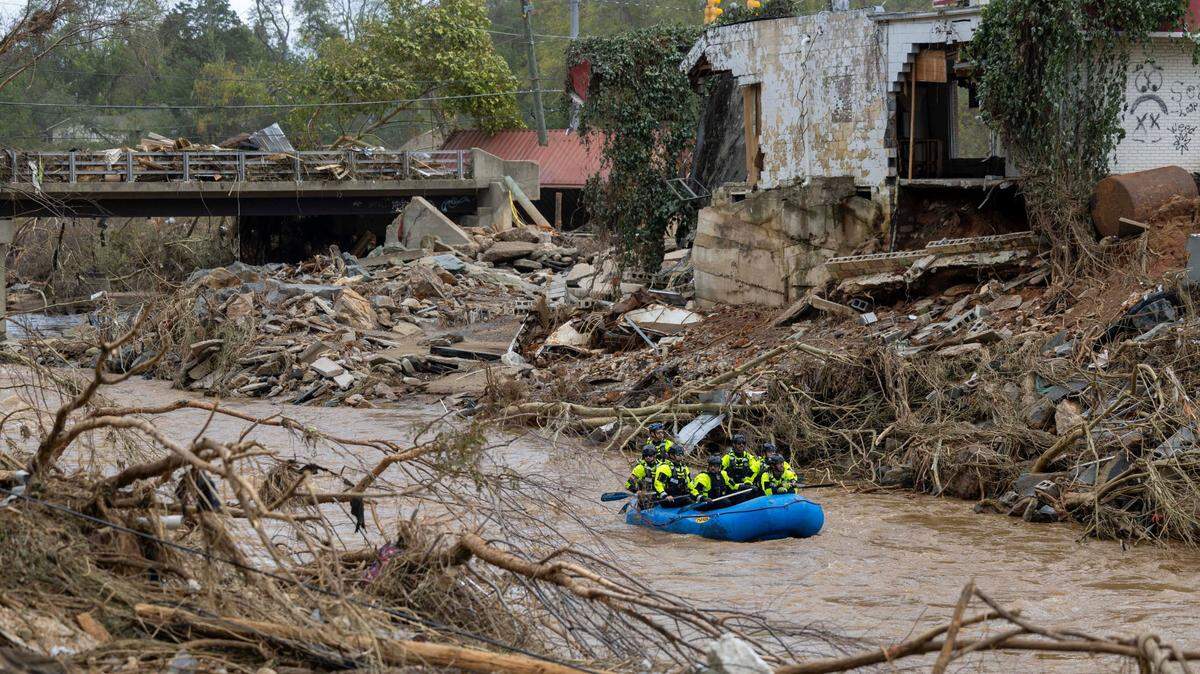
First, places that might appear to be safe from disaster are not. Ashville, N.C., was considered safe from high water, until it wasn’t. Climate migrants moved there to escape the threat of flooding. Hurricane Helene destroyed that myth last September.
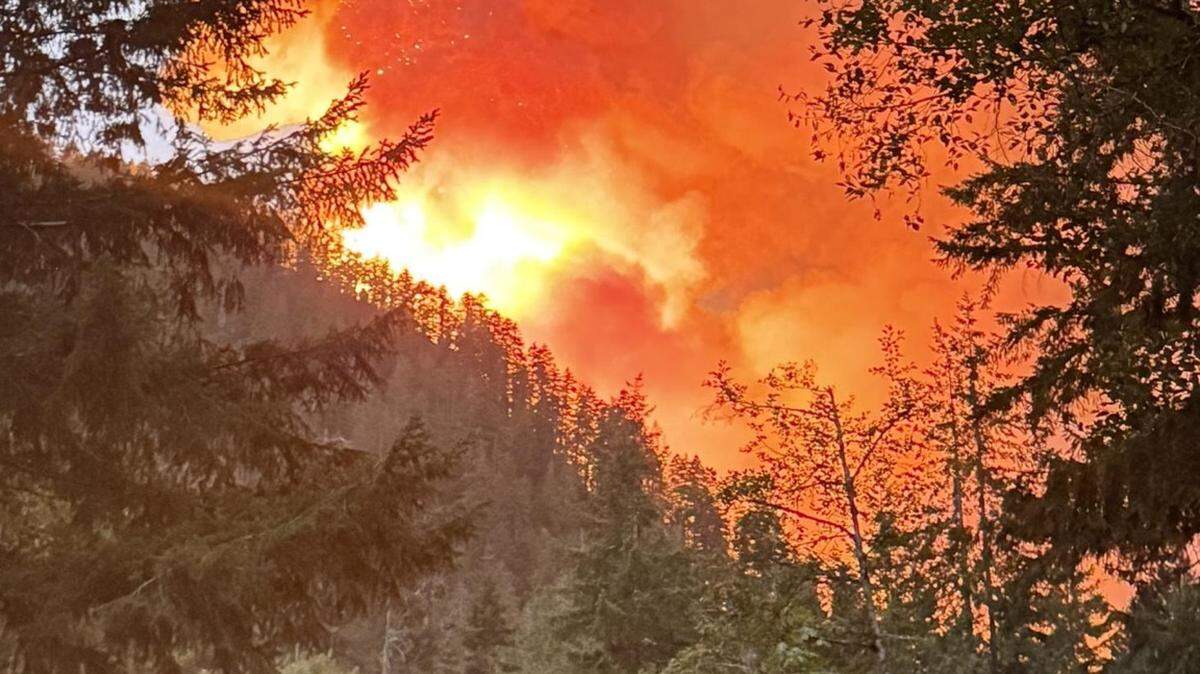
Not every home burns in a wildfire, and not every home is flooded in a storm. But even if a home is spared, nearby homeowners will still face far higher insurance premiums as climate change drives greater and more frequent disasters. In some areas, insurance is no longer available because risk has become so high.
If a home can’t be insured, it can only be sold to people with cash, because mortgage companies require insurance. Its value plummets. And this happens to every home in the community. Property tax revenue decreases, depleting the public resources of the community.
Insurance premiums depend on the local history of damage. We here in the Tri-Cities don’t have a history of extensive damage from natural disasters. So, are we safe?
Maybe not. As the Earth warms, the history can change.
More of the winter precipitation falls as rain rather than snow, so winter floods are more extreme and the summer supply of irrigation water is depleted. Dams and reservoirs provide some flood control and summer irrigation, but they were designed for a climate that was cooler than what we’re getting now.
Moreover, the health of the whole insurance industry is at risk. In 2023, the home insurance market lost money in 18 states. That was before Hurricane Helene and the LA fires.
Yes, there is a reinsurance industry that provides insurance for the insurance industry. It is well aware of the increasing risks. Thomas Blunck of Munich RE says, “One record-breaking high after another – the consequences are devastating. The destructive forces of climate change are becoming increasingly evident, as backed up by science. Societies need to prepare for more severe weather catastrophes.”
The problem is particularly acute in California, where wildfires have destroyed entire communities such as Paradise and Pacific Palisades. Insurance companies there have pulled out or increased premiums eight-fold, making construction of new homes and selling of existing homes difficult if not impossible. That drives down property values, which decreases property tax, which starves cities of the revenue needed to build resilience.
In response, California introduced its Fair Access to Insurance Requirements (FAIR) program, which insures homes that are otherwise uninsurable at affordable rates.
However, the LA fires have completely overwhelmed the resources of the FAIR program. It was forced to raise premiums.
The next backstop is the National Flood Insurance Program, which is funded by U.S. taxpayers. Yes, you’re paying for climate disasters.
But that program doesn’t cover damage from wildfires. A national disaster reinsurance program has been proposed, but Congress is not in the mood to fund it.
Averting an insurance crisis
So, what can be done to avert the home insurance crisis?
Homeowners can build resilience to wildfires and reduce their insurance premiums by reducing brush and trees around their homes and by replacing flammable siding and roofing with metal or ceramic tile. Prescribed burns or grazing by goats on the outskirts of town can reduce the fuel load there.
Some land just isn’t suitable for homes, such as fire-prone forests or flood plains. The Federal Emergency Management Agency should complete its Future of Flood Risk initiative, and real estate agencies and banks should be required to report flood and fire risk for property for sale. Zillow is already doing this. Owners of homes destroyed in high-risk areas should be encouraged to rebuild elsewhere.
Reservoirs should be added or expanded for more reliable irrigation water supply and for more resilient flood control. Flash flood alarm systems must be paid for, installed and maintained. And the National Weather Service should be funded and staffed to meet the needs of the American public.
Since insurance premiums and taxes are ultimately paying for the impacts of climate disasters, that burden should be shifted to those responsible for the drivers of climate change, primarily carbon dioxide from burning fossil fuels (coal, oil, gas).
This shift of responsibility can be accomplished with a rising price on the carbon content of fossil fuel, paid by fossil fuel companies when they extract it. They will of course pass that cost on to their customers (you), which will drive the shift away from fossil fuels and reduce carbon emissions.
Since everyone is paying for climate impacts through higher taxes and insurance premiums, everyone should get an equal share of the revenue from the carbon fees. Most people, particularly the poor, would get more in their carbon cashback than they’d be paying on carbon fees.
Putting a price on carbon in way that spreads the price around the world will drive down global carbon emissions, reigning in climate change, and make us truly safe again.
Climate scientist Steve Ghan leads the Tri-Cities chapter of Citizens Climate Lobby.