Is our WA cherry crop toast? Farmers are scrambling after weather double whammy
Late in the season, a little rain is all it takes to spell disaster for Washington’s lucrative cherry crops.
After a very rough growing season and with harvesting in sight, that’s exactly what tree fruit growers in the Tri-Cities region are contending with this week.
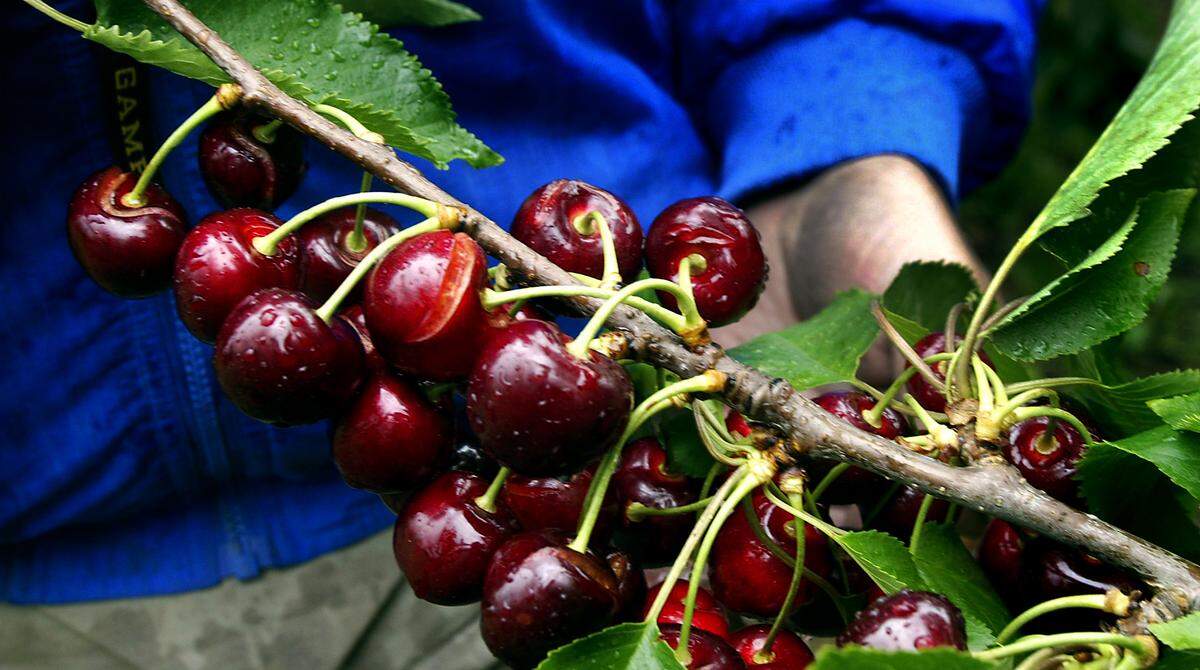
Tree expert Matthew Whiting told the Tri-City Herald that when cherries are in the ripening stage, rain can be disastrous, because the longer water sits on the fruit, the greater the chances for micro-cracks to form, leading splitting.
And once a cherry splits, it’s no longer suitable for harvesting because consumers won’t buy them. Whiting said the cherries will be more expensive, but sweeter and higher quality.
Whiting is a whole tree physiologist and horticulture professor based out of Washington State University’s Irrigated Agriculture Research and Extension Center in Prosser.
But there’s a bit of good news amid the grim forecast.
This year’s freak chilly weather earlier this spring might have saved a large portion of the area’s cherry crop.
“The good news is it’s a little bit early, so only the early ripening cherries were lost,” he said. “The cool spring that we had has delayed maturity.”
“If you told me we were going to get that much rain on the 12th of June in normal years, it could have been a lot worse,” he said.
At a recent meeting in Richland, cherry growers discussed the year’s crop outlook and one of the traditionally earlier growers from Mattawa noted that they typically would see this year’s harvest in full swing around June 12, according to Good Fruit Grower.
Instead the growers said the earliest estimates for starting harvest this year will be pushed back.
Smaller crop
And the overall adjusted harvest is expected to less than half of 2021’s production of an estimated 234,000 tons of cherries from Washington. As the nation’s largest producer of cherries, it’s a half billion dollar industry for Washington growers in a good year.
Of the five states at the May meeting — Washington, Oregon, Utah, Idaho and Montana — Washington growers predicted they would produce 104,500 tons of the region’s 136,800 tons.
California’s expected yield is about 53,000 tons.
That’s down significantly from the USDA’s original forecast for Washington, which estimated production would reach 185,000 tons.
Battling rain
That’s why it was so important for growers in the region to act quickly when heavy rain came through on Sunday and overnight into Monday morning.
“It’s not unusual following rain for cherry growers to retain services of helicopter operators to remove water from the fruit,” Whiting said. “They use the powerful down-wash force from the helicopter to remove the water from the fruit.”
While it’s not unusual, it is a sign of how urgent the situation in.
The BC Cherry Association, in the Okanogan Valley of Canada just north of Eastern Washington, says helicopter drying can be the difference between saving and losing a year’s worth of production.
It’s also expensive. The association estimates the cost of hiring helicopters to be more than $1,000 per hour.
With significantly smaller than anticipated production, a string of bad weather incidents, and increases in ancillary costs such as shipping, consumers can expect cherries to be more expensive this year.
Whiting said the strong winds on Monday certainly didn’t help growers trying to salvage their crops.
“What a challenging year it’s been so far for cherry farmers,” Whiting said. “It’s really been a difficult year with the issues with frost, and pollination that tends to lead to a slightly smaller crop and less fruit per tree, but the fruit does tend to be larger and sweeter.”
Whiting said growing cherries is a process that takes more than a year, with early buds for the 2023 production season already forming.
For many growers, the recent rain was a last-minute challenge as they neared the finish line.
Now they can only hope the weather stabilizes in order to begin harvesting the already late crop.
“I’ve always said growing cherries is one of the most challenging endeavors in farming,” he said. “It’s a short window of opportunity and they’re very susceptible to environmental phenomenon.”
Whiting said that cherries are likely to be more expensive this year, but the fruit that makes it to market will be high quality.
He hopes shoppers can see past the price tag and support the growers who have worked extra hard this year to bring the fruit to bear.
This story was originally published June 15, 2022 at 5:00 AM.