April’s cold snap put a chill on Tri-Cities vineyards. What it means for wine makers
Growing grapes for making wine at home can be surprisingly easy, but it can take a few seasons to get to know the intricacies of growing.
Luckily the Tri-Cities has no shortage of wine experts to help answer questions.
After an uncharacteristically late season cold snap, it’s a good idea to check your backyard vineyard for damage in order to plan out your growing season.
Marcus Keller, a Washington State University professor of viticulture, told the Herald that some varieties of grapes are more likely be have been impacted by April’s chilly temperatures.
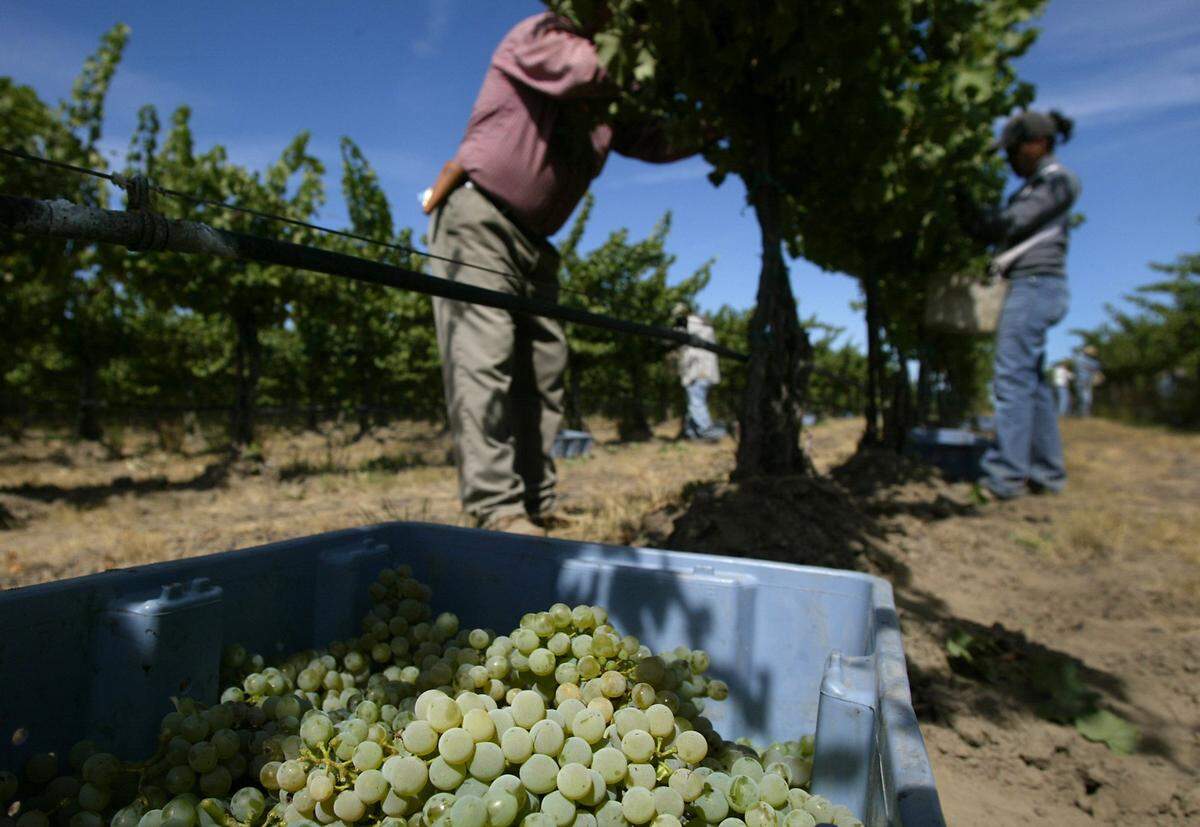
“It depends on where you are talking about, and it also depends on the variety,” Keller said. “We have some varieties like concord grapes that were already breaking bud. Depending on the grower you talk to, you have zero to 90% damage. The (vines) that were lagging a little behind escaped it completely.”
Keller said that it’s easy to tell if your vines were damaged by the frost, and that it also might not be as bad as imagined.
“Once that shoot turns brown that means it’s been damaged, it’s dead. After that, the vines actually have (secondary) clusters that will grow out, but they’re generally less fruitful,” Keller said.
“Very soon they will be able to see leafs coming out and small flower clusters being born, and they can tell from that very quickly if there was frost damage,” he said.
On average it only takes about 10 clusters to make a bottle of wine. In a good year, four or five vines can produce enough grapes for an entire case.
According to decanter.com, a variety of factors impact yield including soil, location and variety.
Keller said Chardonnay grapes are the most likely wine variety to have been harmed in the Tri-Cities area, but the most popular variety buds later.
“There are some low lying areas with varieties like Chardonnay that were starting to come out. So those will have some damage, we just don’t know how much yet,” he said. “Then we have our bigger varieties, in Washington it’s Cabernet Sauvignon, that’s mostly still dormant, so they would have escaped it completely.”
Keller said that impact from the freeze won’t be seen by consumers any time soon. He said it’s likely to be a year or more before a reduced Chardonnay production would be noticed.
It is juice companies that will see the most immediate impact from weather damage.
Anticipating weather
Keller said that a late cold snap is not that unusual for the region, and that it’s possible the area could see more nights cold enough to damage buds.
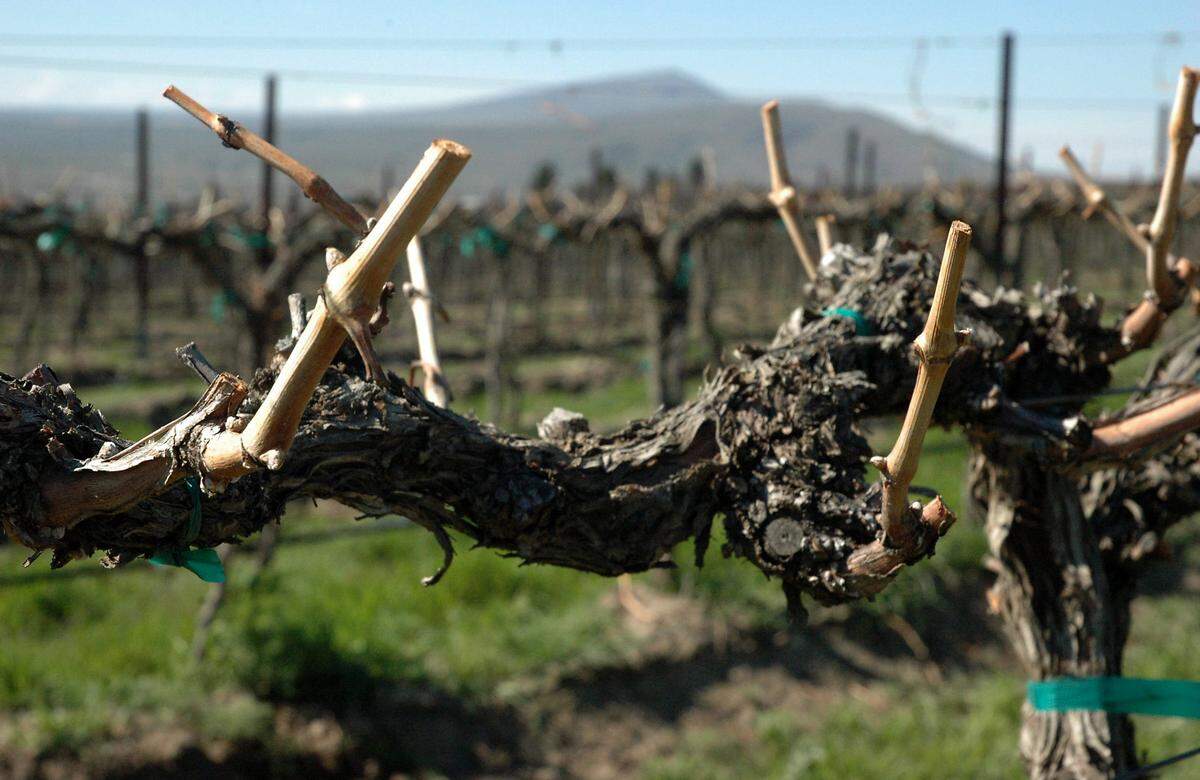
Operating vineyards in Washington takes a lot of planning for contingencies. For many vineyards that means having wind machines ready.
“If you drive up through the Yakima Valley you’ll see all these white towers, and near Red Mountain toward the freeway,” Keller said. “Those are wind machines, and what they do is generate air movement.”
The wind machines look a lot like smaller versions of energy turbines. They’re designed to circulate air in vineyards, pulling the cold air off of the ground and away from vines, while pushing warm air down.
Once the weather is reliably warmer, then growers will have to prepare for the summer heat.
Keller said many crops may have been damaged by a heat wave last summer.
While it’s still too early to predict how this growing season will pan out, Keller is optimistic it’s going to be another great year for Tri-City area vineyards.
This story was originally published May 9, 2022 at 5:00 AM.