
Record gas prices are hurting already struggling WA farmers. How bad is it?
The war in Iran has hurt consumers across the United States, driving up the price of crude oil and other goods.
In Washington state, the average cost of a gallon of regular gasoline has gone up $1.60 since February — reaching $5.74 a gallon by Friday, May 8.
High fuel costs don’t just affect consumers.
Producers in the state are also hurting. The agricultural sector is in a particularly rough spot, with high energy prices coming on the heels of other costly increases in recent years.
Here’s what we know.
How much do rising energy costs impact WA farmers?
The record gas prices Washingtonians are experiencing at the pump hit the agricultural sector hard.
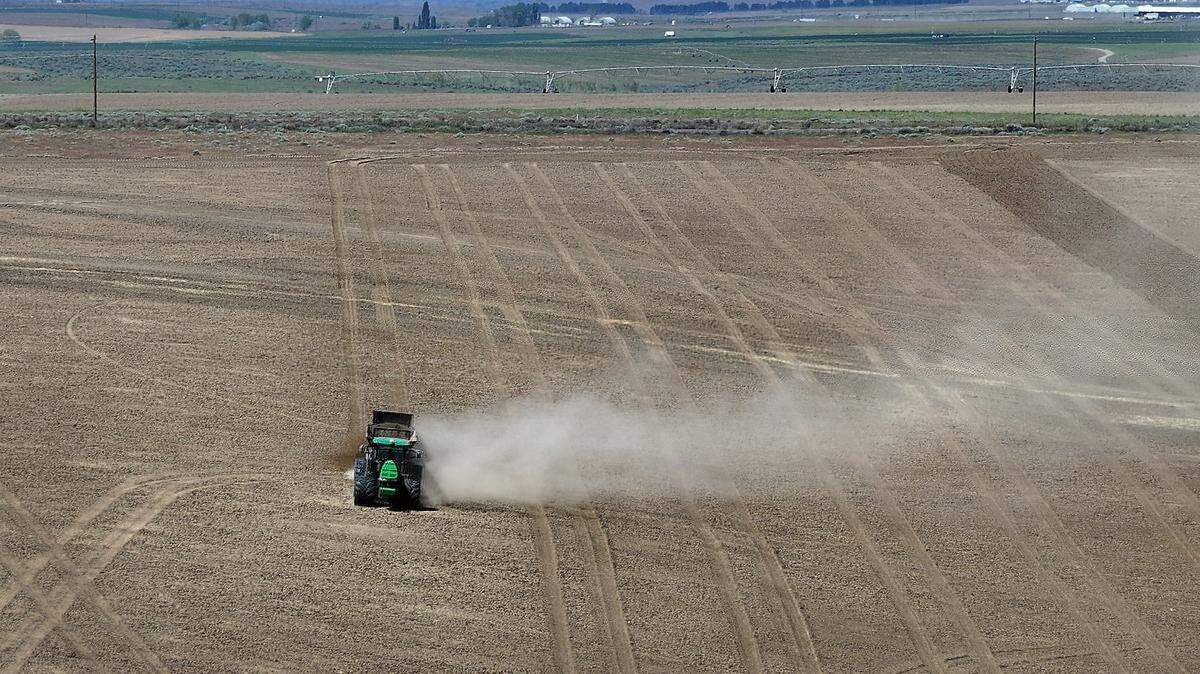
It takes a lot of energy, particularly fuel, to operate any farm.
Fuel is used when planting and maintaining crops, as well as during harvest, to transport both crops and workers, and to protect crops throughout the season.
The higher gas prices get, the larger impact this has on operations in the state, according to a representative for the Washington State Tree Fruit Association, a voluntary nonprofit organization representing tree fruit growers in the state.
However, farmers’ costs at the pump aren’t the same as those affecting ordinary drivers. Certain fuels, including diesel, are discounted for agriculture production, and growers will receive tax exemptions for fuel used for crop production and off-road farm work.
Depending on the operation, there are still additional energy needs that can quickly become costly.
For example, tree fruit growers regularly use wind blowers, especially in early spring when it gets cold overnight. Wind blowers keep the air circulating, so blooming trees don’t get damaged by the low temperatures, according to association president Jon DeVaney.
“It takes energy to run those,” DeVaney told McClatchy Media in a video call. “So every time the weather gets cold, you have to burn fuel to run those wind machines.”
Tractors must make numerous trips through orchards to apply fertilizer or provide other crop protection. Each trip burns fuel, and that hurts some operations pretty significantly, DeVaney said.
“For example, organic producers are using softer chemistries in pesticides,” DeVaney said. “They use organic versions that are usually less effective, and less potent and permanent, which means they might have to apply product four times as often as a conventional producer.”
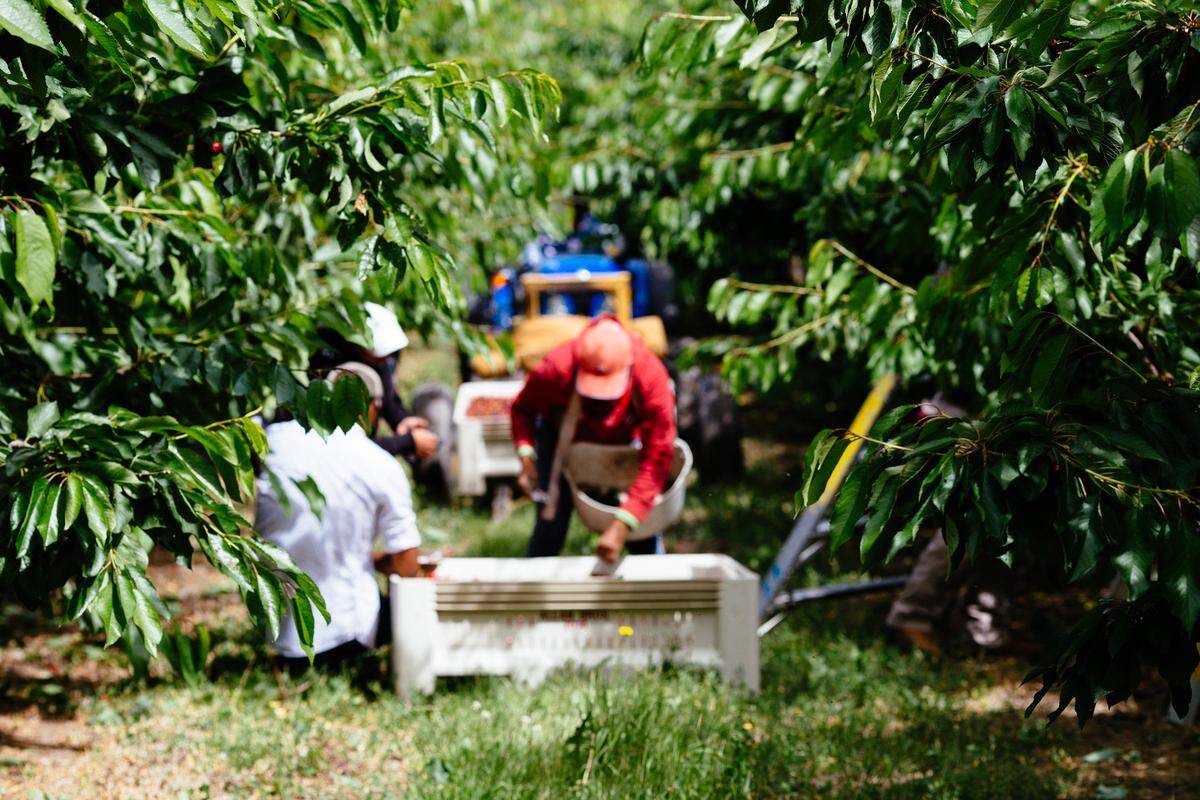
Rising fuel costs can disproportionately impact more rural farms, since delivery costs and labor travel will increase more the farther from town their operations are.
From the first machine deliveries to shipping packed products to retailers, every step of the food production process consumes energy.
“Everything that goes into delivering supplies has an energy component to it, and your labor getting to work has an energy component,” DeVaney said.
Every spike in fuel costs is “just another painful cost increase on top of an already money-losing current agriculture market,” DeVaney said. “So that is challenging for producers.”
What is the current market for Washington state farmers?
It’s already a tough time to be farming in Washington state.
For the past several years, the agricultural sector here has seen rapid cost inflation, lower returns from retailers and policy changes with indirect impacts on producers. It’s been hit after hit, especially on smaller growers.
“When you see multiple years of losses, and then you see indications of ongoing inflationary pressures and new price spikes in critical inputs like fuel, it’s not encouraging growers to try to hang on,” DeVaney said.
DeVaney says this can have a disproportionate impact on smaller farms, as there’s increasing pressure to consolidate operations.
Additionally, Washington state has high regulatory costs for agriculture.
Producers in the state are held to very high labor and environmental standards, and it’s their responsibility to bear the costs.
DeVaney says growers are willing to meet these standards, but since they aren’t compensated for it, consumers should reward these efforts by buying their products.
The Northwest Horticultural Council recently found that the cost of labor for Washington state farmers takes up to 108% of gross returns.
All these factors make it difficult for Washington growers to thrive, despite contributing 10% to 13% of the state’s gross domestic product.
“Compared to other states in the nation, Washington’s agricultural producers have experienced the lowest profit margins and endured the highest production cost increases over the past decade,” according to a February study from the Washington State Department of Agriculture.
According to data from the U.S. Department of Agriculture’s Economic Research Service, agricultural operators in Washington state had a cumulative take-home pay around $300 million in the red in 2024, the most recent year data was available. This makes Washington the state with the lowest return to operators.
Why aren’t higher grocery store prices helping WA farmers?
Despite higher prices for produce at most grocery stores, farmers in Washington state aren’t seeing better profits in sales to retailers.
Farmers sell their produce to retailers at an agreed-upon price, and then the retailers determine the cost for customers. Whether the retailer makes a profit of 5% or 50%, the farmer still earns what was agreed on.
Retailers are also facing rising costs, so they’re looking to grow their own profits by increasing the cost of produce for consumers, but paying farmers less.
The price you pay at the grocery store doesn’t actually reflect the amount farmers make.
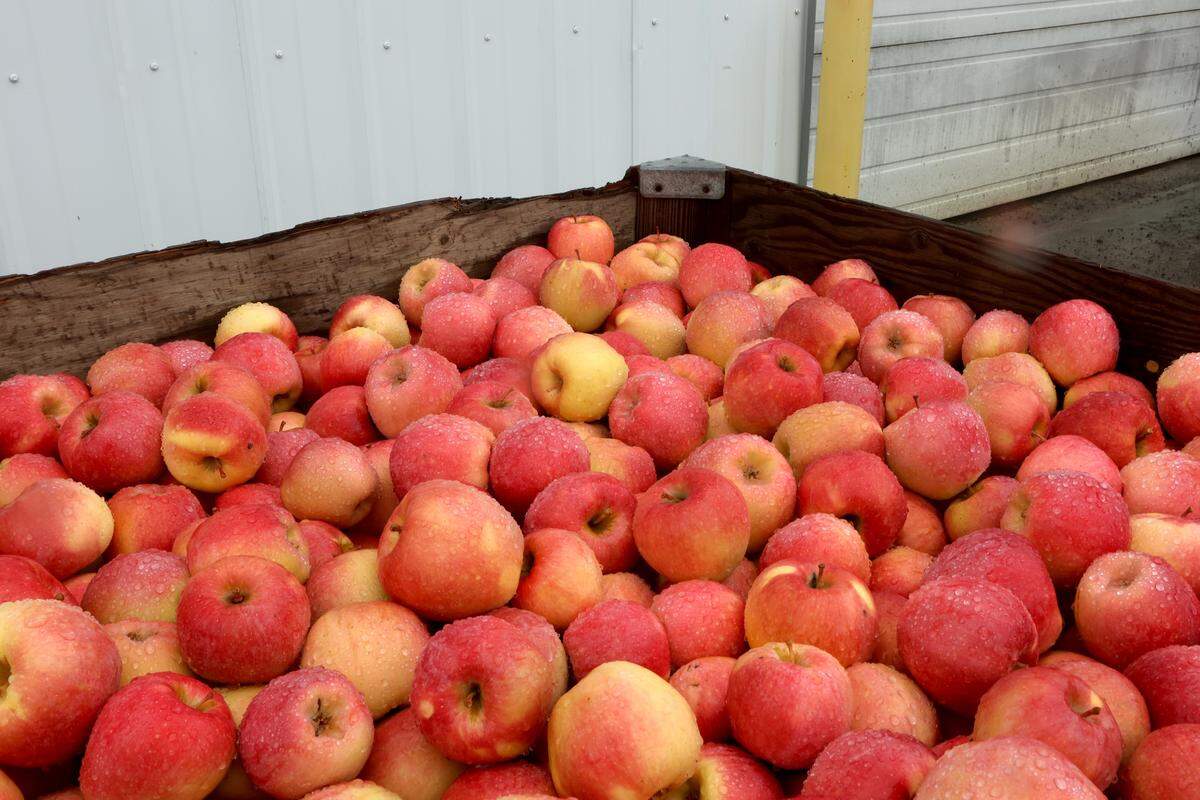
“It has been frustrating to our growers that over the past couple of years, they’ve seen retail prices rising, while the wholesale prices that the grower receives have actually been going down for apples,” DeVaney said. “Those two prices are moving in opposite directions.”
Could Washington state lose farms over high fuel prices?
Since 2002, Washington state has lost 10% of its farms, according to an April news release from the Washington State Tree Fruit Association. On top of that, other farms are downsizing their operations.
DeVaney said state and federal data is often a couple years behind, so it doesn’t yet reflect some of the difficulties local growers have experienced.
Removing acreage isn’t a decision farmers make lightly, DeVaney told McClatchy Media.
On average, it costs around $700,000 per acre to plant a new orchard. Downsizing or closing farms doesn’t come with financial gains, and often results in millions of dollars in losses.
Especially with more permanent crops such tree fruit, growers expect to see some good years and some bad years over the production cycle.
“You put trees in thinking they’ll be there for 20 years or more, so you don’t count on it always being a profitable year, though that’d be lovely,” DeVaney said. “But growers start to have doubts when they see multiple large losses in succession, and they have to consider whether they’re able to continue to move forward, or whether they have to consider removing acreage from production.”
Increased pressure to consolidate operations and operate on low margins tends to punish smaller producers. During worse years, that trend accelerates.
“Some of the minority and beginning farmers are the most vulnerable to these kinds of pressures, and they don’t have equity to draw on, so they may be forced out of the business first,” DeVaney said.
What could help Washington farmers through high costs, low sales?
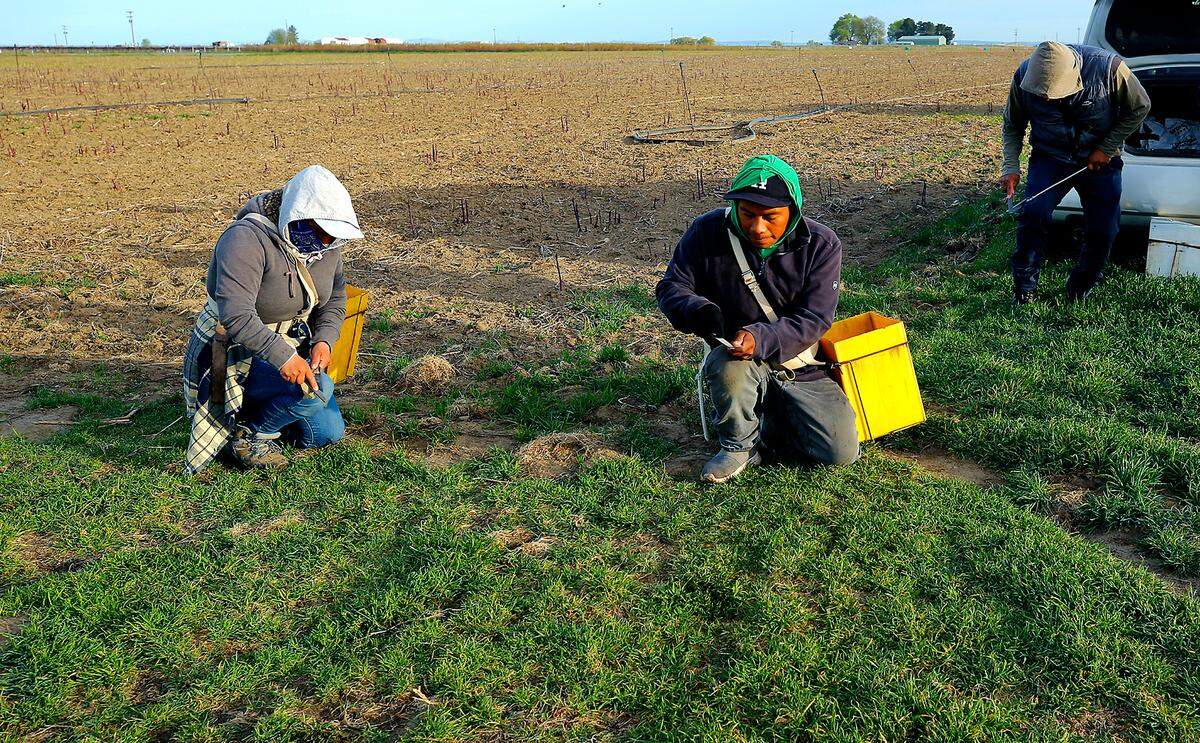
There are three avenues of alleviation for growers during these difficult times: policy, consumer support and efficiency.
Many farmers are looking into more fuel-efficient equipment and considering switching to electric vehicles and tools, according to DeVaney. While there are still several challenges in that area, the focus is on reducing overall fuel consumption by upgrading equipment in logical ways.
The Washington State Tree Fruit Association is dedicated to working with policymakers to ensure they understand the indirect impacts growers face from legislation and regulatory standards.
DeVaney explained that legislators often don’t intend to harm smaller agricultural operations through policy changes, and generally presume agriculture will always find a way to make things work.
Communication with policymakers becomes paramount in finding solutions that work for all.
“I think the news that producers across the agricultural sector are experiencing challenging times has gotten through to a lot of elected officials now, so we’re starting to see efforts around ‘What can we do to help agriculture?’ ” DeVaney said. “That’s a change from some years past.”
The chair of the state House Agriculture and Natural Resources Committee — Rep. Kristine Reeves, D-Federal Way — introduced a large bill in January to address a long list of regulatory changes that would help state agriculture.
“The idea of a coordinated effort to help agriculture deal with regulatory costs and improve the operating environment was novel, and it was really appreciated,” DeVaney said.
The bill was heard at the end of the current legislative session, and was being worked on in order to be ready for a more detailed discussion in next year’s session.
Lastly, farmers encourage consumers to always prioritize products from Washington state.
While financial pressures might make cheaper produce more enticing, it’s important to remember Washington state’s high standards, DeVaney said.
Shoppers can also ask retailers questions about produce prices, DeVaney said.
If you notice an increase in costs for Washington-grown produce, ask how much of that increase goes back to suppliers, and if those suppliers are being supported enough to keep those products available.