Are initiatives on WA ballots worth it? Here’s how much cash they brought to Tri-Cities
READ MORE
Tri-Cities 2024 General Election Coverage
Ballots are out now for the 2024 Presidential Election on Nov. 5. Check out our coverage on all the races impacting the Tri-Cities.
Expand All
Two controversial Washington state initiatives have returned more than $150 million to the Tri-Cities this budget cycle for energy research and to help children.
As political pressure ramps up to convince voters whether Washington’s capital gains tax and Climate Commitment Act are worth keeping, the numbers show the Tri-Cities has been one of the areas that’s seen the most benefit from those funds.
While both funds are controversial, only the Climate Commitment Act’s impact on gas prices hits Tri-Cities wallets.
Nearly half of all the money contributed to the capital gains tax pool — $536 million of $1.2 billion — has come from the state’s top 10 ultra-wealthy taxpayers each year.
State data shows just 38 households in Benton and Franklin counties have had to pay the capital gains tax.
In turn, the taxes created an estimated 340 jobs in the area.
While the Climate Commitment Act isn’t a tax, it’s hitting Washingtonians in the wallet because oil producers are passing costs along at the gas pump.
Washington voters will decide on Initiative 2109 and Initiative 2117 in the Nov. 5 general election.
Initiative 2109 on capital gains
The funds from the capital gains tax support child care and education, while the Climate Commitment Act money supports transit for youth in the Tri-Cities as well as clean energy research projects.
For the 2023-25 budget, the capital gains tax is providing about $11 million directly to the Tri-Cities area for child care between new child care and pre-kindergarten expenditures, as well as grants to help centers pay employees competitive wages.
The tax is 7% and only applies to gains above $262,000 on sales of stocks, bonds and business interests. It does not include gains made on real estate.
Across Benton and Franklin counties it’s helped keep child care centers running and created room for 675 affordable child care spots.
That money — nearly $400 million for the biennium — helped fill in a gap in funding that was described as a “child care cliff” due to the loss of federal pandemic related money.
Experts say helping reduce the costs of child care is critical at a time when it’s costing many families as much as it does to send a kid to college, at an average of about $11,000 per year in the Tri-Cities area.
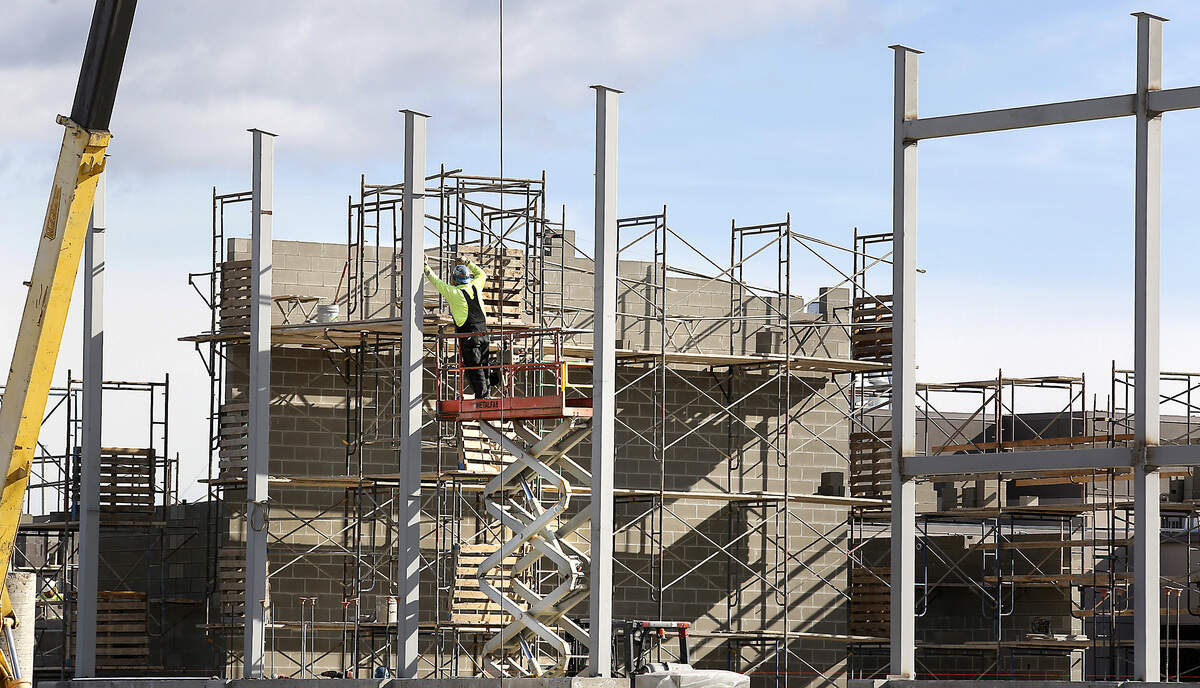
Another $500 million went to school construction projects, with $86 million of that returned to the Tri-Cities alone.
The Tri-Cities had the third and fifth largest allotments for projects on the school construction list, providing $35 million for Tri-Tech Skills Center renovation and $51 million for Pasco’s new high school.
Spokane and Yakima counties received a total of about $19 million each, largely in just early child care funds.
Only Pierce County and King County received more than the Tri-Cities, according to an analysis by the Washington State Budget and Policy Center.
Initiative 2117 on Climate Commitment Act
The Climate Commitment Act has sent at least $35 million dollars to the Tri-Cities, in addition to tens of millions more that could impact the area’s energy research and agriculture industry.
Money from the CCA comes from the state requiring polluters to purchase carbon allowances from the Department of Ecology equal to their carbon emissions.
It’s enabled Ben Franklin Transit to make bus rides for youths completely free. The transit agency is bringing in more than $5 million annually from CCA funds.
It’s also sent $25 million to Energy Northwest to continue its new nuclear development efforts.
The CCA is paying for cutting-edge clean energy research across the state and agricultural support, but much of that is centered on the Tri-Cities and the Mid-Columbia.
One prominent example is a nearly $1 million per year lease for the Institute for Northwest Energy Futures at WSU Tri-Cities in Richland, plus millions more in funding for the project itself. The state says that without these funds, WSU would need to come up with more than $800,000 per year for that lease.
Another $30 million has been allocated for farmers to help recoup fuel costs which were impacted by producers raising costs on fuels that were supposed to be exempt.
It’s also helping farmers reduce food waste by encouraging partnerships with food banks.
Other research and projects funded by the CCA in the Tri-Cities area include:
- $7.5 million for PNNL Regional Energy Analytics Capability
- $2.75 million for Connell Community Green Ammonia project
- $5 million for Pasco Water Reuse Facility project
- $7.7 million for NW Energy Futures
- $3 million for HAPO Center
- $527,000 for Columbia Basin College CBPS Utility Meters
- $435,000 for air quality monitoring stations in the Finley area
- $5 million for Island View to Vista Field Trail System
- $1 million for Aaron Drive and Highway 240 improvements
- About $500,000 across the Tri-Cities for various electric vehicle charging stations
- $10 million for design and construction of a dairy digester to produce renewable energy and compost from manure sources, post-consumer food and compostable wastes
- $3 million to reduce greenhouse gas emissions associated with manure-handling systems at dairy and livestock farms
- More than $100 million in funding for restoration and protection of salmon habitats, including fish passage barrier removal
A variety of these clean energy projects that aren’t fully funded would immediately lose money, according to the Washington Office of Financial Management.
About 675,000 Washington households were also eligible for a $200 rebate on their electric bill.
Who’s paying for it?
The capital gains tax brought in about $1.2 billion this biennium.
The state says 26 people in Benton County and 12 in Franklin County paid into that pool.
The vast majority of the funding comes from the Puget Sound. It’s overwhelmingly paid for by the ultra-wealthy in the Seattle area, with about 2,200 of the estimated 3,900 payers from just King County.
One-third of the money, $142 million, was from just the top 10 payments this year, and half, $394 million, was from the top 10 the previous year.
The Climate Commitment Act brought in a total of $2.1 billion.
But the act, which resulted in an estimated 50 cents per gallon increase in the cost of gas, has been hard to stomach for many. The funding wasn’t supposed to impact gas prices in this way, the state’s largest polluters were supposed to pay for it.
Polluters have just passed the cost on to taxpayers at the pump though, beginning even before they had to start paying in, according to a Seattle Times analysis.
The law lacked enforcement mechanisms to prevent gas companies from passing the price on to consumers and farmers.
Tri-Cities lawmaker April Connors, a Republican representative in the 8th Legislative District, put forth a bill to have some of that money reallocated to the price of car tabs, but it was rejected.
The state later offered the electric bill rebate as a way to help offset the impact on Washington residents.
This story was originally published October 14, 2024 at 5:00 AM.