$314M for 3rd Richland high school & more? Why school officials say the bond is critical
READ MORE
Tri-Cities 2024 General Election Coverage
Ballots are out now for the 2024 Presidential Election on Nov. 5. Check out our coverage on all the races impacting the Tri-Cities.
Expand All
Richland School District voters will decide Nov. 5 whether to approve funding to build the district’s first comprehensive high school in 50 years.
The $314 million bond measure is the largest capital project proposal in the school district’s history, but it also includes plans to make several other improvements to current facilities and replace some of the district’s most decrepit buildings.
Richland High School and Hanford High School are overcrowded by a combined 900 students. It also would be the first high school built in West Richland.
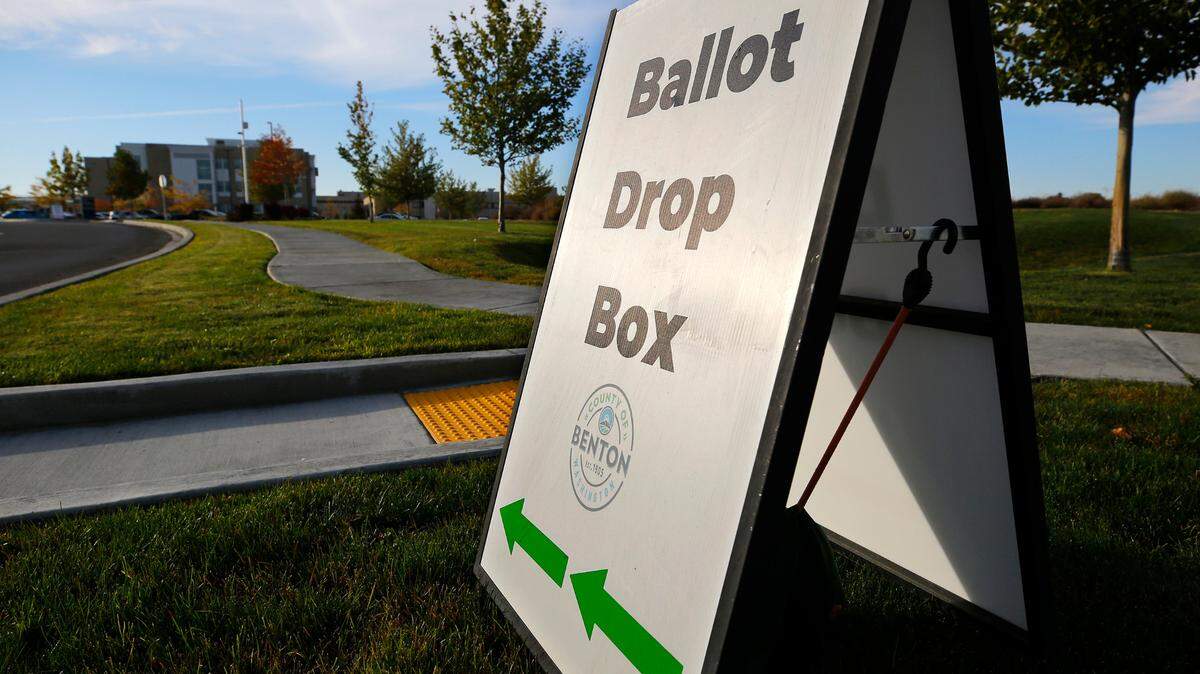
Benton County Auditor Brenda Chilton says 54,000 voters in the district received ballots with the measure. General election ballots must be returned by 8 p.m. Tuesday, Nov. 5.
Richland School District needs at least a 60% super majority from voters to sell bonds to pay for the projects. It also needs at least 40% turnout from the last general election to validate the vote.
In Washington state, bonds are for building schools and facilities, while levies pay for learning and education programs. Investors in the bonds are repaid with interest from property taxes.
What will it fund?
Most prominent among the projects is the district’s plan to build a third high school in West Richland for $234 million.
It would be on 70 acres near the intersection of Belmont Boulevard and Keene Road, near the district’s administrative building.
The new 260,000-square-foot building would house 1,600 students. Its plans include space for athletic programs — most notably, a 2,000-seat stadium with artificial turf — a 800-seat auditorium, and Career and Technical Education classes and programs.
The bond also would pay for:
- A 40,000-square-foot building for River’s Edge High School and Pacific Crest Online Academy at $39 million. The new “innovative secondary school” would be on the current River’s Edge campus, at 975 Gillespie Street, for 300 students. It would replace a collection of aging modular buildings installed in 2001.
- Upgrades and additions to Richland and Hanford high schools at $20 million. Hanford would see improvements to the stadium and drama departments, including new grandstands, locker rooms and a scene shop. Richland would get a new multi-purpose practice room for its wresting, cheer and dance programs.
- A new West Richland transportation hub to share with Kiona-Benton City School District at $16 million, after outgrowing the current building at Lee Boulevard and Thayer Drive. It includes a new bus parking lot, mechanic bays and shop, and dispatch center in West Richland.
- Land acquisitions costing $20 million for future district construction and growth over the next 50 years.
- Various projects costing $10 million, including new high school tennis courts, running track replacements at middle schools and various renovations at Chief Joseph Middle School.
The total for all projects comes to more than $357 million. If the school district passes the $314 million bond, the state plans to contribute roughly $43 million in matching money through the Washington School Construction Assistance Program (SCAP).
Projects would be built over the next three to four years.
Who chose the projects?
“This list of projects was based on what people told us,” said Board President Rick Jansons. “The board didn’t sit in a room and come up with projects. We did a lot — more effort than ever in the past — to go out and ask what the constituents thought.”
That included holding several public meetings with stakeholders and hosting surveys last spring to gauge how the district should approach a list of priority capital projects it wants to tackle over the next two decades.
Jansons says they would need to reshuffle other long-range capital projects if this bond fails and go back to voters on what they want to support.
Jansons and the committee supporting the bond, Richland Citizens for Good Schools, called the third high school a “top priority” for the participating families and says a new River’s Edge was the “highest need” for students.
Does Richland need a 3rd high school?
Richland School District administrators and the school board argue the district is in serious need of a third high school to serve one of the fastest-growing communities in Washington state.
The school district has had its eye on building another high school for at least a decade. Kennewick School District opened the doors to its third high school in 1997, and Pasco third high school is currently under construction and set to open next year.
But decisions to move forward in Richland were complicated by the COVID pandemic and new demographic data that showed Richland’s enrollment was not growing as fast as it was before the pandemic.
A 2020 enrollment forecast showed the number of high schoolers in Richland was supposed to hit 5,500 by 2035 — an increase of about 700 more than are currently enrolled today. New projections showed they might see 250 fewer students than they thought.
The district considered moving forward with a number of alternative projects to ease overcrowding at Richland High and Hanford High, but decided on the bond measure after parents and community members made it abundantly clear several months ago that they would support a bond for a new high school.
Jansons told the Herald that waiting until 2035 to build the West Richland high school would increase the likelihood they would need to add portables classrooms almost immediately to the new school.
Richland is the smallest of the Tri-City “Big 3” districts, serving more than 14,000 students and employing nearly 1,900 teachers and staff.
The district expects building a new high school will lead to several benefits for students and staff, including less overcrowding at the two other high schools, decreased classroom noise and distractions, reducing discipline rates and more personalized instruction.
But opening a new high school will be a heavy fiscal lift for the district — costing it millions in new operations costs — especially at a time when it’s cutting classroom spending and leaving some positions vacant.
Are middle schools in worse shape?
District officials say they’ve fielded many questions about why the district isn’t planning to rebuild some of the district’s oldest schools, including Chief Joseph and Carmichael middle schools.
Documents show the school district plans to seek funding to replace the two aging schools sometime within the next 20 years. It plans to replace them with new 100,000-square-feet buildings that each serve 800 students.
But first, the schools’ current homes will need to age a bit longer and the district’s K-8 population must grow.
Once buildings turn 30, they’re eligible to receive state construction money.
Chief Joseph, built in 1951 and remodeled in 1994, will be age eligible in 2026 and Carmichael, built in 1949 and remodeled most recently in 1999, will be eligible in 2031.
New elementary schools and a rebuilt Leona Libby Middle School helped alleviate crowding in K-8 schools, so the district will also need to wait until those schools are overcapacity to receive state money for Chief Joseph and Carmichael.
What will it cost?
Richland’s bond measure would cost taxpayers 97 cents on every $1,000 of assessed property value over the next 20 years.
For a home valued at $450,000, that amounts to about $437 a year, or roughly $36 a month.
That’s in addition to other bonds, a tech levy and the operating levy previously passed by voters that are still being paid.
Those combine to a total Richland School District tax rate of $5 on every $1,000 of assessed value. For example, the owner of a $450,000 home would pay about $2,255 a year.
That’s about the rate that Richland district taxpayers were paying in 2020. Some low-income households and senior citizens may be eligible for tax relief or deferral.
If the bond passes, the district will cancel a safety and security levy that voters passed last year.
Why would Richland cancel the safety levy?
Voters approved the six-year, $23 million levy in 2023 to pay for safety and security projects. Property owners pay 31 cents on every $1,000 of assessed value.
Administrators say including those projects in November’s bond package will save taxpayers money and the projects could be completed faster.
The school district took out a $13 million loan to begin work on the projects, which include modernizing older schools with secure front entrances, installing security cameras and systems, training staff on best practices in threat assessment and crisis response, partnerships with security experts, and funding development and design for the new West Richland and River’s Edge high schools.
If the Nov. 5 bond passes, the district would cancel the next five years of collecting the safety levy. If the bond fails, collections will continue.
Why opponents object to the bond
Opponents argue district resources should be used toward academic improvements rather than large-scale projects that lack the enrollment to support them.
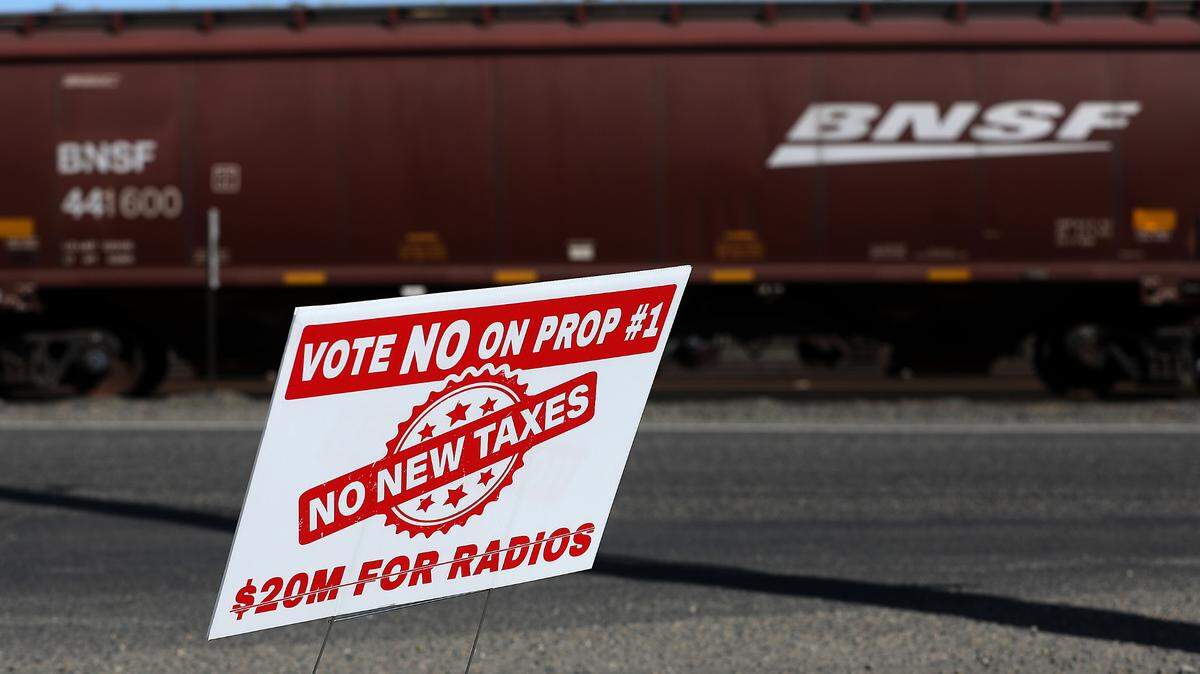
“Richland School District already has the highest taxes for the whole Tri-Cities. Pasco School District just built two new high schools for millions of dollars less than Richland School District is asking for,” wrote Dallas Burt and the committee against the bond measure.
Burt writes that the district has been “fiscally wasteful” with bond money in the past by not allocating money in the way they were initially promised to voters, alluding to the district’s $99 million bond package in 2017.
That package included plans to build the district’s 12th elementary school and was passed by voters. But the district couldn’t get state matching money to pay for it after its elementary enrollment growth fell short of projections, Jansons said.
Opponents also claim that the overcrowding can be mitigated with smaller projects instead of a full high school, and they believe there’s a lack of conceptual plans.
“When polling RSD secondary students, they had an overwhelming consensus that they did not want a new high school,” Burt wrote. “They take pride in our Falcon and Bomber heritage and don’t want to move to a new school culture.”
What advocates argue
“I still think we have the best schools in the state. I still think people move to Richland because of the schools, because of the reputation, because of the quality of students we put out,” Jansons said. “But it’s also true that, in my 23 years on the board, the demographics have completely changed.”
About 41% of Richland students are low-income, and nearly 7% are enrolled in English Language Learning programs, according to state data. Students need more support today, Jansons said.
River’s Edge, which provides high school-age students a smaller, more personalized learning environment, is “the place where we catch kids who might fall through the cracks,” Jansons said.
School Board Member Katrina Waters says River’s Edge staff helped one of her struggling children graduate high school.
“These kids are some of the most vulnerable at the secondary level in our district and they deserve to learn in an environment that doesn’t look like juvenile detention. The bond would provide a modern facility with expanded programs for kids in our district,” she wrote in a Facebook post.
This story was originally published October 23, 2024 at 5:00 AM.