
State found $3.2M to clean up WA’s largest tire pile. What happens next?
AI-generated summary reviewed by our newsroom.
- The Legislature allocated $3.2 million in 2026 to clean the state’s largest tire pile.
- Richland will manage the cleanup using a reimbursable grant from Ecology.
- City estimates the contractor-led cleanup could take about two years to complete.
The city of Richland reports it is nearing an agreement that will let it begin clearing a massive collection of discarded tires near the landfill at Horn Rapids.
Richland didn’t create the tire pile and it doesn’t own the property.
But it is shouldering responsibility to clean up the tires left by Northwest Recycling Services at 2990 Twin Bridges Road, off Highway 240 at the entrance to the city landfill.
It is Washington’s largest collection of discarded tires and prompted the 2026 Legislature to set aside $3.2 million to clean it up.
According to the city, the money is structured as a reimbursable grant.
The city expects to receive a grant agreement from the state Department of Ecology in coming weeks. The city will take the lead in managing the cleanup effort and is coordinating with the state agency on next steps.
Once the agreement is final, it will begin the process to advertise the job and hire a contractor to carry it out, Mike Rizzitiello, development services director, said in a statement to the Tri-City Herald.
Rizzitiello said preliminary estimates show it could take two years to complete the job.
It’s unclear what that clean up effort could involve and where the tires will end up.
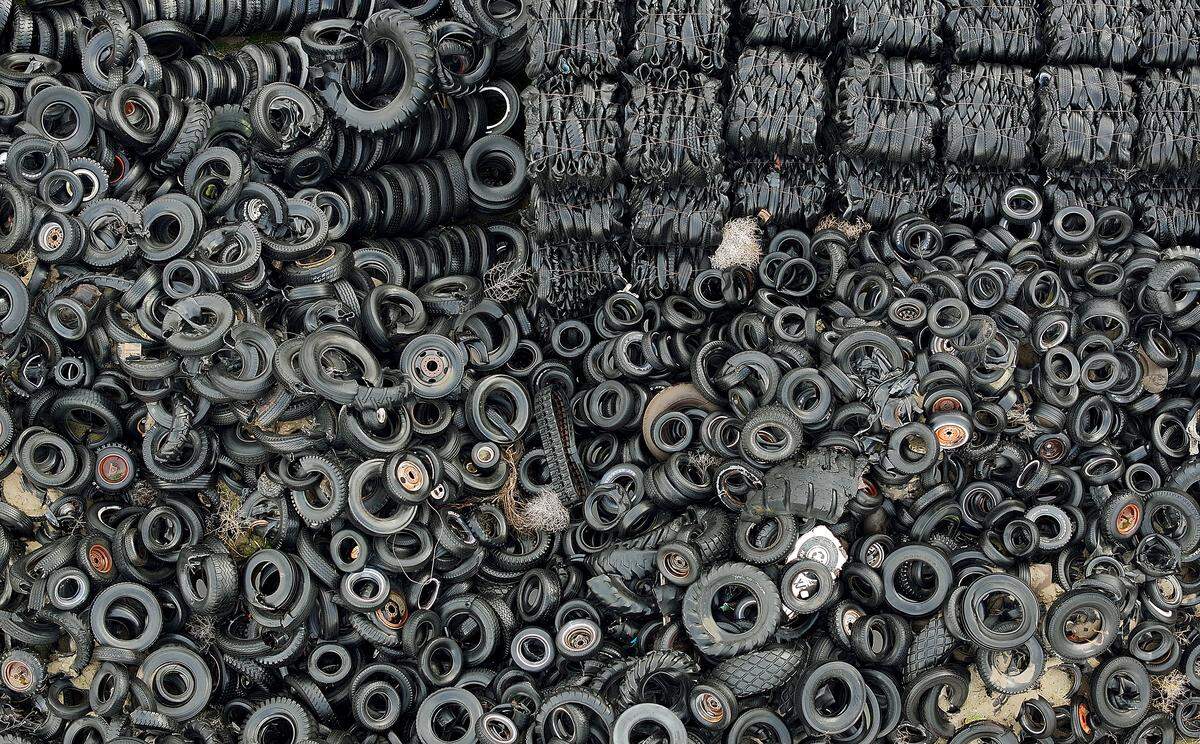
Northwest Tire Recycling Products started on Halloween Day, 2000, when Jim Penor, manager of the Richland landfill, his wife, Sherrey Hankins, and her sister, Shelley Hankins, agreed to lease three acres for their upstart tire recycling business from the Port of Benton.
The business began at Stevens Drive and later moved to a spot next to the landfill.
The business received a $1 fee for passenger tires and $5 for semi-truck tires. It baled tires into cubes it called EcoBlocks and aimed to sell them for use at shooting ranges, roadbeds, retaining walls and dairy drainage.
The blocks were stacked around the property, creating a tire fort with even more tires piled on the interior.
It was widely touted as a promising solution to the thorny challenge of dealing with old tires.
The business ended in 2007, leaving an estimated 7,100 tons of discarded tires behind.
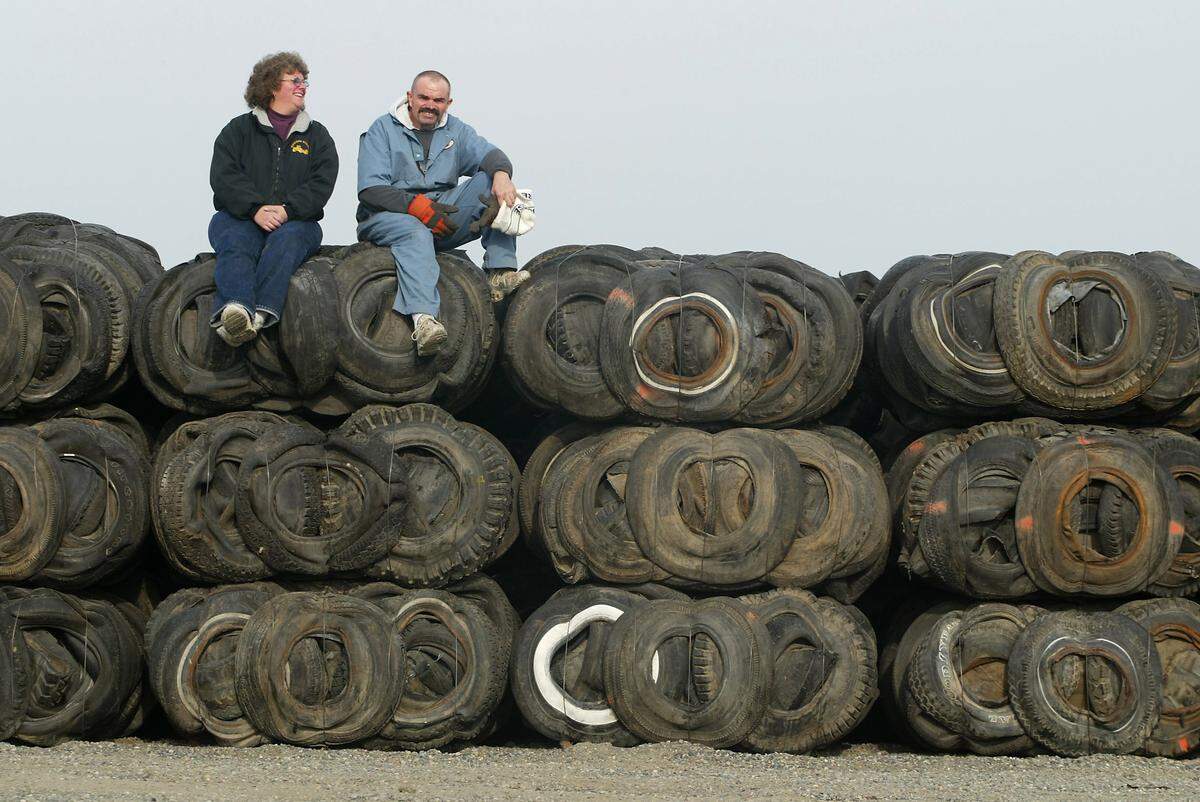
Along the way, it tarnished the legacy of the Hankins sisters’ mother, the late Rep. Shirley Hankins.
The lawmaker received a record fine from the Legislative Ethics Board for using her influence to promote the business. She disagreed with its findings but retired soon after.
The city of Richland brought attention to the eyesore and potential fire and health hazard when it asked a Benton County Superior Court judge to declare it a nuisance and issue an order allowing it to abate the situation.
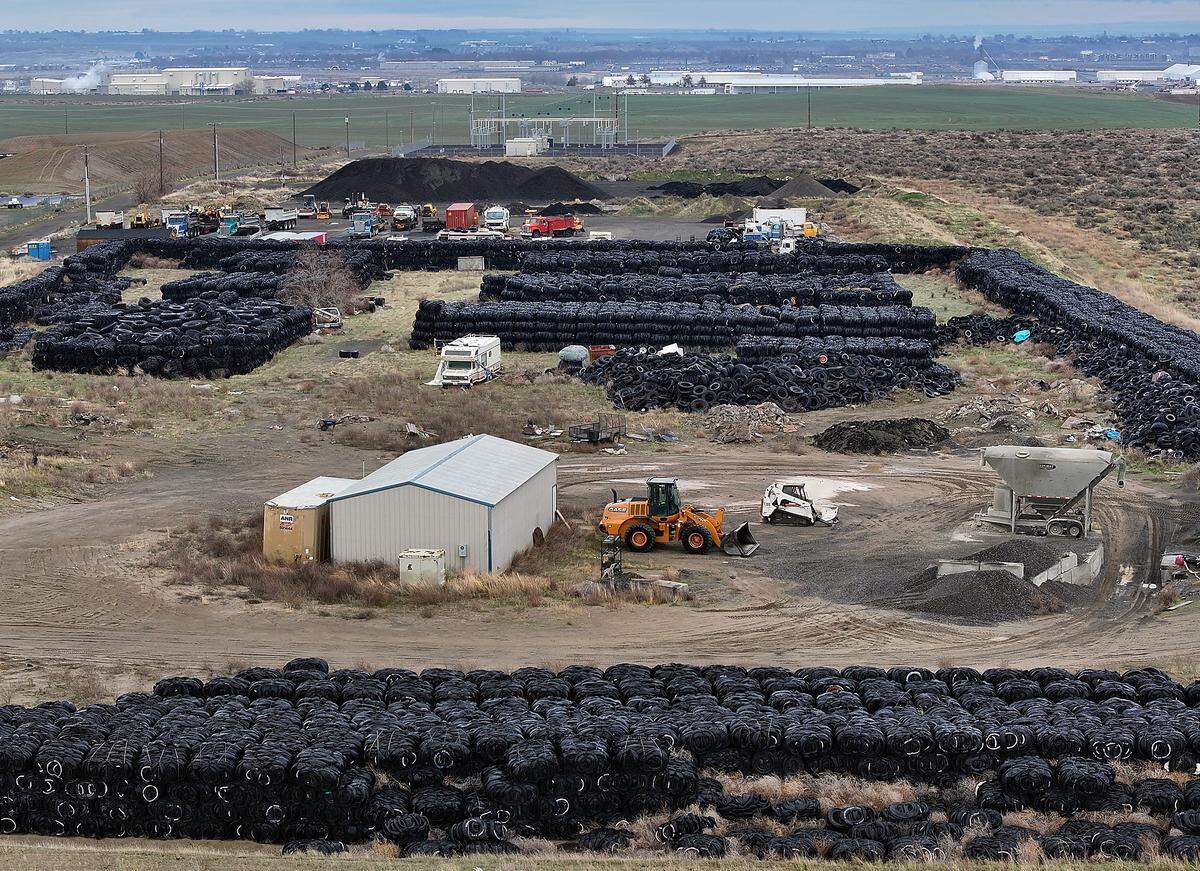
It won its case, but had to turn to the Legislature to fund the projected seven-figure cleanup.
Rizzitiello credited Tri-Cities lawmakers with championing the cause.
State Sens. Perry Dozier and Matt Boehnke, along with Reps. Skyler Rude, Mark Klicker, April Connors and Stephanie Barnard promoted the funding.
This story was originally published June 4, 2026 at 10:54 AM.