Cost soars to $3M+ to remove WA’s largest tire pile. Lawmakers agree to pay it
AI-generated summary reviewed by our newsroom.
- WA Legislature funds $3.2M to remove 7,100 tons of tires in Tri-Cities.
- State Ecology’s cleanup estimate doubled earlier city costs, prompting action.
- City sued owner, gained abatement order in 2024; cleanup timeline pending.
Tri-Cities lawmakers say they’ve secured $3.2 million to clean up the largest stockpile of old tires on an unlicensed site in Washington state.
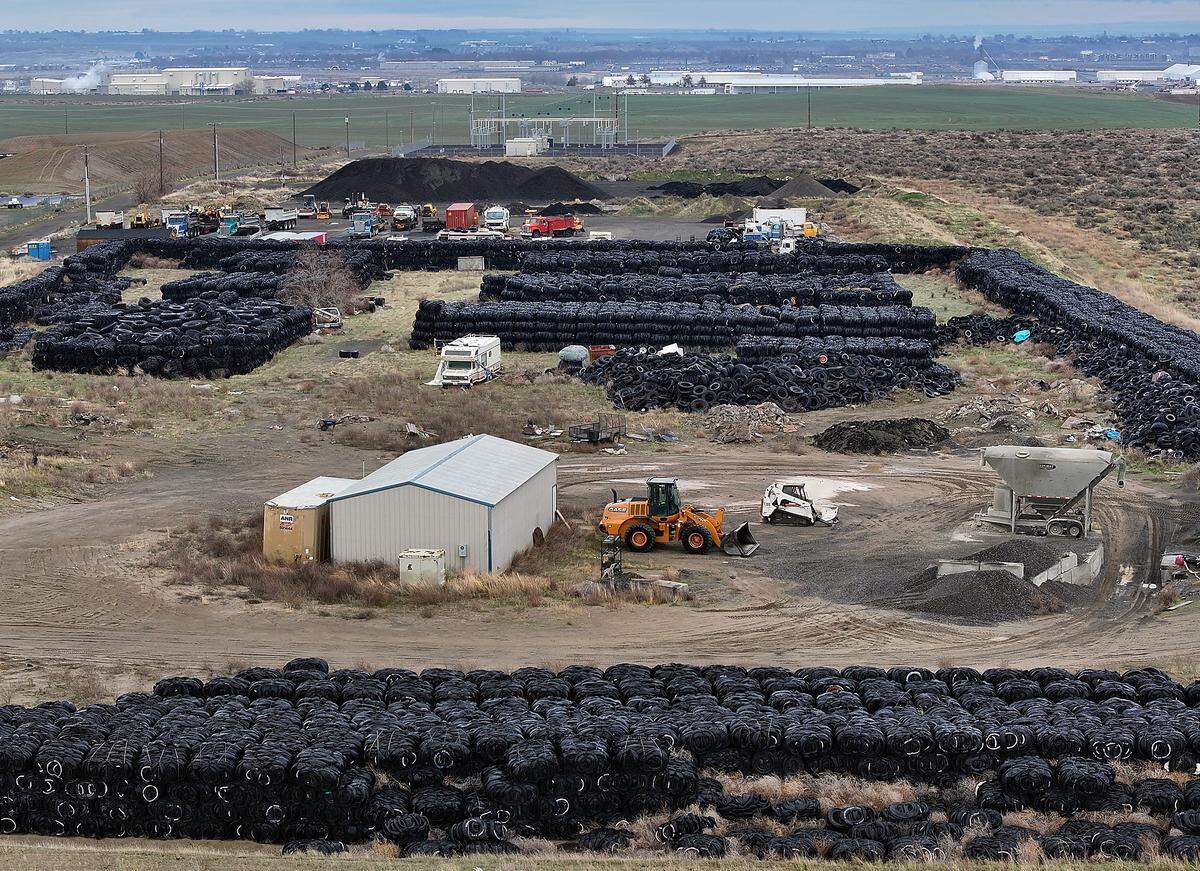
The Twin Bridges Road site is home to about 7,100 tons of used tires and located just north of Highway 240 near the Richland City Landfill.
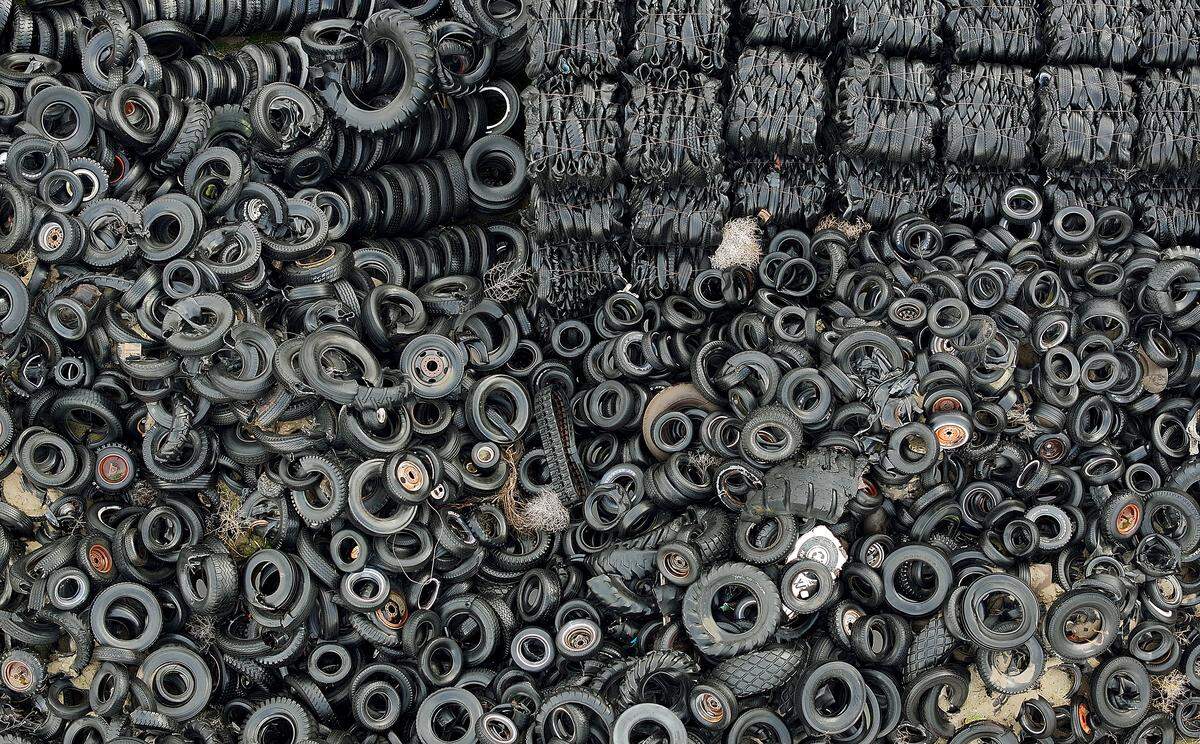
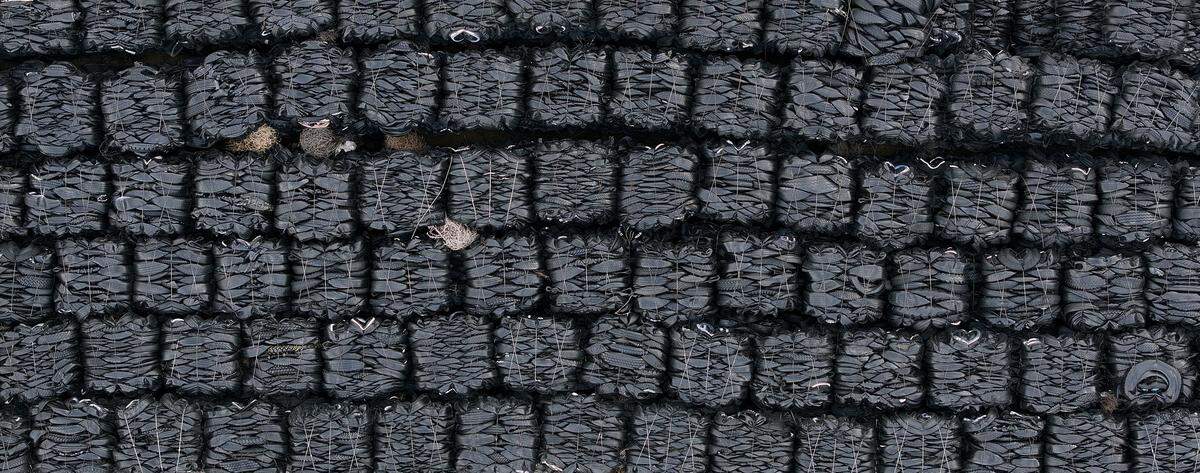
Most are baled and stacked into a wall that surrounds the perimeter. About 100 tons of loose tires are piled up in the interior.
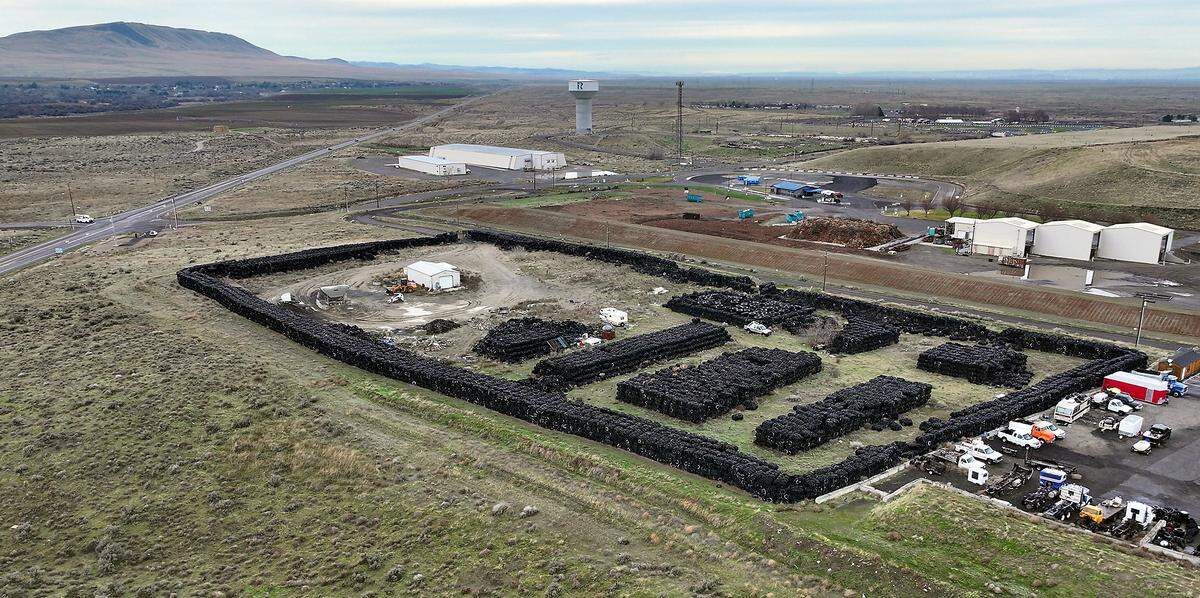
The funding marks a major milestone in the effort to clear the site for future economic development. The appropriation is tucked within Washington’s 2026 supplemental capital budget.
Nearly three decades in the making, the pile has long been considered a nuisance by the city, which sued in 2023 to abate the problem.
City Manager Jon Amundson said a comprehensive cost assessment by the state Department of Ecology came away with a $3.2 million price tag to clean up the property — triple the cost of earlier city assessments.
“This funding represents a significant step toward eliminating a longstanding public health and environmental hazard in our community,” Amundson told the Herald.
Not only are the many tons of tires an extreme fire risk to nearby businesses and homes, but it’s also a breeding ground for mosquitos carrying West Nile virus.
Over the course of a season, for example, thousands of mosquitos can be birthed from water that pools in the divots of a single tire.
Amundson said a cleanup timeline is still to be determined, though they are working closely with Ecology officials.
He thanked state Sen. Perry Dozier, R-Waitsburg, and other lawmakers from the 8th and 16th legislative districts, for helping to elevate the issue as a priority and find the money in the state budget.
Dozier told the Tri-City Herald Editorial Board that the money will come partly from a fee that Washington collects on the sale of every tire to cover the cost of someday disposing of them properly. The rest will come from the state’s Hazardous Substance Tax that pays for environmental cleanup under the Model Toxics Control Act (MTCA).
Court challenges
Richland sued the owner of the 5-acre property, Juneau-based and now-defunct Beneficial Reuse Solutions LLC, and received a court order in 2024 allowing it to abate the problem.
But funding the removal became an immediate issue. The Department of Ecology, which runs the state’s tire abatement program, is only given about $600,000 to spend statewide on site cleanups.
State officials previously told the Herald there is a substantial backlog of requests for the cleanup money.
But the Richland pile is a major issue. The other 46 priority sites named in the state list are just a small fraction of the size of the Twin Bridges site.
A Department of Natural Resources survey found 14 significant tire sites that collectively represent 275 to 780 tons of tires covering 42 nautical acres.
The discarded tire pile has intriguing roots in an ambitious Tri-Cities project that aimed to boost the economy while solving major environmental and public health crises.
The site was formerly leased as a business for a former landfill manager — who had big ideas about reusing the material into something people would buy — as well as the daughters of late Rep. Shirley Hankins.
Their business, Northwest Tire Recycling, would squish them down to hay bale-sized cubes and sell the rubbery blocks for use at shooting ranges, roadbeds, retaining walls and for dairy drainage.
In the early 2000s, there was a growing awareness that discarded tires were becoming an issue and that there needed to be a solution.
Though the owners convinced many their business was viable and that there was a market for the blocks, it struggled to stay afloat and ran into regulatory issues and licensing disputes.
Things got even worse when Hankins was found to have used the power of her legislative office to advance the interests of her daughters’ struggling tire business.
A 2007 Herald investigation resulted in a probe by the Legislative Ethics Board that determined she had broken state ethics laws. It fined her $4,175, a hefty legislative penalty for the time.
Reporter Wendy Culverwell contributed to this report.
This story was originally published March 24, 2026 at 7:12 PM.