
Council splits over sales tax increase for fixing Pasco streets
AI-generated summary reviewed by our newsroom.
- Pasco City Council voted on a 0.1% sales tax increase to raise $2.3 million annually.
- Some council members were opposed, citing the timing and burden on low-income families.
- The tax will fund pothole repairs, striping, snow removal and projects like roundabouts.
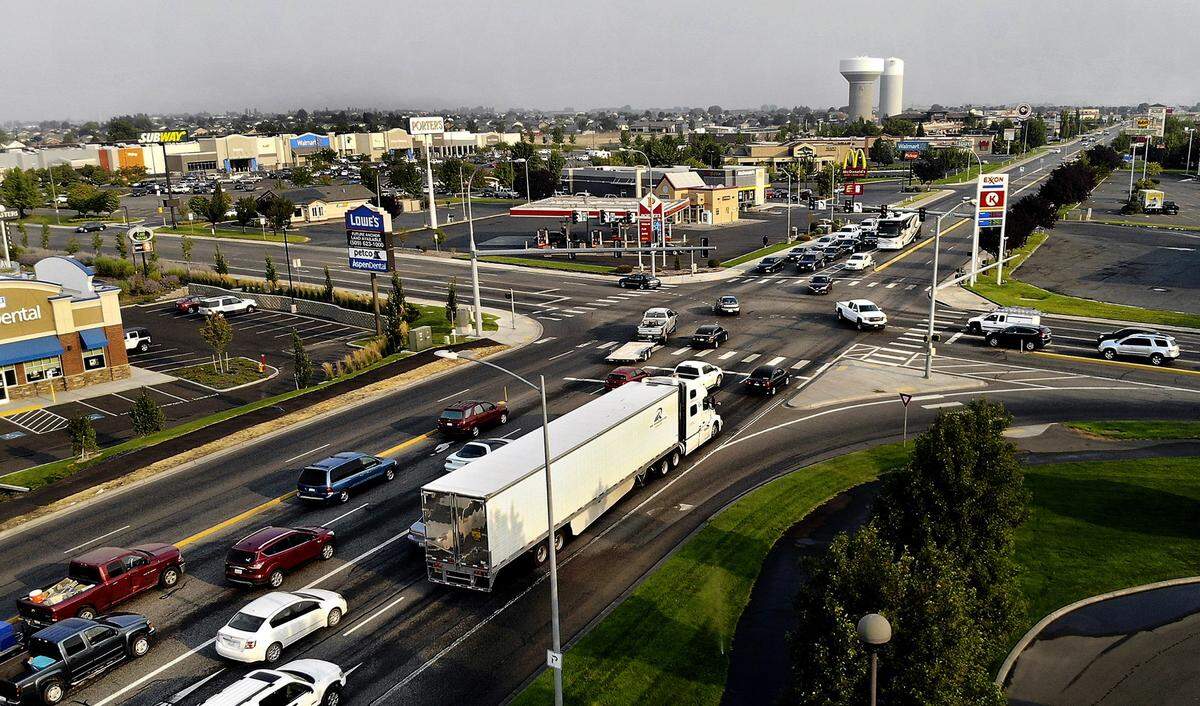
Sales tax will be a little higher in Pasco next year, but drivers will quickly start to see their money at work.
The Pasco City Council voted Monday to increase its sales tax by 0.1% to generate $2.3 million annually to pay for much-needed road work. That equals 10 cents on every $100 purchase.
The debate saw initial fierce opposition from Pasco residents and anti-tax activist Tim Eyman last September, but simmered down after the council began moving away from controversial car tab fees to pay for the road work.
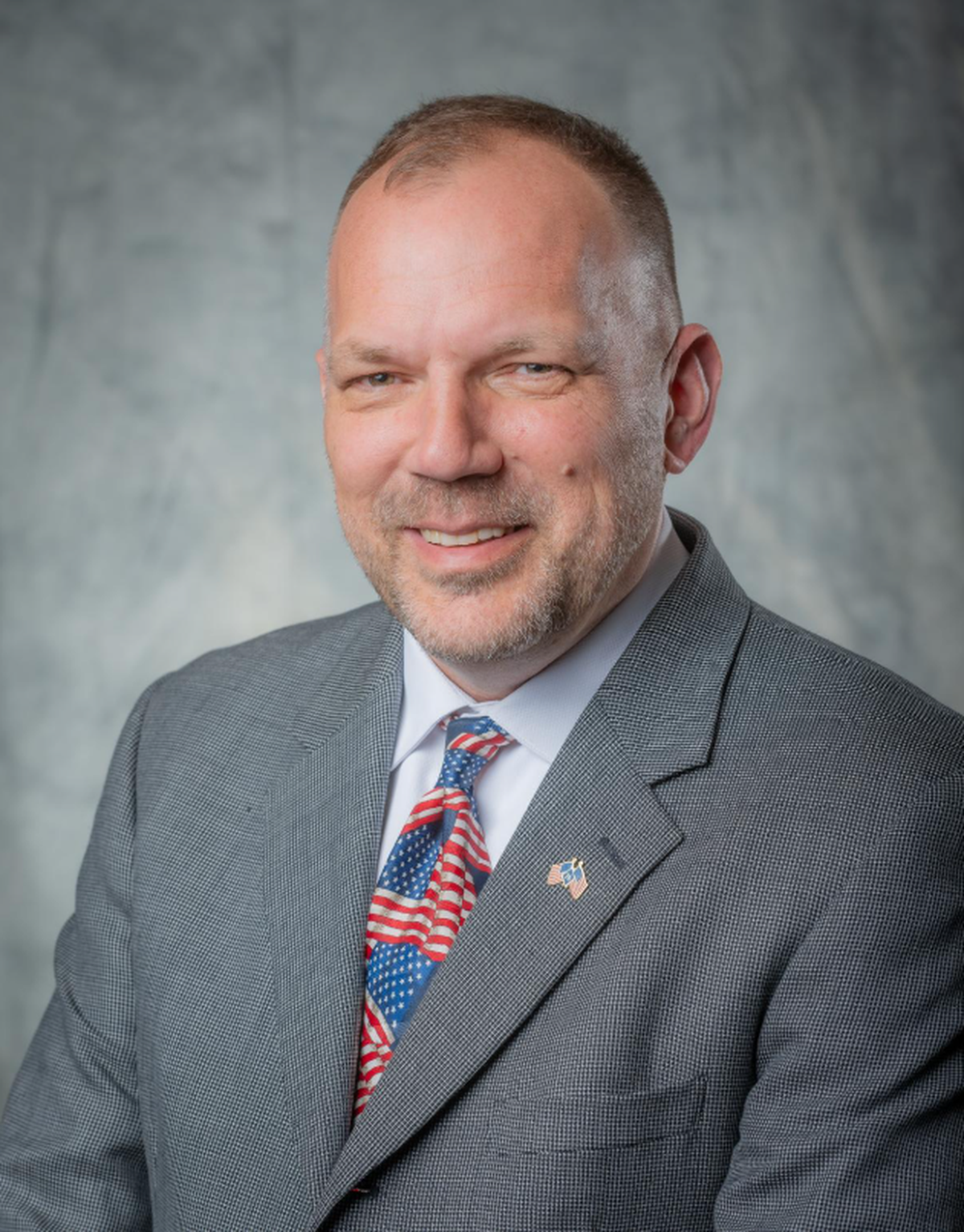
Monday, the council passed the sales tax 5-2, with Mayor Charles Grimm and Councilman Leo Perales voting against it, saying that while the money is needed, families are struggling too much at the moment to justify the increase.
The sales tax increase will take six to nine months to go into effect. Shoppers will notice it on their purchases in early 2027.
The city’s street fund had a $600,000 deficit under the city’s 2025-26 budget.
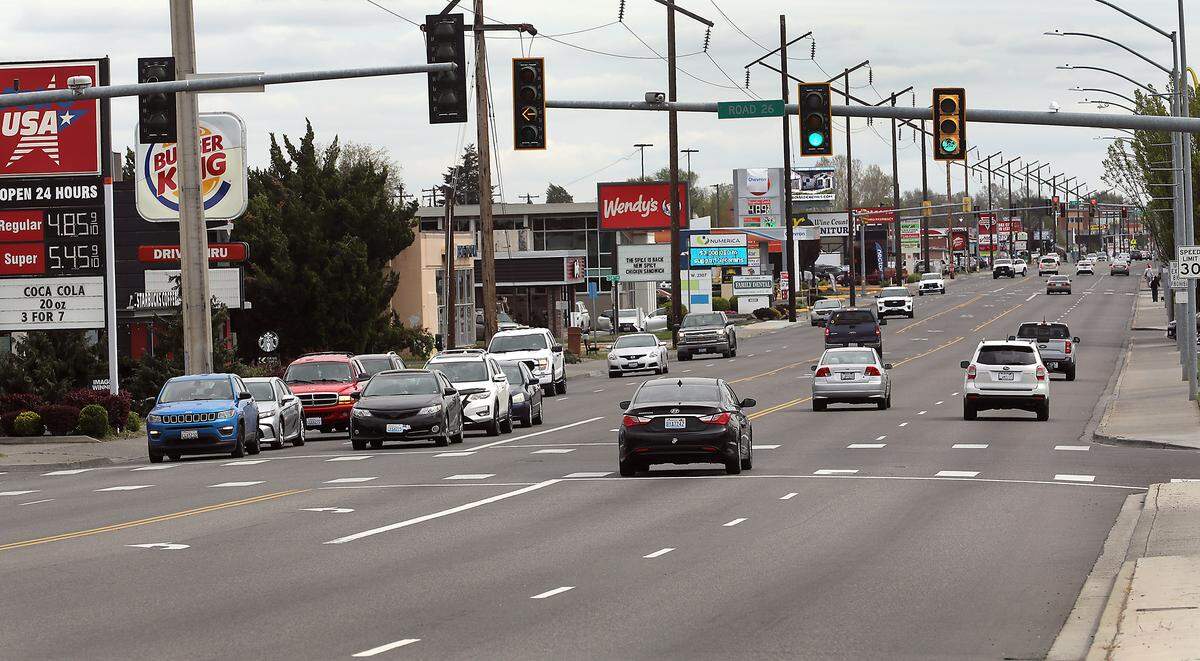
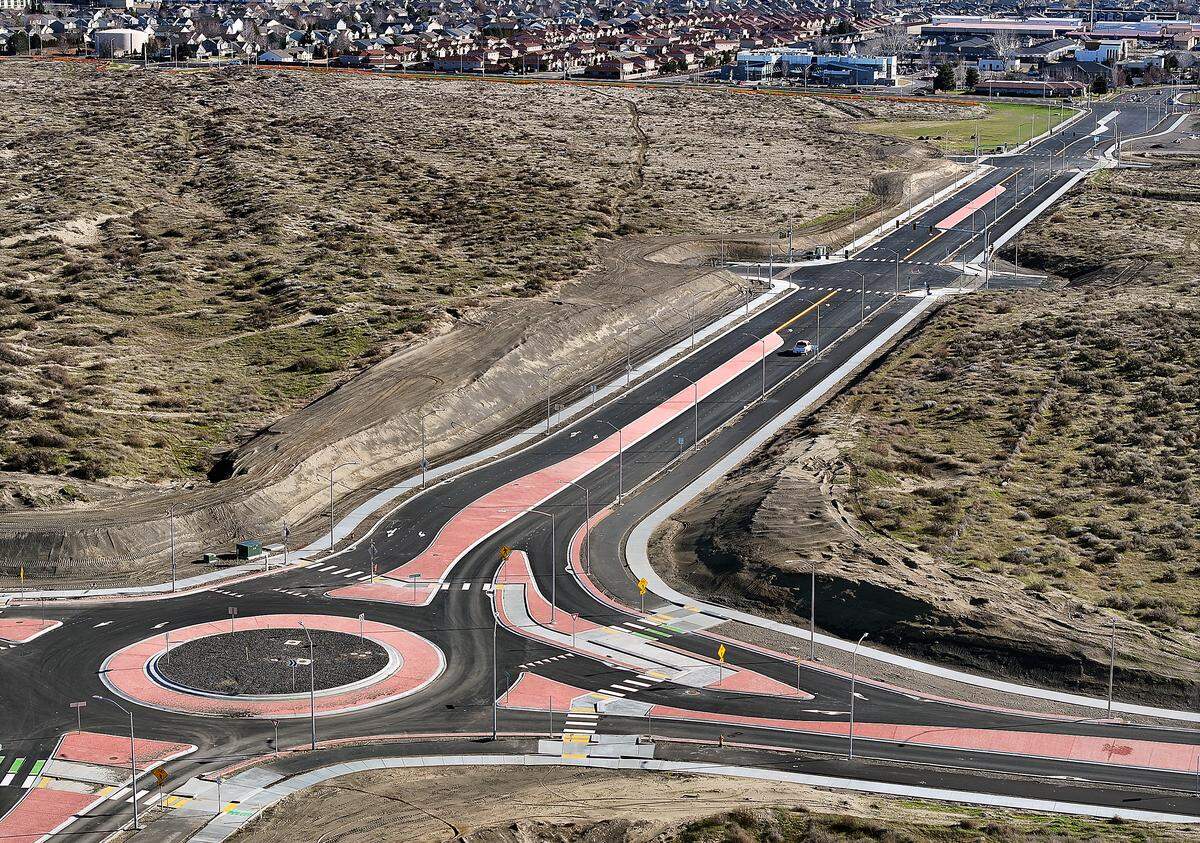
The extra revenue will help pay for pothole repairs and crack sealing, striping and traffic safety markings, ice and snow removal and projects such as roundabouts.
Staff said the city’s street crew has remained the same size since 2010 despite the number of road miles growing by 43% in that same time period.
The council voted unanimously to roll its new Transportation Benefit District, established in February, into the city’s regular functions earlier this year. That opened the door for this week’s vote.
Tough decision
Grimm acknowledged the need for road funding but said he believes voters should make the final decision, similar to how the city paid for the aquatic center.
“We did not vote for the aquatic center, so to speak, as a council. It was the voters that voted for the 0.2% for the aquatic center. And I guess that’s where I want to leave it. I think we should put it to the voters this November,” he said.
Typically, sales tax increases don’t go before voters unless it’s for more than 0.1%.
Perales said he supports road maintenance in principle, but argued the tax comes at the wrong time and would disproportionately affect working families.
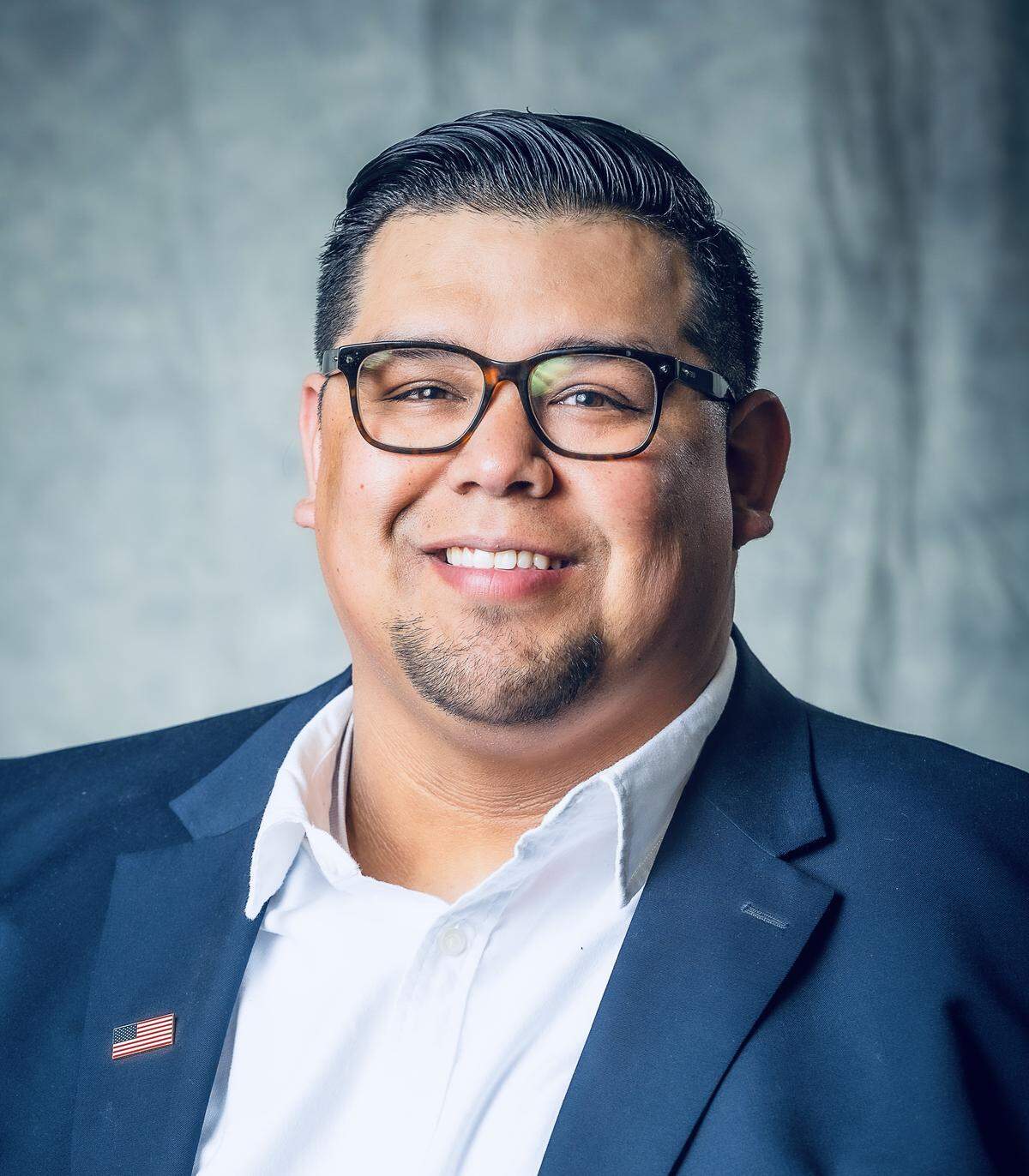
“I just don’t think it’s the right time,” he said. “Obviously, I’m for maintaining our roads, but gas is high, child care is high, groceries are high. And this sales tax is going to impact the lower middle class in our community. Lots of studies have been done, sales taxes are a regressive tax, but yet we want to do this during this time.”
He also said that he would rather prioritize public safety.
“I totally understand the need. But again, if I were going to implement a councilmanic sales tax, I would look at my priorities, and for me that would be public safety,” Perales said. “I want to see more cops on the streets. I want to see more vehicles. That’s what I think we need to focus on.”
Franklin County already has a public safety sales tax.
Councilman Abel Campos said many residents initially opposed the proposal, but some understood the rationale after learning about the long-term costs of delaying maintenance.
“Staff can remind me, but I think it’s four to five times more if we do reconstruction on the street,” Campos said. “Four to five times more. And so yes, we can save now by saying no to this. But then that just means later on, if our streets do need reconstruction, we’re talking four or five times more.”
Councilman Mark Figueroa acknowledged concerns about affordability and the burden on lower-income residents but argued that delaying maintenance would ultimately cost more.
“I want to acknowledge that lower-income households will take an impact because a lot of the times they’re the ones who are spending the larger share of their income monthly on goods that are taxable,” he said. “I understand the tax fatigue is real.”
Other council members expressed similar sentiments, saying that while they understand how burdened families are right now, funding road repairs has been put off for so long that not acting will just leave the city with even higher bills in the future.
Why a new sales tax?
The city had been leaning toward a sales tax increase rather than charging car tab fees because the sales tax would mean everyone shopping in Pasco and using its roads would help pay for it.
Richland recently voted to swap its car tab fee for a sales tax, noting the same concerns. Kennewick established a similar sales tax in 2024.
The council can approve a sales tax increase of one-tenth of a percent without needing voter approval. If they adopt a car tab fee, it would start at $20, but can be raised to $40 in two years and $50 in four years. At $20 the tabs would raise an estimated $1.3 million annually.
Pasco already has the highest sales tax rate in the Tri-Cities at 8.9% after voters approved an increase to pay for an aquatic center in 2022. It will go to 9% once the road fund increase goes into effect next year.
Kennewick’s sales tax is 8.8%, and Richland is at 8.7%
This story was originally published June 2, 2026 at 10:14 AM.