
Richland missed deadline to cancel $20 car tab fees, swap for new tax
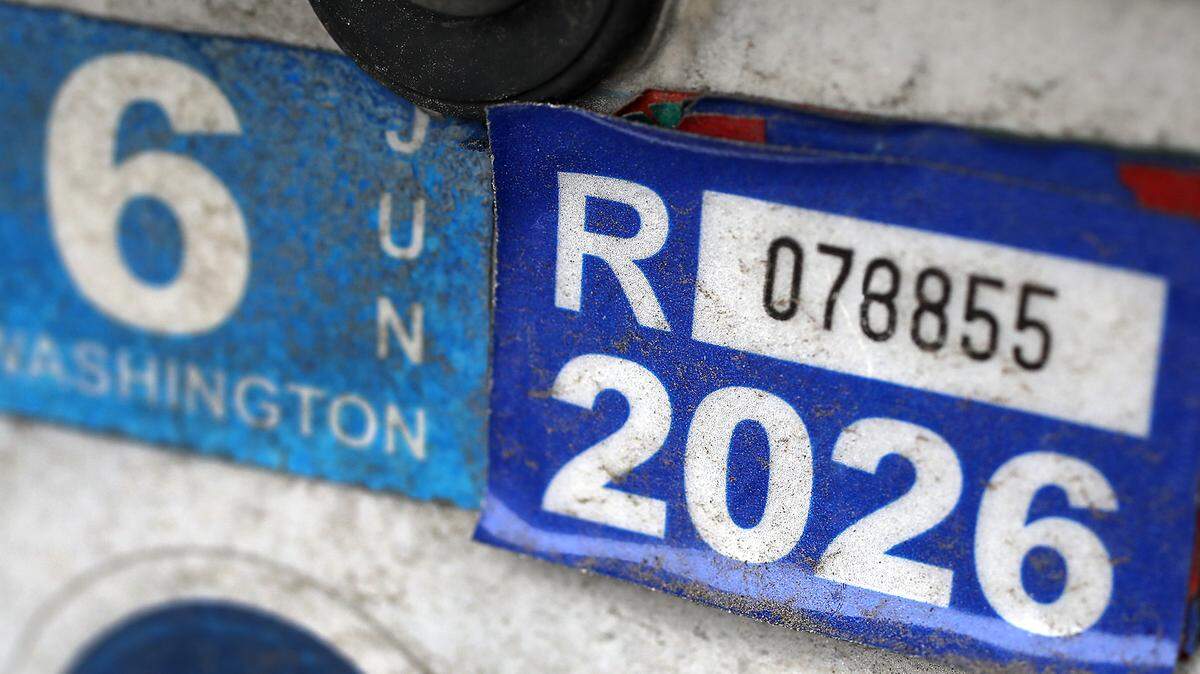
Richland missed a deadline to inform the state it is dropping its $20 car tab fee in favor of a new sales tax in time to make the change on Jan. 1.
Now, it is pausing both changes until April 1.
That means car owners with vehicles registered in Richland will have to pay the $20 surcharge on vehicle registration renewals if they come due in January, February or March.
The Richland City Council intended to replace the car tab fee with a new sales taxes on Jan. 1 when it approved the change in early October.
However, the city missed a 120-day deadline to give the Department of Licensing time to change its system.
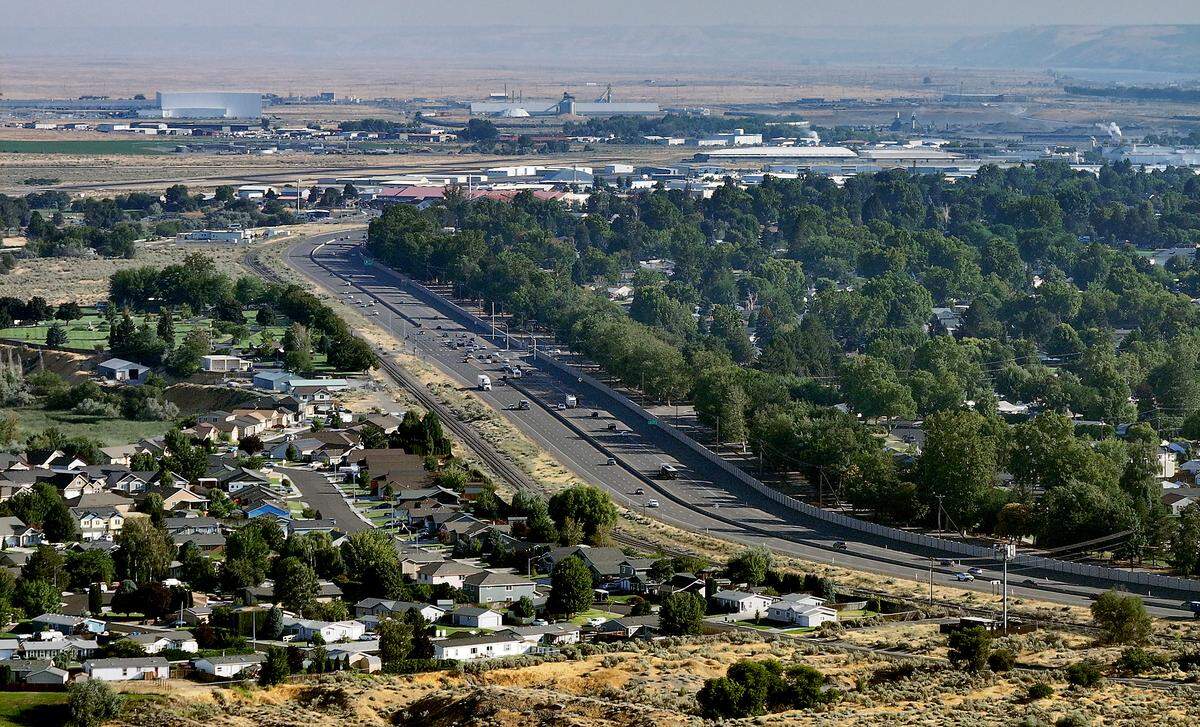
The city council will consider pausing the change to April 1 when it meets at 6 p.m. on Tuesday at Richland City Hall, 625 Swift Boulevard.
Jon Amundson, city manager, previously informed the council it notified the Department of Revenue about the change in sales taxes, but didn’t realize it had to alert the licensing agency too.
“That’s not something fun to bring before you. But we want to make sure we’re clear and consistent,” he told council members at a recent meeting.
The Department of Licensing confirmed it can’t change its system in time to issue correct renewal notices by Jan. 1. Some notices with January renewal dates have already been sent out.
A spokeswoman for the licensing department said the city considered sticking with the Jan. 1 deadline and refunding affected residents their $20 fees.
City officials could not be reached to confirm if they considered or are still considering refunds.
Tax cut raises taxes
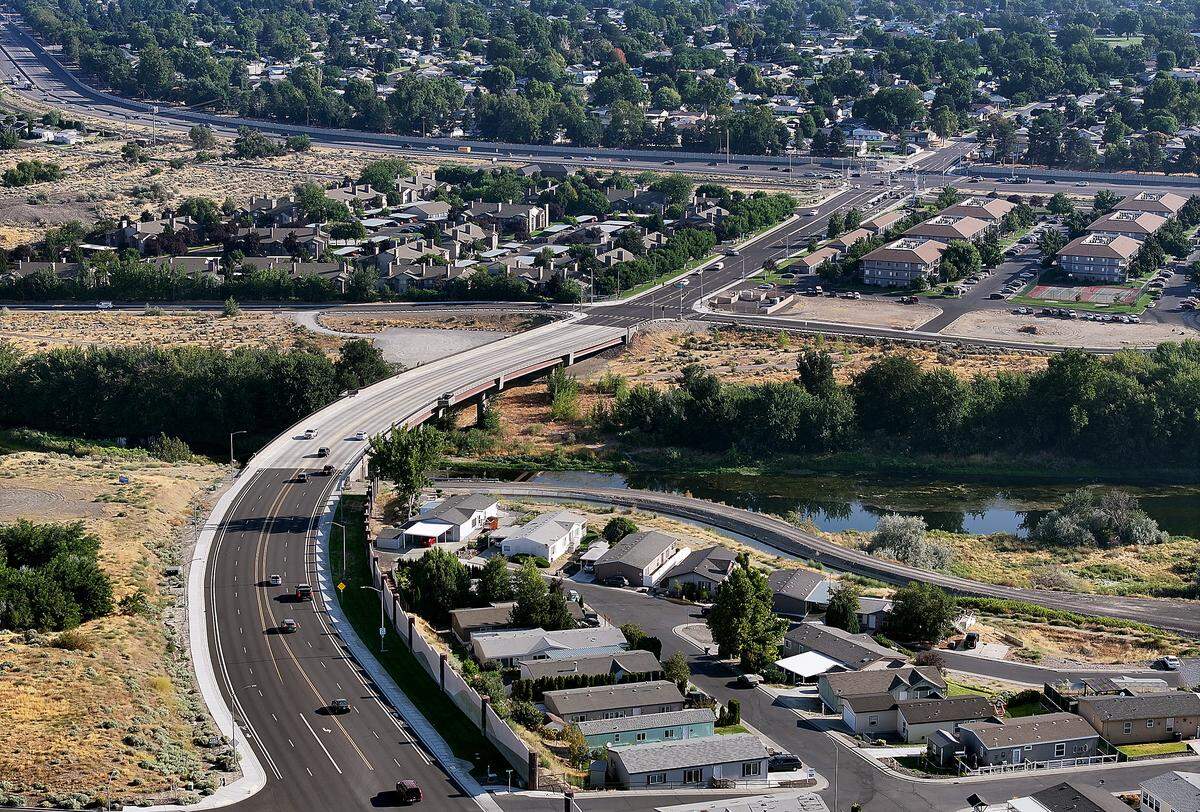
In October, the city council voted to replace the $20 car tab fee with a one-tenth of a percent sales tax to fund its Transportation Benefit District, which is responsible for maintaining pavement on 650 miles of city streets.
It called it a “tax cut.” However, the change will more than double taxes earmarked for pavement work to more than $2 million, from $1 million.
The car tab fee has been highly contentious since it took effect in 2017 after a unanimous vote by the then-city council.
At the time, the city called it a necessary step to pay its small share of the $38 million Duportail Bridge project. While state funds covered more than $31 million of the cost, the city bore much of the remaining responsibility.
The car tab money was meant to fund pavement maintenance.
Nonresidents not paying
Richland residents objected to car tabs as inequitable. Visitors who transit the city to shop, work and dine don’t register their cars in Richland and don’t pay the fee.
In search of a more equitable and more profitable solution, the city swapped the car tab fee for the 0.1% sales tax increase, saying it better spreads the cost among all users and will generate more money.
The new tax will raise the sales tax rate in Richland to 8.8%, the same as Kennewick and slightly lower than Pasco’s 8.9%. Pasco voters approved a voter-approved sales tax to pay for the aquatic center now under construction at the Broadmoor development.
For Richland, the new sales tax will raise $2.25 million toward the $4.5 million it spends to keep its pavement at a level of 70-75 or “fair” on the 100-point Pavement Condition Index.
Richland calculates most city residents will pay less in sales taxes than they do in car tabs. The average household will pay $6.44 in new sales taxes instead of $40 to register two vehicles, it estimates.
Transportation districts are common in Washington, serving as a mechanism for cities and counties to fund road projects through specific taxes.
Kennewick funds transportation projects with an 0.1% sales tax and Pasco is considering either car tab fees or a new sales tax to support its own street maintenance.
Public hearings are expected to be held in November.
This story was originally published November 3, 2025 at 5:00 AM.