Curbing Court Street speeders didn’t work. Aggressive new plan to slow drivers
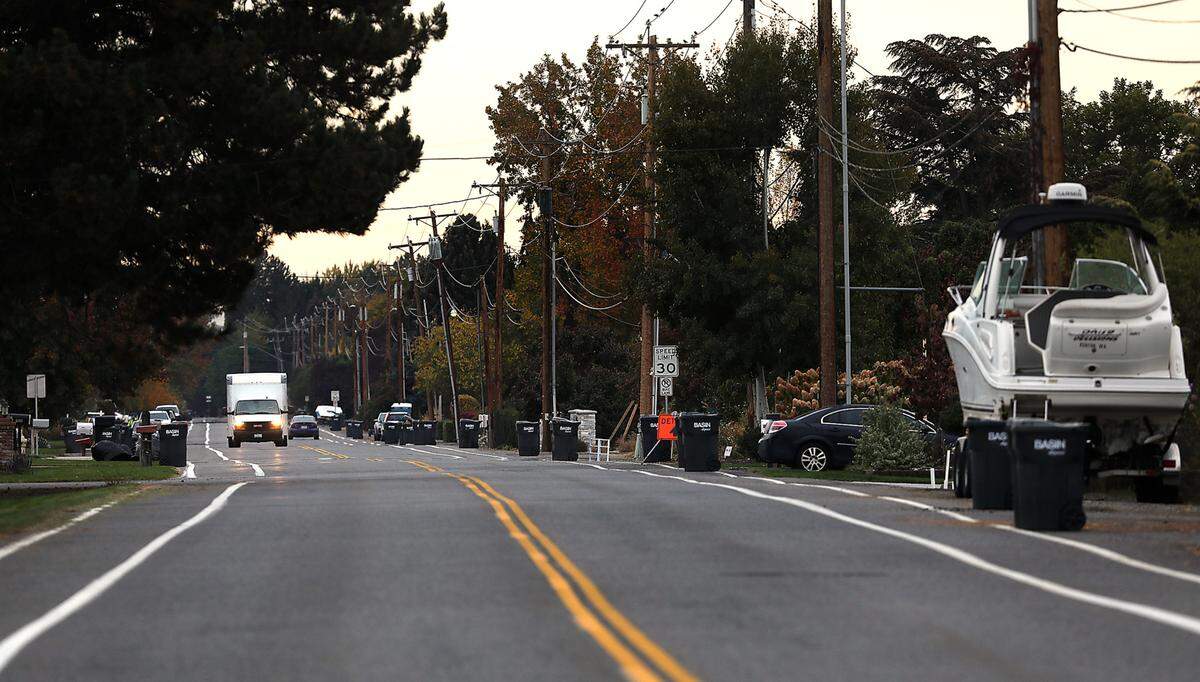
For years a Pasco neighborhood has dealt with drivers street racing and flying through at dangerously high speeds. Now the city has a more aggressive plan to slow them down.
Pasco city council gave staff the go ahead this week to begin a plan for reducing speeding on a residential stretch of West Court Street.
The city already tried reducing the speed limit from 30 mph to 25 mph between Harris Road and Road 100, and from 40 mph to 30 mph from Road 96 to Road 100.
They’ve also installed speed radar signs and narrowed lanes while adding buffers for bikers to protect cyclists headed to the nearby Sacajawea Heritage Trail.
Police also beefed up enforcement in the area.
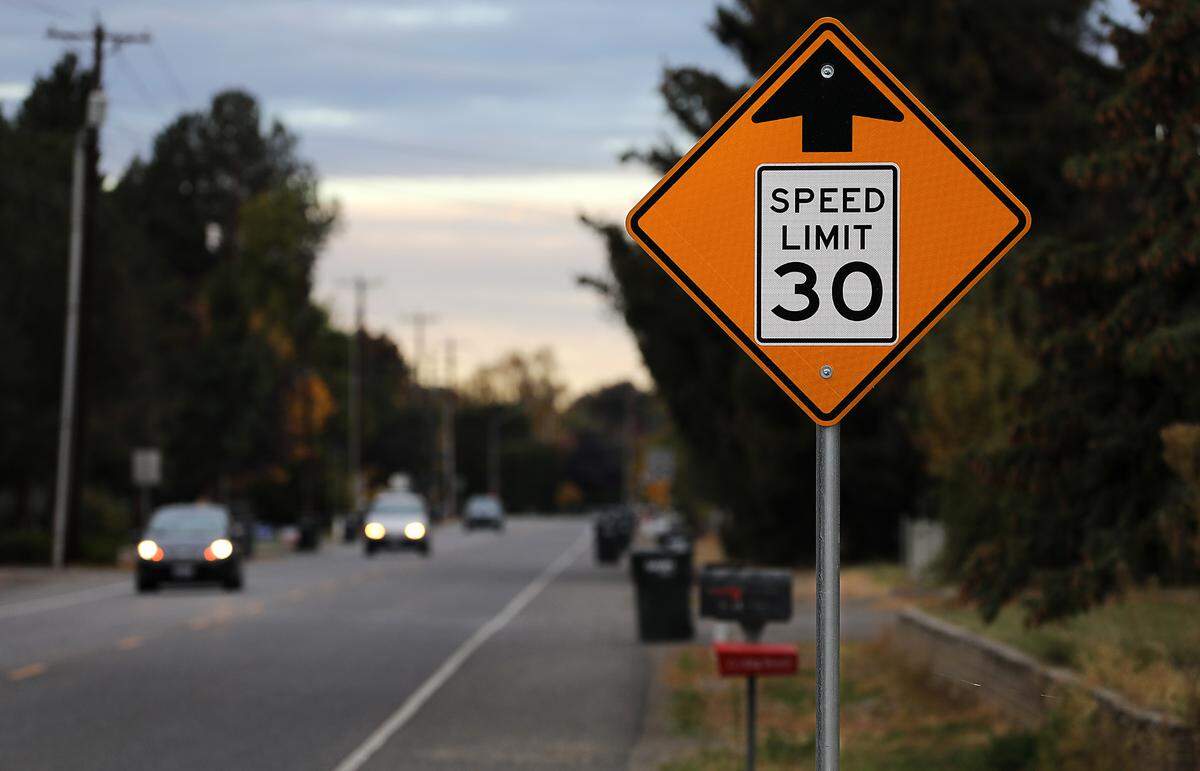
After evaluating traffic last spring and summer, the city found that the improvements and increased police presence had not meaningfully slowed down speeders, said a staff report.
Median speeds were still above the new speed limit, and neighbors told council that some drivers are still hitting dangerous speeds.
Previous reviews of the radar signs and radar trailers have shown extreme speeders registering above 70 mph, according to a January 2025 traffic study.
They found that speeds saw a short-term drop immediately after the new traffic-slowing measures, and then they began trending back up.
Pasco Police Department agreed the measures weren’t effective.
Pumping the brakes
Now the city will install speed “cushions” in an effort to force drivers to slow down. They will be added at 800-foot intervals and then within 400 feet of crosswalks.
Crews will install 10 sets of humps on West Court Street this summer, from Harris Road to Road 96.
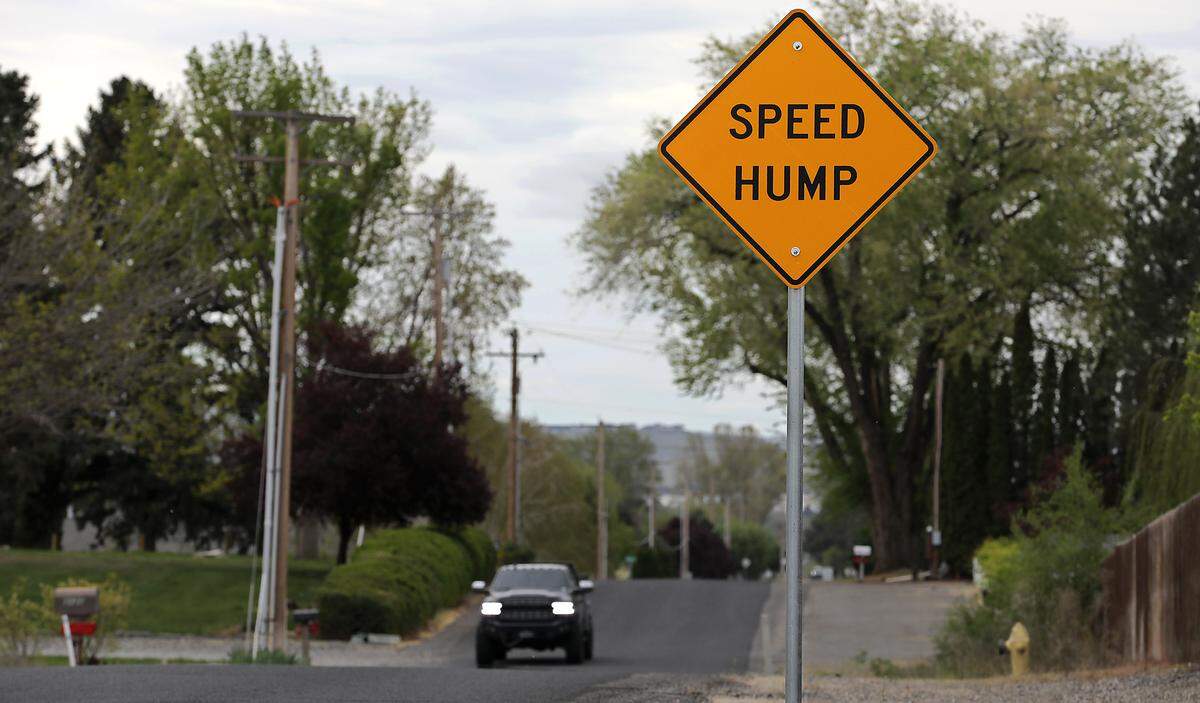
They’ll also install signs warning of “speed humps.” The city also plans to monitor to see if bike lanes will need protection from drivers trying to avoid the bumps.
The study said the 800-foot intervals should reduce speeds to around 30 mph, and the 400-foot spacing will get drivers down to the 25-mph speed limit.
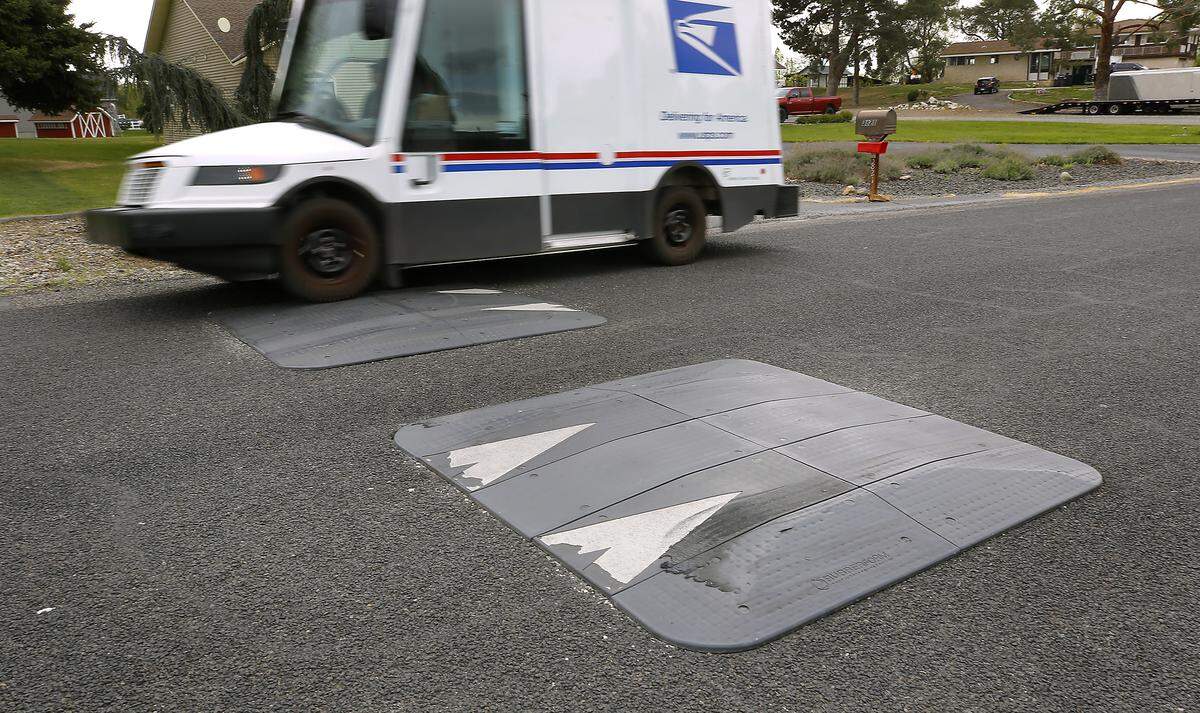
The prefabricated rubber humps will be installed using hardware and epoxy. There are some examples of what they will look like on Road 96 near Argent Road.
Staff estimates the humps will cost about $70,000 total, plus an additional $12,000 for signs. Bike lane protection would also cost a bit more.
The city, however, likely won’t install more radar signs because they are expensive. The two currently used cost more than $25,000.