Can WA ‘targeted’ tax break law help Pasco lure more jobs?
AI-generated summary reviewed by our newsroom.
- The council directed staff to develop a plan for a Targeted Urban Area.
- It lets city and county waive portion of property tax on new construction for 10 years.
- Projects must create at least 25 jobs paying $23/hour with health benefits
Pasco is considering making a big move to bring in billions in new industrial construction and thousands of good paying jobs from new manufacturers.
Targeted Urban Areas are newer tax incentives currently only used by the city of Richland in the Tri-Cities area.
Three approved projects in Richland’s clean energy park are worth an estimated combined $1.6 billion in new construction and are expected to create about 600 jobs.
They’re considered one of the few tools that cities in Washington state can use to lure businesses from states that offer more aggressive financial incentives.
In Washington, a city and county can waive their portion of the property tax for a qualifying business over a period of 10 years. The company still pays property taxes to other districts such as schools and ports, though.
On Monday, Pasco council members discussed the idea of turning some of the city’s industrial land into a Targeted Urban Area. City staff will now work on a plan to be presented at a future meeting.
Pasco hopes Franklin County will agree on the boundaries of the TUA, which would then allow new businesses that meet certain requirements to get a tax break on new facilities.
The county doesn’t have to join them, but it makes the process much easier, Deputy City Manager Richa Sigdel said.
It’s a huge incentive, offering businesses like Atlas Agro a potential tax break of $20 million on its planned $1.1 billion green fertilizer plant in Richland.
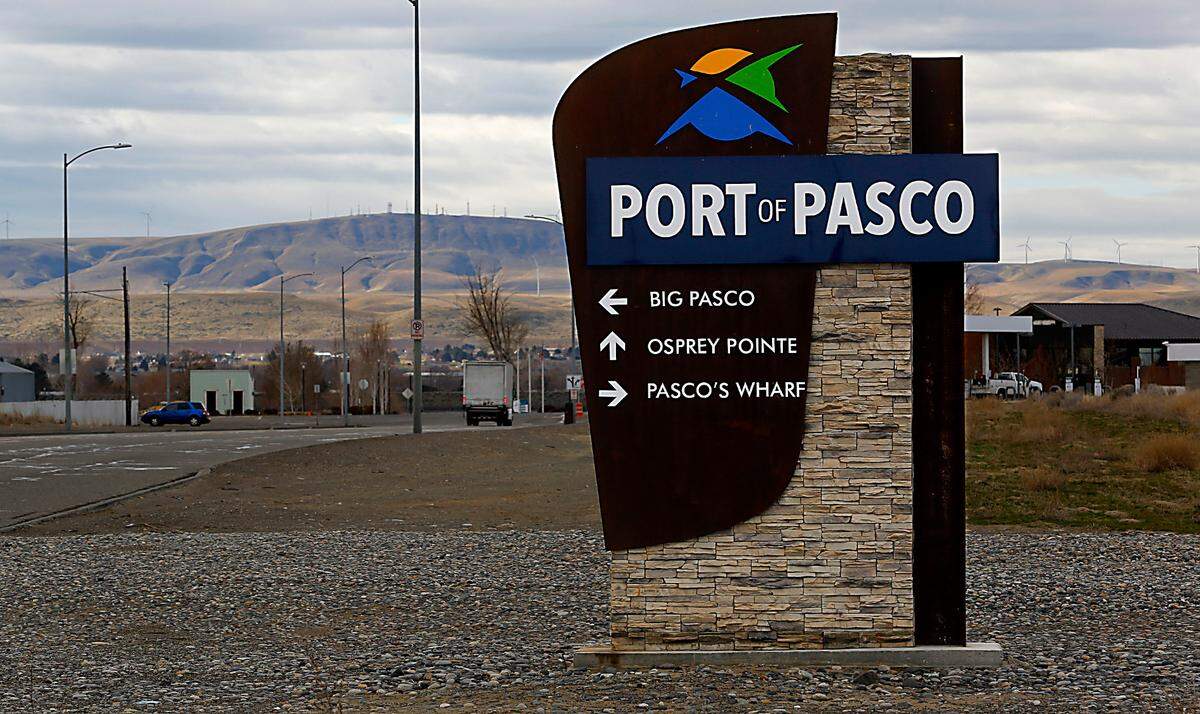
In Pasco, the new Darigold processing plant cost about $900 million and created 200 permanent jobs. The Port of Pasco lead the way in securing the investment by partnering with state and federal lawmakers to support infrastructure development needed to make the plant viable.
The new plant also has led to a demand for support facilities nearby, such as a proposed cold storage warehouse.
What happens next?
The next step in the process of creating a Targeted Urban Area is for Pasco to identify the area that would benefit the most from that designation.
In Richland, it’s much of the industrial land in the Horn Rapids area up to former Hanford site land given back to the city by the Department of Energy. It created the zone in 2023.
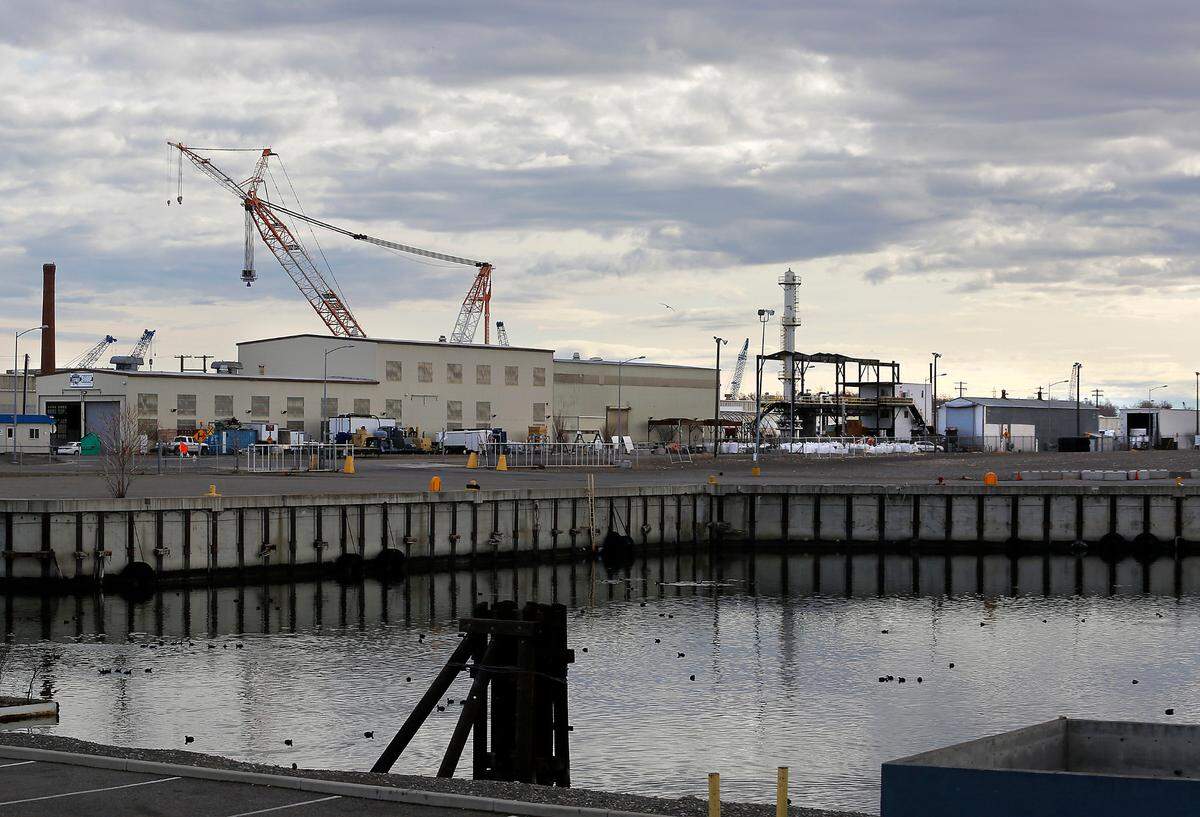
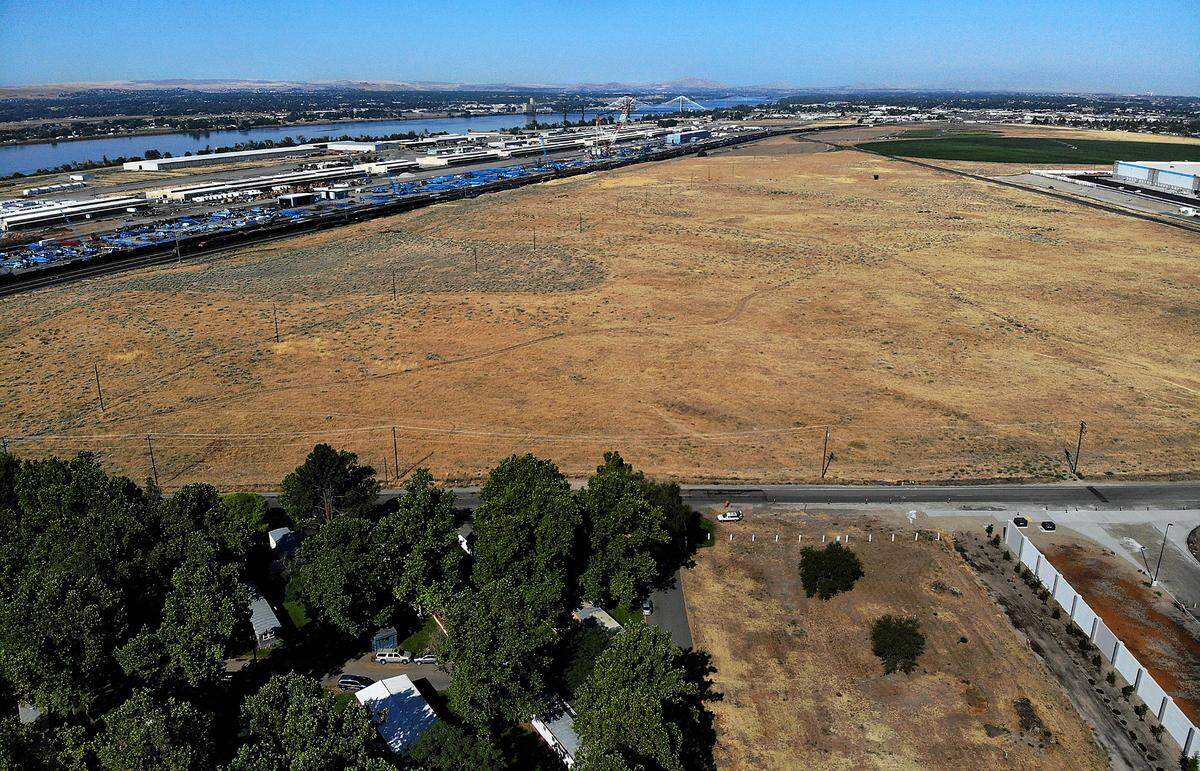
Pasco has plenty of options. Its industrial areas include the Port of Pasco’s Big Pasco area along the waterfront, the area around the Amazon warehouses, the Reimann industrial area where the new Darigold plant is located and a huge chunk surrounding the Tri-Cities Airport that the port hopes to use to create an aerospace park.
Sigdel told the council they have been working on a map that includes as much of their industrial zoned land as possible.
After identifying a potential area, the city will map it out and coordinate with Franklin County.
The council must then pass a resolution expressing its intent to designate a TUA and schedule a public hearing.
After the public hearing they’ll vote on whether to pass a formal ordinance establishing the Pasco Targeted Urban Area.
How will it work?
Qualifying projects must meet strict requirements under Washington state law. Their compliance is reported to the state Department of Commerce annually.
Projects will have to produce a certain number of high paying jobs and meet progress deadlines.
In Richland, city officials estimate the increased economic activity will offset the loss of property tax revenue. The land itself is not exempt from property taxes, just the new construction.
For Pasco’s proposed zone, the TUA would be within city limits and target undeveloped or underutilized land. The boundary needs to share a common boundary and can’t be far apart, such as the Reimann and Big Pasco.
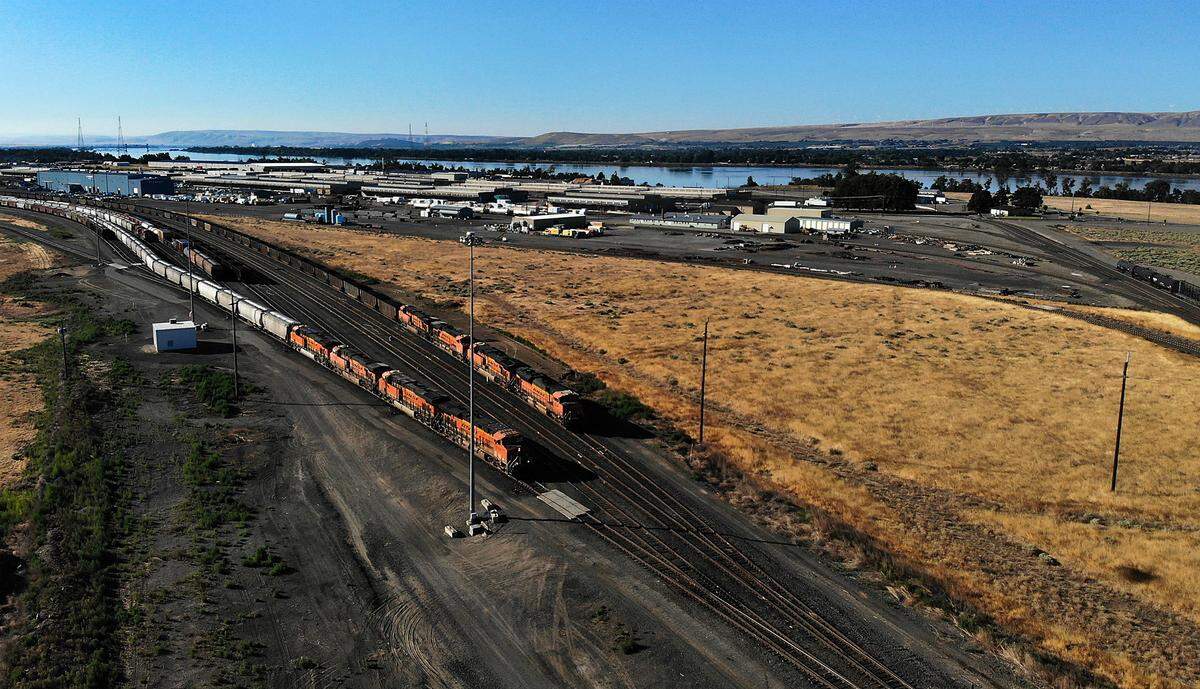
Stephen McFadden, Port of Pasco economic development director, said the city should also plan for future adjustments to the city’s Urban Growth Area, which will include new land recently added to the Reimann Industrial Center.
He said it’s one of the few ways cities in the state can incentivize businesses, noting that they’re competing with states like Texas.
The businesses will need to certify they would not have built the facility in Washington state without the exemption, create a minimum of 25 full-time “living wage” jobs paying at least $23 an hour with health benefits and build at least 10,000-square feet with a minimum value of $800,000. Existing construction would not qualify.
Improvements not directly related to manufacturing would not be exempt. For example, if the company decided to build administrative offices with their plant.
Manufacturers would apply for the exemption, complete the construction and then receive a certificate of exemption after the certificate of occupancy is issued. After that the exemption becomes effective Jan. 1 following approval and the owner will need to file an annual report to ensure they’re upholding their end of the bargain.
Typically, they have three years to complete the project, but a new law allows for more extensions for clean energy projects. It also opens the door to some exemptions for expansion or repurposing of existing properties.
What are the risks?
There are a few potential drawbacks to developing a Targeted Urban Area.
The biggest drawback is the property tax shift that the exemptions cause. The value of the new construction still goes into the city’s overall tax rolls, meaning it shifts that burden to existing homes and businesses until their 10-year exemption ends. Because the levy is based on a dollar amount, that shift is generally small for individuals.
Another potential snag is related to the technology needed to implement the TUA.
Pasco staff told the council that the county is still working to implement software for the Tax Increment Financing district in the Broadmoor development. The county’s system does not yet support a TUA and would need to be upgraded.
The Tax Increment Financing district, or TIF, in the Broadmoor area is a different kind of incentive that primarily targets retailers and service businesses by using expected sales tax revenue to pay for road construction in the area.
It works like a bond, with the construction paid for upfront and sales tax paying it off over a set number of years.
Franklin County Assessor John Rosenau said it would be a big lift, but doable. He hopes that the city would help with the software upgrade costs, but state law doesn’t require them to.
Rosenau said the complexity comes in subdividing the lots to parcel out the non-manufacturing portions. The bigger the project, the more complex that will be.
The other big concern Pasco has is ensuring that boundaries align exactly if Franklin County joins in. If not, it can cause administrative headaches and potentially open the door to costly errors. While the process is complex, Pasco will benefit from what Richland has learned by being the first in the state to navigate the process.
Experts are divided on whether property tax incentives are truly effective, noting property tax bills are a relatively small share of total business costs and waivers often go to companies that require expensive public infrastructure investment, according to an analysis by the Lincoln Institute for Land Development.
Washington state’s TUA requirements are designed to try and avoid some of the pitfalls seen in other states, such as school districts losing out on tax revenue or companies not creating the promised number of jobs.
How is Richland using it?
Richland currently has a handful of approved applicants for its TUA exemption.
The first is Atlas Agro’s green fertilizer plant. After a loss of more than $150 million in supporting federal funds, Atlas Agro has proposed also building a data center to help the project break even.
The city estimates Atlas Agro’s 518,000-square foot fertilizer plant will create 298 jobs, 158 of which would be direct non-construction jobs, adding $35.6 million to the local economy.
ATI Specialty Alloys and Components got a waiver worth $2.6 million for an $111 million expansion of its titanium melting plant.
Framatone will save about $6.7 million in taxes on its proposed $360 million expansion.
General Matter also has expressed interest in buying 425 acres of the former Hanford land to produce high-assay, low-enriched uranium, or HALEU.
The fuel could be used to power the proposed small modular nuclear reactors proposed to power data centers in the region. It’s unclear how large of a tax break the company could receive for the project, as it is still early in the process.