Juvenile court split will cost Franklin $1.1M more than they thought
AI-generated summary reviewed by our newsroom.
- Judges say 7 hires needed, costing about $1.13M to start Franklin juvenile court.
- Commissioners face $500K Martin Hall cost + about $1.13M court request, straining budget.
- Shift to Martin Hall also raises transport and visitation issues
The cost of splitting bi-county juvenile services is going to cost Franklin County more than it anticipated, but they could still end up saving money.
Benton Franklin Superior Court judges Jackie Stam, Diana Ruff and Bronson Brown detailed what it will take to move juvenile court hearings and related services to the Franklin County Courthouse.
The discussion came at Franklin County’s regular commissioners meeting Wednesday, just over a month before the split could become official.
In December, Franklin County made the decision to sever its agreement to use the Benton County Juvenile Justice Center, opting to enter a contract with Martin Hall in Medical Lake for detention services.
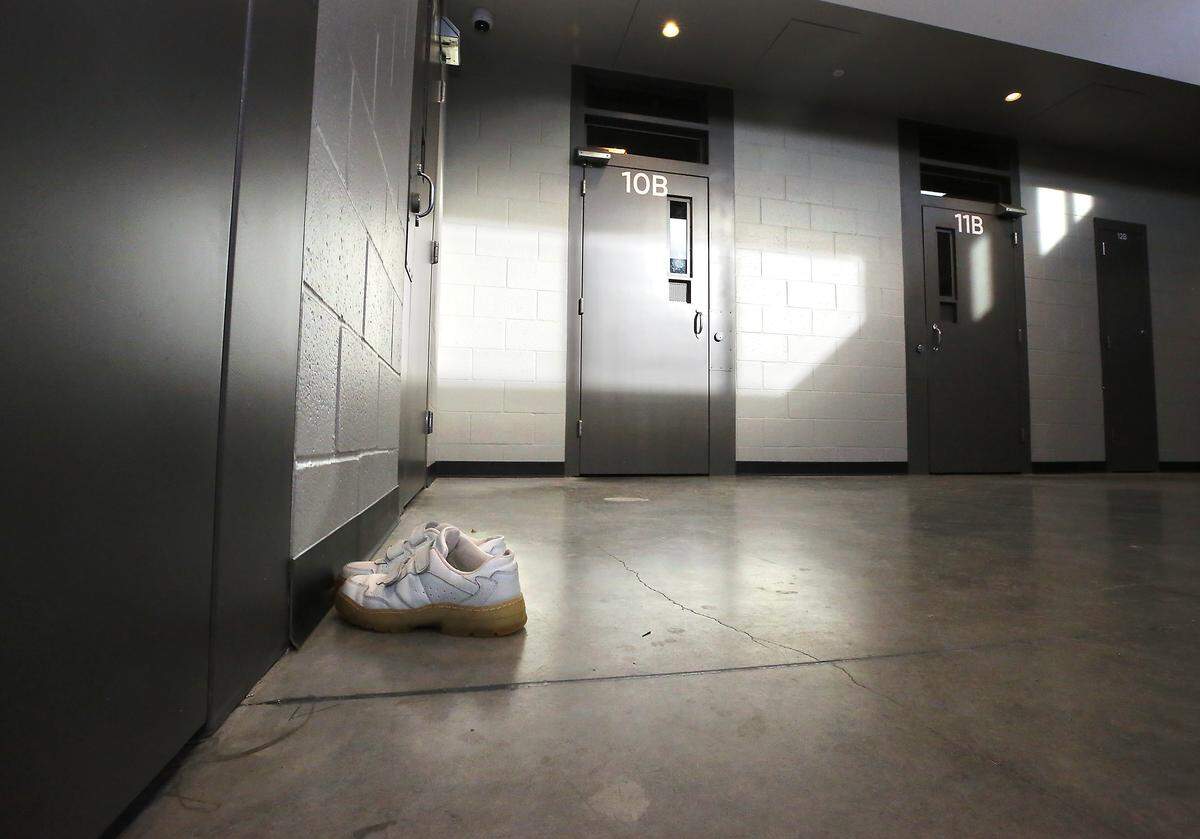
Unanticipated costs
The commissioners believed separating juvenile services would save $2.5 million a year, but the judges threw cold water on their plan.
More than half of the $2.9 million they were paying for juvenile services actually pays for court administration, probation services, counseling and other programs.
They will need to hire seven employees and pay for other services at an estimated cost of about $1.13 million to operate their own juvenile court.
“Where we’re at is, unless something happens very quickly we’re afraid there isn’t going to be a juvenile court after March, and that makes it impossible to bring juveniles to justice,” Judge Brown said.
“It seems like Benton County’s understanding is different than Franklin County’s, and we’re in the middle. We just need to operate a court, and we can’t operate a court without funding.”
Because the agreement has been in place for so long, Franklin County leaders may not have fully understood how the finances broke down separately from adult Superior Court services. That led to confusion in their letters to the Superior Court about the changes.
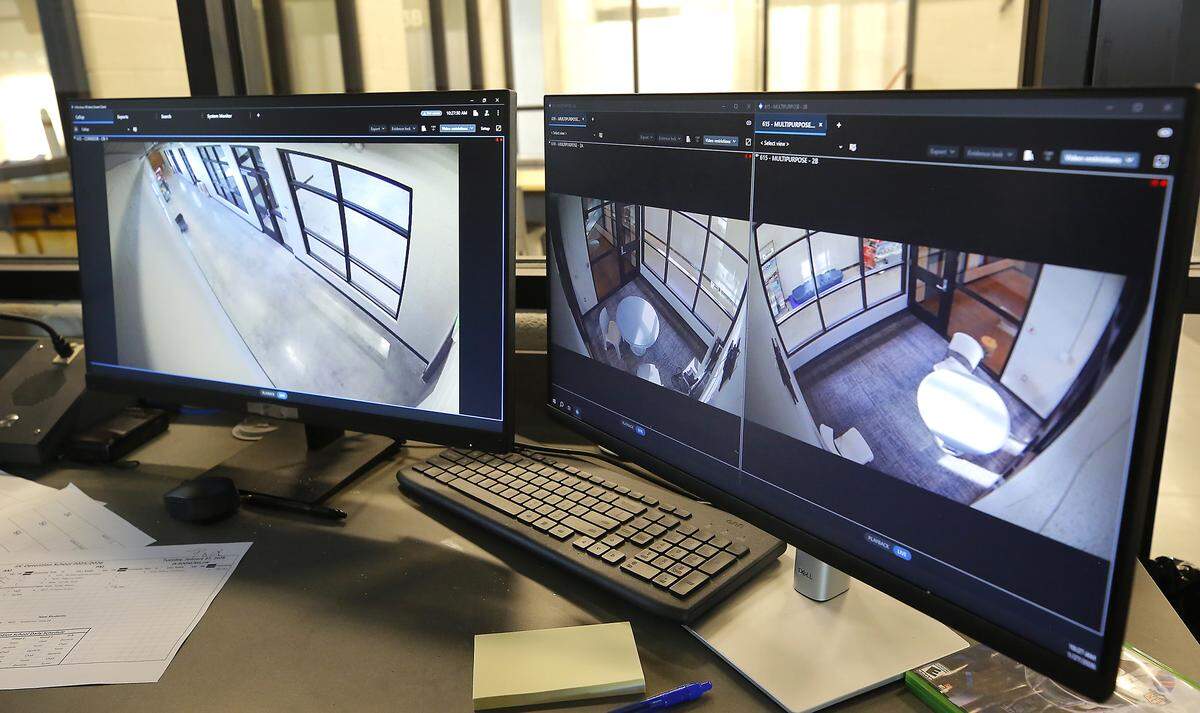
“You have benefitted from the expertise, from the one-stop shop the Benton County juvenile justice has offered,” Ruff told commissioners on Wednesday.
“If it is your intention to set up your own court, we’re here to tell you what we need in order to make a bare-bones Franklin County juvenile court work,” she said. “We just need you to know what we need so that when, and if, you reach an agreement with Benton County to go your separate ways, you are able to immediately fund what we need.”
“Because if you don’t .... then you have families in Franklin County that are not going to be able to access justice when they’re separated from their children, when their children are going through criminal processes, when their children are at-risk youth, when their children are truant from school.”
The same bi-county Superior Court judges will oversee the cases, but they can no longer do so at Benton County’s facility. Ruff told commissioners that they also face a challenge in finding the space for a separate courtroom and the new employees.
Despite the curveball, Commissioner Clint Didier urged his fellow commissioners to support the judges’ funding request.
“We’re trying to be very stringent on saving the taxpayer’s dollars, and I think if we can save $1.3 million, I think we do it,” Didier said.
Erin Petty spoke to commissioners during public comments, urging them to reconsider sending local offenders that far away.
“The plan to transfer our Franklin County children to Spokane is haunting me, I think it’s a disservice to our families,” she said.
Petty asked commissioners to look into the research on youth incarceration to learn more about why youth offenders require much different services than adults.
.jpg "Franklin County Courthouse Complex_12202025-9843 1 (1).jpg")
Juvenile justice separation plan
Before they can fully separate the juvenile detention and court services the two counties still have to work out a settlement to separate juvenile services.
Franklin County Administrator Brian Dansel said the commissioners signed off on a settlement agreement last week, but Benton County has since paused finalizing it because of possible issues with the details.
While Franklin County would still achieve significant savings even after meeting the court’s funding request, it could put a damper on plans to save for eventually building their own detention facility for juveniles.
In a plan sent to the Superior Court last month, Franklin County leaders proposed setting aside the savings to begin planning for their own center within five years.
They don’t appear to be setting that money aside at this point though, as Commissioner Clint Didier said Wednesday that the monthly $215,000 payments were leaving them with a hole in their general budget, and Dansel previously told commissioners that paying it for the full year could mean layoffs in other departments.
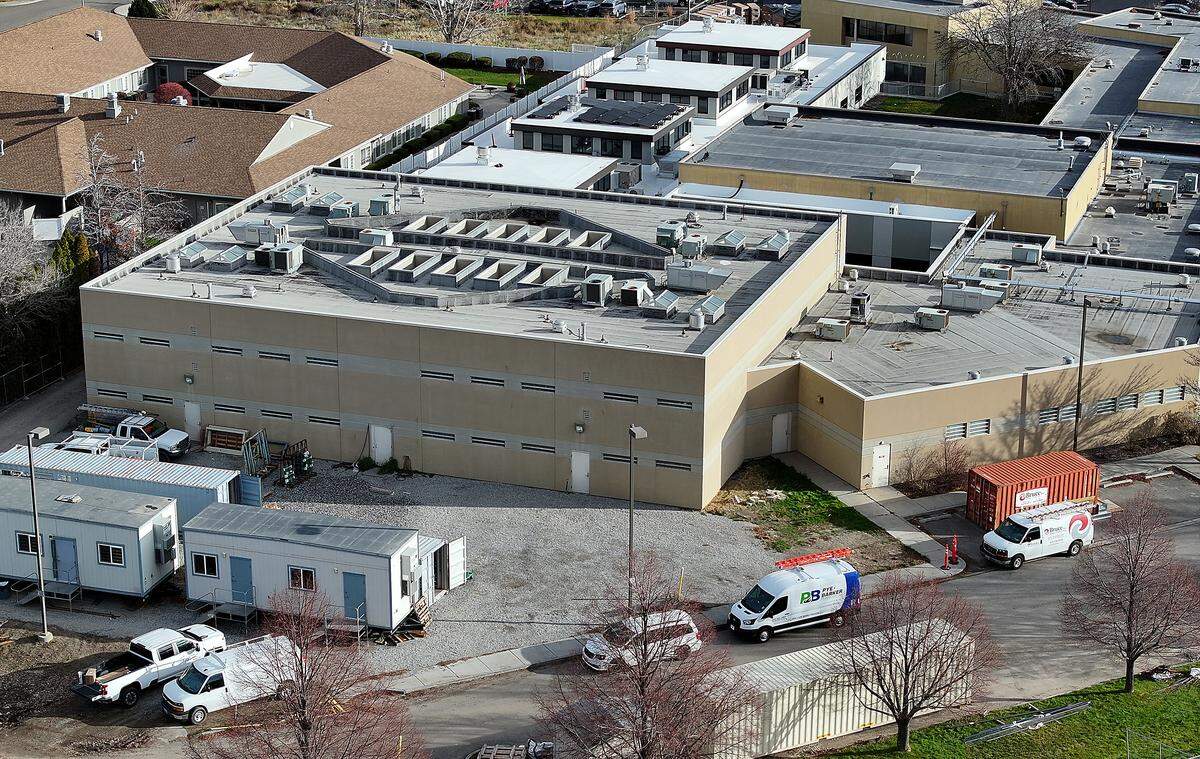
Franklin County is now looking to spend $500,000 for the Martin Hall contract, plus about $1.13 million the court judges have said is needed for juvenile court services.
The cost estimate for Martin Hall is based on reserving five beds per day for Franklin County youth offenders. Benton County estimated that Franklin averages six offenders per day. Additional beds would cost $260 per day.
The costs for transport, which will be arranged by Martin Hall, comes out to $125 per trip every time the facility either picks up or returns a teen. At an average stay of 14 days in the current joint facility, that could mean a trip to the facility or back around roughly once per day.
Community members have also expressed concerns over the difficulty families will face getting to Medical Lake to visit their children. Commissioner Stephen Bauman said at last week’s meeting that Martin Hall officials told him that they allow, but don’t get visits from families. It’s unclear whether they allow virtual visitations.
That’s in stark contrast to the current facility, which uses visits as incentives for good behavior.
About 850 family members visited the Benton County Juvenile Justice Center last year, not accounting for court visits, according to Benton County Deputy Administrator Matt Rasmussen.
Of the 87 teens who received a visitor, each averaged more than five visits during their stay.
It’s also unclear how juvenile offenders accused of crimes in both counties will be housed.
Of those 87 teens who had visits last year, 16 of them faced charges in both counties. The Superior Court judges will have to make those decisions on a case-by-case basis.
Franklin County also has to indemnify Martin Hall, which was a major point of contention with Benton County. That would mean if there is a lawsuit over the treatment of a youth offender, Franklin County would be on the hook.
Franklin County Jail Commander Keilen Harmon has submitted a plan to the Superior Court for temporarily holding of juveniles at the adult jail. The plan will require separating an area where juveniles cannot be within sight or sound of adult inmates.
This story was originally published February 25, 2026 at 4:50 PM.