Rare look inside Tri-Cities juvenile detention. And its $21M renovation
AI-generated summary reviewed by our newsroom.
- $21M juvenile center renovation reconfigures pods, classrooms and security.
- Staff shift roles from guards to coaches and adds life skills programs.
- Renovation keeps 40-bed capacity while adding light, courtyard and real-time monitoring.
Juvenile detention centers have changed a lot in 30 years, even if the buildings don’t reflect it.
These days Benton County’s juvenile detention officers are as much life coaches as they are corrections officers. Like all good coaches, they’re focused on building skills, stability and accountability.
Helping juvenile offenders build a path toward a safer, more productive life is a key goal for staff at the Benton County Juvenile Justice Center.
As construction reaches another milestone on a $21 million renovation of the campus, the new portions of the facility will help staff better engage with the teens they’re charged with caring for. It also comes with state-of-the-art security upgrades to keep both staff and offenders safe.
Detention Manager Rudy Ruelas said that many of the teens who come to the facility don’t have a lot of stability and support.
Unlike adult facilities, their job also involves helping the offenders build stability and get their lives on track so that they don’t end up in the criminal justice system as adults.
Merging philosophy and design
“Our goal here is to provide them with the tools that they will need to be successful out there,” Ruelas said. “Whether that’s just how to dress for a court hearing or how to greet somebody, how to shake their hand.”
“The ability to get these little small things that we sometimes take for granted as adults, a lot of these kids having gotten because of their social (and) family lives has been very beneficial.”
For now the facility houses juvenile offenders from Benton and Franklin counties, but that could change with Franklin County attempting to shift their teens to a facility in Medical Lake. The counties are currently in mediation after a lawsuit was filed to allow for a more orderly changing of services.
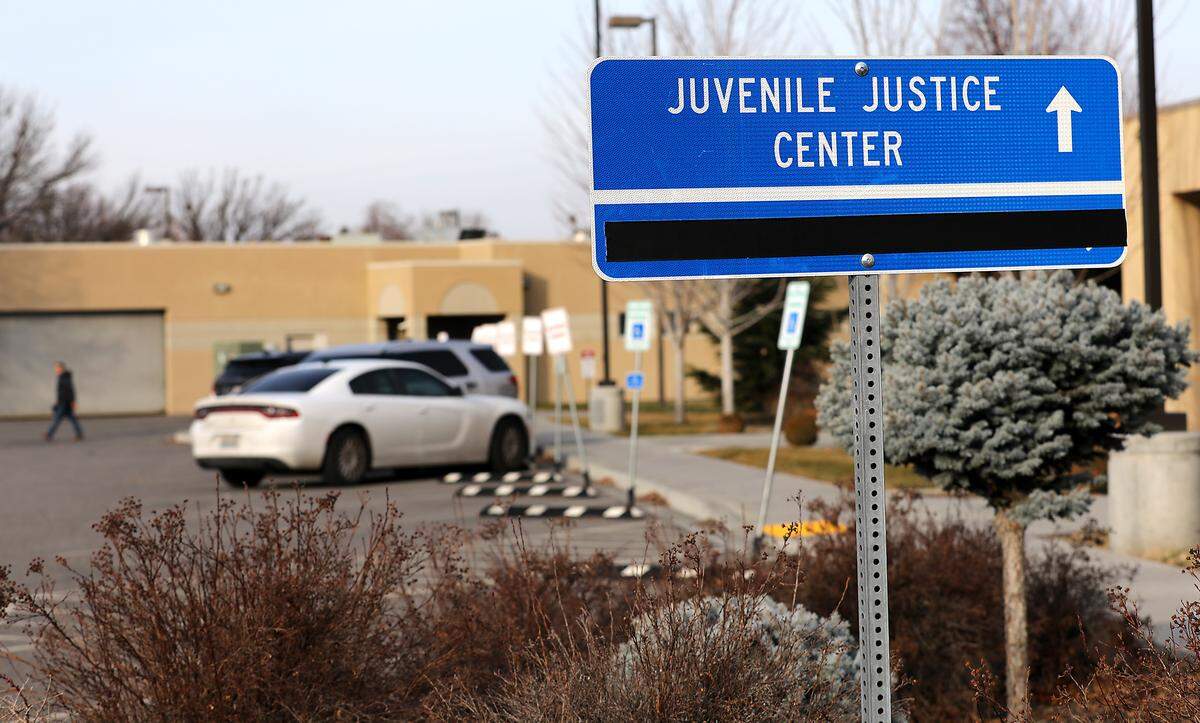
When the Kennewick facility off Canal Drive was originally built in the 1970s and then updated in the late 1990s, it was common practice to keep offenders in their cell all day.
Ruelas said that has changed in the years since with state laws restricting unnecessary isolation.
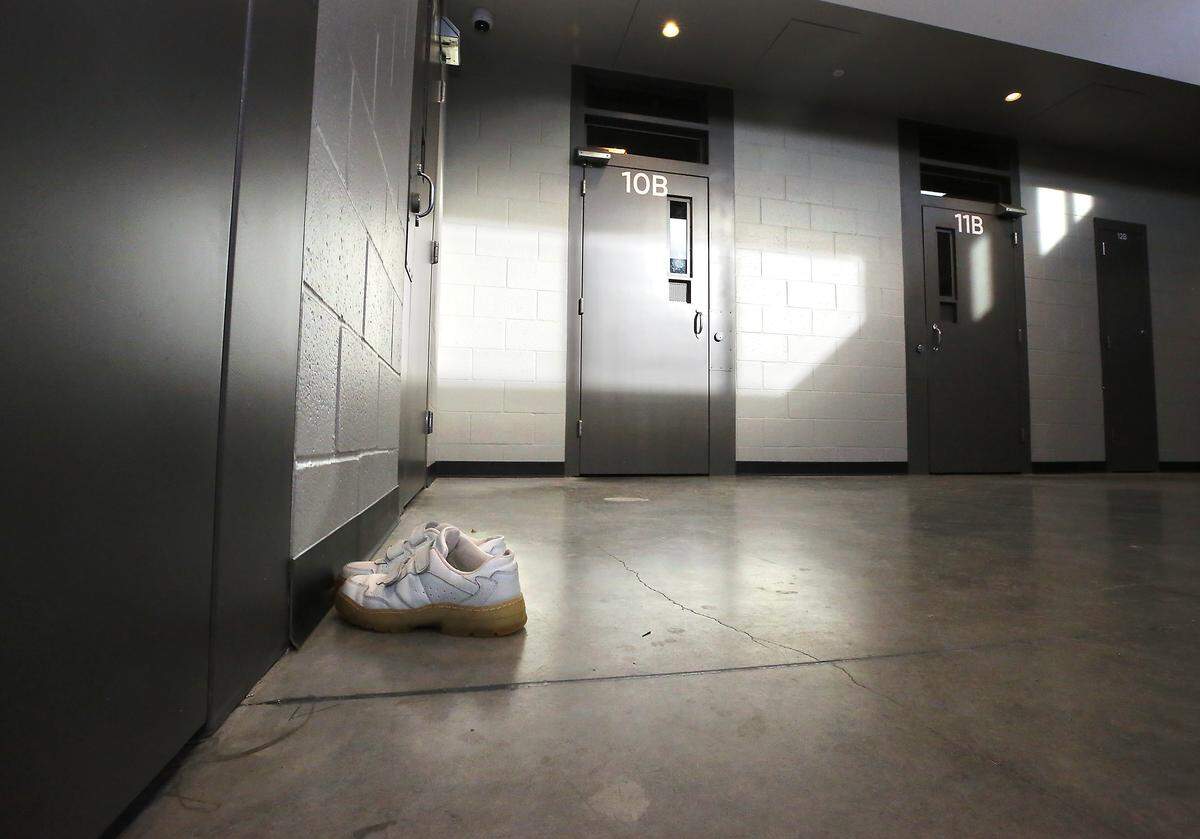
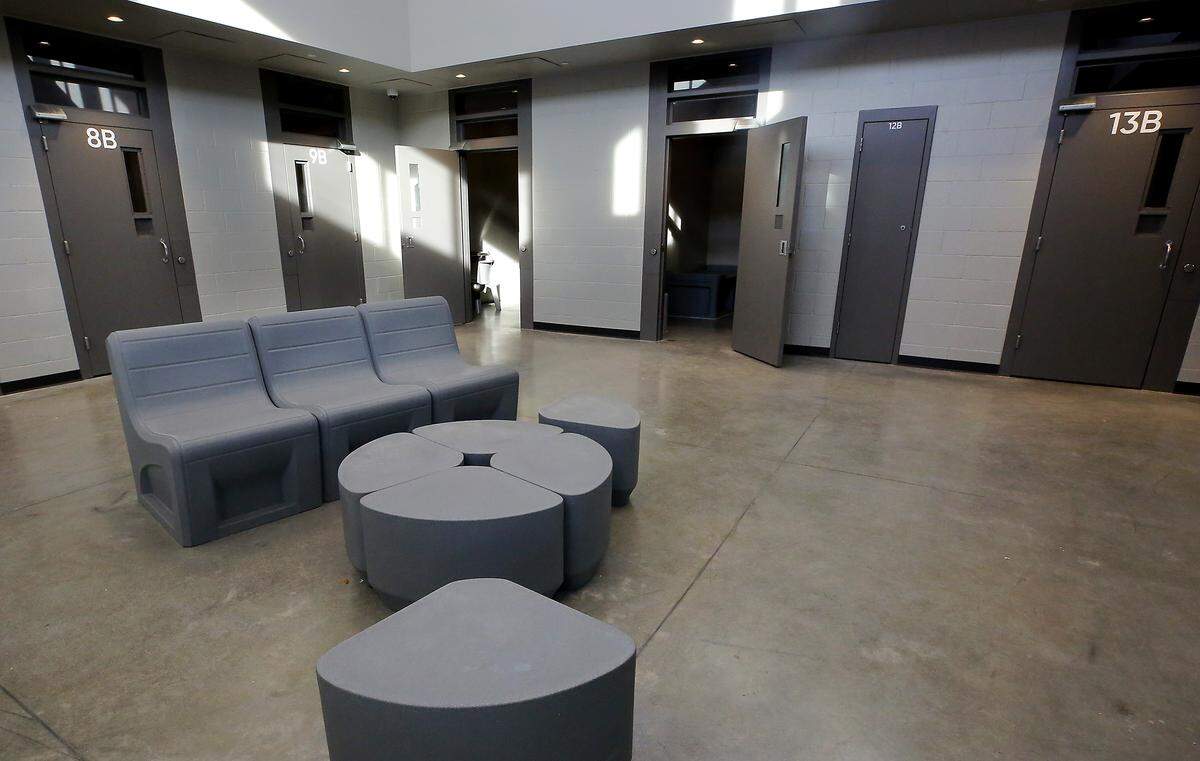
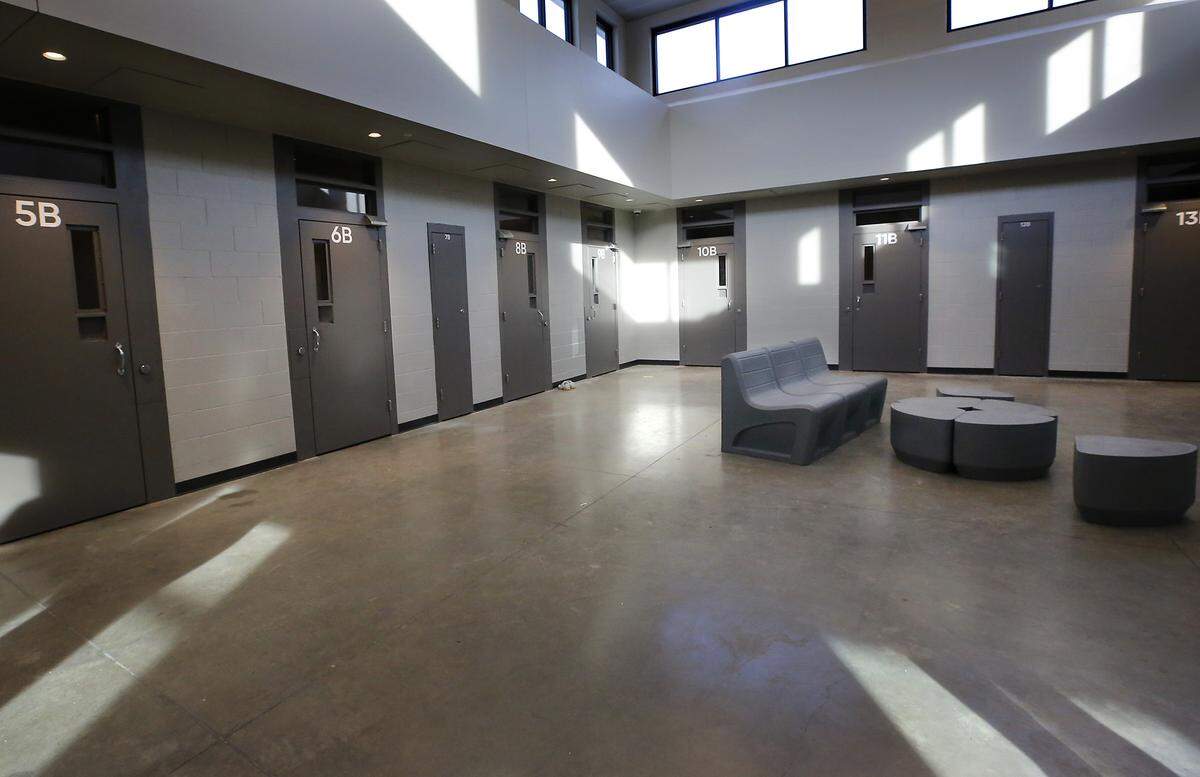
The new cell pods are designed to have the teens out until they need to be in their cells. Classroom areas are also right next door, rather than across the facility.
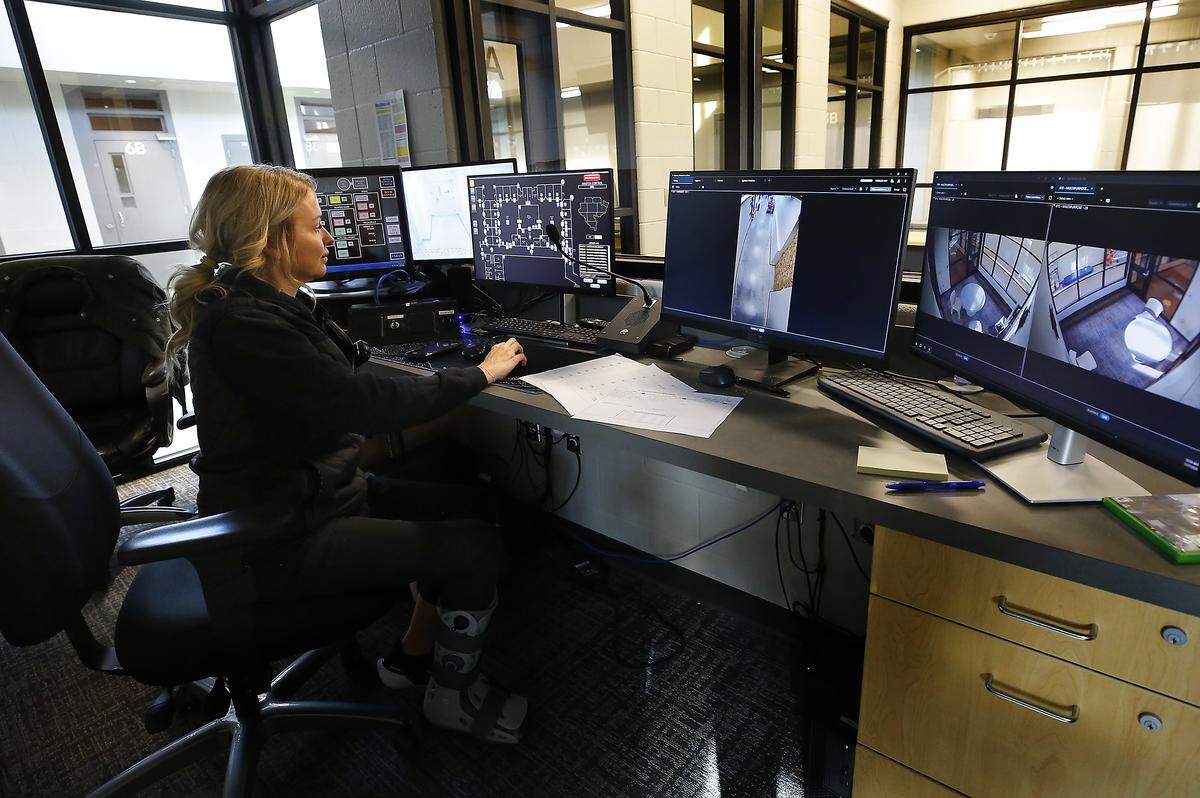
Behind the classroom, a control room monitors each pod. The upgrades to security give corrections officers a better overview of the entire area, thanks to the addition of more security cameras.
They also can monitor the status of every door in real time, and have a direct line of sight on the pods.
Each pod has 8 cells and 10 total beds, with six single and two double rooms. The total number of beds in the facility will remain about the same, at 40.
The new portions of the detention center also are designed to let in more light.
All of these factors help contribute to an environment where it will be easier for teachers, counselors and correction officers to build connections with the teens.
Ruelas said the average length of stay is 14 days, but they have one teen who has been in the facility for more than 2 1/2 years.
He said even their approach to hiring has changed.
“I’m not hiring security guards anymore. I’m hiring coaches,” he said.
That approach appears to be paying off.
Building better outcomes
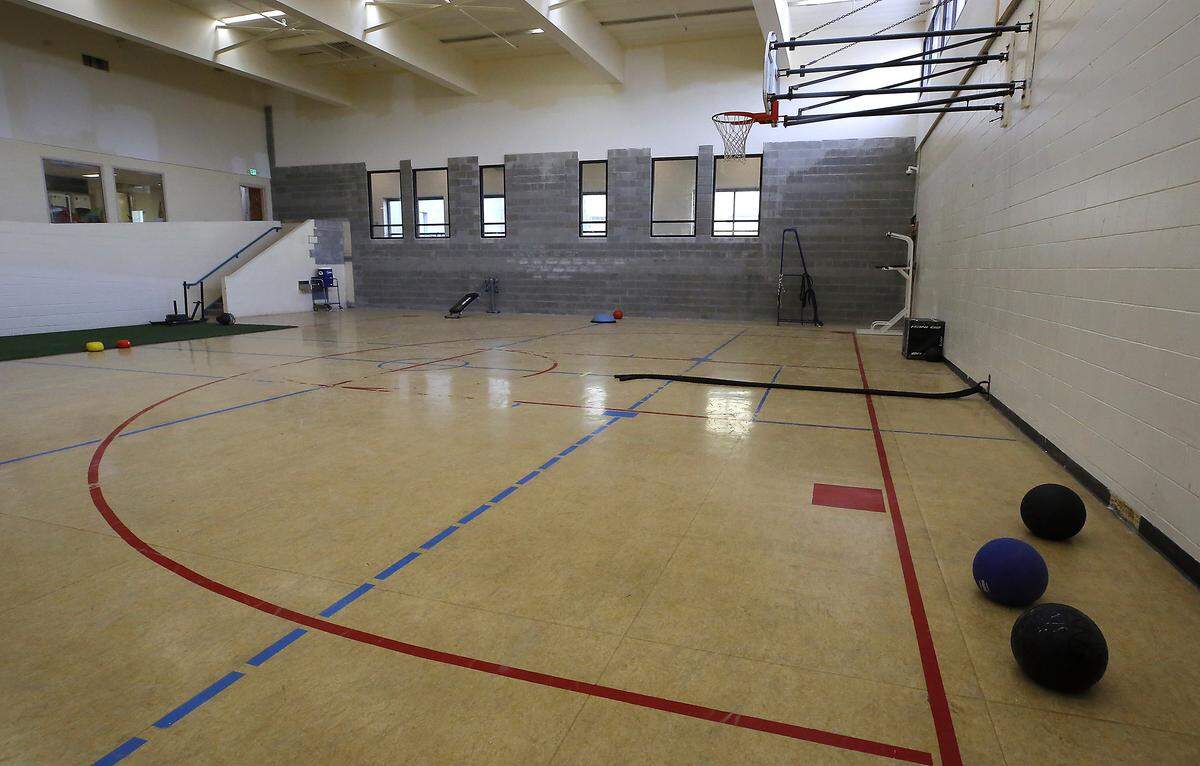
The jail recently implemented a new program called Dialectic Behavioral Therapy that helps teach offenders the skills they need to manage emotions and interpersonal conflicts.
It’s meant to give them a better chance at avoiding making the same mistakes. It’s rooted in community involvement and restorative practices.
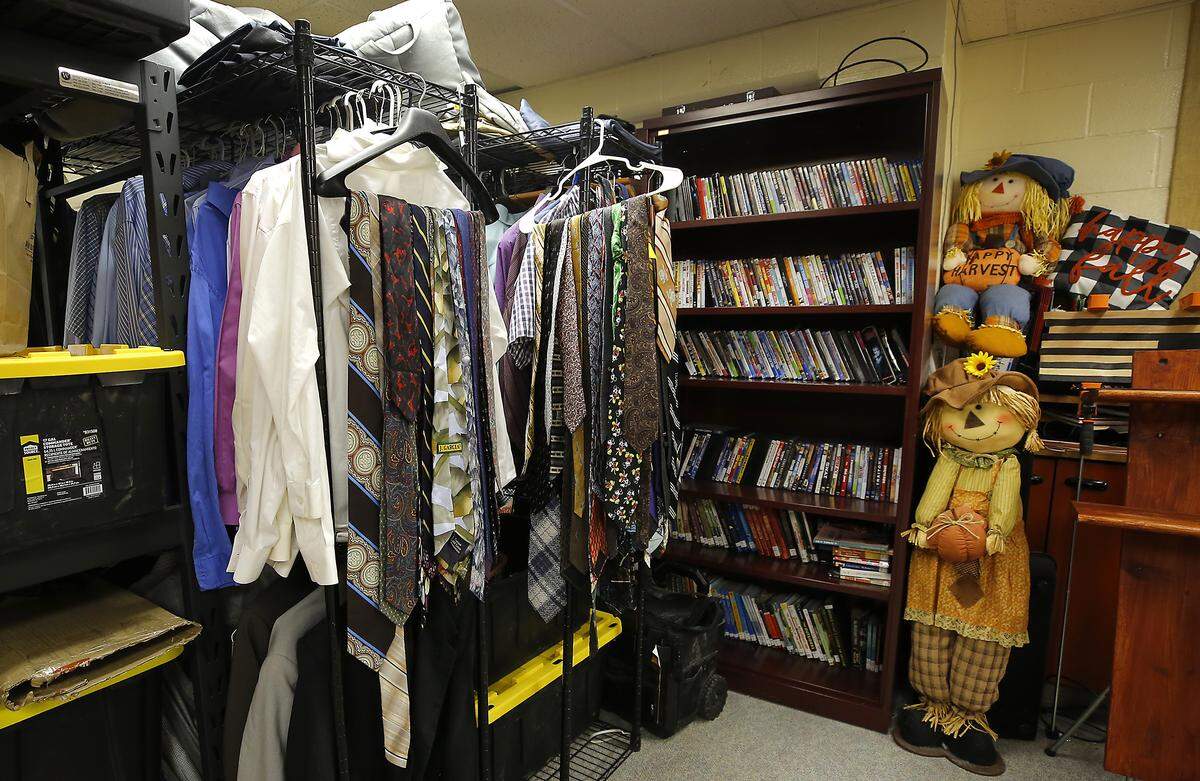
Instructor J.W. Perkins also focuses on building life skills, such as dressing the part for a job interview and learning to tie a tie. They design and work on projects to benefit the facility as well as the community at large. They brainstorm, design and build a wide array of artistic and useful items.
Perkins also has brought in an entire wardrobe of dress clothes and ties.
One recent project was a motorized cooler scooter to hand out water bottles at 5K runs and marathons in the Tri-Cities. Their current project is building a cart for beads so that the art supplies can more easily be taken from the older part of the facility to the classroom.
He even has the teens work on public speaking by presenting their projects to staff.
Modeling that good behavior while in custody also helps the teens earn more visits.
“We understand you have a past, but that doesn’t need to be your future,” Ruelas said.
In order to keep costs down the project has also repurposed a variety of items such as doors and locks.
They’re also creating a secure outdoor courtyard in an open area between the buildings. Even the paint scheme is changing to a more soothing gray.
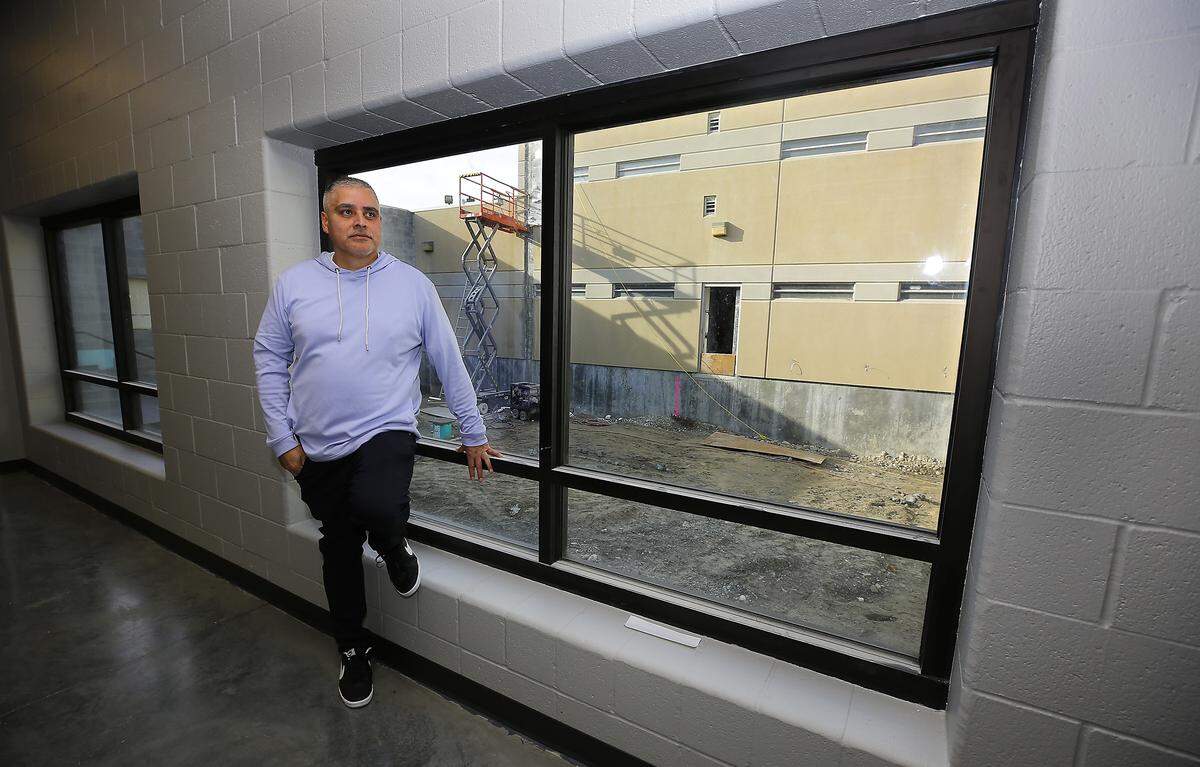
Ruelas said that these little things add up to make a big difference.
“I know that they leave better, and that’s our goal. They leave better than when they arrive,” he said.
“All the team members here that are working with them, that’s our goal every single day, how do we make them better? What can we do to provide them the tools they need to be successful when they get out? That’s one thing we do know, they will get out.”
One of the biggest challenges they’ve faced has been maintaining consistency for the teens at the center. They’ve worked to ensure the construction isn’t disrupting the treatment and education they’re getting.
Demolition of older areas of the center started this week, and construction is moving into the third phase, which will see renovations changing the old classrooms to an intake area.
Benton County is using a mix of its capital funds and $10 million previously allocated from American Rescue Plan Act funds from the COVID-19 pandemic. Operations at the facility are largely funded through the 0.01 cents juvenile services sales tax.
This story was originally published February 1, 2026 at 5:00 AM.